
Find the Best Used Cooking Oil Collection Companies for Your Business
No obligation • Fast responses • Nationwide coverage

Why you can trust Restaurant Waste Disposal
Restaurant Waste Disposal is a leading U.S. resource for comparing restaurant composting, food-waste recycling, grease trap cleaning, and used cooking oil collection services. Our editorial team researches providers, checks credentials, and organizes unbiased information so operators can make informed decisions. Companies cannot pay to change ratings or placement.
Search providers near you
Top Used Cooking Oil Collection Companies in Columbus, Ohio Ranked
For restaurants and food service establishments in Columbus, managing used cooking oil (UCO) is a critical operational and environmental responsibility. Proper disposal of fats, oils, and grease (FOG) is not just a best practice-it's mandated by city ordinance to protect the local sewer system from costly blockages and environmental damage. Fortunately, a structured system of professional collection and recycling services exists to turn this waste stream into valuable resources like biodiesel, simplifying compliance and supporting sustainability goals for local businesses.
Columbus Grease Trap Cleaning
Columbus, OH
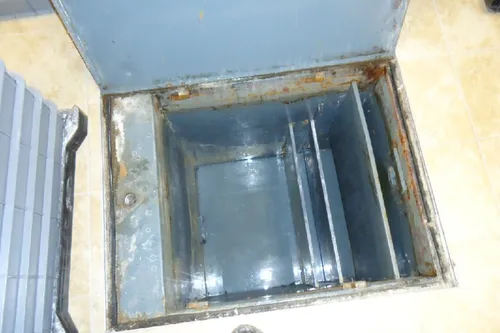
Columbus Grease Trap Cleaning is a full-service grease trap and interceptor cleaning company based in Columbus, OH. Serving commercial kitchens, restaurants, schools, and cafeterias throughout Columbus and nearby neighborhoods, they specialize in grease trap pumping, cleaning, installation, and maintenance. The company operates a fleet of over 15 pump trucks and uses high-pressure hydro-jetting to remove stubborn sludge, ensuring grease traps function efficiently and comply with local regulations. With more than a decade of experience, Columbus Grease Trap Cleaning works closely with city officials to meet all health and environmental standards and offers after-hours and custom services to accommodate business schedules.
Green Mountain Products
2170 Alum Creek Dr, Columbus, OH 43207
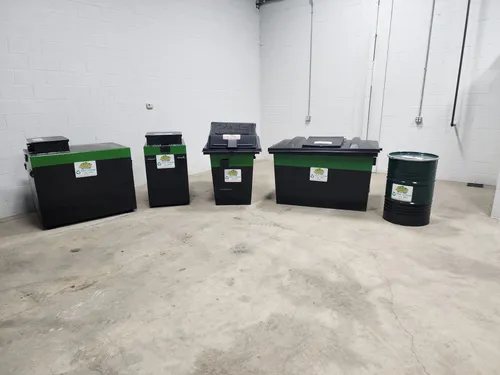
Green Mountain Products is based in Columbus, OH, providing used cooking oil collection, grease trap cleaning, and industrial bulk tanker services. They serve the Ohio, West Virginia, Kentucky, and Indiana regions, supporting the biodiesel and animal feed industries by recycling fats, oils, and grease. The company is working toward becoming a zero waste FOG discharge facility, ensuring environmentally responsible recycling of waste streams. Green Mountain Products offers 24/7 service availability to meet customer needs at any time.
OP Recycling
2130 Advance Ave A, Columbus, OH 43207
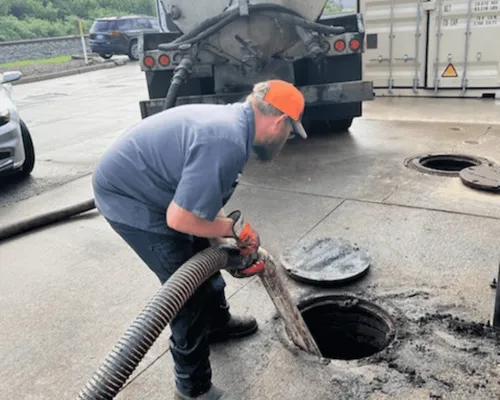
OP Recycling is a Columbus, OH-based company specializing in used cooking oil collection, grease trap cleaning, and wastewater transport. They serve a variety of industries including restaurants, food processing plants, and hospitality establishments. With over 40 years of experience, OP Recycling offers spill-proof cooking oil removal and operates a fleet of tanker trucks dedicated to hauling oily wastewater to their recycling plant. Their services focus on sustainability, ensuring 100% recycling with no landfill disposal. They provide 24/7 availability to support their customers' needs.
GFL Environmental
4001 E 5th Ave, Columbus, OH 43219
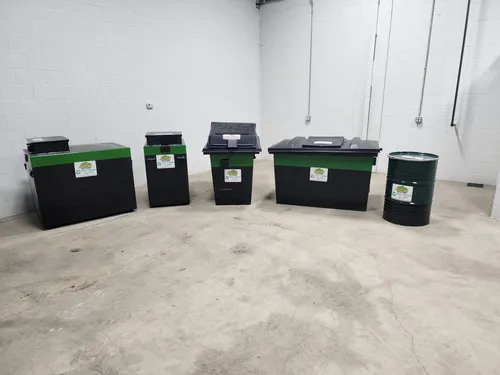
GFL Environmental provides used cooking oil collection services in Columbus, OH. The company specializes in the collection and management of used cooking oil, supporting businesses with proper disposal and recycling solutions.
Why Proper FOG Management is Non-Negotiable
Pouring used fryer oil or greasy wastewater down a drain is one of the most damaging actions a food service business can take. In Columbus, this is explicitly illegal because FOG solidifies inside sewer pipes, leading to severe blockages known as "fatbergs". These blockages can cause sewage backups into streets, waterways, and even into your own business, resulting in significant public health hazards and expensive cleanup costs for the entire community. The city can levy fines against businesses found violating these regulations, making proactive management essential.
Beyond legal compliance, responsible UCO handling is a cornerstone of modern operational sustainability. By partnering with a certified collector, you ensure that every gallon of used oil is diverted from landfills and wastewater systems and is instead converted into renewable energy or other products. This closed-loop process enhances your establishment's green credentials and contributes to a circular economy right here in Central Ohio.
The Step-by-Step Process for Restaurant Oil Collection
Implementing a seamless used cooking oil management program involves a few key steps, often facilitated entirely by your service provider.
1. Safe Cooling and Initial Storage After use, oil must be allowed to cool to a safe temperature, ideally below 120°F (around 49°C), before handling or transferring. This prevents burns and reduces fire risk. Kitchen staff should then carefully pour the cooled oil from fryers into dedicated, intermediate collection containers. These are typically smaller, manageable bins provided by your collector to facilitate safe transport from the cooking line to the main storage unit.
2. Secure Outdoor or Indoor Storage The heart of the system is the primary storage container-a sturdy, leak-proof tank or bin designed for bulk UCO storage. Reputable collection companies like Mahoney Environmental and Grand Natural Inc. often provide these containers at no upfront cost. Placement is key: containers should be located in a well-ventilated area, easily accessible for pickup trucks, and secured with locking lids to prevent theft, tampering, or contamination 1. Proper storage is the first line of defense in maintaining a clean, compliant, and efficient back-of-house operation.
3. Scheduled Professional Pickup You don't have to manage disposal logistics. Your service provider will establish a regular pickup schedule-weekly, bi-weekly, or monthly-based on your oil volume. A trained technician will arrive, pump or transfer the oil from your storage container into their specialized truck, and leave you with an empty, clean container ready for refilling. They handle all the heavy lifting and potential mess, ensuring a hassle-free process for your team.
4. Recycling and Transformation Once collected, the used cooking oil begins its second life. It is transported to a processing facility where it is filtered and purified. The primary end product is biodiesel or renewable diesel, a cleaner-burning alternative to petroleum-based fuels 2 3. This oil can also be refined into ingredients for animal feed, soaps, lubricants, and other industrial products, ensuring that 100% of the material is recycled 4 5.
Best Practices for Storage and Handling
Adopting correct handling procedures protects your staff, property, and service compliance.
- Cool Before Transfer: Always let oil cool significantly. Transferring hot oil is a major safety hazard 6.
- Use Designated Equipment: Only use containers and funnels provided or approved by your collector. Improper containers can leak or break.
- Prevent Contamination: Keep water and food debris out of the storage container. Contaminants can degrade the oil's value for recycling.
- Maintain Accessibility: Ensure the storage container is always accessible for the service driver and not blocked by dumpsters or deliveries.
- Keep a Log: Maintain a simple FOG log sheet to track oil disposal dates and volumes. This documentation is invaluable for demonstrating compliance during health or city inspections.
Integrating Grease Trap Maintenance
A comprehensive FOG management program addresses more than just fryer oil. Grease traps and interceptors, which capture fats and solids from sink and dishwasher wastewater, are equally regulated and require regular professional cleaning. Many used cooking oil collection providers, such as OPR Recycling, offer combined services, scheduling grease trap cleaning in tandem with UCO pickups 7. This coordinated approach ensures all your grease-related compliance needs are met efficiently by a single, reliable partner, simplifying vendor management and record-keeping.
Find the perfect used cooking oil collection companies for your needs
Get personalized recommendations and expert advice
Understanding Costs and Value
The financial model for used cooking oil collection in Columbus varies. Many providers offset the cost of their service-which includes providing equipment, scheduled pickups, and maintenance-with the value of the recycled commodity 8 9. In some arrangements, the service may be offered at little to no direct cost to the restaurant. Other models may involve a service fee, particularly for lower-volume generators or for bundled services like grease trap cleaning.
When evaluating providers, look beyond just price. Consider the value of reliable, consistent service that keeps you in compliance and avoids potential fines. The benefits are clear: you eliminate a waste headache, reduce your environmental footprint, support the local green economy, and ensure your kitchen operates within all city of Columbus Public Utilities guidelines 10.
Choosing a Collection Partner in Columbus
Selecting the right service provider is crucial. Look for a company with a strong local presence and a proven track record of reliability. They should offer clear, written service agreements, provide robust and secure storage containers, and have transparent policies about scheduling and service interruptions. Ask about their recycling partners and the final destination of the oil to verify their environmental claims. A good partner acts as a consultant, helping you optimize your storage setup and pickup frequency to match your kitchen's output.
By implementing a professional used cooking oil collection system, Columbus restaurants protect vital city infrastructure, contribute to a sustainable future, and streamline their back-of-house operations. It's a clear win for your business, the community, and the environment.
Frequently asked questions
Sources
Footnotes
-
Restaurant Grease Pick Up & Disposal Services in Columbus, OH - https://www.mahoneyes.com/fryer-oil-disposal-recycling-columbus-oh/ ↩
-
Used Cooking Oil Pickup and Recycling Services in ... - https://www.mahoneyes.com/waste-oil-pickup-recycling-columbus-oh/ ↩
-
Used Cooking Oil (UCO) Collection Service For Restaurants - https://thegreasecompany.com/blog/restaurant-used-cooking-oil-collection/ ↩
-
About - Grease Trap Cleaning in Columbus, OH - https://oprecycling.com/about/ ↩
-
Our Services - Grease Trap Cleaning in Columbus, OH - https://oprecycling.com/our-services/ ↩
-
Used Cooking Oil Disposal: Complete Guide to Grease Pickups - https://greaseconnections.com/used-cooking-oil-disposal-guide-grease-pickups/ ↩
-
Home - Grease Trap Cleaning in Columbus, OH - https://oprecycling.com/ ↩
-
Used Cooking Oil Collection Columbus - https://www.grandnaturalinc.com/locations/used-cooking-oil-recycling-in-columbus.html ↩
-
Restaurant Used Cooking Oil: Disposal, Recycling & Revenue Guide - https://greaseconnections.com/restaurant-used-cooking-oil-disposal-recycling-revenue-guide/ ↩
-
Fats, Oils, and Grease Control - City of Columbus, Ohio - https://www.columbus.gov/Services/Columbus-Water-Power/Information-for-Customers/How-Customers-Can-Keep-Columbus-Clean/Fats-Oils-and-Grease-Control ↩