
Find the Best Used Cooking Oil Collection Companies for Your Business
No obligation • Fast responses • Nationwide coverage

Why you can trust Restaurant Waste Disposal
Restaurant Waste Disposal is a leading U.S. resource for comparing restaurant composting, food-waste recycling, grease trap cleaning, and used cooking oil collection services. Our editorial team researches providers, checks credentials, and organizes unbiased information so operators can make informed decisions. Companies cannot pay to change ratings or placement.
Search providers near you
Top Used Cooking Oil Collection Companies in Dayton, Ohio Ranked
For restaurants and food service establishments in Dayton, managing used cooking oil (UCO) and fats, oils, and grease (FOG) is a critical operational and environmental responsibility. Proper grease trap and oil collection services are not just about waste removal; they are essential for complying with local and state health codes, preventing costly sewer blockages, and contributing to a sustainable circular economy. By partnering with a licensed hauler, Dayton businesses can transform this waste stream into valuable products like biodiesel, ensuring regulatory compliance while potentially offsetting disposal costs or even generating revenue.
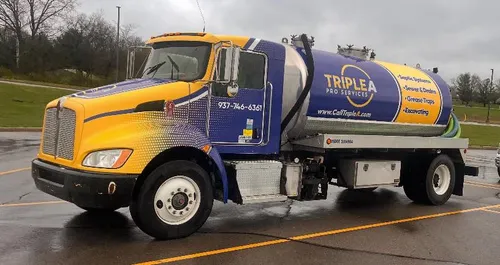
Understanding Dayton's Regulations for Grease and Oil
Navigating the rules for grease and used oil disposal is the first step toward compliance. The City of Dayton and the Ohio Environmental Protection Agency (Ohio EPA) have clear guidelines to protect the municipal sewer system and the environment.
Key Prohibitions:
- Never dump used cooking oil, grease, or solid fats into sinks, floor drains, toilets, or storm sewers1.
- Do not mix used oil with other wastes, solvents, or garbage, as this can create a hazardous waste.
- Improper disposal can lead to sanitary sewer overflows (SSOs), environmental damage, and significant fines from the city.
Storage and Handling Requirements:
- Containment: Store cooled UCO in dedicated, non-reactive, leak-proof containers like metal drums or specialized collection bins provided by your hauler. Solid fats should be scraped into separate, sealable containers.
- Labeling: All containers must be clearly marked as "Used Oil"2 3.
- Grease Interceptors: Commercial kitchens are typically required to have and maintain grease traps or interceptors. These must be cleaned regularly by a licensed professional to prevent FOG from entering the wastewater system.
Transportation Mandates:
- Off-site removal of used cooking oil must be handled by a licensed hauler registered with the Ohio EPA. These haulers possess an EPA ID number, ensuring they follow proper procedures for transportation and recycling.
The Collection and Recycling Process for Dayton Restaurants
A structured collection system makes grease management seamless and beneficial. Here's how the typical process works for a Dayton food service business:
- On-Site Storage: After cooking oil cools, staff transfer it to an approved, secure collection container. Many service providers supply and maintain these containers, which are often lockable to prevent tampering or contamination 4.
- Scheduled Pickup: A licensed collection company schedules regular pickups based on your volume. They pump the oil from your container into their specialized tanker truck.
- Transportation: The hauler transports the collected UCO and FOG to a processing or rendering facility.
- Recycling & Repurposing: This is where waste becomes a resource. The oil is processed and refined into valuable products. Primary end-uses include:
- Biodiesel Production: A clean-burning, renewable fuel alternative.
- Animal Feed Ingredients: Processed fats can be used in feed supplements.
- Industrial Oleochemicals: Used in the production of soaps, detergents, and lubricants.
This closed-loop process ensures that your kitchen's byproducts support renewable energy and manufacturing, diverting waste from landfills and sewers.
Choosing a Service Provider and Understanding Costs
Selecting the right partner for your used oil and grease trap needs is crucial. Reputable providers in the Dayton area, such as Grand Natural Inc. and Mahoney Environmental, offer comprehensive solutions that include equipment, regular service, and documentation for compliance 5.
What to Look For in a Provider:
- Ohio EPA Licensing: Verify the hauler is properly licensed and insured.
- Service Offerings: Many companies offer bundled services, including used oil collection, grease trap cleaning, and fresh cooking oil delivery.
- Reliability: Consistent, on-time pickups are essential to avoid overflows and compliance issues.
- Recycling Transparency: Choose a provider committed to environmentally sound recycling practices.
Financial Considerations: The cost structure for UCO collection can vary. It often depends on the quality and volume of your oil and the specific services required.
- Potential Revenue: Clean, well-maintained used cooking oil has value on the commodities market. Some providers may pay restaurants for their high-quality oil, with prices fluctuating based on market conditions (historically ranging, for example, from $2.40 to $3.60 per gallon)6 7.
- Service Fees: If your oil is heavily contaminated or you require frequent grease trap cleaning, you may incur a service fee. Fees for bulk collection or trap maintenance are common and should be clearly outlined in your service agreement8.
- Cost-Benefit Analysis: The benefits often outweigh costs. Proper service helps you avoid severe fines for sewer violations, reduces plumbing expenses, and contributes to your establishment's sustainability goals.
Find the perfect used cooking oil collection companies for your needs
Get personalized recommendations and expert advice
Benefits of a Professional Grease Management Program
Implementing a professional used cooking oil collection system offers advantages beyond mere compliance.
- Regulatory Peace of Mind: Partnering with a licensed expert ensures you meet all City of Dayton and Ohio EPA requirements, minimizing the risk of violations9 10.
- Operational Efficiency: Regular, scheduled pickups prevent messy overflows, reduce odors, and keep your kitchen and storage areas clean and safe.
- Environmental Stewardship: Recycling UCO into biodiesel significantly reduces greenhouse gas emissions compared to fossil fuels, allowing your business to support a greener Ohio11 12.
- Positive Brand Image: Consumers increasingly support businesses with strong environmental practices. Promoting your commitment to oil recycling can enhance your brand reputation.
- Economic Opportunity: Turning a waste product into a potential revenue stream or a managed expense item improves your bottom-line efficiency.
Best Practices for On-Site Grease Management
To maximize safety, compliance, and the value of your used oil, follow these daily operational tips:
- Cool Before Transferring: Always allow oil to cool completely before moving it to a storage container to prevent burns and fire hazards.
- Use Proper Filters: Strain oil to remove food particles during use. This extends the life of the oil and keeps your stored UCO cleaner, which can increase its value.
- Prevent Contamination: Keep water and other liquids out of your UCO collection container. Contamination can degrade the oil's quality and complicate the recycling process.
- Secure Storage: Keep collection bins in a secure, designated area to prevent accidental spills, tampering, or unauthorized dumping.
- Maintain Records: Keep detailed logs of oil collection dates, volumes picked up, and hauler information. This documentation is vital for compliance audits and tracking your waste stream.
By integrating these practices with a reliable professional service, Dayton restaurants can effectively manage their used cooking oil, fulfilling their legal obligations while contributing positively to the local environment and economy.
Frequently asked questions
Sources
Footnotes
-
Used Cooking Oil Disposal: Complete Guide to Grease Pickups - https://greaseconnections.com/used-cooking-oil-disposal-guide-grease-pickups/ ↩
-
Restaurant Grease: Know Your Environmental Regulations - https://ccchd.com/wp-content/uploads/2025/06/FOG-restaurant.pdf ↩
-
How to Recycle Cooking Oil in Ohio? - Green Mountain Products - https://greenmtnproducts.com/how-to-recycle-cooking-oil-in-ohio/ ↩
-
Used Cooking Oil (UCO) Collection Service For Restaurants - https://thegreasecompany.com/blog/restaurant-used-cooking-oil-collection/ ↩
-
Cooking Oil Delivery, Pickup, and Recycling in Ohio - https://www.mahoneyes.com/cooking-oil-delivery-recycling-ohio/ ↩
-
Used Cooking Oil Collection Dayton - https://www.grandnaturalinc.com/locations/used-cooking-oil-recycling-in-dayton.html ↩
-
Used Cooking Oil Pricing & Business Guide - Grease Connections - https://greaseconnections.com/used-cooking-oil-pricing-guide/ ↩
-
Does Ohio Have A Restaurant Grease Program? - https://ace1965.com/2023/06/does-ohio-have-a-restaurant-grease-program/ ↩
-
Restaurant Dayton, OH - Daytonohio.gov - https://www.daytonohio.gov/DocumentCenter/View/4791 ↩
-
The Regulation of Used Oil: - Ohio.gov - https://dam.assets.ohio.gov/image/upload/epa.ohio.gov/Portals/41/webinar/DERR-Used-Oil-Handouts.pdf ↩
-
Used Oil - Ohio EPA - https://epa.ohio.gov/wps/portal/gov/epa/divisions-and-offices/environmental-response-revitalization/guides-and-manuals/used-oil ↩
-
Navigating Legal Requirements for Used Cooking Oil Disposal - https://bakercommodities.com/blog/2024/02/08/legal-requirement-used-cooking-grease/ ↩