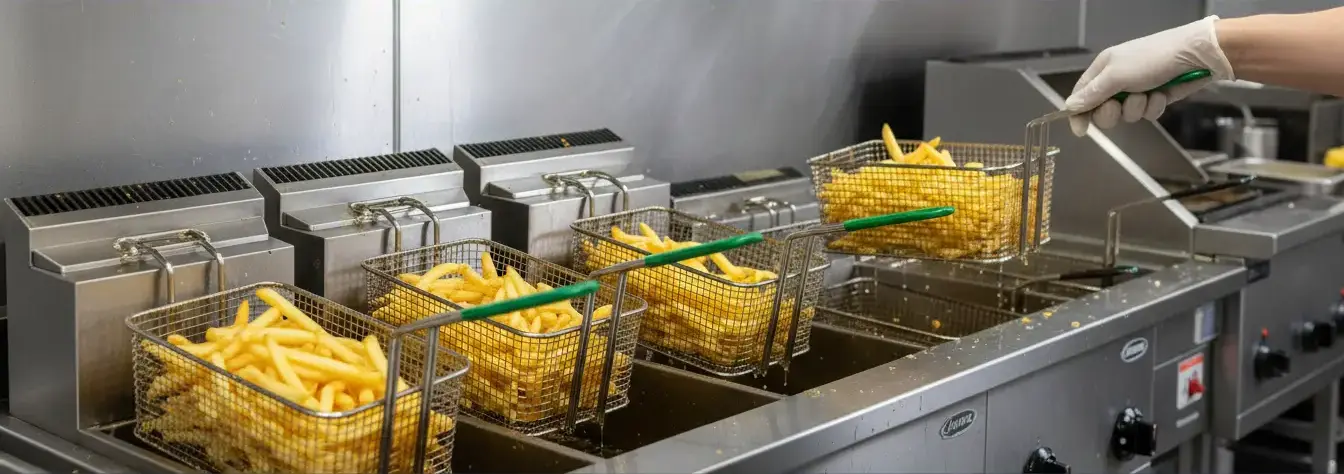
Find the Best Used Cooking Oil Collection Companies for Your Business
No obligation • Fast responses • Nationwide coverage

Why you can trust Restaurant Waste Disposal
Restaurant Waste Disposal is a leading U.S. resource for comparing restaurant composting, food-waste recycling, grease trap cleaning, and used cooking oil collection services. Our editorial team researches providers, checks credentials, and organizes unbiased information so operators can make informed decisions. Companies cannot pay to change ratings or placement.
Search providers near you
Top Used Cooking Oil Collection Companies in Gulfport, Mississippi Ranked
For restaurant owners and kitchen managers in Gulfport, managing used cooking oil (UCO) is more than just a cleaning task-it's a critical component of operational compliance, environmental responsibility, and potential revenue. Proper grease and oil handling is mandated by local authorities to protect the city's sewer infrastructure, turning what was once a messy disposal problem into a streamlined recycling opportunity. By partnering with a licensed hauler, establishments can ensure safe, regular pickups that transform waste into valuable products like biodiesel, all while adhering to Hancock County's specific regulations for Fats, Oils, and Grease (FOG). This guide outlines the essential steps for compliant UCO collection, from secure storage to final recycling, and highlights how Gulfport businesses can benefit from this necessary service.
Understanding Local Regulations for Grease Disposal
In Gulfport and the broader Hancock County area, food service establishments are legally required to manage their kitchen grease through approved channels. The Hancock County Utility Authority (HCUA) enforces a Fats, Oils, and Grease (FOG) ordinance designed to prevent sewer blockages and overflows, which can lead to costly environmental damage and public health issues1. A cornerstone of this regulation is the mandate to use state-licensed "Inedible Kitchen Grease" (IKG) haulers for all used cooking oil and grease trap waste removal1 2.
Attempting to dispose of oil down drains or in dumpsters is not only harmful but can result in significant fines. Compliance starts with understanding that your used fryer oil is considered a controlled waste stream. Licensed haulers are registered with the state and understand the local reporting and handling requirements, ensuring your business remains in good standing. This regulatory framework turns grease collection from an optional service into a mandatory part of responsible restaurant operation on the Mississippi Gulf Coast.
The Step-by-Step Process for Oil Collection
A well-managed used cooking oil program involves consistent internal practices and a reliable partnership with your hauler.
1. Proper On-Site Handling and Storage The process begins in your kitchen. After cooling, used oil should be filtered to remove food particles. It is then transferred to a dedicated, secure storage bin, often provided by your collection service3. These containers are typically lockable and placed on a concrete pad away from storm drains to prevent accidental spills or contamination. Proper storage is crucial for maintaining oil quality, which directly impacts its value for recycling.
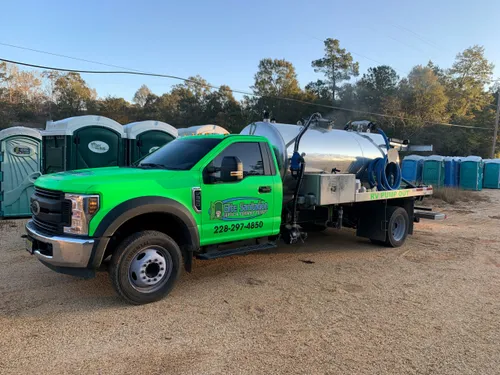
2. Scheduled Professional Pickup Your licensed hauler will establish a regular collection schedule based on your volume-weekly, bi-weekly, or monthly. Companies like Northern Gulf Services, which serves the Biloxi/Gulfport area, emphasize clean, efficient pickups with minimal disruption to your daily operations4 5. During collection, the technician will pump the oil from your storage container into a specialized truck. Reputable services provide documentation, such as a pickup log or ticket, noting the volume collected, which is important for your records and any potential rebate calculations.
3. From Waste to Resource: The Recycling Journey Once collected, the used cooking oil is transported to a rendering or processing facility. There, it undergoes heating, filtering, and purification to remove impurities 6. The cleaned oil is then converted into valuable raw materials. The primary product is biodiesel, a renewable fuel that powers vehicles and equipment. Other common end-uses include ingredients for animal feed, soaps, and cosmetics 6. This closed-loop system ensures that your kitchen waste contributes to the circular economy.
Financial Considerations: Cost vs. Revenue
Navigating the economics of used cooking oil collection is key for any business owner. The model typically operates on a spectrum from service fee to revenue generation, heavily dependent on the quality and quantity of oil you produce.
- Free Collection Services: Many haulers offer free pickup and provide storage containers at no charge if your restaurant generates a sufficient volume of clean oil-often around 100 gallons or more per month. The hauler's revenue comes from selling the recycled oil to processors, making this a mutually beneficial arrangement.
- Potential for Rebates and Payments: High-quality, uncontaminated used cooking oil has significant market value. Some providers offer rebate programs or direct payments based on the current market price, which can range significantly (e.g., $2.40-$3.60 per gallon, though prices fluctuate)7 8. This turns a waste product into a minor revenue stream, effectively reducing overall operational costs.
- Understanding Fees: If your volume is low or your oil becomes contaminated with water, food waste, or other liquids, the scenario changes. Contaminated oil is more expensive to process and loses its value. In these cases, a hauler may charge a fee for collection and disposal instead of providing a rebate. The best practice is to train staff on proper oil handling to maintain purity and maximize financial return.
Find the perfect used cooking oil collection companies for your needs
Get personalized recommendations and expert advice
Choosing a Service Provider in Gulfport
Selecting the right partner for your used cooking oil collection is crucial for compliance and operational ease. Look for a provider that is fully licensed as an Inedible Kitchen Grease (IKG) hauler in Mississippi. Beyond the license, consider the level of service. Providers like Northern Gulf Services highlight features such as theft protection for your storage bin and email alerts for pickups, adding a layer of security and convenience. National companies like Mahoney Environmental also offer comprehensive services, including grease trap maintenance alongside oil collection9.
When evaluating providers, ask about their pickup schedules, reliability, and the cleanliness of their service. A good hauler should leave your storage area clean and provide consistent, documented pickups. Inquire about their rebate or payment structure for clean oil to understand the potential financial upside for your specific operation.
Best Practices for Restaurant Kitchens
Maximizing the benefits of your oil collection program starts with excellent in-house management.
- Implement Proper Filtering: Always filter oil while it's warm (but not dangerously hot) after each use or at the end of the day to extend its life and maintain quality. Use fine mesh filters or commercial filtering systems to remove food sediment.
- Prevent Contamination: Never mix used cooking oil with water, soap, or other liquids. Designate specific, clearly labeled funnels and containers for transferring oil to the storage bin to avoid mistakes. Contamination is the fastest way to degrade oil value and can lead to disposal fees.
- Train Your Staff: Ensure every team member who handles oil understands the procedures for filtering, storage, and spill prevention. Simple, clear protocols prevent costly errors and keep your oil stream clean and profitable.
- Secure Your Asset: Place your storage bin in a well-lit, secure area. Locking bins provided by haulers deter theft, which is important because used oil has value on the secondary market10. Report any suspicious activity around your bin to your service provider.
Adopting these practices ensures a smooth, efficient process that supports your hauler's efforts and protects your business's bottom line and compliance status.
The Environmental and Community Impact
Recycling used cooking oil in Gulfport has a positive ripple effect that extends far beyond your kitchen's back door. By diverting this waste from landfills and sewers, your restaurant actively participates in environmental protection. Every gallon of used oil recycled into biodiesel reduces reliance on fossil fuels and lowers greenhouse gas emissions11 12. Furthermore, proper FOG management as required by the HCUA helps prevent sanitary sewer overflows, which can contaminate local waterways like the Mississippi Sound and harm marine ecosystems.
This responsible practice also supports a local green economy. The collection, transportation, and processing of used oil create jobs and support industries focused on renewable energy and sustainable manufacturing. By choosing a responsible UCO collection service, Gulfport restaurants contribute to a cleaner community and a more sustainable future for the Gulf Coast.
Frequently asked questions
Sources
Footnotes
-
Fats. Oils and Grease Ordinance - Hancock County Utility Authority - https://www.hcua.ms.gov/sites/hcua/files/Rules-Regs-etc/112011FatsOilsGreaseOrdinance.pdf ↩ ↩2
-
Cooking Oil Collection & Grease Recycling Service - https://thegreasecompany.com/oilcollection.html ↩
-
Grease Collection Service: What is it - Grand Natural Inc - https://www.grandnaturalinc.com/blog/what-is-grease-collection-service.html ↩
-
Used Cooking Oil Collection in Biloxi - Northern Gulf Services - https://www.northerngulfco.com/used-cooking-oil-collection-biloxi-ms ↩
-
Used Cooking Oil Collection - Northern Gulf Services - https://www.northerngulfco.com/services/used-cooking-oil-collection ↩
-
Restaurant Oil and Grease Rendering - https://www.ocsan.gov/wp-content/uploads/2024/05/Restaurant-Oil-and-Grease-.pdf ↩ ↩2
-
Restaurant Used Cooking Oil: Disposal, Recycling & Revenue Guide - https://greaseconnections.com/restaurant-used-cooking-oil-disposal-recycling-revenue-guide/ ↩
-
Used Cooking Oil Pricing & Business Guide - Grease Connections - https://greaseconnections.com/used-cooking-oil-pricing-guide/ ↩
-
What Do Restaurants Do with Grease? - https://www.mahoneyes.com/what-do-restaurants-do-with-grease/ ↩
-
5 Reasons Your Restaurant Should Recycle Used Cooking Oil - Greasecycle - https://grease-cycle.com/reasons-recycle-used-cooking-oil/ ↩
-
Used Cooking Oil Disposal: Complete Guide to Grease Pickups - https://greaseconnections.com/used-cooking-oil-disposal-guide-grease-pickups/ ↩
-
Recycling Used Cooking Oil With Green Grease Environmental - https://www.youtube.com/watch?v=KP05Yx-GkHk ↩