
Find the Best Used Cooking Oil Collection Companies for Your Business
No obligation • Fast responses • Nationwide coverage

Why you can trust Restaurant Waste Disposal
Restaurant Waste Disposal is a leading U.S. resource for comparing restaurant composting, food-waste recycling, grease trap cleaning, and used cooking oil collection services. Our editorial team researches providers, checks credentials, and organizes unbiased information so operators can make informed decisions. Companies cannot pay to change ratings or placement.
Search providers near you
Best Used Cooking Oil Collection Companies in Mississippi Ranked
For Mississippi restaurants, managing used cooking oil (UCO) is a critical operational and environmental responsibility. Proper collection and recycling of this waste stream not only helps businesses comply with state and federal regulations but can also turn a waste product into a potential revenue source. This process involves understanding specific storage rules, partnering with licensed collectors, and ensuring proper documentation. By implementing a reliable UCO management system, food service establishments can prevent sewer issues, support recycling industries like biodiesel production, and streamline their back-of-house operations.
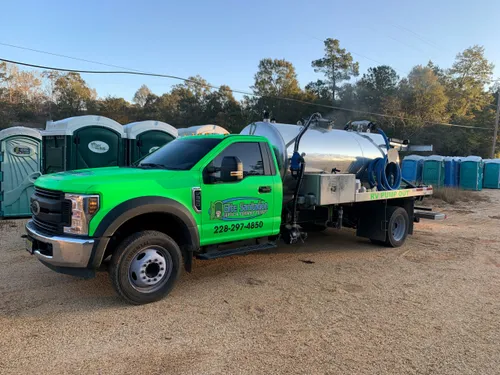
Elite Sanitation Services
Gulfport, MS
Elite Sanitation Services is a locally owned company based in Gulfport, MS, providing septic pumping, grease trap cleaning, used cooking oil collection, and portable toilet services. They serve families and businesses across Mississippi and Louisiana, offering solutions for restaurants, events, and construction sites. With years of experience, Elite Sanitation is skilled in septic tank maintenance and grease trap pump-outs. The company also offers 24/7 availability for emergency needs.
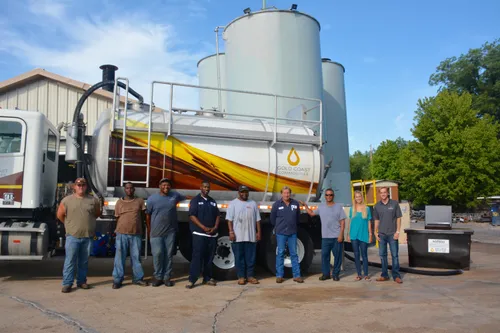
Gold Coast Commodities
817 Old Hwy 471, Brandon, MS 39042
Gold Coast Commodities is based in Jackson, MS, and specializes in collecting used cooking oil and animal fats for recycling. They focus on producing environmentally friendly feedstock for the biofuel industry, utilizing patented technologies to create a variety of industrial fats and oils. The company also offers custom animal feed blends designed to meet specific nutritional needs. Their services include routine collection of used cooking oil from restaurants, helping maintain clean grease boxes.
Key Regulations for UCO Management in Mississippi
Mississippi restaurants must navigate a combination of federal and state environmental rules, as well as local ordinances, when handling used fryer oil and grease.
Federal & State Used Oil Management Standards The Mississippi Department of Environmental Quality (MDEQ) adopts and enforces the federal used oil management standards (40 CFR Part 279). These rules classify used cooking oil from restaurants as "used oil" and set forth requirements for its handling. Key mandates include using containers or tanks that are in good condition (no leaks, severe rust, or deterioration) and clearly labeling them with the words "Used Oil". Generators are also responsible for immediate cleanup of any spills or leaks. These standards form the baseline for environmental protection in UCO handling.
Local Fats, Oils, and Grease (FOG) Ordinances Perhaps the most immediate regulatory concern for many restaurants comes from local sewer authorities. To prevent costly and disruptive sewer blockages, municipalities and counties often have strict FOG ordinances. For example, the Hancock County Utility Authority prohibits the direct discharge of fats, oils, and grease into the sanitary sewer system 1. Compliance typically requires restaurants to install and properly maintain grease traps or interceptors and to ensure all used cooking oil is collected for recycling, not poured down drains. Violations can lead to significant fines.
Transportation and Documentation Once the oil leaves your premises, it must be transported by a licensed hauler. Mississippi regulations require that transport vehicles are designed to prevent leaks and are maintained in a sanitary condition. Crucially, proper documentation, often in the form of a manifest or bill of lading, is required to track the oil from your site to the recycling facility. This "cradle-to-grave" paperwork is your proof of proper disposal and is essential for regulatory compliance.
Best Practices for On-Site Storage & Handling
Safe and compliant storage is the first step in a successful used cooking oil collection program.
- Use Designated Containers: Store UCO in dedicated, leak-proof containers such as standardized oil caddies, drums, or specially designed storage tanks. Avoid using containers that previously held chemicals or other incompatible substances.
- Ensure Secure Location: Place storage containers or tanks on an impervious surface, away from storm drains and in an area with secondary containment (like a berm or dike) to contain any potential spills 2.
- Maintain Clear Labeling: As per regulations, all containers, tanks, and fill pipes must be clearly marked "Used Oil" or "Waste Cooking Oil" to prevent accidental misuse 3 4.
- Integrate Grease Trap Maintenance: Your UCO collection program should work in tandem with your grease trap maintenance schedule. Regularly serviced traps catch grease from dishwashing, while your UCO program handles bulk fryer oil, together ensuring full FOG ordinance compliance.
The Used Cooking Oil Collection & Recycling Process
Understanding what happens after the collector arrives can help you choose a reliable partner and appreciate the value chain.
- Scheduled Pickup: You arrange a regular pickup schedule (e.g., weekly, bi-weekly, monthly) with a licensed used cooking oil collector based on your volume.
- Collection: On service day, a trained technician will pump the oil from your storage tank or containers into their specialized, vacuum-sealed truck.
- Transportation: The collector transports the oil to a processing facility. As a generator, you should receive a document detailing the quantity collected and the destination facility.
- Recycling & Processing: At the facility, the oil is filtered to remove food particles and water. It is then refined and converted into valuable products. The primary end product is biodiesel, a renewable fuel 5. UCO can also be used in the production of animal feed, cosmetics, soaps, and industrial lubricants.
Find the perfect used cooking oil collection companies for your needs
Get personalized recommendations and expert advice
Understanding Costs and Potential Revenue
The financial model for used cooking oil collection in Mississippi is typically volume-based and can vary between service providers.
- For Smaller Volumes (e.g., under 100 gallons per month): Many recycling companies offer free pickup services. The value they derive from recycling the material offsets the cost of collection, making it a cost-neutral or even cost-saving alternative to paying for traditional waste disposal.
- For Larger Volumes (e.g., 100-500+ gallons per month): Restaurants with high-volume fryer operations may qualify for a rebate or payment. Collectors may pay a small amount per gallon (ranges can vary, but historically from $0.10 to over $0.65 per gallon depending on market prices for feedstock) for the oil, as it represents a significant quantity of raw material for their recycling process 6 7. This can turn a waste line item into a minor revenue stream.
It's important to get clear details on pricing, contract terms, and rebate structures when selecting a collection partner.
Choosing a Service Provider in Mississippi
Selecting the right used cooking oil collector is a business decision that impacts your operations, compliance, and sustainability goals.
- Verify Licensing and Insurance: Always confirm that the collector is properly licensed to transport used oil in Mississippi and carries adequate insurance 8.
- Review Documentation Practices: Ensure they provide detailed manifests or service receipts for every pickup. This documentation is your legal proof of proper recycling and is crucial for audits 9 10.
- Assess Reliability and Equipment: Look for a company with a reputation for reliable, on-time service. Their equipment should be well-maintained to ensure clean, efficient pickups without spills or mess.
- Understand the Full Service Offering: Some providers may also offer grease trap cleaning or other waste management services, which can simplify your vendor management. Discuss your specific needs, including storage container provision and pickup frequency.
- Ask About the Oil's Destination: Partnering with a collector who sends oil to a reputable processor, such as a biodiesel plant, ensures the highest and best use of the material and strengthens your sustainability story.
By establishing a partnership with a reputable used cooking oil recycler, Mississippi restaurants can effectively meet their regulatory obligations, contribute to the circular economy, and potentially improve their bottom line.
Frequently asked questions
Sources
Footnotes
-
Fats. Oils and Grease Ordinance - Hancock County Utility Authority - https://www.hcua.ms.gov/sites/hcua/files/Rules-Regs-etc/112011FatsOilsGreaseOrdinance.pdf ↩
-
Used Cooking Oil Regulations for Food Service Businesses - https://bakercommodities.com/blog/2024/02/08/legal-requirement-used-cooking-grease/ ↩
-
Managing Used Oil: Answers to Frequent Questions for Businesses | US EPA - https://www.epa.gov/hw/managing-used-oil-answers-frequent-questions-businesses ↩
-
Managing Used Oil: Advice for Small Businesses - https://www.mdeq.ms.gov/wp-content/uploads/2008/12/Managing-Used-Oil_Advice-for-Small-Businesses.pdf ↩
-
Used Cooking Oil (UCO) Collection Service For Restaurants - https://thegreasecompany.com/blog/restaurant-used-cooking-oil-collection/ ↩
-
Used Cooking Oil Disposal: Complete Guide to Grease Pickups - https://greaseconnections.com/used-cooking-oil-disposal-guide-grease-pickups/ ↩
-
Restaurant Used Cooking Oil Recycling & Disposal Guide - https://greaseconnections.com/restaurant-used-cooking-oil-disposal-recycling-revenue-guide/ ↩
-
Basic Solid Waste Collection, Storage, and Transportation ... - https://www.mdeq.ms.gov/wp-content/uploads/2017/06/BASIC-SOLID-WASTE-COLLECTION-AND-STORAGE.pdf ↩
-
How to Properly Dispose of Commercial Cooking Oil - Grunber - https://blog.grunber.com/how-to-dispose/how-to-dispose-commercial-cooking-oil/ ↩
-
Mississippi Food Waste Policy - https://policyfinder.refed.org/mississippi/ ↩