Find the Best Used Cooking Oil Collection Companies for Your Business
No obligation • Fast responses • Nationwide coverage

Why you can trust Restaurant Waste Disposal
Restaurant Waste Disposal is a leading U.S. resource for comparing restaurant composting, food-waste recycling, grease trap cleaning, and used cooking oil collection services. Our editorial team researches providers, checks credentials, and organizes unbiased information so operators can make informed decisions. Companies cannot pay to change ratings or placement.
Search providers near you
Top Used Cooking Oil Collection Companies in Waltham, Massachusetts Ranked
For restaurants in Waltham, managing used cooking oil (UCO) is a critical operational task that intersects with environmental responsibility, regulatory compliance, and potential cost recovery. Proper grease collection and disposal are not just about cleanliness; they are governed by specific local and state regulations designed to protect the city's sewer infrastructure. By partnering with a licensed recycling service, food service establishments can ensure their waste oil is safely collected and transformed into valuable resources like biodiesel, all while maintaining the detailed records required by Waltham's Fats, Oils, and Grease (FOG) program. This guide outlines the essential steps for compliant UCO management, from secure storage to selecting a reliable collection partner.
Lifecycle Renewables Inc
75 Industrial Ave, Tewksbury, MA 01876
Lifecycle Renewables Inc is a used cooking oil collection company based in Lowell, MA. They specialize in collecting used cooking oil from food service businesses, providing clean and respectful removal services. The company is known for its reliable pick-up service and high-quality containers, ensuring efficient oil collection.
Food Grease Trappers Inc.
111 Quebec St, Lowell, MA 01852
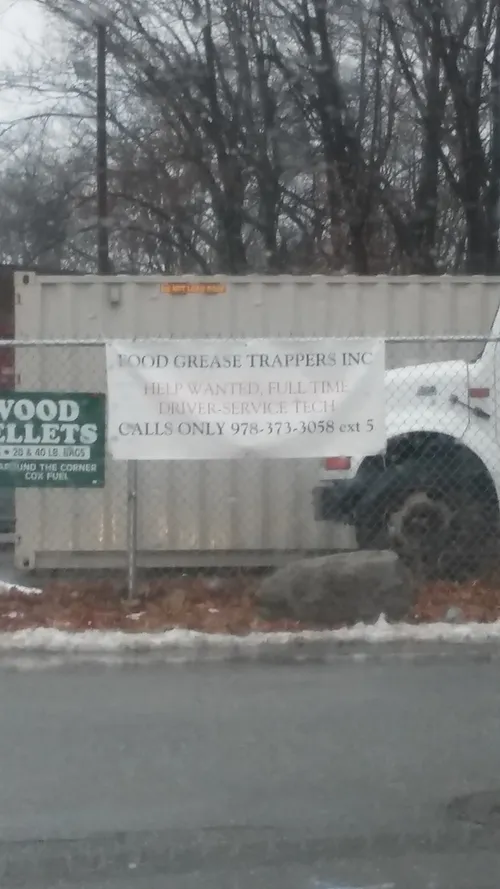
Food Grease Trappers Inc. is a grease trap cleaning and used cooking oil collection company based in Lowell, MA. They serve the food service industry across New England, providing grease trap maintenance and waste vegetable oil collection. The company has over 20 years of experience and focuses on environmentally responsible disposal methods, working with local partners to benefit the community. Food Grease Trappers emphasizes proper scheduling to accommodate clients' reopening plans amid easing restrictions.
Understanding Local Regulations for Grease Disposal
Navigating the rules for waste oil management is the first step for any Waltham restaurant. Compliance protects your business from fines and supports the city's wastewater system.
Waltham's FOG Program The City of Waltham enforces a Fats, Oils, and Grease (FOG) control program to prevent sewer blockages and overflows. This program mandates that food service establishments properly maintain grease traps and interceptors. A key requirement is maintaining detailed logs or receipts for all grease trap cleanings and used cooking oil collections. These records must be available for review by a City Inspector, demonstrating your ongoing compliance with local ordinances.
State Waste Oil Management Rules At the state level, the Massachusetts Department of Environmental Protection (MassDEP) sets guidelines for managing used oil. Storage containers and areas must be clearly marked with "Waste Oil" in one-inch letters. It's crucial to prevent mixing used cooking oil with other hazardous wastes, as this can complicate recycling and disposal. The state also emphasizes proper containment to prevent spills and environmental contamination.
Strict Prohibitions Both local and state regulations explicitly prohibit pouring used oil or grease down any drain, including sinks and floor drains. Disposing of grease with regular solid trash is also not permitted. Adherence to these rules is non-negotiable and forms the foundation of a responsible UCO management plan.
Best Practices for On-Site Storage and Handling
Proper handling and storage on your premises ensure safety, maintain oil quality for recycling, and facilitate efficient collection.
Choosing and Placing Containers Use only secure, leak-proof, and covered containers provided by or approved by your collection service. These are typically durable plastic bins or larger outdoor tanks. Storage areas should be accessible for pickup trucks-common locations include near back doors, loading docks, or other service entrances. The area should be well-ventilated and, for outdoor tanks, protected from the elements to prevent rainwater contamination, which can degrade the oil's value.
Safety and Quality Control Always allow cooking oil to cool below 120°F before transferring it to a storage container to prevent burns and damage to plastic bins 1. Implementing a simple filtering step to remove large food particles can significantly improve the quality of your oil. Cleaner oil is more valuable to recyclers and may qualify your business for better service terms or rebates. Keeping containers locked or in a secure area also helps prevent theft, as used oil has become a commodity 2.
The Collection and Recycling Process
Once your oil is stored, a licensed hauler will collect it. Understanding this process reveals how your waste is converted into new products.
Scheduled Pickups Reputable used cooking oil collection companies work on a regular schedule tailored to your volume. They will transfer the oil from your storage containers into their specialized collection trucks. It's important to ensure your containers are accessible at the scheduled time to avoid missed pickups.
From Waste to Resource After collection, the oil is transported to a rendering or processing facility. There, it undergoes purification to remove impurities. The cleaned oil is then a primary feedstock for the production of biodiesel, a renewable fuel that powers vehicles and heating systems 3. Increasingly, this oil is also being converted into Sustainable Aviation Fuel (SAF). Other end products can include industrial lubricants, animal feed ingredients, and cosmetic components 4. This circular economy model ensures the oil from your fryers gets a second life, reducing reliance on fossil fuels.
Find the perfect used cooking oil collection companies for your needs
Get personalized recommendations and expert advice
Evaluating Service Providers and Cost Structures
Selecting the right partner for grease collection is a business decision that affects your operations, compliance, and bottom line.
Key Providers Serving the Waltham Area Several established national and regional companies service the Greater Boston area, including Waltham. These include providers like Mahoney Environmental, Baker Commodities, Grease Connections, and Western Mass Rendering 5. When evaluating providers, confirm their service area includes Waltham, inquire about their licensing and compliance protocols, and assess the quality and reliability of their equipment (like tanks and pumps).
Understanding Pricing and Potential Revenue The cost structure for used cooking oil collection can vary. Some providers offer free pickup for establishments that generate a reliable volume of oil, as the value of the recycled commodity offsets their service cost. Others may charge a service fee, particularly for lower volumes or more frequent pickups 6 7. A significant factor is oil quality: restaurants that provide clean, well-filtered oil with minimal contamination are often eligible for rebate programs. These rebates can sometimes fully offset disposal fees or even generate a small revenue stream, turning a waste product into a minor asset 8 7.
Building a Compliant and Efficient System
Implementing a proactive plan streamlines operations and ensures continuous compliance.
Initial Steps for Restaurants
- Contact Local Recyclers: Reach out to two or three licensed collection services for assessments. Discuss your average oil volume, desired pickup frequency, and any equipment needs.
- Audit Storage and Labeling: Designate a clear storage area that meets safety and accessibility guidelines. Ensure all containers and the storage zone are properly labeled with "Waste Oil" as required 9.
- Establish Record-Keeping: Set up a dedicated log (digital or physical) to track every grease trap cleaning and every used oil pickup. File all service receipts together. This single practice is vital for passing a Waltham FOG program inspection 10.
- Train Your Staff: Educate kitchen staff on proper cooling, filtering, and transfer procedures to maintain oil quality and ensure workplace safety.
By integrating these practices, Waltham restaurants can manage their used cooking oil effectively, meeting regulatory obligations while contributing to a sustainable recycling economy.
Frequently asked questions
Sources
Footnotes
-
Used Cooking Oil Disposal: Complete Guide to Grease Pickups - https://greaseconnections.com/used-cooking-oil-disposal-guide-grease-pickups/ ↩
-
Restaurant Grease Collection in Boston - Baker Commodities - https://bakercommodities.com/our-locations/boston-ma/ ↩
-
Navigating Legal Requirements for Used Cooking Oil Disposal - https://bakercommodities.com/blog/2024/02/08/legal-requirement-used-cooking-grease/ ↩
-
How to Dispose of Cooking Grease as a Restaurant - Webstaurant Store - https://www.webstaurantstore.com/blog/4746/grease-removal-for-restaurants.html ↩
-
Restaurant Waste Cooking Oil and Recycling - http://www.westernmassrendering.com/Waste%20Cooking%20Oil%20Recycling.html ↩
-
Used Cooking Oil Pickup and Recycling Services in Boston MA - https://www.mahoneyes.com/waste-oil-pickup-recycling-boston-ma/ ↩
-
Restaurant Used Cooking Oil Recycling & Disposal Guide - https://greaseconnections.com/restaurant-used-cooking-oil-disposal-recycling-revenue-guide/ ↩ ↩2
-
Restaurant Grease Pick Up & Disposal Services in Boston MA - https://www.mahoneyes.com/fryer-oil-disposal-recycling-boston-ma/ ↩
-
Waste Oil Management - Mass.gov - https://www.mass.gov/info-details/waste-oil-management ↩
-
City of Waltham, MA Prohibited Discharges - eCode360 - https://ecode360.com/26935475 ↩