
Find the Best Used Cooking Oil Collection Companies for Your Business
No obligation • Fast responses • Nationwide coverage

Why you can trust Restaurant Waste Disposal
Restaurant Waste Disposal is a leading U.S. resource for comparing restaurant composting, food-waste recycling, grease trap cleaning, and used cooking oil collection services. Our editorial team researches providers, checks credentials, and organizes unbiased information so operators can make informed decisions. Companies cannot pay to change ratings or placement.
Search providers near you
Best Used Cooking Oil Collection Companies in Massachusetts Ranked
For restaurants and food service businesses in Massachusetts, managing used cooking oil (UCO) is more than just a routine cleanup task-it's a regulated process with specific environmental and legal requirements. The state enforces strict rules under the Commercial Food Material Disposal Ban, mandating proper storage, segregation, and recycling for many generators. Navigating these regulations while finding a reliable collection service is crucial for operational efficiency, cost management, and environmental compliance. This guide outlines the key steps for compliant UCO management, from on-site handling to selecting a licensed hauler, helping Massachusetts businesses turn a waste product into a resource responsibly.
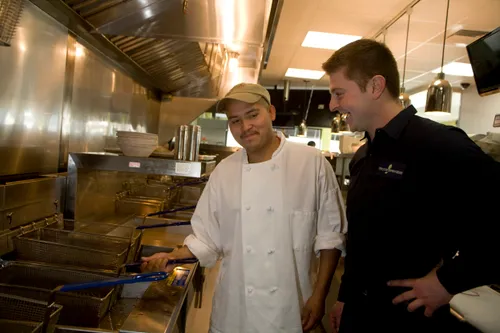
Lifecycle Renewables Inc
75 Industrial Ave, Tewksbury, MA 01876
Lifecycle Renewables Inc is a used cooking oil collection company based in Lowell, MA. They specialize in collecting used cooking oil from food service businesses, providing clean and respectful removal services. The company is known for its reliable pick-up service and high-quality containers, ensuring efficient oil collection.

Harmony Environmental Inc
7 Mineral Spring Ave, Ludlow, MA 01056
Harmony Environmental Inc is a family-owned food grease management company based in Springfield, MA. Serving Massachusetts and parts of Connecticut, they provide grease trap cleaning, used cooking oil collection, and grease interceptor maintenance for restaurants and institutions. Their services include line clearing and jetting to support grease management systems. Established in 2000 and under new management since 2007, Harmony Environmental focuses on environmentally responsible grease removal and recycling.
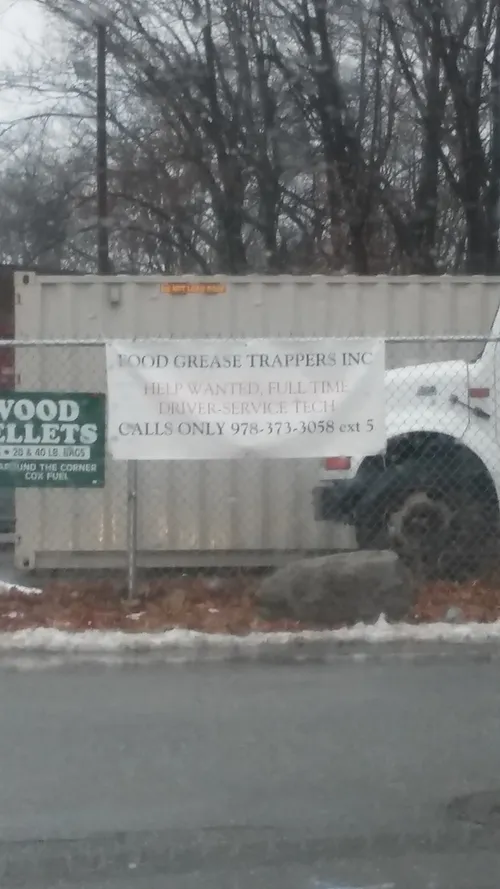
Food Grease Trappers Inc.
111 Quebec St, Lowell, MA 01852
Food Grease Trappers Inc. is a grease trap cleaning and used cooking oil collection company based in Lowell, MA. They serve the food service industry across New England, providing grease trap maintenance and waste vegetable oil collection. The company has over 20 years of experience and focuses on environmentally responsible disposal methods, working with local partners to benefit the community. Food Grease Trappers emphasizes proper scheduling to accommodate clients' reopening plans amid easing restrictions.
Understanding Massachusetts Regulations for Used Cooking Oil
Massachusetts has established a clear regulatory framework to ensure used cooking oil is handled as a resource, not a waste. The cornerstone is the Commercial Food Material Disposal Ban, which prohibits businesses that generate one-half ton or more of food waste per week from disposing of it in the trash 1. Since used cooking oil is a component of commercial food waste, this ban directly applies to many restaurants, institutional cafeterias, and food processors. The goal is to divert these materials to composting, animal feed operations, or anaerobic digestion facilities for beneficial reuse.
For used oil specifically, the Massachusetts Department of Environmental Protection (MassDEP) provides guidelines under its waste oil management rules. While UCO is not typically classified as a hazardous waste if kept pure, improper management can lead to violations. Key state requirements include:
- Generator Status: Your business's classification (e.g., Very Small, Small, or Large Quantity Generator of hazardous waste) can affect recordkeeping and management practices for associated wastes 2.
- Licensed Transport: You must use a licensed hauler or oil marketer to transport your used cooking oil off-site, especially if you are a Small or Large Quantity Generator.
- Recycling Mandate: The disposal ban effectively mandates recycling or beneficial reuse. Used cooking oil is a valuable feedstock for biodiesel production and other industrial applications.
On-Site Best Practices: Storage and Handling
Proper on-site management is the first and most critical step in compliance. It prevents environmental damage, reduces safety hazards, and ensures the oil remains suitable for recycling.
Containment and Storage: Always store cooled used cooking oil in dedicated, sturdy containers that are in good condition-free from rust, leaks, or structural weaknesses. Containers must be kept securely sealed when not in use to prevent spills and pests. Clearly label all containers with "Waste Oil" or "Used Cooking Oil" to avoid confusion.
Segregation is Critical: Never mix used cooking oil with other liquids. Combining UCO with solvents, gasoline, antifreeze, or other chemicals can contaminate the entire batch, potentially classifying it as hazardous waste and making recycling impossible. Maintain separate, clearly marked containers for different waste streams.
Prohibited Actions: It is illegal and harmful to pour used cooking oil down drains, into floor drains, storm sewers, or onto the ground. This practice leads to sewer blockages, sanitary sewer overflows, and water pollution 3 4. Compliance with these basic rules is non-negotiable for both legal and environmental reasons.
Choosing a Collection Service in Massachusetts
Selecting the right partner for used cooking oil collection is essential for seamless operations. Look for providers that offer more than just pickup; they should be partners in compliance and efficiency.
Verification of Credentials: The most important factor is ensuring your service provider is fully licensed by the Commonwealth of Massachusetts to collect and transport used cooking oil. A licensed hauler will have the proper insurance and documentation, providing you with the necessary paperwork (often called a manifest or bill of lading) to prove responsible disposal for your records 5 6. Always ask for proof of licensing.
Service Models and Equipment: Collection services offer different models to suit various business needs:
- Manual Pickups: The provider exchanges full barrels or containers for clean ones on a scheduled basis. This is common for lower-volume producers.
- Automated Systems: For higher-volume generators, services may install dedicated indoor or outdoor storage tanks with a "Direct Connect" system. These tanks are pumped out directly into the collection truck, minimizing labor, spill risk, and container handling for your staff. Discuss your average weekly output with potential providers to determine the most efficient and cost-effective setup for your kitchen.
Reliability and Scheduling: A reliable pickup schedule is vital to prevent overflow and storage issues. Inquire about the provider's typical service windows, their policy for emergency pickups if a container is unexpectedly filled, and their service area coverage within Massachusetts. Consistency is key to maintaining a clean and compliant back-of-house operation.
Find the perfect used cooking oil collection companies for your needs
Get personalized recommendations and expert advice
Cost Structure and Potential Revenue
The financial aspect of used cooking oil collection in Massachusetts can vary significantly based on your volume and the service model. Understanding the market can help you negotiate favorable terms.
Fee-Based Services: Many businesses, particularly those with lower volumes (e.g., under 100-500 gallons per month), will pay a service fee for collection. This fee can be structured as a per-gallon charge (which sources note can range from $0.10 to $0.40 per gallon) or as a flat monthly or per-pickup fee 7. This covers the cost of transportation, container provision, and recycling.
Revenue-Generating Potential: Larger restaurants, food processing plants, or institutions that generate high volumes of clean, uncontaminated used cooking oil may qualify for a revenue-sharing model. In these cases, the collection company purchases the oil as a commodity for biodiesel production. Payment rates fluctuate with the commodities market but have been noted in industry guides to range from approximately $0.25 to $0.65 per gallon 8 9. The key to qualifying for payment is consistently providing high-volume, high-quality oil that is free from water and other contaminants.
Equipment Costs: If you opt for an automated tank system, there may be an upfront installation cost or a monthly lease fee for the equipment. This investment often pays for itself through reduced labor, increased storage capacity, and potentially better rates from the collector due to efficiency 10.
Environmental Benefits and Compliance Synergy
Proper used cooking oil collection aligns with broader sustainability goals. Recycling UCO into biodiesel creates a renewable fuel that burns cleaner than petroleum diesel, reducing greenhouse gas emissions and dependence on fossil fuels. By partnering with a certified recycler, your business contributes directly to this circular economy.
Furthermore, a robust UCO management program helps you comply with other Massachusetts environmental initiatives. It satisfies a major component of the Commercial Food Material Disposal Ban and supports waste diversion goals. Demonstrating this responsible stewardship can enhance your business's green credentials with customers and the community.
Frequently asked questions
Sources
Footnotes
-
MassDEP tightens regulations on disposal of food waste from ... - https://business.burlingtonchamberofcommerce.org/news/details/massdep-tightens-regulations-on-disposal-of-food-waste-from-businesses ↩
-
Waste Oil Management - Mass.gov - https://www.mass.gov/files/waste_oil_management.pdf ↩
-
Waste Oil Management - Mass.gov - https://www.mass.gov/info-details/waste-oil-management ↩
-
Recycle Cooking Oil | weymouthma - https://www.weymouth.ma.us/trashrecycling/pages/recycle-cooking-oil ↩
-
Commercial Food Material Disposal Ban - Mass.gov - https://www.mass.gov/guides/commercial-food-material-disposal-ban ↩
-
Waste Oil, Used Oil Filters, and Waste Oil Space Heaters - Mass.gov - https://www.mass.gov/doc/automotive-service-repair-waste-oil-used-oil-filter-management/download ↩
-
Used Cooking Oil Pickup and Recycling Services in Boston MA - https://www.mahoneyes.com/waste-oil-pickup-recycling-boston-ma/ ↩
-
Restaurant Used Cooking Oil Recycling & Disposal Guide - https://greaseconnections.com/restaurant-used-cooking-oil-disposal-recycling-revenue-guide/ ↩
-
Used Cooking Oil Disposal: Complete Guide to Grease Pickups - https://greaseconnections.com/used-cooking-oil-disposal-guide-grease-pickups/ ↩
-
Restaurant Grease Pick Up & Disposal Services in Boston MA - https://www.mahoneyes.com/fryer-oil-disposal-recycling-boston-ma/ ↩