
Find the Best Used Cooking Oil Collection Companies for Your Business
No obligation • Fast responses • Nationwide coverage

Why you can trust Restaurant Waste Disposal
Restaurant Waste Disposal is a leading U.S. resource for comparing restaurant composting, food-waste recycling, grease trap cleaning, and used cooking oil collection services. Our editorial team researches providers, checks credentials, and organizes unbiased information so operators can make informed decisions. Companies cannot pay to change ratings or placement.
Search providers near you
Top Used Cooking Oil Collection Companies in Lowell, Massachusetts Ranked
For restaurants, cafeterias, and food service operations in Lowell, managing used cooking oil (UCO) is a critical operational and environmental responsibility. Properly handling this waste stream isn't just about compliance; it's a key component of sustainable kitchen management that can reduce costs and even generate potential revenue. By partnering with a licensed collection service, Lowell businesses ensure their waste vegetable oil is safely stored, regularly collected, and transformed into valuable resources like biodiesel, supporting both local regulations and broader green initiatives. This process turns a messy liability into a clean, efficient part of your back-of-house operations.
Lifecycle Renewables Inc
75 Industrial Ave, Tewksbury, MA 01876
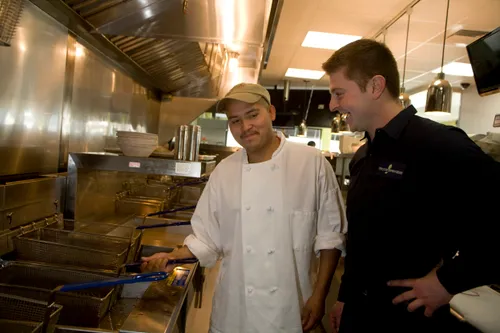
Lifecycle Renewables Inc is a used cooking oil collection company based in Lowell, MA. They specialize in collecting used cooking oil from food service businesses, providing clean and respectful removal services. The company is known for its reliable pick-up service and high-quality containers, ensuring efficient oil collection.
EcoOil Recycling
118 Exeter Rd, South Hampton, NH 03827
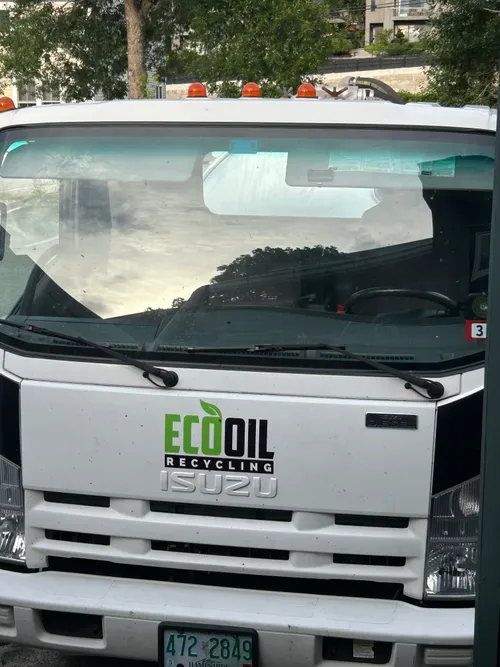
EcoOil Recycling is a locally owned company based near Lees Summit, MO, specializing in used cooking oil collection and grease trap cleaning. They operate within a 100-mile radius of their facility, providing licensed and trained professionals who focus on efficient and clean waste removal with minimal disruption. Their eco-friendly recycling process converts used cooking oil into biofuel, significantly reducing carbon emissions. EcoOil Recycling also offers grease trap cleaning services in compliance with local regulations and provides free containers with their oil collection service. They distribute Frontline Brand Systems, including Direct-Plumbed, Pump-Station, and Caddy systems for convenient oil storage and transfer.
Food Grease Trappers Inc.
111 Quebec St, Lowell, MA 01852
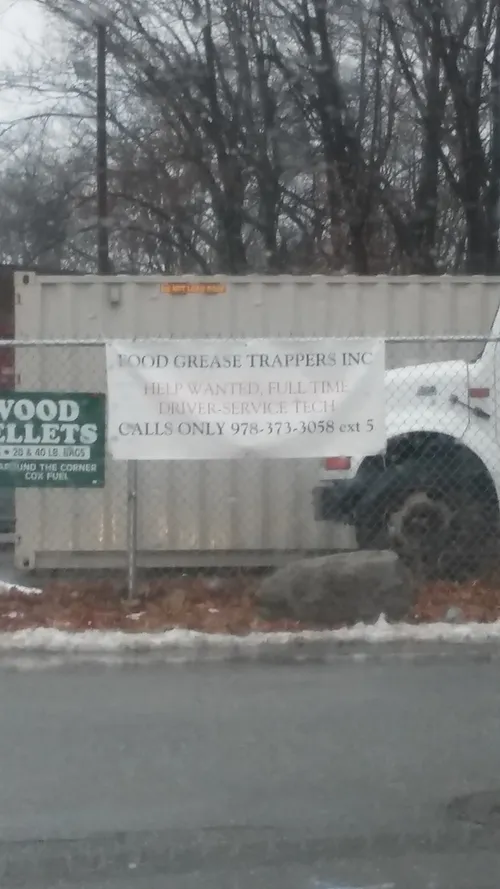
Food Grease Trappers Inc. is a grease trap cleaning and used cooking oil collection company based in Lowell, MA. They serve the food service industry across New England, providing grease trap maintenance and waste vegetable oil collection. The company has over 20 years of experience and focuses on environmentally responsible disposal methods, working with local partners to benefit the community. Food Grease Trappers emphasizes proper scheduling to accommodate clients' reopening plans amid easing restrictions.
Why Proper UCO Management Matters in Lowell
Improper disposal of waste fryer oil is more than just a nuisance-it can lead to significant problems for your business and the City of Lowell. Pouring oil down drains is a primary cause of sewer blockages and fatbergs, which can result in costly backups and potential fines from the Lowell Regional Wastewater Utility 1. Furthermore, Massachusetts state law strictly prohibits the improper disposal of waste oil, classifying it for recycling to protect waterways and infrastructure. Beyond avoiding penalties, responsible grease trap and oil management is a visible commitment to sustainability that more customers are looking for, enhancing your establishment's reputation as an environmentally conscious part of the community.
Understanding Massachusetts and Lowell Regulations
Navigating the rules is the first step to compliance. Massachusetts state regulations provide the framework, while local Lowell ordinances often focus on enforcement, particularly regarding drain protection.
Key State Requirements:
- Containment: Used cooking oil must be stored in dedicated, clearly labeled containers (e.g., "Waste Oil") on an impervious surface like concrete with no cracks. If you use an outdoor storage tank, it must be surrounded by a containment curb capable of holding 110% of the tank's volume to prevent spills from reaching the environment 2 3.
- No Mixing: Used cooking oil must not be mixed with other hazardous wastes, solvents, or garbage. Keeping the oil stream pure is essential for its recyclability and for regulatory compliance.
- Cooling: Oil should be cooled to a safe temperature (typically below 120°F) before being transferred to storage containers to prevent worker injuries.
Local Lowell Focus: While adhering to state rules, Lowell businesses must be particularly vigilant about never pouring grease or oil into sinks, floor drains, or outdoor storm sewers. Local inspections often target grease interceptors and kitchen plumbing to ensure compliance with sewer use ordinances, making a reliable collection service a key partner in avoiding violations.
The Step-by-Step Collection Process for Restaurants
Engaging a professional for fryer oil disposal streamlines what can be a messy and hazardous task into a scheduled, hands-off service.
- Contracting a Service: The process begins by selecting a licensed UCO recycler that services the Lowell area. They will assess your volume and needs.
- Providing Storage Equipment: The collector typically provides the storage container at no upfront cost. This could be a 40-55 gallon barrel for indoor use or a larger 110-300 gallon bin or tank for outdoor placement 4 5.
- Regular Pickups: On a scheduled basis (weekly, bi-weekly, or monthly), a trained technician arrives to pump the waste oil from your container directly into their specialized collection truck.
- Recycling & Documentation: The oil is transported to a processing facility where it is cleaned and converted into products like biodiesel or sustainable aviation fuel (SAF) 6. You receive documentation, such as a manifest or service ticket, which serves as your record for compliance and tracking.
Choosing a Collection Service in Lowell
Several reputable providers service the Greater Lowell area, including national operators like Mahoney Environmental and regional specialists like Grand Natural and Food Grease Trappers 7. When comparing services, consider the following:
- Licensing and Compliance: Verify the company is fully licensed and insured to operate in Massachusetts.
- Service Reliability: Look for providers with a track record of consistent, on-time pickups.
- Container Options: Ensure they can provide a storage solution that fits your kitchen's space and volume.
- Sustainability Commitment: Ask about the end destination for the oil. Reputable companies will have it processed into biofuel or other recycled products.
Find the perfect used cooking oil collection companies for your needs
Get personalized recommendations and expert advice
The Financials: Cost, Value, and Potential Revenue
The economics of waste oil pickup are often favorable for food service businesses. Many collection companies structure their pricing around volume.
- Free Pickup for Volume: It is common for providers to offer free collection services if your establishment generates a minimum monthly volume, often in the range of 40 gallons or more. The recycler's revenue comes from selling the processed oil to biofuel producers.
- Potential for Payment: For very high-volume producers, some recyclers may offer a revenue-sharing program, paying a rate per gallon for the used oil 8. The rates fluctuate with the commodities market for feedstocks.
- Cost Savings: Even if a small fee applies for lower volumes, the service eliminates disposal costs, reduces the risk of drain-related repairs, and can lower your frying costs by ensuring clean oil transfer practices. It also mitigates the risk of far greater fines for regulatory non-compliance.
Benefits Beyond Compliance
Implementing a professional used cooking oil collection system delivers tangible benefits to your daily operations:
- Enhanced Kitchen Safety: Removing hot, slippery oil handling from staff duties reduces the risk of burns, slips, and falls.
- Improved Sanitation: Secure, leak-proof containers prevent pests and eliminate greasy, unpleasant odors in storage areas.
- Operational Efficiency: Scheduled, professional pickups free up your staff's time and ensure waste management is consistently handled.
- Positive Environmental Impact: By recycling your UCO into biodiesel, your business directly contributes to reducing fossil fuel consumption and greenhouse gas emissions-a strong point for your marketing and community relations.
Best Practices for On-Site UCO Handling
To ensure a smooth and safe collection process, follow these guidelines in your kitchen:
- Designate a Storage Area: Choose a level, impervious surface near the fryers but out of high-traffic pathways for your collection bin.
- Use Proper Transfer Tools: Utilize funnels and dedicated pots or buckets to move cooled oil from fryers to the storage container, avoiding spills.
- Keep Lids Secure: Always keep the collection container lid closed when not in use to prevent contamination and odors.
- Communicate with Your Provider: Notify your collection company if your oil volume changes significantly or if you have any concerns about your container.
By understanding the regulations, process, and partners available, Lowell food service businesses can transform used cooking oil from a waste product into a stream of operational, financial, and environmental value.
Frequently asked questions
Sources
Footnotes
-
Used Cooking Oil Disposal: Complete Guide to Grease Pickups - https://greaseconnections.com/used-cooking-oil-disposal-guide-grease-pickups/ ↩
-
Waste Oil Management - Mass.gov - https://www.mass.gov/info-details/waste-oil-management ↩
-
Massachusetts - Waste Oil Regulations - NEWMOA - https://www.newmoa.org/wp-content/uploads/2022/07/MAoil.pdf ↩
-
Used Cooking Oil Pickup and Recycling Services in Boston MA - https://www.mahoneyes.com/waste-oil-pickup-recycling-boston-ma/ ↩
-
Used Cooking Oil Pickup and Recycling Services in Lowell - https://www.grandnatural.com/locations/used-cooking-oil-recycling-in-lowell.html ↩
-
Used Cooking Oil (UCO) Collection Service For Restaurants - https://thegreasecompany.com/blog/restaurant-used-cooking-oil-collection/ ↩
-
Grease Trap Maintenance & Waste Oil Collection - MA & NH - https://foodgreasetrappers.com/ ↩
-
Restaurant Used Cooking Oil: Disposal, Recycling & Revenue Guide - https://greaseconnections.com/restaurant-used-cooking-oil-disposal-recycling-revenue-guide/ ↩