
Find the Best Used Cooking Oil Collection Companies for Your Business
No obligation • Fast responses • Nationwide coverage

Why you can trust Restaurant Waste Disposal
Restaurant Waste Disposal is a leading U.S. resource for comparing restaurant composting, food-waste recycling, grease trap cleaning, and used cooking oil collection services. Our editorial team researches providers, checks credentials, and organizes unbiased information so operators can make informed decisions. Companies cannot pay to change ratings or placement.
Search providers near you
Top Used Cooking Oil Collection Companies in Revere, Massachusetts Ranked
For restaurants and food service businesses in Revere, managing used cooking oil (UCO) is a critical operational and environmental responsibility. Proper fryer oil disposal and waste grease recycling are not just about cleanliness; they are regulated activities that contribute to a circular economy, transforming waste into valuable resources like biodiesel and renewable fuels. Navigating the rules for storage, pickup, and recycling can be complex, but partnering with a professional service ensures compliance with local and state regulations while potentially turning a waste product into a revenue stream. This guide outlines the essential steps for compliant UCO management in Revere.
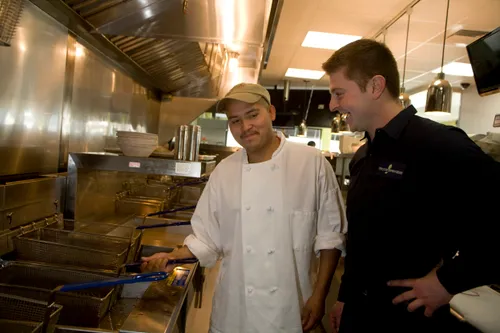
Lifecycle Renewables Inc
75 Industrial Ave, Tewksbury, MA 01876
Lifecycle Renewables Inc is a used cooking oil collection company based in Lowell, MA. They specialize in collecting used cooking oil from food service businesses, providing clean and respectful removal services. The company is known for its reliable pick-up service and high-quality containers, ensuring efficient oil collection.
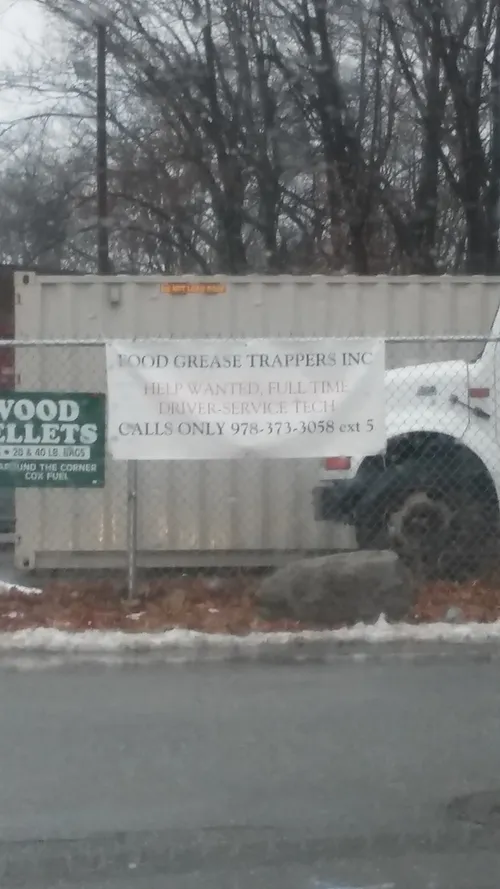
Food Grease Trappers Inc.
111 Quebec St, Lowell, MA 01852
Food Grease Trappers Inc. is a grease trap cleaning and used cooking oil collection company based in Lowell, MA. They serve the food service industry across New England, providing grease trap maintenance and waste vegetable oil collection. The company has over 20 years of experience and focuses on environmentally responsible disposal methods, working with local partners to benefit the community. Food Grease Trappers emphasizes proper scheduling to accommodate clients' reopening plans amid easing restrictions.
Understanding Local Regulations for Oil Disposal
In Revere, and throughout Massachusetts, used cooking oil is classified as a waste oil and is subject to specific management rules to protect public health and the environment. The City of Revere explicitly states that used cooking oil must not be placed in regular trash carts and cannot be poured down drains. This is to prevent sewer blockages, rodent infestations, and environmental contamination.
Instead, businesses must store their spent fryer oil in secure, watertight, and rodent-proof containers 1. These containers are then collected by licensed grease haulers or recyclers who are permitted to transport and process the material. Adhering to these guidelines is not optional; non-compliance can lead to fines and operational disruptions. Professional grease collection services are well-versed in these regulations and provide the necessary equipment and documentation to keep your business in good standing.
The Professional Collection and Recycling Process
Engaging a professional for your waste oil pickup streamlines operations and ensures the oil is handled correctly from start to finish. The standard process involves several key steps:
- On-Site Storage: After use, oil is drained into a dedicated, locked collection container or tank provided by your service provider. This secures the oil and prevents theft or tampering.
- Scheduled Pickup: Your provider will establish a regular collection schedule-weekly, bi-weekly, or monthly-based on your volume. They arrive with specialized trucks to pump out the used oil.
- Compliant Transport: The collected oil is transported by licensed carriers to a recycling facility. These facilities are equipped to process the material in an environmentally sound manner.
- Transformation into Biofuel: This is where the magic happens. At the recycling plant, the used cooking oil is cleaned and processed. It becomes a primary feedstock for producing biodiesel, renewable diesel, and even Sustainable Aviation Fuel (SAF), giving it a second life as a clean energy source.
Cost Structure and Potential Rebates
The financial model for used cooking oil collection is unique. Unlike many waste streams that incur a disposal fee, UCO has inherent value. Many providers offer their services based on this value, which means costs can vary significantly.
- Free Pickup Services: It is common for restaurants generating lower volumes (typically under 100 gallons per month) to receive free pickup and recycling services. The recycler profits from the commodity value of the oil, so they cover the cost of collection 2.
- Rebate Programs: For establishments with higher output, the model often shifts to a rebate system. The restaurant can earn money back based on the quantity and quality of oil provided. Rebates are typically paid per gallon and can range from $0.10 to over $0.65, depending on market conditions and volume 3 4.
- Volume is Key: Your negotiation power directly correlates with your monthly output. A high-volume restaurant (e.g., 500+ gallons per month) can often secure the best rebate rates, potentially generating meaningful revenue or offsetting other service costs.
Find the perfect used cooking oil collection companies for your needs
Get personalized recommendations and expert advice
Integrating Grease Trap Maintenance
A comprehensive kitchen waste management plan must address both used cooking oil and grease trap waste. They are interconnected yet separate streams. Grease traps and interceptors capture fats, oils, and grease (FOG) from wastewater before it enters the sewer system. Revere's Health Department mandates that grease traps be pumped out when they reach one-quarter (25%) of their capacity to remain effective 5.
State codes also specify design standards, such as a minimum depth of four feet and capacities often exceeding 1,000 gallons for larger establishments 6. While your UCO collector may also offer grease trap cleaning services, they are usually billed separately. Expect to pay a fee for this essential maintenance, which is typically performed on a monthly or quarterly schedule to prevent backups, odors, and regulatory violations. When evaluating providers, inquire about bundled service options for both UCO collection and grease trap pumping to simplify your vendor management.
Choosing a Service Provider in Revere
Selecting the right partner for your oil recycling needs is crucial. Look for a licensed and insured hauler with a strong reputation for reliability and compliance. Key considerations include:
- Licensing & Compliance: Ensure the provider is fully licensed by the state of Massachusetts for waste oil transportation and can supply you with the necessary documentation (manifests) for your records 7.
- Equipment Provision: A good provider will supply and maintain the outdoor storage containers or tanks, ensuring they are secure, clean, and in good working order.
- Service Flexibility: Your business needs may change. Choose a provider that can adjust pickup frequency and has the capacity to handle your volume, whether you run a small diner or a large banquet hall 8.
- Transparent Pricing: Whether it's a free pickup, a rebate schedule, or a clear fee structure for grease trap service, all costs and potential earnings should be clearly communicated upfront.
Reach out to several local providers to discuss your specific operation. They can assess your volume, provide equipment, and give you a clear quote that outlines all services, costs, and potential rebates for your used cooking oil 9 10.
The Environmental Impact of Proper Recycling
Beyond compliance and cost, proper used cooking oil collection has a profound positive environmental impact. When UCO is recycled into biodiesel and renewable diesel, it directly displaces fossil fuels. These biofuels burn cleaner, reducing greenhouse gas emissions and particulate matter compared to traditional petroleum diesel 11.
Furthermore, by ensuring oil is recycled and not dumped, we prevent it from contaminating soil and waterways. Every gallon of used oil collected in Revere represents a step toward a more sustainable local economy and a contribution to regional and national renewable fuel goals. It's a clear example of how responsible business practices can support broader environmental objectives.
Frequently asked questions
Sources
Footnotes
-
Revere Trash & Recycling Program - Cooking oil - https://www.revere.org/trash#!rc-cpage=383874 ↩
-
Used Cooking Oil Disposal: Complete Guide to Grease Pickups - https://greaseconnections.com/used-cooking-oil-disposal-guide-grease-pickups/ ↩
-
Restaurant Used Cooking Oil Recycling & Disposal Guide - https://greaseconnections.com/restaurant-used-cooking-oil-disposal-recycling-revenue-guide/ ↩
-
Restaurant Waste Cooking Oil and Recycling - http://www.westernmassrendering.com/Waste%20Cooking%20Oil%20Recycling.html ↩
-
Grease Trap Management - City of Revere, Massachusetts - https://www.revere.org/departments/health/greasetrap ↩
-
Massachusetts Codes and Regulations Regarding Grease Traps - https://foodgreasetrappers.com/2021/03/massachusetts-codes-and-regulations-regarding-grease-traps/ ↩
-
Waste Oil Management - Mass.gov - https://www.mass.gov/info-details/waste-oil-management ↩
-
Used Cooking Oil Pickup vs Drop-Off - GreasePros Recycling - https://www.greaseprosrecycling.com/used-cooking-oil-pickup-vs-drop-off/ ↩
-
Restaurant Grease Pick Up & Disposal Services in Boston MA - https://www.mahoneyes.com/fryer-oil-disposal-recycling-boston-ma/ ↩
-
Used Cooking Oil Pickup and Recycling Services in Boston MA - https://www.mahoneyes.com/waste-oil-pickup-recycling-boston-ma/ ↩
-
What Happens To The Used Cooking Oil Once It Leaves Your ... - https://www.grandnatural.com/blog/what-happens-to-the-used-cooking-oil-once-it-leaves-your-restaurant.html ↩