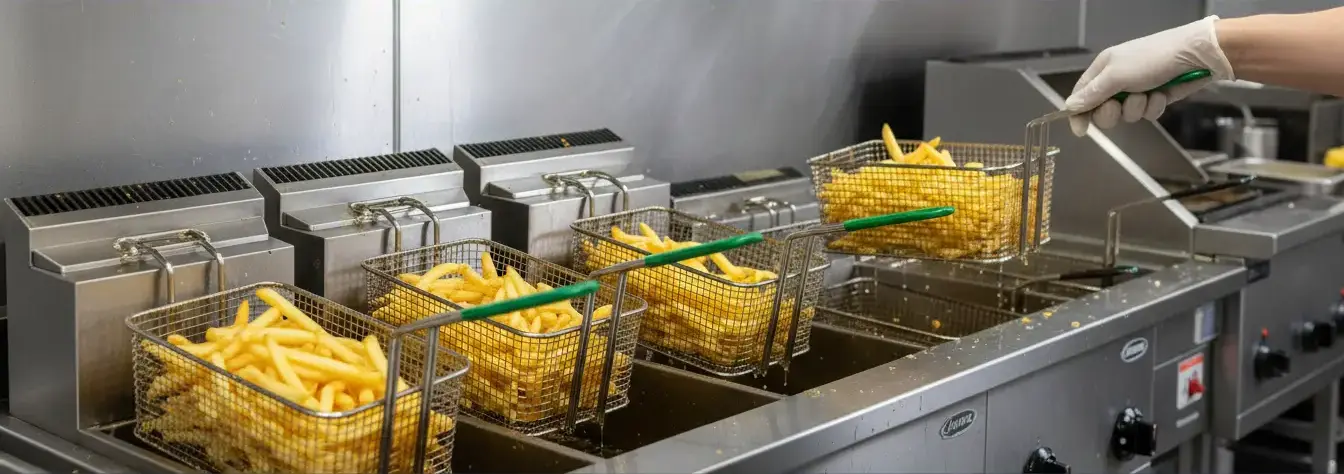
Find the Best Used Cooking Oil Collection Companies for Your Business
No obligation • Fast responses • Nationwide coverage

Why you can trust Restaurant Waste Disposal
Restaurant Waste Disposal is a leading U.S. resource for comparing restaurant composting, food-waste recycling, grease trap cleaning, and used cooking oil collection services. Our editorial team researches providers, checks credentials, and organizes unbiased information so operators can make informed decisions. Companies cannot pay to change ratings or placement.
Search providers near you
Top Used Cooking Oil Collection Companies in Peabody, Massachusetts Ranked
For restaurants in Peabody, managing used cooking oil (UCO) is a critical operational and environmental responsibility. Proper grease collection and recycling are not only mandated by state law but also transform a waste product into a valuable commodity. By partnering with a licensed hauler, food service establishments can ensure compliance, enhance kitchen safety, and potentially offset costs through rebate programs. This guide outlines the essential steps, regulations, and service options for effective UCO management in the city.
Lifecycle Renewables Inc
75 Industrial Ave, Tewksbury, MA 01876
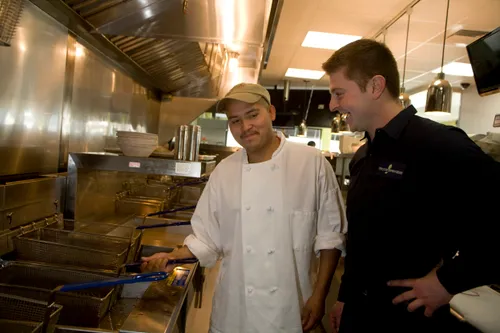
Lifecycle Renewables Inc is a used cooking oil collection company based in Lowell, MA. They specialize in collecting used cooking oil from food service businesses, providing clean and respectful removal services. The company is known for its reliable pick-up service and high-quality containers, ensuring efficient oil collection.
EcoOil Recycling
118 Exeter Rd, South Hampton, NH 03827
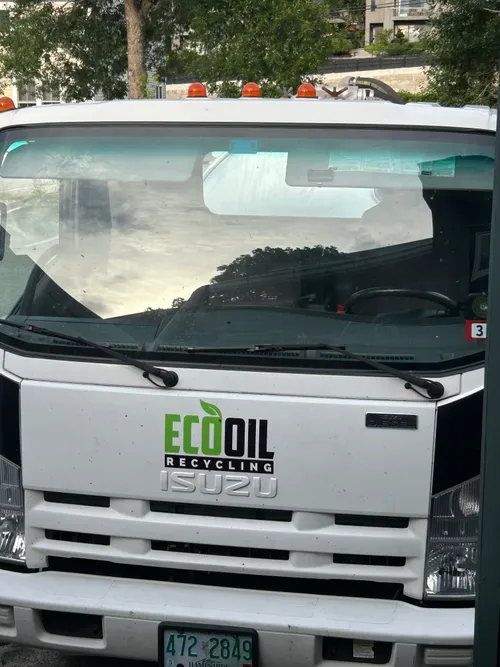
EcoOil Recycling is a locally owned company based near Lees Summit, MO, specializing in used cooking oil collection and grease trap cleaning. They operate within a 100-mile radius of their facility, providing licensed and trained professionals who focus on efficient and clean waste removal with minimal disruption. Their eco-friendly recycling process converts used cooking oil into biofuel, significantly reducing carbon emissions. EcoOil Recycling also offers grease trap cleaning services in compliance with local regulations and provides free containers with their oil collection service. They distribute Frontline Brand Systems, including Direct-Plumbed, Pump-Station, and Caddy systems for convenient oil storage and transfer.
Food Grease Trappers Inc.
111 Quebec St, Lowell, MA 01852
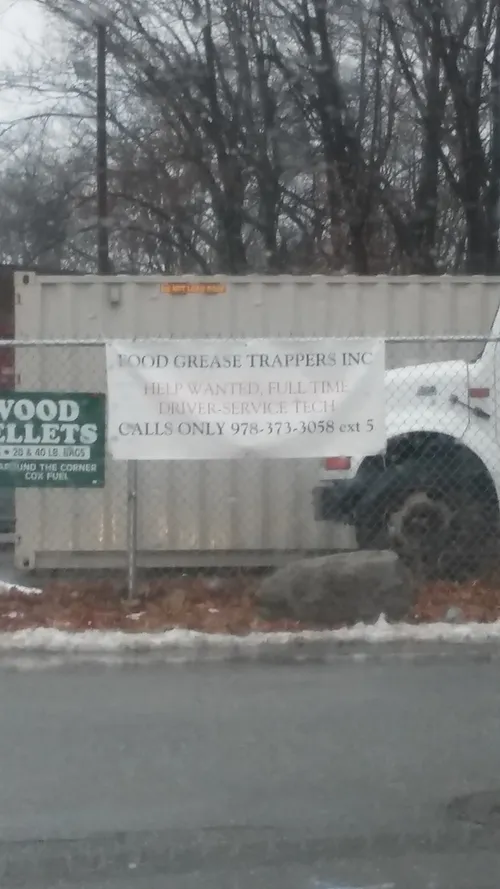
Food Grease Trappers Inc. is a grease trap cleaning and used cooking oil collection company based in Lowell, MA. They serve the food service industry across New England, providing grease trap maintenance and waste vegetable oil collection. The company has over 20 years of experience and focuses on environmentally responsible disposal methods, working with local partners to benefit the community. Food Grease Trappers emphasizes proper scheduling to accommodate clients' reopening plans amid easing restrictions.
Understanding Massachusetts' Organic Waste Ban
The foundation of used cooking oil recycling in Peabody is the Massachusetts Department of Environmental Protection (MassDEP) commercial food material disposal ban. As of November 2022, businesses that generate one-half ton or more of organic waste per week are prohibited from disposing of it in the trash 1. This includes all used cooking oil and grease. The ban is designed to divert organic material from landfills and incinerators, reducing greenhouse gas emissions and supporting the state's recycling goals. For most medium-to-large restaurants, this regulation makes establishing a formal UCO recycling program a legal requirement, not just a best practice.
Best Practices for On-Site Oil Storage and Handling
Proper containment is the first and most crucial step in a safe and compliant oil collection system. Adhering to these guidelines prevents environmental contamination, avoids costly plumbing issues, and ensures a smooth pickup process for your hauler.
- Use Approved, Secure Containers: Used fryer oil should be filtered and transferred into dedicated, leak-proof containers provided by your recycling service. These are typically durable plastic or steel bins ranging from 40 to 300 gallons in capacity. To prevent theft and contamination, these containers should be equipped with locking lids.
- Ensure a Proper Location: Containers must be stored on an impervious surface, such as concrete or asphalt, to contain any potential spills and prevent oil from seeping into the ground 2. An accessible outdoor location near your kitchen's rear exit is standard, though some providers offer indoor systems that pipe oil directly to an outdoor storage tank.
- Never Pour Oil Down Drains: It is illegal and highly damaging to pour used cooking oil, grease, or even starchy water down sinks or floor drains. This practice leads to severe sewer blockages, contributes to "fatbergs," and can result in significant fines from the local water authority 3 4. The grease interceptor (grease trap) is designed for FOG (fats, oils, grease) from dishwashing, not for bulk liquid oil disposal.
The Step-by-Step Collection and Recycling Process
A well-managed UCO program follows a consistent cycle from your fryer to its new life as a renewable fuel.
- Collection: Kitchen staff carefully filter and pour cooled used oil from fryers into the designated storage bin. Some advanced, automated systems use direct-connect piping to transfer oil, minimizing manual handling and spill risk.
- Storage: The oil is safely stored in the locked, outdoor container until the scheduled pickup day.
- Pickup: A licensed used cooking oil hauler arrives on a regular schedule (weekly, bi-weekly, or monthly) to pump the oil from your container into their specialized collection truck.
- Recycling & Processing: The collected oil is transported to a processing facility where it is cleaned and refined. The primary end product is biodiesel, a renewable, cleaner-burning diesel alternative.
- Documentation: Reputable haulers provide documentation, such as waste tracking manifests (bills of lading), which serve as proof of proper recycling for regulatory compliance audits.
Cost Structure and Potential Revenue from Used Oil
The financial model for used cooking oil collection is unique because the material has inherent value. Service terms often depend on your establishment's monthly oil volume.
- Free Collection with Potential Rebates: High-volume restaurants (e.g., those using 150+ gallons of oil per month) typically receive collection services and containers at no charge. In many cases, the restaurant may even receive a rebate check, as the hauler profits from selling the oil to biodiesel processors 5. The value of the oil fluctuates with commodity markets but can range from $1.50 to $3.00 per gallon 5.
- Fee-Based Services: Lower-volume establishments, such as small cafes or pubs, may incur a service fee for pickup. These fees can range from approximately $50 to $150 per collection, depending on the hauler and the frequency of service 6. Some companies offer a hybrid model with a small fee offset by a per-gallon payment for the oil.
- Equipment Considerations: Standard service includes a standard container. For kitchens seeking greater efficiency, some providers offer premium solutions like heated outdoor tanks that prevent oil from solidifying in cold weather or fully automated management systems.
Find the perfect used cooking oil collection companies for your needs
Get personalized recommendations and expert advice
Leading Service Providers in the Peabody Area
Several established companies offer reliable used cooking oil collection services in the North Shore and Greater Boston area, including Peabody. It's advisable to contact multiple providers for a site assessment and a tailored quote.
- Mahoney Environmental: A national provider with local service, Mahoney offers comprehensive UCO pickup, recycling, and compliance support. They provide both indoor and outdoor container systems and handle all necessary documentation 7 8.
- Restaurant Technologies: This company specializes in automated cooking oil management. They install closed-system equipment that handles fresh oil delivery and used oil collection, minimizing kitchen labor and safety hazards. Their service includes full program management and recycling 9.
- Grease Pros Recycling: A service-focused hauler that emphasizes customer support, offering free containers, flexible scheduling, emergency service, and detailed compliance documentation to help restaurants meet MassDEP requirements 10.
Compliance and Documentation Requirements
Maintaining records is a key part of regulatory compliance. Under MassDEP's waste oil management rules, generators must ensure their used oil is transported by a licensed hauler to a permitted recycling facility 11. You should receive a bill of lading or manifest for every pickup, which details the quantity collected, the date, and the destination facility. Retain these records for at least three years as proof of proper recycling. Your hauler should be able to provide guidance and documentation templates to simplify this process.
The Environmental and Community Impact
Choosing to recycle used cooking oil has a positive impact that extends beyond your restaurant's back door. When UCO is converted into biodiesel, it reduces reliance on fossil fuels and lowers greenhouse gas emissions compared to petroleum diesel. Furthermore, by preventing oil from entering landfills or the sewer system, your business helps protect local waterways and municipal infrastructure. Participating in this circular economy is a tangible demonstration of corporate environmental responsibility that resonates with an increasingly eco-conscious customer base in Peabody.
Frequently asked questions
Sources
Footnotes
-
Commercial Food Material Disposal Ban | Mass.gov - https://www.mass.gov/guides/commercial-food-material-disposal-ban ↩
-
Grease Trap Regulations - Millis MA | - https://www.millisma.gov/board-health/files/grease-trap-regulations ↩
-
Fats, Oil, Grease Program Guidelines and Manual - Plymouth.ma-gov - https://plymouth-ma.gov/DocumentCenter/View/9307/FOG-Guidance ↩
-
Grease Collection Service: What is it - Grand Natural Inc - https://www.grandnaturalinc.com/blog/what-is-grease-collection-service.html ↩
-
Restaurant Used Cooking Oil Recycling & Disposal Guide - https://greaseconnections.com/restaurant-used-cooking-oil-disposal-recycling-revenue-guide/ ↩ ↩2
-
Used Cooking Oil Disposal: Complete Guide to Grease Pickups - https://greaseconnections.com/used-cooking-oil-disposal-guide-grease-pickups/ ↩
-
Restaurant Grease Pick Up & Disposal Services in Boston MA - https://www.mahoneyes.com/fryer-oil-disposal-recycling-boston-ma/ ↩
-
Used Cooking Oil Pickup and Recycling Services in Boston MA - https://www.mahoneyes.com/waste-oil-pickup-recycling-boston-ma/ ↩
-
Cooking Oil Recycling & Disposal Boston - Restaurant Technologies - https://www.rti-inc.com/boston/ ↩
-
Used Cooking Oil Pickup vs Drop-Off-What's Best for Restaurants? - https://www.greaseprosrecycling.com/used-cooking-oil-pickup-vs-drop-off/ ↩
-
Waste Oil Management - Mass.gov - https://www.mass.gov/info-details/waste-oil-management ↩