Find the Best Used Cooking Oil Collection Companies for Your Business
No obligation • Fast responses • Nationwide coverage

Why you can trust Restaurant Waste Disposal
Restaurant Waste Disposal is a leading U.S. resource for comparing restaurant composting, food-waste recycling, grease trap cleaning, and used cooking oil collection services. Our editorial team researches providers, checks credentials, and organizes unbiased information so operators can make informed decisions. Companies cannot pay to change ratings or placement.
Search providers near you
Top Used Cooking Oil Collection Companies in Newton, Massachusetts Ranked
For restaurants and food service establishments in Newton, managing used cooking oil (UCO) is a critical operational and environmental responsibility. Proper disposal of this waste grease is not just a best practice-it's a legal requirement in Massachusetts, designed to protect the city's sewer infrastructure and support broader sustainability goals like biodiesel production. An effective grease management program involves secure on-site storage, scheduled pickups by licensed haulers, and certified recycling, turning a potential waste liability into a resource. This guide outlines the essential steps, local regulations, and practical considerations for establishing a compliant and cost-effective used cooking oil collection system in Newton.

Lifecycle Renewables Inc
75 Industrial Ave, Tewksbury, MA 01876
Lifecycle Renewables Inc is a used cooking oil collection company based in Lowell, MA. They specialize in collecting used cooking oil from food service businesses, providing clean and respectful removal services. The company is known for its reliable pick-up service and high-quality containers, ensuring efficient oil collection.
Food Grease Trappers Inc.
111 Quebec St, Lowell, MA 01852
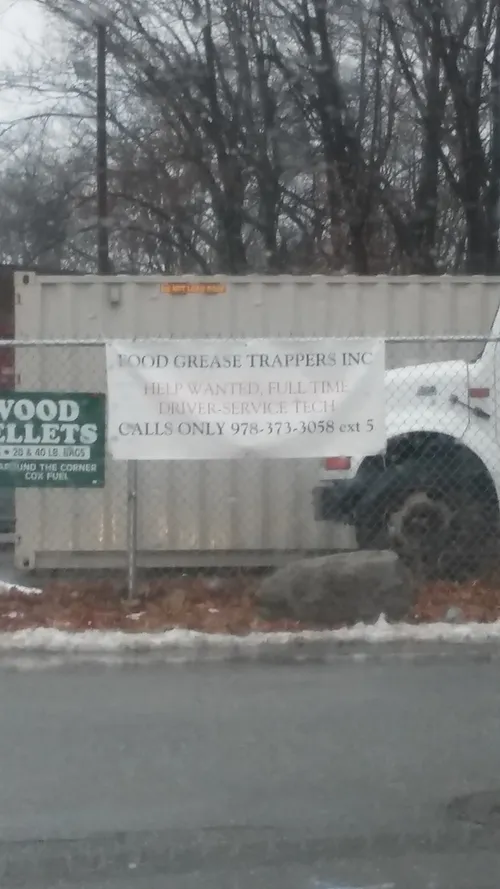
Food Grease Trappers Inc. is a grease trap cleaning and used cooking oil collection company based in Lowell, MA. They serve the food service industry across New England, providing grease trap maintenance and waste vegetable oil collection. The company has over 20 years of experience and focuses on environmentally responsible disposal methods, working with local partners to benefit the community. Food Grease Trappers emphasizes proper scheduling to accommodate clients' reopening plans amid easing restrictions.
Understanding Local Regulations for Waste Oil
Newton restaurants operate under a combination of state mandates and local ordinances that strictly govern waste oil handling. Massachusetts law classifies used cooking oil as a "waste oil" that requires proper management, prohibiting disposal in drains, sewers, or regular trash 1. Pouring oil down drains is a primary cause of "fatbergs"-massive congealed blockages in sewer systems-which can lead to costly backups, environmental damage, and significant fines for the responsible business.
Furthermore, Newton's Sustainable Food & Beverage Ordinance adds an additional layer of environmental focus, encouraging practices that reduce waste and increase recycling 2. Compliance means working with a licensed hauler who can provide documentation, such as recycling certificates, proving the oil was collected and processed properly. This documentation is crucial for demonstrating adherence to both state guidelines and local Newton regulations during inspections.
Essential Components of On-Site Oil Storage
Proper storage is the first and most important step in a safe collection process. It prevents accidents, maintains oil quality, and ensures efficient pickup.
- Designated Containers: Licensed haulers typically provide specialized collection bins, often ranging from 40 to 300 gallons in capacity 3. These containers are leak-proof, have tight-sealing lids, and are clearly labeled. They must be stored on a stable, level surface, either indoors or in a secure outdoor area to prevent theft and contamination.
- Safety First - Cool Before Handling: Oil must be allowed to cool to a safe temperature (typically below 120°F) before being transferred from fryers to storage containers. This prevents severe burns and avoids damaging the plastic storage bins 4.
- Preventing Contamination: The value and recyclability of the oil depend on its purity. Storage containers should only hold used cooking oil from food preparation. Water, food debris, soap, or other chemicals should never be mixed in, as they severely degrade the oil's quality and market value.
The Grease Collection and Recycling Workflow
A typical used cooking oil service follows a structured process from your kitchen to its new life as a recycled product.
- Scheduling & Service: After contracting with a provider, you'll establish a regular pickup schedule-weekly, bi-weekly, or monthly-based on your volume of oil production 5.
- Collection Visit: On the scheduled day, a service technician will pump the oil from your storage container directly into a dedicated collection truck.
- Transport & Processing: The collected oil is transported to a processing facility. There, it undergoes filtration to remove food particles and impurities.
- Transformation into New Products: The cleaned oil is a valuable feedstock. Primarily, it is converted into biodiesel, a renewable fuel. It can also be used in the production of animal feed, soaps, and industrial lubricants.
- Documentation: Reputable haulers provide a service ticket or certificate of recycling for your records, which is your proof of compliant disposal.
Complementing Oil Collection with Grease Trap Maintenance
It's vital to distinguish between used cooking oil (from fryers and pans) and Fats, Oils, and Grease (FOG) that goes down the drain from dishwashing and cleaning. While UCO is collected from dedicated bins, FOG is managed through an interior grease trap or grease interceptor. Regular professional cleaning of this trap is a separate but equally essential service to prevent drain clogs within your own plumbing and to comply with sewer system regulations 6 7. Many full-service providers offer both used cooking oil collection and grease trap cleaning, allowing for streamlined waste management.
Financial Considerations: Cost, Revenue, and Value
The economics of used cooking oil collection in Newton can vary, often turning a waste stream into a small revenue source.
- Free Service & Potential Payment: For restaurants generating sufficient volume (often more than 40 gallons per month), many collection companies offer free pickups, free storage containers, and may even pay for the oil 8 9. Payment rates can fluctuate but often range from $0.10 to $0.65 per gallon, depending on the quality of the oil and market conditions 10 11.
- Fee-Based Services: Establishments with lower oil output may incur a service fee for pickups. Some providers offset this by offering service credits if you also use their grease trap cleaning or other maintenance services 12.
- The High Cost of Non-Compliance: It's important to view any potential fee in context. The cost of a professional collection service is typically far less than the fines levied for illegal dumping or the plumbing expenses resulting from drain blockages 13 14.
Find the perfect used cooking oil collection companies for your needs
Get personalized recommendations and expert advice
Choosing a Service Provider in Newton
Selecting the right partner is key to a hassle-free and compliant program. Look for a provider that is fully licensed and insured to operate in Massachusetts and the City of Newton. Experience with local regulations and the ability to supply the necessary compliance documentation is non-negotiable 15. Evaluate their service offerings: do they provide sturdy, secure containers? Is their pickup schedule reliable? Can they handle both your used cooking oil and grease trap cleaning needs? Finally, be clear on the financial terms-whether it's a paid-for, free, or fee-based service-and how oil quality impacts those terms. Established national and regional companies like Mahoney Environmental and Baker Commodities have local operations serving the Boston area, including Newton 16.
Best Practices for Restaurant Managers
To maximize safety, efficiency, and revenue from your used cooking oil program, adhere to these operational tips:
- Implement a Cooling Station: Designate a safe area with stable, heat-resistant containers for oil to cool before transferring it to the main collection bin.
- Train Your Staff: Ensure all kitchen employees understand the procedures for handling, cooling, and storing oil, as well as the importance of keeping contaminants out.
- Maintain Your Storage Area: Keep the area around your outdoor collection bin clear of debris and snow to allow easy access for service technicians. Report any damaged or leaking containers to your provider immediately.
- Keep Good Records: File all service receipts and recycling certificates in one place. This makes it easy to demonstrate compliance and track your service history.
By implementing a robust used cooking oil collection system, Newton restaurants not only meet their legal obligations but also actively contribute to the city's sustainability initiatives, support the circular economy, and can improve their bottom line.
Frequently asked questions
Sources
Footnotes
-
Waste Oil Management - Mass.gov - https://www.mass.gov/info-details/waste-oil-management ↩
-
Sustainable Food & Beverage Serviceware, Packaging & Single Use ... - https://www.newtonma.gov/government/health-human-services/sustainable-food-beverage-serviceware-packaging-single-use-items-ordinance ↩
-
Used Cooking Oil Disposal: Complete Guide to Grease Pickups - https://greaseconnections.com/used-cooking-oil-disposal-guide-grease-pickups/ ↩
-
Restaurant Oil Disposal: Explained - Eazy Grease - https://eazygrease.com/how-do-restaurants-get-rid-of-their-oil/ ↩
-
Used Cooking Oil Pickup vs Drop-Off-What's Best for Restaurants? - https://www.greaseprosrecycling.com/used-cooking-oil-pickup-vs-drop-off/ ↩
-
Restaurant Grease Pick Up & Disposal Services in Boston MA - https://www.mahoneyes.com/fryer-oil-disposal-recycling-boston-ma/ ↩
-
Restaurant Used Cooking Oil (Grease) Collection & Recycling - https://greasemanagement.org/restaurants.html ↩
-
Grease Collection Service: What is it - https://www.grandnaturalinc.com/blog/what-is-grease-collection-service.html ↩
-
Used Cooking Oil (UCO) Collection Service For Restaurants - https://thegreasecompany.com/blog/restaurant-used-cooking-oil-collection/ ↩
-
Restaurant Used Cooking Oil Recycling & Disposal Guide - https://greaseconnections.com/restaurant-used-cooking-oil-disposal-recycling-revenue-guide/ ↩
-
How Much Is Used Cooking Oil Worth | October 2024 - https://liquidrecover.com/how-much-is-used-cooking-oil-worth/ ↩
-
Used Cooking Oil Pickup vs Drop-Off-What's Best for Restaurants? - https://www.greaseprosrecycling.com/used-cooking-oil-pickup-vs-drop-off/ ↩
-
Used Cooking Oil Pickup and Recycling Services in Boston MA - https://www.mahoneyes.com/waste-oil-pickup-recycling-boston-ma/ ↩
-
How to Recycle Used Cooking Oil and Grease - Mopac - https://mopac.com/2024/02/12/how-to-recycle-used-cooking-oil-and-grease-for-residents-and-restaurants-3/ ↩
-
Navigating Legal Requirements for Used Cooking Oil Disposal - https://bakercommodities.com/blog/2024/02/08/legal-requirement-used-cooking-grease/ ↩
-
Restaurant Grease Recycling In Boston, MA - https://bakercommodities.com/our-locations/boston-ma/ ↩