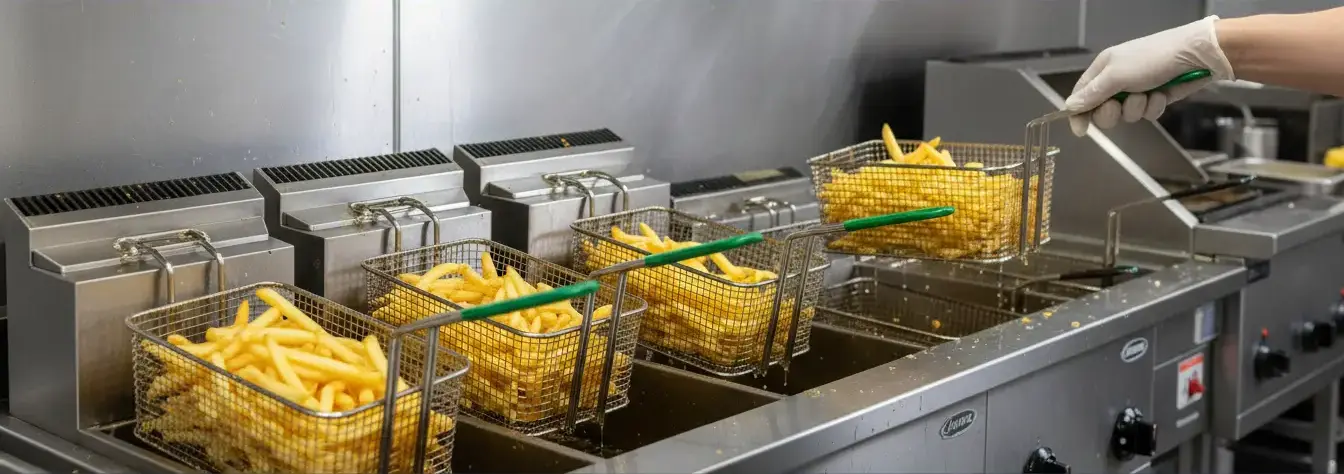
Find the Best Used Cooking Oil Collection Companies for Your Business
No obligation • Fast responses • Nationwide coverage

Why you can trust Restaurant Waste Disposal
Restaurant Waste Disposal is a leading U.S. resource for comparing restaurant composting, food-waste recycling, grease trap cleaning, and used cooking oil collection services. Our editorial team researches providers, checks credentials, and organizes unbiased information so operators can make informed decisions. Companies cannot pay to change ratings or placement.
Search providers near you
Top Used Cooking Oil Collection Companies in Methuen, Massachusetts Ranked
For restaurants in Methuen, managing used cooking oil (UCO) is a critical operational and environmental responsibility. Proper grease collection and recycling not only ensure compliance with Massachusetts regulations but also transform a waste product into valuable biofuels like biodiesel and renewable diesel. By partnering with a licensed collection service, food service establishments can streamline their waste management, mitigate risks of clogged drains and environmental contamination, and potentially turn a cost center into a source of revenue or rebates. This guide outlines the essential steps, best practices, and local considerations for effective used cooking oil management in Methuen.
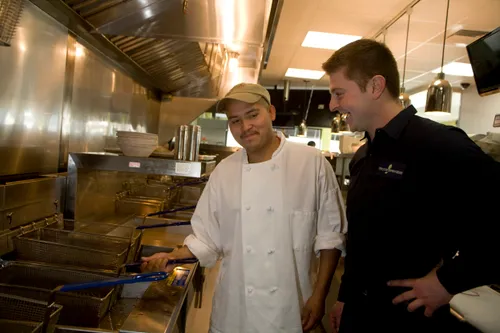
Lifecycle Renewables Inc
75 Industrial Ave, Tewksbury, MA 01876
Lifecycle Renewables Inc is a used cooking oil collection company based in Lowell, MA. They specialize in collecting used cooking oil from food service businesses, providing clean and respectful removal services. The company is known for its reliable pick-up service and high-quality containers, ensuring efficient oil collection.
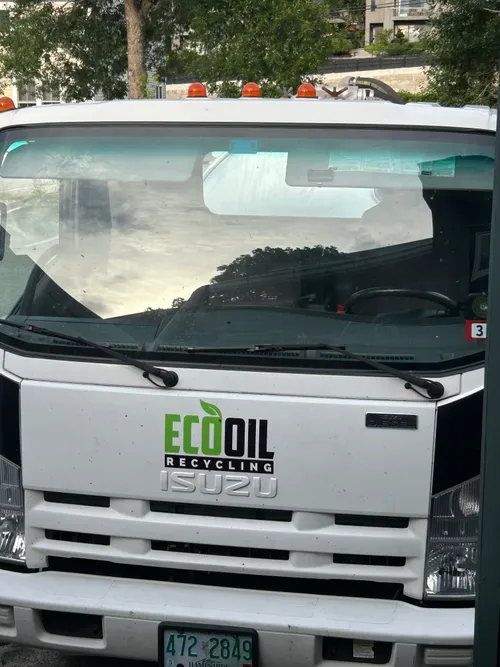
EcoOil Recycling
118 Exeter Rd, South Hampton, NH 03827
EcoOil Recycling is a locally owned company based near Lees Summit, MO, specializing in used cooking oil collection and grease trap cleaning. They operate within a 100-mile radius of their facility, providing licensed and trained professionals who focus on efficient and clean waste removal with minimal disruption. Their eco-friendly recycling process converts used cooking oil into biofuel, significantly reducing carbon emissions. EcoOil Recycling also offers grease trap cleaning services in compliance with local regulations and provides free containers with their oil collection service. They distribute Frontline Brand Systems, including Direct-Plumbed, Pump-Station, and Caddy systems for convenient oil storage and transfer.
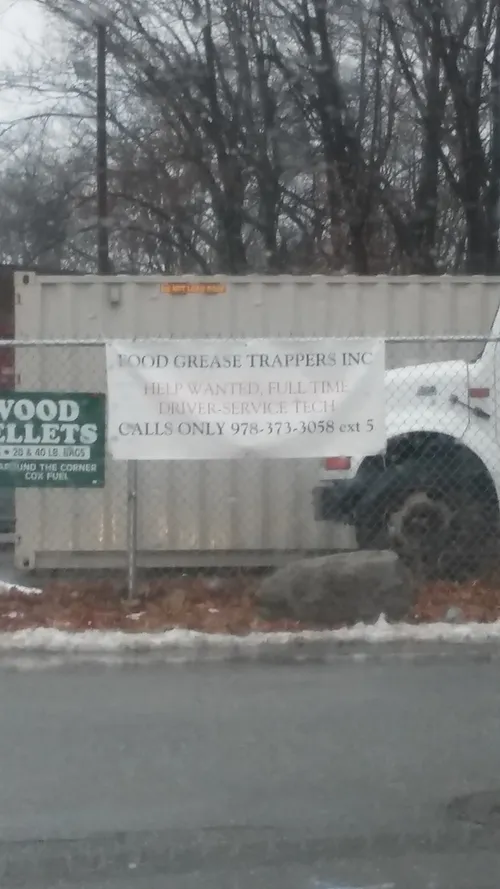
Food Grease Trappers Inc.
111 Quebec St, Lowell, MA 01852
Food Grease Trappers Inc. is a grease trap cleaning and used cooking oil collection company based in Lowell, MA. They serve the food service industry across New England, providing grease trap maintenance and waste vegetable oil collection. The company has over 20 years of experience and focuses on environmentally responsible disposal methods, working with local partners to benefit the community. Food Grease Trappers emphasizes proper scheduling to accommodate clients' reopening plans amid easing restrictions.

biolive oil service
Providence, RI
Biolive Oil Service is a used cooking oil collection company based in Providence, RI. The company specializes in collecting and recycling used cooking oil from various clients in the area. Biolive Oil Service focuses on environmentally responsible disposal and recycling of cooking oil to support sustainable practices in the local community.
Understanding Used Cooking Oil Recycling
Used cooking oil, often referred to as waste vegetable oil (WVO) or trap grease, is a regulated waste stream in Massachusetts. When collected properly, it is not trash but a feedstock for renewable energy production. Local and regional recyclers collect this material and process it into biodiesel, renewable diesel, sustainable aviation fuel (SAF), or components for animal feed. This recycling process supports circular economy goals and helps businesses reduce their environmental footprint. For Methuen restaurants, participating in a formal grease collection program is the most responsible and often most economical method for disposal, as improper disposal down drains or in trash can lead to severe plumbing issues and regulatory fines.
Step-by-Step Process for Restaurants
Implementing a smooth used cooking oil pickup system involves a few key stages, from initial storage to final documentation.
1. Proper On-Site Storage and Handling The first step begins in your kitchen. After use, oil should be allowed to cool below 120°F before handling to ensure safety. Solids should be scraped from fryers and liquids should be filtered, if possible, before being transferred to a dedicated, covered storage container. These containers are typically provided by your collection company and must be kept secure, either indoors or in a protected outdoor area with a tight-fitting lid to prevent pests, contamination, and rainwater ingress 1. Massachusetts guidelines also recommend clearly designating storage areas with "Waste Oil" labels in one-inch letters.
2. Scheduling and Completing a Pickup Once your storage container is full, you schedule a pickup with your licensed grease collection provider. Companies servicing the Methuen area will ask for details like your estimated volume and pickup frequency. A technician will then visit your location, pump the oil from your storage container into a specialized truck, and leave you with an empty, clean container for continued use. This service model ensures you never have to handle the heavy, messy task of transporting hot oil yourself.
3. Transportation and Processing The collected oil is transported to a processing facility. There, it undergoes filtering and purification to remove food particles and water. The refined oil is then sold to biofuel producers. This transformation from waste to energy is the core of the recycling value chain, with many local services emphasizing their role in creating cleaner-burning fuels from Massachusetts restaurant waste.
4. Receiving Documentation A crucial final step is receiving and retaining documentation from the collector. This paperwork, often a manifest or receipt, serves as your proof of proper disposal for environmental compliance audits. It details the quantity of oil collected and the date of service, which is essential for your records 2.
Key Regulations and Best Practices in Methuen
Compliance with state and local rules is non-negotiable. The primary goal of these regulations is to prevent used cooking oil from entering the sewer system, where it can solidify and cause costly blockages, or from contaminating the environment.
- Prevent Contamination and Spills: Never pour used oil down any drain, including floor drains or storm drains. Use drain screens in sinks and employ absorbent materials to manage any spills immediately. Do not mix used cooking oil with garbage or other waste streams, as this contaminates the oil and reduces its recycling value.
- Grease Trap Maintenance: Separate from used fryer oil collection, your restaurant's grease trap or interceptor must be regularly maintained. Massachusetts codes typically require regular inspection and pumping-often quarterly-by a licensed hauler to prevent fats, oils, and grease (FOG) from entering the municipal sewer system 3. Keeping your grease trap clean is a complementary and equally important part of a comprehensive kitchen grease management plan.
- Use Licensed Haulers: Always contract with a licensed waste oil transporter. Licensed haulers are registered with the state and adhere to environmental standards for transportation and processing, ensuring your waste is handled legally and responsibly 4.
Find the perfect used cooking oil collection companies for your needs
Get personalized recommendations and expert advice
Cost Structure and Potential Revenue
The financial model for used cooking oil collection can vary. Many providers offer a service where the potential value of the recycled oil offsets the cost of collection.
- Service Fees: Some restaurants, particularly smaller volume producers or those with less-frequent pickup needs, may pay a monthly service fee. These fees can range broadly, from $50 to over $200 per month, depending on the volume of oil generated, the frequency of pickups, and the terms of the service contract 5.
- Revenue/Rebate Programs: For restaurants that generate significant volumes of high-quality, uncontaminated oil, the model often flips. Collectors may provide the service for free or even offer a rebate based on the market value of the oil. Rebates can range from $0.10 to $0.65 per gallon collected 6. The key to maximizing value or minimizing cost is maintaining clean, well-managed oil free from water and food solids.
- Free Pickup Models: It is common for collectors to offer free pickup services, especially if they anticipate the oil will be of sufficient quality and quantity to be profitable at the recycling stage. The best way to understand your specific cost structure is to get quotes from several local providers, detailing your average monthly oil output.
Choosing a Local Collection Service in Methuen
Several established companies service the Methuen and greater Boston area. When selecting a provider, consider their reliability, compliance record, and the terms of their service agreement.
- Mahoney Environmental: A national provider with local services, offering used cooking oil pickup and recycling for Boston-area restaurants, including Methuen 7.
- Western Mass Rendering Co.: Services Massachusetts and the broader region, specializing in collecting waste cooking oil for conversion into biodiesel and other products.
- Grease Connections: Provides educational resources and collection services, emphasizing the revenue potential and environmental benefits of proper UCO recycling 8.
When contacting these or other providers, ask about container provisioning, pickup scheduling flexibility, documentation provided, and their specific pricing or rebate structure for your estimated volume.
Environmental and Operational Benefits
Beyond compliance, a professional used cooking oil collection program delivers tangible benefits. Environmentally, it ensures waste is converted into renewable fuel, reducing reliance on fossil fuels and lowering overall carbon emissions 9 10. Operationally, it eliminates a sanitation hazard, reduces pest attraction, and frees your staff from handling a difficult waste product. It also protects your plumbing and sewer lines from expensive grease-related blockages, saving significant money in potential repairs and municipal fines 11 12. For many forward-thinking restaurants in Methuen, it's a simple switch that enhances sustainability credentials and operational efficiency.
Frequently asked questions
Sources
Footnotes
-
Grease Collection Service: What is it - Grand Natural Inc - https://www.grandnaturalinc.com/blog/what-is-grease-collection-service.html ↩
-
Used Cooking Oil (UCO) Collection Service For Restaurants - https://thegreasecompany.com/blog/restaurant-used-cooking-oil-collection/ ↩
-
Massachusetts Codes and Regulations Regarding Grease Traps - https://foodgreasetrappers.com/2021/03/massachusetts-codes-and-regulations-regarding-grease-traps/ ↩
-
Waste Oil Management - Mass.gov - https://www.mass.gov/info-details/waste-oil-management ↩
-
Used Cooking Oil Pickup vs Drop-Off - GreasePros Recycling - https://www.greaseprosrecycling.com/used-cooking-oil-pickup-vs-drop-off/ ↩
-
Restaurant Used Cooking Oil Recycling & Disposal Guide - https://greaseconnections.com/restaurant-used-cooking-oil-disposal-recycling-revenue-guide/ ↩
-
Used Cooking Oil Pickup and Recycling Services in Boston MA - https://www.mahoneyes.com/waste-oil-pickup-recycling-boston-ma/ ↩
-
Used Cooking Oil Disposal: Complete Guide to Grease Pickups - https://greaseconnections.com/used-cooking-oil-disposal-guide-grease-pickups/ ↩
-
Restaurant Waste Cooking Oil and Recycling - http://www.westernmassrendering.com/Waste%20Cooking%20Oil%20Recycling.html ↩
-
Used Cooking Oil Disposal & Recycling for Restaurants - https://www.rti-inc.com/cooking-oil-disposal/ ↩
-
Restaurant Grease Pick Up & Disposal Services in Boston MA - https://www.mahoneyes.com/fryer-oil-disposal-recycling-boston-ma/ ↩
-
How to Dispose of Cooking Grease as a Restaurant - Webstaurant Store - https://www.webstaurantstore.com/blog/4746/grease-removal-for-restaurants.html ↩