
Find the Best Used Cooking Oil Collection Companies for Your Business
No obligation • Fast responses • Nationwide coverage

Why you can trust Restaurant Waste Disposal
Restaurant Waste Disposal is a leading U.S. resource for comparing restaurant composting, food-waste recycling, grease trap cleaning, and used cooking oil collection services. Our editorial team researches providers, checks credentials, and organizes unbiased information so operators can make informed decisions. Companies cannot pay to change ratings or placement.
Search providers near you
Top Used Cooking Oil Collection Companies in Malden, Massachusetts Ranked
For restaurants and food service businesses in Malden, managing used cooking oil (UCO) is more than just a cleanup task-it's a critical component of operational efficiency, environmental compliance, and potential revenue. Proper disposal of waste oil is mandated by state regulations and local Fats, Oils, and Grease (FOG) ordinances to protect the city's sewer infrastructure and the environment. By partnering with a professional collection service, Malden establishments can transform a waste product into valuable commodities like biodiesel, ensuring they meet legal requirements while potentially benefiting from rebate programs. This guide outlines the essentials of UCO recycling specific to Malden, from storage best practices to selecting a reliable collector.

Lifecycle Renewables Inc
75 Industrial Ave, Tewksbury, MA 01876
Lifecycle Renewables Inc is a used cooking oil collection company based in Lowell, MA. They specialize in collecting used cooking oil from food service businesses, providing clean and respectful removal services. The company is known for its reliable pick-up service and high-quality containers, ensuring efficient oil collection.
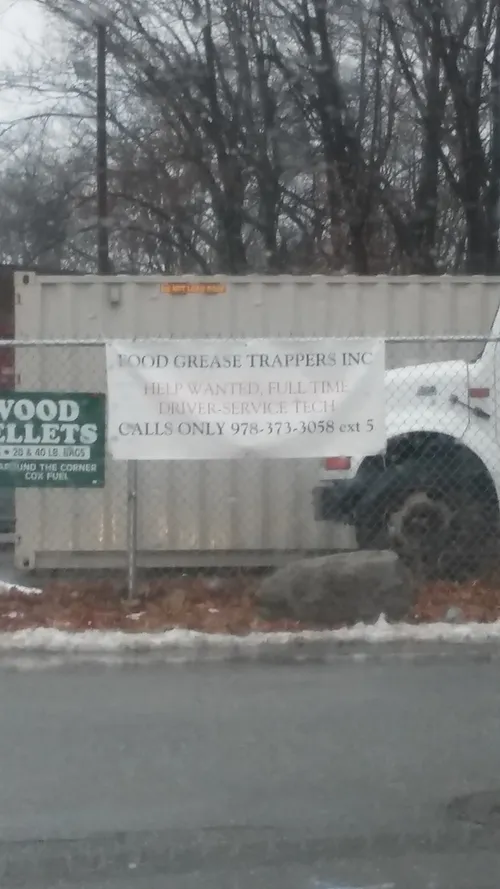
Food Grease Trappers Inc.
111 Quebec St, Lowell, MA 01852
Food Grease Trappers Inc. is a grease trap cleaning and used cooking oil collection company based in Lowell, MA. They serve the food service industry across New England, providing grease trap maintenance and waste vegetable oil collection. The company has over 20 years of experience and focuses on environmentally responsible disposal methods, working with local partners to benefit the community. Food Grease Trappers emphasizes proper scheduling to accommodate clients' reopening plans amid easing restrictions.
Understanding Local Regulations and Bans
Compliance is the first step in any effective waste oil management plan. Massachusetts has strict rules governing the disposal of organic waste, and Malden businesses must be particularly vigilant.
- Massachusetts Disposal Ban: The Massachusetts Department of Environmental Protection (MassDEP) enforces a commercial food material disposal ban. This means businesses that generate one-half ton or more of organic waste per week are prohibited from sending it to landfills or incinerators. Used cooking oil is a key part of this organic waste stream and must be diverted for recycling or composting.
- Local Sewer and FOG Ordinances: Pouring used fryer oil down the drain is a direct violation of Malden's sewer use regulations. It leads to costly drain clogs, sewer backups, and environmental damage1 2. Professional UCO collection ensures this harmful practice is avoided.
- Waste Oil Management Rules: The state also has specific guidelines for managing waste oil, requiring it to be stored in secure, labeled containers to prevent spills and contamination 3. Adherence to these rules is not just good practice-it's the law.
Best Practices for On-Site Storage and Handling
How you handle oil after it leaves the fryer directly impacts its value, safety, and compliance. Proper on-site management is crucial.
- Never Pour Down Drains or Into Trash: This is the cardinal rule. Disposing of UCO in sinks, floor drains, or regular trash is illegal for commercial generators in Massachusetts and poses severe risks to plumbing and the local environment.
- Use Secure, Designated Containers: Store cooled UCO in dedicated, leak-proof containers with tight-sealing lids. These are often provided by your collection service and can range from indoor collection barrels to larger outdoor storage tanks. Containers must be clearly labeled "Waste Oil" or "Used Cooking Oil."
- Prevent Contamination: The value of your used oil for recycling is highest when it's clean. Use filter screens when transferring oil to storage containers to remove food particles. Immediately clean up any spills. Crucially, keep water out of the oil, as it complicates the recycling process and can significantly reduce its market value and any potential rebate.
The Professional Collection and Recycling Process
Engaging a professional service streamlines the entire process from your kitchen to the recycling facility.
- Storage: Employees transfer cooled UCO from fryers into the provided, secure storage container.
- Collection: On a scheduled basis (which can be daily, weekly, or monthly depending on your volume), a collection truck from a service provider arrives. Technicians will either pump the oil directly from your storage tank or manually transfer it from barrels into their truck.
- Transportation: The collected oil is transported to a processing facility.
- Recycling: At the facility, the oil is cleaned, purified, and converted into new products. The primary end product is biodiesel, a renewable fuel, but it can also be used in animal feed supplements, industrial lubricants, or even reprocessed into new cooking oil 4.
Find the perfect used cooking oil collection companies for your needs
Get personalized recommendations and expert advice
Potential Costs and Revenue from Used Oil
One of the most compelling reasons for professional UCO collection in Malden is the financial model. Unlike many waste streams that cost money to remove, clean used cooking oil has inherent value.
- Free Pickup for Lower Volumes: Many providers offer free collection services for restaurants generating smaller amounts of oil (typically under 100 gallons per month) as they aggregate oil from many clients to create a viable volume for recycling.
- Rebate Programs for Medium to High Volumes: If your establishment produces significant quantities of clean, uncontaminated oil, you may qualify for a rebate. Rates can vary based on market conditions, oil quality, and volume.
- Medium Volume (e.g., 100-300 gal/month): Rebates might range from $0.10 to $0.25 per gallon5.
- High Volume (e.g., over 300 gal/month): With high-quality oil, rebates can reach $0.65 or more per gallon. For very high-volume producers, this can transform a waste disposal line item into a modest revenue stream or at least fully offset disposal costs6.
Choosing a Service Provider in Malden
Several established companies service the Greater Boston area, including Malden. When selecting a provider, consider the following:
- Services Offered: Look for a full-service provider that supplies appropriate storage containers, maintains a reliable pickup schedule, and handles all transportation and recycling documentation. Some companies, like Mahoney Environmental and Baker Commodities, offer integrated solutions that may include direct fryer connection systems or comprehensive grease trap cleaning services alongside UCO collection7 8 9.
- Compliance Expertise: Ensure the provider is knowledgeable about Massachusetts and Malden-specific regulations. They should help you maintain compliance with MassDEP bans and local ordinances10.
- Transparent Pricing/Rebate Structure: Understand the terms clearly. Is pickup free? Do you qualify for a rebate? How is oil quality assessed? Providers like Western Mass Rendering and others will outline their program structure upfront 11.
- Reliability and Reputation: Choose a company with a proven track record of dependable service in the region. Timely pickups prevent overflows and storage issues at your facility.
Implementing a professional used cooking oil collection system is a smart business decision for any Malden restaurant. It ensures regulatory compliance, protects your property and the city's infrastructure, supports environmental sustainability, and can improve your bottom line. By treating used fryer oil as a resource rather than refuse, local businesses contribute to a circular economy right here in Massachusetts.
Frequently asked questions
Sources
Footnotes
-
Waste Oil Management - Mass.gov - https://www.mass.gov/info-details/waste-oil-management ↩
-
How to dispose of or recycle Fats & oils - City of Malden - https://www.cityofmalden.org/238/Trash-Recycling#!rc-cpage=102417 ↩
-
Waste Oil, Used Oil Filters, and Waste Oil Space Heaters - Mass.gov - https://www.mass.gov/doc/automotive-service-repair-waste-oil-used-oil-filter-management/download ↩
-
Used Cooking Oil Recycling for Commercial Businesses - Rubicon - https://www.rubicon.com/blog/used-cooking-oil-recycling/ ↩
-
Used Cooking Oil Disposal: Complete Guide to Grease Pickups - https://greaseconnections.com/used-cooking-oil-disposal-guide-grease-pickups/ ↩
-
Restaurant Used Cooking Oil Recycling & Disposal Guide - https://greaseconnections.com/restaurant-used-cooking-oil-disposal-recycling-revenue-guide/ ↩
-
Used Cooking Oil Pickup and Recycling Services in Boston MA - https://www.mahoneyes.com/waste-oil-pickup-recycling-boston-ma/ ↩
-
Restaurant Grease Pick Up & Disposal Services in Boston MA - https://www.mahoneyes.com/fryer-oil-disposal-recycling-boston-ma/ ↩
-
Restaurant Grease Collection in Boston - Baker Commodities - https://bakercommodities.com/our-locations/boston-ma/ ↩
-
Commercial Food Material Disposal Ban | Mass.gov - https://www.mass.gov/guides/commercial-food-material-disposal-ban ↩
-
Restaurant Waste Cooking Oil and Recycling - http://www.westernmassrendering.com/Waste%20Cooking%20Oil%20Recycling.html ↩