Find the Best Used Cooking Oil Collection Companies for Your Business
No obligation • Fast responses • Nationwide coverage

Why you can trust Restaurant Waste Disposal
Restaurant Waste Disposal is a leading U.S. resource for comparing restaurant composting, food-waste recycling, grease trap cleaning, and used cooking oil collection services. Our editorial team researches providers, checks credentials, and organizes unbiased information so operators can make informed decisions. Companies cannot pay to change ratings or placement.
Search providers near you
Top Used Cooking Oil Collection Companies in Leominster, Massachusetts Ranked
For restaurants and commercial kitchens in Leominster, managing used cooking oil (UCO) is a critical operational and environmental responsibility. Properly handling this waste stream is not just about cleanliness; it's a regulated process that, when done correctly, supports local recycling efforts and can even contribute to your bottom line. In Massachusetts, waste oil is regulated as a hazardous waste, requiring specific management protocols to ensure safety and compliance with state and local laws. This guide will walk you through the essentials of UCO collection, storage, and recycling specifically for businesses in Leominster, helping you navigate the requirements set by the Massachusetts Department of Environmental Protection and the Leominster Health Department.

Lifecycle Renewables Inc
75 Industrial Ave, Tewksbury, MA 01876
Lifecycle Renewables Inc is a used cooking oil collection company based in Lowell, MA. They specialize in collecting used cooking oil from food service businesses, providing clean and respectful removal services. The company is known for its reliable pick-up service and high-quality containers, ensuring efficient oil collection.
Food Grease Trappers Inc.
111 Quebec St, Lowell, MA 01852
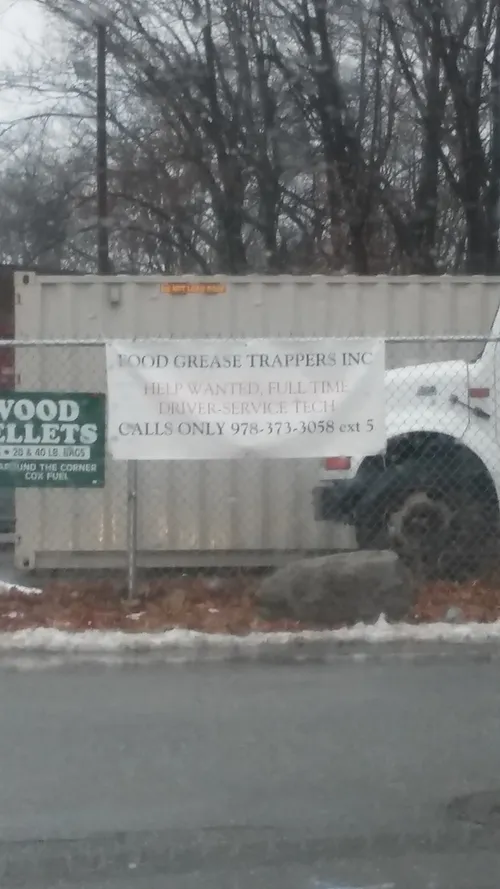
Food Grease Trappers Inc. is a grease trap cleaning and used cooking oil collection company based in Lowell, MA. They serve the food service industry across New England, providing grease trap maintenance and waste vegetable oil collection. The company has over 20 years of experience and focuses on environmentally responsible disposal methods, working with local partners to benefit the community. Food Grease Trappers emphasizes proper scheduling to accommodate clients' reopening plans amid easing restrictions.
Understanding Local Regulations for Fats, Oils, and Grease (FOG)
Navigating the regulatory landscape is the first step for any Leominster food service establishment. The local Health Department provides specific guidelines for commercial FOG management to protect the city's sewer infrastructure 1. It is strictly prohibited to pour used fryer oil down sinks, drains, or into storm sewers. This practice leads to severe blockages, costly plumbing emergencies, and environmental contamination 2. Compliance isn't optional; failure to adhere to these rules can result in significant fines. Your primary local contact for clarifying these requirements should be the Leominster Health Department, which can provide the most current regulations applicable to your business 1.
Key Statewide Requirements
At the state level, the Massachusetts waste oil management rules classify used cooking oil as a waste that requires careful handling 3. This means you must:
- Partner with a licensed hauler and recycler for proper disposal.
- Maintain accurate records of oil collection, which your service provider should supply.
- Ensure oil is stored in a manner that prevents leaks and spills into the environment.
Best Practices for On-Site Oil Storage and Safety
Before collection even occurs, safe and compliant on-site storage is paramount. Proper storage minimizes fire risks, prevents pests, and ensures the oil remains suitable for high-value recycling. Follow these key steps to set up your storage area correctly 4 5:
- Cool Completely: Always allow oil to cool completely before transferring it from fryers to storage containers. Hot oil is a major burn and fire hazard.
- Use Dedicated Containers: Store oil in durable, purpose-built containers, typically metal, with tight-fitting, sealed lids. These are often provided by your collection service.
- Implement Secondary Containment: Place your storage containers on spill trays or within a secondary containment unit (like a bermed area or larger catch basin). This is crucial for catching any drips or leaks, preventing them from reaching the floor or drainage systems.
- Choose a Secure Location: Store containers in a cool, dry, and secure area, away from heat sources and foot traffic. A locked storage cage or area is ideal to prevent tampering or unauthorized dumping.
- Label Clearly: Clearly label all containers with their contents (e.g., "Used Vegetable Oil") and the date it was stored. This aids in inventory management and safety.
Find the perfect used cooking oil collection companies for your needs
Get personalized recommendations and expert advice
The Collection and Recycling Process with Licensed Haulers
Once your oil is safely stored, the next step is arranging for pickup with a licensed hauler. Companies like Mahoney Environmental and other regional providers offer scheduled collection services in the Leominster area. Here's what a typical service entails:
- Scheduled Pickup: Your hauler will establish a regular collection schedule based on your oil production volume, ensuring your containers never overflow.
- Professional Transfer: On collection day, a trained technician will pump the oil from your storage containers directly into their specialized collection truck.
- Documentation: You should receive a detailed collection report or manifest. Keep these records. They are your proof of compliant disposal and are essential for regulatory audits.
- Transport to Recycling: The collected oil is transported to a processing facility where it begins its new life.
The Second Life of Your Used Cooking Oil
The journey doesn't end at pickup. Recycling used cooking oil is a robust industry that converts waste into valuable resources. Once it leaves your restaurant, the oil is typically processed to remove food particles and water. The purified oil is then a key feedstock for producing biodiesel, a renewable, cleaner-burning diesel alternative, and increasingly for Sustainable Aviation Fuel (SAF) 6. It can also be used in the production of animal feed, soaps, and other industrial products. By participating in a collection program, your business directly supports the circular economy and reduces reliance on fossil fuels.
Cost Structures and Potential Revenue for Your Kitchen
The financial aspect of used cooking oil collection can vary. It often operates on a model where cost or revenue is tied directly to the volume and quality of oil you generate.
- For Lower-Volume Producers: Many collection services offer free pickup for establishments that generate smaller amounts of oil. The service is free because the recycler profits from the end product 7.
- For Higher-Volume Producers: If your kitchen goes through significant quantities of oil, you may enter a rebate or revenue-sharing program. Payments to restaurants can range, with some sources citing averages between $0.10 to $0.65 per gallon, depending on market prices for recycled oil and the quality of your UCO 8.
- Fee-Based Services: In some cases, particularly if oil is contaminated or volume is very low, a small service fee may apply. The key is to get clear quotes from providers.
Ultimately, a well-manused cooking oil program should not be a major cost center. For many, it offsets disposal costs, and for high-volume producers, it can become a minor revenue stream.
Getting Started: Your Action Plan for Leominster
Ready to set up or audit your current used cooking oil management system? Follow this simple action plan:
- Contact the Leominster Health Department: Reach out to confirm any city-specific requirements for FOG management and storage for your commercial kitchen.
- Research and Contact Licensed Haulers: Get quotes from several licensed used cooking oil recyclers that service Leominster. Ask about their containers, pickup schedules, documentation, and pricing (or rebate) models. Providers like Mahoney Environmental are a good starting point 9.
- Audit Your Storage Setup: Evaluate your current storage against best practices. Do you need new containers, secondary spill containment, or a more secure location? Your chosen hauler can often advise or supply necessary equipment.
- Train Your Staff: Ensure all kitchen staff understand the "cool, seal, and store" procedure and the critical rule: never pour oil down the drain.
Frequently asked questions
Sources
Footnotes
-
Health Department Regulations Guidelines | Leominster, MA - https://www.leominster-ma.gov/287/Health-Department-Regulations-Guidelines ↩ ↩2
-
Cooking oil - West London Waste - https://westlondonwaste.gov.uk/materials/food/cooking-oil ↩
-
Waste Oil Management - Mass.gov - https://www.mass.gov/info-details/waste-oil-management ↩
-
Used Cooking Oil (UCO) Collection Service For Restaurants - https://thegreasecompany.com/blog/restaurant-used-cooking-oil-collection/ ↩
-
Restaurant Oil Disposal: Explained - Eazy Grease - https://eazygrease.com/how-do-restaurants-get-rid-of-their-oil/ ↩
-
What Happens To The Used Cooking Oil Once It Leaves Your Restaurant? - https://www.grandnatural.com/blog/what-happens-to-the-used-cooking-oil-once-it-leaves-your-restaurant.html ↩
-
Used Cooking Oil Pickup vs Drop-Off - GreasePros Recycling - https://www.greaseprosrecycling.com/used-cooking-oil-pickup-vs-drop-off/ ↩
-
Restaurant Used Cooking Oil Recycling & Disposal Guide - https://greaseconnections.com/restaurant-used-cooking-oil-disposal-recycling-revenue-guide/ ↩
-
Restaurant Grease Pick Up & Disposal Services in Boston MA - https://www.mahoneyes.com/fryer-oil-disposal-recycling-boston-ma/ ↩