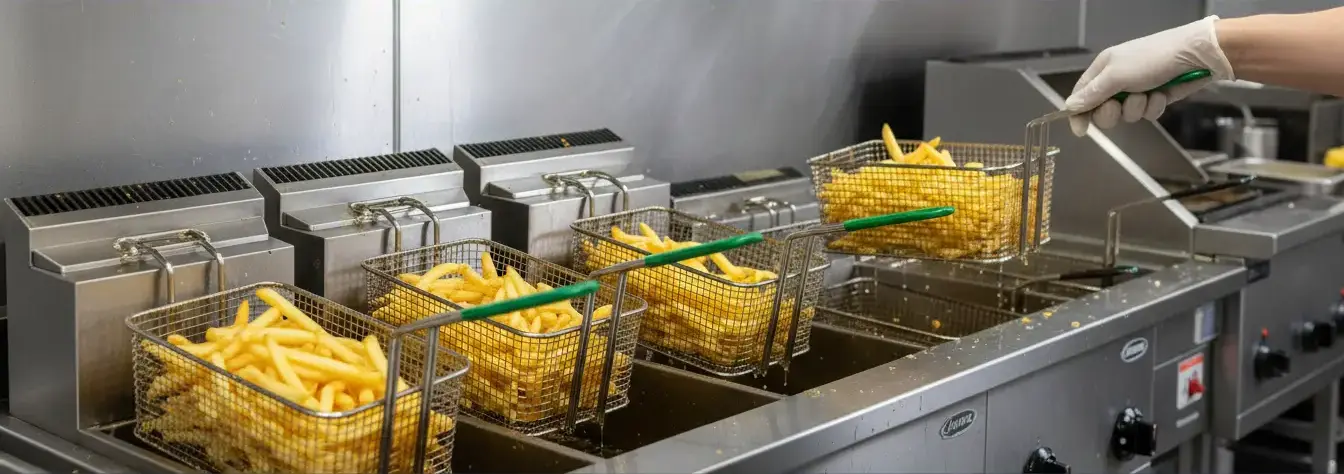
Find the Best Used Cooking Oil Collection Companies for Your Business
No obligation • Fast responses • Nationwide coverage

Why you can trust Restaurant Waste Disposal
Restaurant Waste Disposal is a leading U.S. resource for comparing restaurant composting, food-waste recycling, grease trap cleaning, and used cooking oil collection services. Our editorial team researches providers, checks credentials, and organizes unbiased information so operators can make informed decisions. Companies cannot pay to change ratings or placement.
Search providers near you
Top Used Cooking Oil Collection Companies in Haverhill, Massachusetts Ranked
For restaurants and food service establishments in Haverhill, managing waste grease and used cooking oil (UCO) is a critical operational and environmental responsibility. Proper UCO collection and recycling not only ensures compliance with local and state regulations but also transforms a waste product into valuable resources like renewable biofuels. Partnering with a professional grease collection service simplifies this process, providing secure pickup, essential documentation, and often creating a potential revenue stream through rebate programs. This guide outlines the key steps, best practices, and benefits of establishing an efficient used cooking oil management system in Haverhill.

Lifecycle Renewables Inc
75 Industrial Ave, Tewksbury, MA 01876
Lifecycle Renewables Inc is a used cooking oil collection company based in Lowell, MA. They specialize in collecting used cooking oil from food service businesses, providing clean and respectful removal services. The company is known for its reliable pick-up service and high-quality containers, ensuring efficient oil collection.
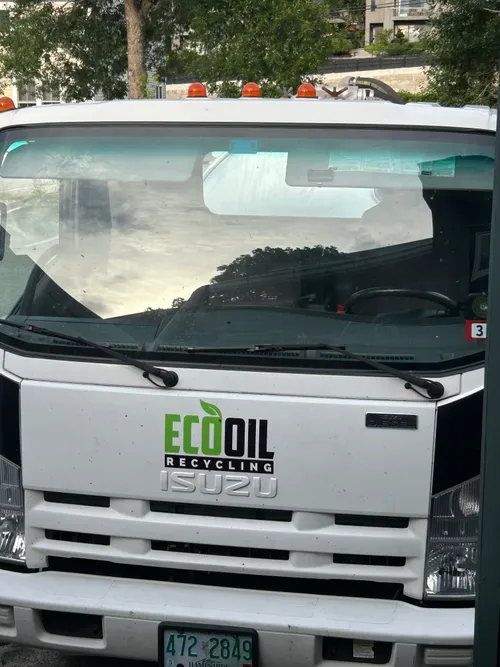
EcoOil Recycling
118 Exeter Rd, South Hampton, NH 03827
EcoOil Recycling is a locally owned company based near Lees Summit, MO, specializing in used cooking oil collection and grease trap cleaning. They operate within a 100-mile radius of their facility, providing licensed and trained professionals who focus on efficient and clean waste removal with minimal disruption. Their eco-friendly recycling process converts used cooking oil into biofuel, significantly reducing carbon emissions. EcoOil Recycling also offers grease trap cleaning services in compliance with local regulations and provides free containers with their oil collection service. They distribute Frontline Brand Systems, including Direct-Plumbed, Pump-Station, and Caddy systems for convenient oil storage and transfer.
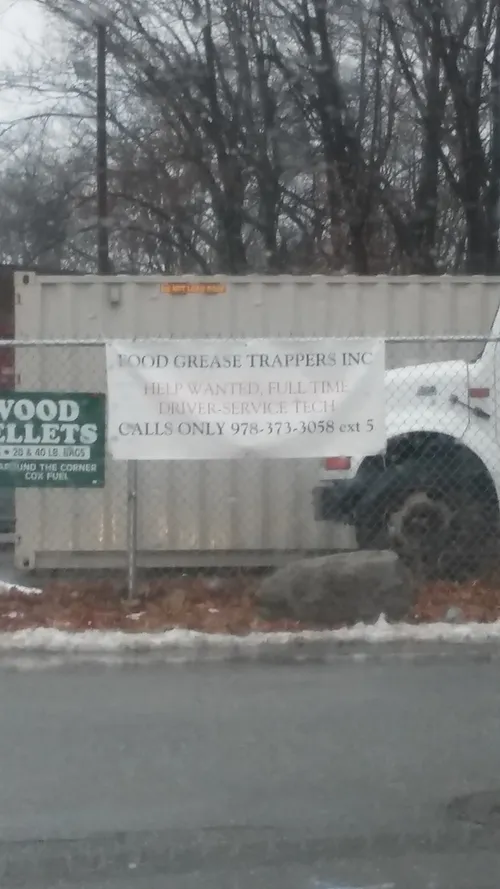
Food Grease Trappers Inc.
111 Quebec St, Lowell, MA 01852
Food Grease Trappers Inc. is a grease trap cleaning and used cooking oil collection company based in Lowell, MA. They serve the food service industry across New England, providing grease trap maintenance and waste vegetable oil collection. The company has over 20 years of experience and focuses on environmentally responsible disposal methods, working with local partners to benefit the community. Food Grease Trappers emphasizes proper scheduling to accommodate clients' reopening plans amid easing restrictions.

biolive oil service
Providence, RI
Biolive Oil Service is a used cooking oil collection company based in Providence, RI. The company specializes in collecting and recycling used cooking oil from various clients in the area. Biolive Oil Service focuses on environmentally responsible disposal and recycling of cooking oil to support sustainable practices in the local community.
Understanding Local Regulations and Compliance
In Massachusetts, used cooking oil is regulated as a waste oil, and Haverhill businesses must adhere to specific state and local guidelines to prevent environmental harm1. The primary goal is to keep fats, oils, and grease (FOG) out of the sanitary sewer system, where they can cause costly blockages and backups. The City of Haverhill provides clear directives for commercial kitchens, emphasizing that used fryer oil and grease must never be poured down drains2.
Key compliance steps include:
- Secure Containment: Store cooled waste oil in dedicated, leak-proof containers or tanks.
- Proper Labeling: All containers must be clearly marked as "Waste Oil" or "Used Cooking Oil".
- Professional Hauling: You must use a licensed waste oil hauler for collection and recycling. These providers are registered with the state and provide the necessary documentation for your records.
- Drain Protection: Implement best practices like using sink strainers and dry-wiping pots and pans before washing to minimize FOG entering drains.
Adhering to these rules not only avoids potential fines but also contributes to the city's broader efforts in sustainable waste management.
The Step-by-Step Collection and Recycling Process
Establishing a reliable used cooking oil pickup service involves a straightforward partnership with a professional hauler. Here's how the typical process works from your kitchen to the recycling facility:
- On-Site Storage: After cooling, staff transfer used fryer oil from kitchen equipment into your designated outdoor storage container or tank. This container should be lockable to prevent unauthorized access or theft.
- Scheduled Pickup: Your service provider will establish a regular pickup schedule-weekly, bi-weekly, or monthly-based on your oil production volume. They handle all logistics.
- Professional Pumping: On service day, a trained technician will pump the oil directly from your storage tank into their specialized collection truck. This is a clean, closed-system operation that minimizes spills and mess.
- Transportation & Processing: The hauler transports the collected oil to a processing facility. There, it undergoes filtration to remove food particles and water.
- Recycling into New Products: The cleaned oil is a valuable feedstock. It is primarily converted into renewable fuels like biodiesel, renewable diesel, or sustainable aviation fuel (SAF) 3 4. It can also be used in animal feed supplements or industrial lubricants.
- Documentation for Your Records: A reputable hauler will provide you with a service receipt or manifest detailing the amount collected. This paperwork is crucial for demonstrating regulatory compliance5 6.
Find the perfect used cooking oil collection companies for your needs
Get personalized recommendations and expert advice
Financial Considerations: Costs, Rebates, and Value
A common misconception is that used cooking oil disposal is purely an expense. In reality, with the right volume and quality, it can become a cost-neutral or even revenue-generating part of your operations. The economics are primarily driven by the commodity market for recycled oils and the policies of your service provider.
While specific pricing is set by individual haulers, the financial model generally follows these patterns:
- Low-Volume Producers: Establishments generating under 100 gallons per month often benefit from free pickup and disposal services. A rebate may not be offered at this tier, but the cost avoidance is a significant benefit.
- Medium-Volume Producers: Restaurants producing 100-300 gallons monthly typically qualify for rebate programs. Payments can range from $0.10 to $0.25 per gallon, helping to offset operational costs.
- High-Volume Producers: For kitchens generating over 300 gallons per month, used cooking oil becomes a more valuable asset. Rebates can range from $0.25 to over $0.65 per gallon, potentially turning this waste stream into a meaningful source of ancillary income7.
A critical factor in maximizing value is oil quality. Cleaner oil-free from excessive water, food sediment, and other contaminants-commands a higher price on the recycling market8. Simple practices like allowing oil to cool before transfer and using properly filtered equipment can enhance the quality of your UCO.
Best Practices for Haverhill Restaurants
To ensure a smooth, efficient, and profitable used cooking oil program, local businesses should adopt these operational habits:
- Invest in Secure Storage: Use a sturdy, lockable outdoor container provided by your hauler. This prevents spills, deters pests, and secures your asset from theft.
- Maintain Oil Purity: Avoid mixing used cooking oil with other liquids like water, soap, or other hazardous wastes. Contamination reduces its recycling value and can complicate the collection process 9.
- Communicate with Staff: Train all kitchen staff on proper oil handling procedures. Emphasize that grease and oil must never go down the drain and that storage containers must be kept closed and labeled.
- Partner with a Reputable Hauler: Choose a licensed, insured, and reliable service provider with a strong track record in the area. They should offer consistent service, clear communication, and transparent documentation.
By implementing these practices, Haverhill restaurants can effectively manage their used cooking oil, support environmental sustainability, and improve their bottom line. The transition from seeing UCO as mere waste to recognizing it as a recyclable commodity is a smart business move for any food service operation.
Frequently asked questions
Sources
Footnotes
-
Waste Oil Management - Mass.gov - https://www.mass.gov/info-details/waste-oil-management ↩
-
business by - keeping fats, oils & grease (fog) out of - City of Haverhill - https://www.haverhillma.gov/media/wbop2ugr/haverhill-fog-brochure-commercial-20180731-web.pdf ↩
-
Used Cooking Oil (UCO) Collection Service For Restaurants - https://thegreasecompany.com/blog/restaurant-used-cooking-oil-collection/ ↩
-
EcoOil Recycling's Used Cooking Oil Collection Process - https://ecooilrecycling.com/used-cooking-oil-collection-process/ ↩
-
Used Cooking Oil Pickup and Recycling Services in Boston MA - https://www.mahoneyes.com/waste-oil-pickup-recycling-boston-ma/ ↩
-
Restaurant Grease Pick Up & Disposal Services in Boston MA - https://www.mahoneyes.com/fryer-oil-disposal-recycling-boston-ma/ ↩
-
Used Cooking Oil Disposal: Complete Guide to Grease Pickups - https://greaseconnections.com/used-cooking-oil-disposal-guide-grease-pickups/ ↩
-
Restaurant Used Cooking Oil Recycling & Disposal Guide - https://greaseconnections.com/restaurant-used-cooking-oil-disposal-recycling-revenue-guide/ ↩
-
Restaurant Oil Disposal: Explained - Eazy Grease - https://eazygrease.com/how-do-restaurants-get-rid-of-their-oil/ ↩