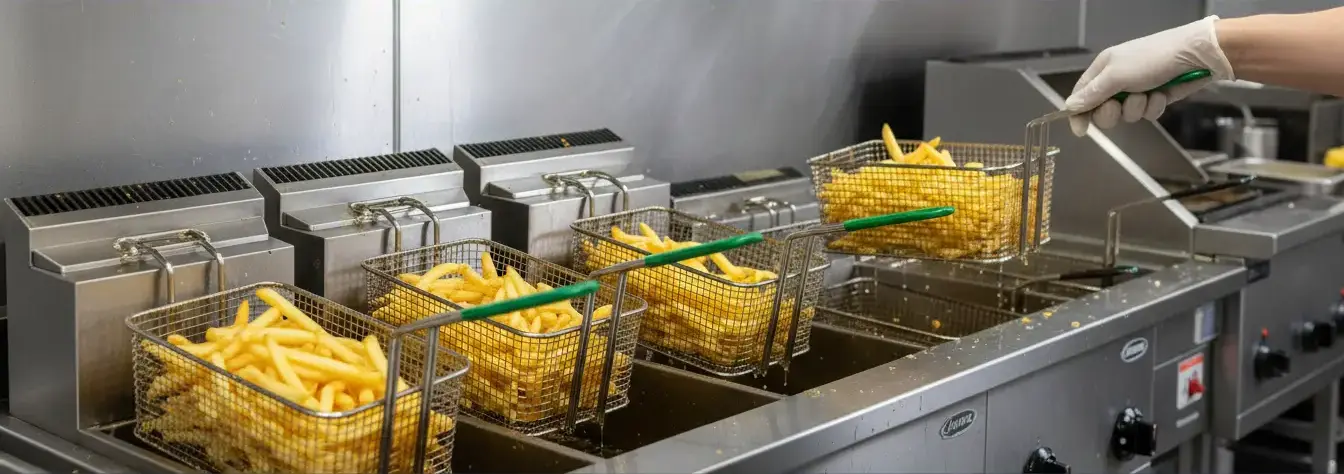
Find the Best Used Cooking Oil Collection Companies for Your Business
No obligation • Fast responses • Nationwide coverage

Why you can trust Restaurant Waste Disposal
Restaurant Waste Disposal is a leading U.S. resource for comparing restaurant composting, food-waste recycling, grease trap cleaning, and used cooking oil collection services. Our editorial team researches providers, checks credentials, and organizes unbiased information so operators can make informed decisions. Companies cannot pay to change ratings or placement.
Search providers near you
Top Used Cooking Oil Collection Companies in Framingham, Massachusetts Ranked
For Framingham restaurants, managing used cooking oil (UCO) is more than just a kitchen cleanup task-it's a regulated component of daily operations with significant environmental and economic implications. Proper collection and recycling of this oil are essential for maintaining compliance with local health and safety codes, preventing costly plumbing issues, and contributing to the circular economy by transforming waste into renewable fuels. Partnering with a licensed professional service ensures this process is handled safely, efficiently, and in accordance with all city ordinances. This guide outlines the key steps, benefits, and provider considerations for establishing a reliable UCO management system for your food service establishment.
Lifecycle Renewables Inc
75 Industrial Ave, Tewksbury, MA 01876
Lifecycle Renewables Inc is a used cooking oil collection company based in Lowell, MA. They specialize in collecting used cooking oil from food service businesses, providing clean and respectful removal services. The company is known for its reliable pick-up service and high-quality containers, ensuring efficient oil collection.
Food Grease Trappers Inc.
111 Quebec St, Lowell, MA 01852
Food Grease Trappers Inc. is a grease trap cleaning and used cooking oil collection company based in Lowell, MA. They serve the food service industry across New England, providing grease trap maintenance and waste vegetable oil collection. The company has over 20 years of experience and focuses on environmentally responsible disposal methods, working with local partners to benefit the community. Food Grease Trappers emphasizes proper scheduling to accommodate clients' reopening plans amid easing restrictions.
Understanding Framingham's Regulations for Grease and Oil
Before setting up a collection service, it's crucial to understand the local regulatory landscape. Framingham mandates that all food establishments have a properly installed and maintained grease trap or interceptor as a condition for obtaining a common victualer's license 1. These devices are the first line of defense, preventing fats, oils, and grease (FOG) from entering the public sewer system, where they can cause blockages and overflows.
The city conducts inspections to ensure compliance with these grease management regulations 2. Importantly, Framingham's municipal curbside collection program is designed for residential waste only; restaurants and other commercial entities are required to contract with private, licensed haulers for both grease trap waste and used cooking oil disposal 3 4. Using an unlicensed collector can result in violations, so verifying a provider's credentials is a necessary first step.
The Professional Collection and Recycling Process
Engaging a professional used fryer oil collection service streamlines waste management into a predictable, hands-off operation. The process typically follows these steps:
- Service Agreement: You contract with a licensed UCO recycler who operates in the Framingham area.
- Equipment Provision: The provider supplies your establishment with secure, leak-proof collection containers, often at no upfront cost 5 6.
- Scheduled Pickups: Based on your oil production volume, a regular collection schedule (e.g., weekly, bi-weekly, monthly) is established. A specialized truck will service your containers.
- Transportation & Recycling: The collected oil is transported to a processing facility. There, it is cleaned and converted into valuable products like biodiesel or sustainable aviation fuel (SAF), diverting waste from landfills and reducing fossil fuel dependence.
Best Practices for On-Site Oil Storage
Proper on-site handling is vital for safety, cleanliness, and maximizing the value of your used oil. Follow these guidelines:
- Use Approved Containers: Always store oil in the durable, sealable containers provided by your service. Never use makeshift containers that can leak or break.
- Designate a Storage Area: Place containers in a secure, accessible location away from food preparation zones and customer traffic. The area should be well-ventilated and have secondary containment, such as a spill pallet, to manage any accidental leaks.
- Maintain Oil Quality: Allow oil to cool before transferring it to storage containers. Use filters to remove food particles and avoid introducing water, as contamination can lower the oil's recycling value and complicate the recycling process 7.
- Ensure Security: Keep storage containers locked or in a secured area to prevent theft, tampering, or unauthorized dumping, which can create liability and mess.
Cost Structure and Potential Revenue
The financial model for used cooking oil collection is typically volume-based. Understanding this can help you forecast costs or even identify a potential revenue stream.
- Low-Volume Producers (e.g., under 40 gallons per month): Establishments generating smaller amounts of UCO often pay a monthly service fee for pickup and recycling. This fee compensates the hauler for the service, as the oil volume may not cover their operational costs.
- Medium to High-Volume Producers (e.g., over 40-100 gallons per month): As your volume increases, the dynamic often shifts. Many providers will offer free collection services once a certain threshold is met, as the value of the recycled commodity covers their expenses.
- High-Volume Producers (e.g., over 100 gallons per month): Large restaurants, institutional kitchens, or food processors may qualify for rebate programs or even receive a payment per gallon collected. The revenue generated from selling the UCO to biofuel refiners is shared with the generator 8 9.
Find the perfect used cooking oil collection companies for your needs
Get personalized recommendations and expert advice
Selecting a Service Provider in Framingham
Choosing the right partner is key. Look for providers that are fully licensed and insured to operate in Massachusetts. Key services to inquire about include:
- Reliable Equipment: Provision of appropriate, well-maintained containers and pumps.
- Flexible Scheduling: Pickup frequency that matches your kitchen's output.
- Compliance Documentation: Providing you with certificates of recycling or "manifests" that prove proper disposal, which may be required for regulatory audits.
- Responsive Service: Clear communication channels and emergency support for spills or unexpected issues.
National companies like Mahoney Environmental offer comprehensive programs including equipment, regular pickup, and detailed reporting for restaurants in the Boston area, which includes Framingham. Regional providers, such as Western Mass Rendering, also serve the area, offering equipment, maintenance, and emergency services. It's advisable to get quotes and service details from multiple providers to find the best fit for your specific volume and needs.
Environmental and Operational Benefits
Implementing a professional used cooking oil program delivers clear advantages beyond mere compliance:
- Environmental Stewardship: Recycling UCO into biodiesel creates a cleaner-burning fuel alternative, reducing greenhouse gas emissions and dependence on petroleum.
- Operational Safety & Cleanliness: Eliminates the hazards of storing and handling hot, slippery waste oil in-house, reducing the risk of employee injuries and pest attraction.
- Infrastructure Protection: Prevents FOG-related sewer backups, which can lead to severe disruptions, expensive cleanups, and potential fines for your business.
- Enhanced Sustainability Profile: Demonstrates a commitment to sustainable practices, which can be a positive point for eco-conscious customers and community relations.
By establishing a systematic approach to used cooking oil collection, Framingham restaurants can turn a waste product into a responsible resource, ensuring smoother operations, regulatory peace of mind, and a positive environmental impact.
Frequently asked questions
Sources
Footnotes
-
Grease Traps | City of Framingham, MA Official Website - https://www.framinghamma.gov/146/Grease-Traps ↩
-
City of Framingham, MA Enforcement - eCode360 - https://ecode360.com/41377601 ↩
-
How to dispose of or recycle Cooking oil - FraminghamMa.gov - https://www.framinghamma.gov/170/Curbside-Refuse-Collection#!rc-cpage=341962 ↩
-
How to dispose of or recycle Cooking oil - City of Framingham - https://www.framinghamma.gov/168/Sanitation-Division#!rc-cpage=341962 ↩
-
Restaurant Grease Pick Up & Disposal Services in Boston MA - https://www.mahoneyes.com/fryer-oil-disposal-recycling-boston-ma/ ↩
-
Restaurant Waste Cooking Oil and Recycling - http://www.westernmassrendering.com/Waste%20Cooking%20Oil%20Recycling.html ↩
-
Restaurant Grease Disposal: Tips for Safe Collection & Removal - https://pos.toasttab.com/blog/on-the-line/restaurant-grease-disposal ↩
-
Restaurant Used Cooking Oil Recycling & Disposal Guide - https://greaseconnections.com/restaurant-used-cooking-oil-disposal-recycling-revenue-guide/ ↩
-
Do you get paid for used cooking oil? : r/cookingoilrecycling - Reddit - https://www.reddit.com/r/cookingoilrecycling/comments/1kvlxl5/do_you_get_paid_for_used_cooking_oil/ ↩