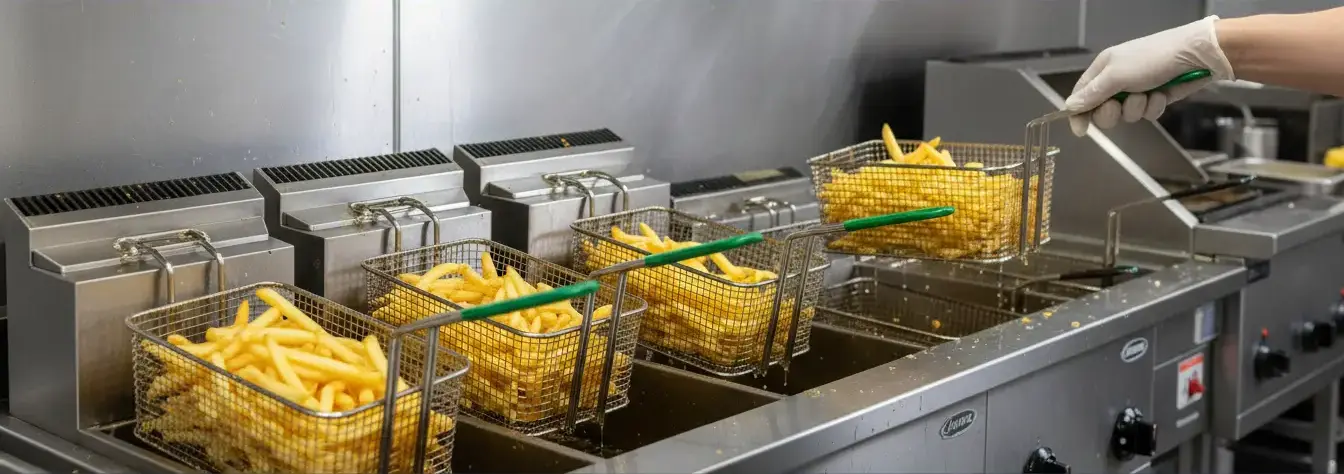
Find the Best Used Cooking Oil Collection Companies for Your Business
No obligation • Fast responses • Nationwide coverage

Why you can trust Restaurant Waste Disposal
Restaurant Waste Disposal is a leading U.S. resource for comparing restaurant composting, food-waste recycling, grease trap cleaning, and used cooking oil collection services. Our editorial team researches providers, checks credentials, and organizes unbiased information so operators can make informed decisions. Companies cannot pay to change ratings or placement.
Search providers near you
Top Used Cooking Oil Collection Companies in Cambridge, Massachusetts Ranked
For restaurants and food service establishments in Cambridge, managing used cooking oil (UCO) is a critical operational and environmental responsibility. Proper disposal of this liquid waste is not just about compliance; it's a key component of sustainable business practices that can also offer financial benefits. By partnering with a professional collection service, Cambridge kitchens can ensure their waste oil is securely handled and transformed into valuable resources like biodiesel, contributing to a circular economy right here in Massachusetts. This process helps businesses meet local regulations, prevent costly plumbing issues, and potentially turn a waste product into a revenue stream.
Lifecycle Renewables Inc
75 Industrial Ave, Tewksbury, MA 01876
Lifecycle Renewables Inc is a used cooking oil collection company based in Lowell, MA. They specialize in collecting used cooking oil from food service businesses, providing clean and respectful removal services. The company is known for its reliable pick-up service and high-quality containers, ensuring efficient oil collection.
Food Grease Trappers Inc.
111 Quebec St, Lowell, MA 01852
Food Grease Trappers Inc. is a grease trap cleaning and used cooking oil collection company based in Lowell, MA. They serve the food service industry across New England, providing grease trap maintenance and waste vegetable oil collection. The company has over 20 years of experience and focuses on environmentally responsible disposal methods, working with local partners to benefit the community. Food Grease Trappers emphasizes proper scheduling to accommodate clients' reopening plans amid easing restrictions.
Understanding Local Regulations for Grease and Oil
In Cambridge, food service businesses must adhere to specific rules for managing fats, oils, and grease (FOG) to protect the city's sewer system. The City of Cambridge mandates that all establishments install and properly maintain grease traps or interceptors. These devices must be cleaned regularly-typically before they are one-quarter full-to prevent blockages that can lead to sewer backups and environmental contamination. Pouring used fryer oil down the drain is strictly prohibited, as it solidifies and causes major plumbing and municipal sewer problems.
Beyond drain safety, secure on-site storage is a legal requirement. Used cooking oil must be kept in sturdy, covered containers or tanks that are airtight to prevent leaks, odors, and contamination 1. Best practices recommend storing these containers in a designated, bermed area away from storm drains to contain any accidental spills 1. Many providers also offer locking mechanisms for outdoor storage tanks to prevent theft, which has become a concern as the value of recycled oil has increased 2.
The Step-by-Step Collection and Recycling Process
A professional used cooking oil collection service manages the entire process from your kitchen to the recycling facility. Here's how it typically works:
- On-Site Collection: After the oil has cooled, kitchen staff transfer it from fryers into designated collection containers or storage tanks provided by the hauler.
- Scheduled Pickup: A licensed collection company schedules regular pickups based on your volume. They arrive with specialized trucks to pump the oil from your storage tank directly into their vehicle 3.
- Transportation and Processing: The collected oil is transported to a recycling facility. There, it undergoes filtration to remove food particles and water.
- Transformation: The cleaned oil is then processed into raw materials for sustainable products. The primary end product is biodiesel or renewable diesel fuel, a cleaner-burning alternative to petroleum diesel 4.
- Reporting: Reputable services often provide documentation or reports detailing the amount of oil collected, which helps with sustainability tracking and compliance 5.
Financial Considerations: Cost vs. Potential Revenue
One of the most common questions from restaurant owners is about the cost. The model for used cooking oil collection is often designed to benefit the restaurant. For many establishments, especially those generating consistent volumes, pickup services are provided free of charge. The recycling company's revenue comes from selling the processed oil to biofuel producers.
Furthermore, restaurants can potentially earn rebates for their high-quality oil. The value depends on market conditions, volume, and, crucially, the purity of the oil. Contamination with water or food solids reduces its value. Providers may pay between $0.10 to over $0.60 per gallon for clean, well-managed used cooking oil 6 7. This rebate can effectively offset other waste management costs or become a minor revenue line. Factors that improve rebate rates include higher monthly volume and diligent practices to prevent contamination during storage and handling.
Find the perfect used cooking oil collection companies for your needs
Get personalized recommendations and expert advice
Choosing a Service Provider in Cambridge
Selecting the right partner for grease trap and used oil management is essential. Look for a licensed, insured, and reputable hauler with experience serving the Boston and Cambridge area. Key services to expect include:
- Provision of Equipment: Many companies will provide storage containers, tanks, and locking mechanisms at no upfront cost as part of their service agreement 8 9.
- Flexible Scheduling: Services should offer pickup schedules tailored to your kitchen's production volume, whether weekly, bi-weekly, or monthly.
- Compliance Support: A good provider understands local Cambridge and Massachusetts regulations and can help ensure your storage setup meets code requirements.
- Environmental Commitment: Choose a provider that is transparent about where the oil goes, preferably to local or regional biofuel producers.
Local resources can also guide your decision. RecyclingWorks Massachusetts is a state-funded program that offers free technical assistance and guidance to businesses, including restaurants, looking to improve their recycling and organics management practices 10. They can help you identify certified haulers and set up an efficient system.
Best Practices for On-Site Management
Maximizing safety, compliance, and potential rebates starts in your own kitchen. Implement these best practices:
- Cool Before Transferring: Always allow oil to cool completely before moving it to a storage container to prevent burns and fire hazards.
- Use Dedicated Containers: Never mix used cooking oil with other liquids or waste. Use only the containers provided or approved by your hauler.
- Prevent Contamination: Keep lids tightly sealed on storage containers to keep out water and debris. The cleaner the oil, the more valuable it is for recycling.
- Maintain Grease Traps: Adhere to a strict schedule for cleaning your grease interceptor. This is separate from oil collection but is a critical part of overall FOG management 11.
- Train Your Staff: Ensure all kitchen employees understand the procedures for handling and storing used oil to maintain a safe and efficient process.
By integrating these practices, Cambridge restaurants can turn a mandatory waste stream into an efficient, compliant, and potentially beneficial part of their operations.
Frequently asked questions
Sources
Footnotes
-
Restaurant Oil Disposal: Explained - Eazy Grease - https://eazygrease.com/how-do-restaurants-get-rid-of-their-oil/ ↩ ↩2
-
Used Cooking Oil Regulations for Food Service Businesses - https://bakercommodities.com/blog/2024/02/08/legal-requirement-used-cooking-grease/ ↩
-
Restaurant Grease Pick Up & Disposal Services in Boston MA - https://www.mahoneyes.com/fryer-oil-disposal-recycling-boston-ma/ ↩
-
Recycling Used Cooking Oil With Green Grease Environmental - https://www.youtube.com/watch?v=KP05Yx-GkHk ↩
-
Used Cooking Oil Disposal: Complete Guide to Grease Pickups - https://greaseconnections.com/used-cooking-oil-disposal-guide-grease-pickups/ ↩
-
Restaurant Waste Services in Cambridge, MA - https://restaurantdisposal.com/grease-liquid-waste/ma/cambridge-ma ↩
-
Restaurant Used Cooking Oil Recycling & Disposal Guide - https://greaseconnections.com/restaurant-used-cooking-oil-disposal-recycling-revenue-guide/ ↩
-
Used Cooking Oil Collection Cambridge - https://www.grandnaturalinc.com/locations/used-cooking-oil-recycling-in-cambridge.html ↩
-
Used Cooking Oil Pickup and Recycling Services in Boston MA - https://www.mahoneyes.com/waste-oil-pickup-recycling-boston-ma/ ↩
-
Restaurants - https://recyclingworksma.com/how-to/business-sector-guidance/restaurants/ ↩
-
FOOD WASTES AND GREASE - the City of Cambridge - https://www.cambridgema.gov/-/media/Files/publicworksdepartment/Brochures/commercialfogbrochure.pdf ↩