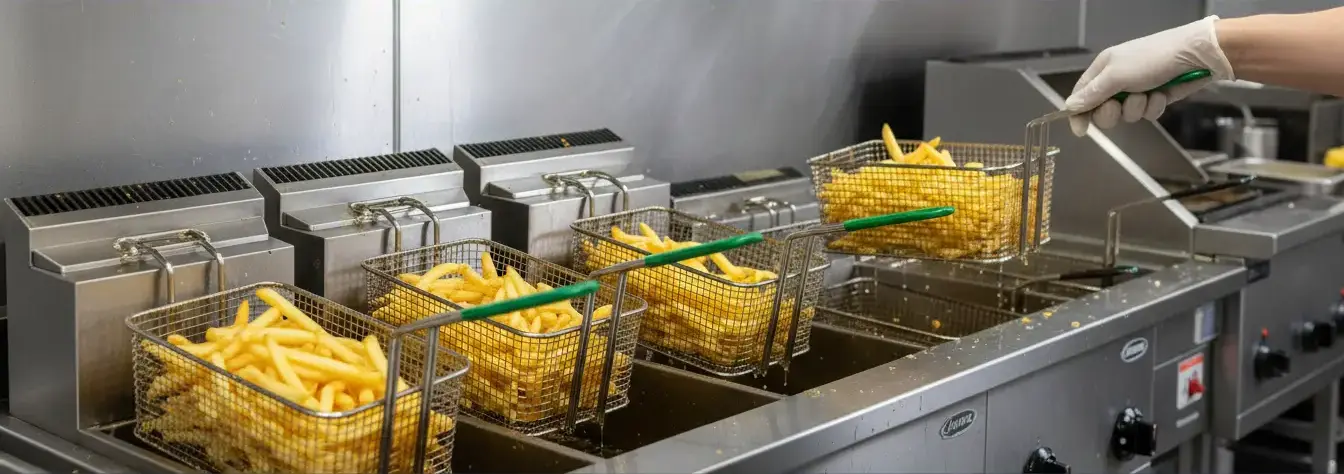
Find the Best Used Cooking Oil Collection Companies for Your Business
No obligation • Fast responses • Nationwide coverage

Why you can trust Restaurant Waste Disposal
Restaurant Waste Disposal is a leading U.S. resource for comparing restaurant composting, food-waste recycling, grease trap cleaning, and used cooking oil collection services. Our editorial team researches providers, checks credentials, and organizes unbiased information so operators can make informed decisions. Companies cannot pay to change ratings or placement.
Search providers near you
Top Used Cooking Oil Collection Companies in Brookline, Massachusetts Ranked
For restaurants and food service businesses in Brookline, managing used cooking oil (UCO) is a critical operational and environmental responsibility. Proper disposal isn't just about cleanliness; it's a regulated process that protects local plumbing and sewer systems while contributing to a circular economy. By partnering with a certified private hauler, Brookline establishments can ensure their waste oil is collected efficiently and recycled into valuable products like renewable fuel, turning a waste stream into a resource. This guide outlines the essential practices, local rules, and service options for effective grease and oil management in Brookline.
Lifecycle Renewables Inc
75 Industrial Ave, Tewksbury, MA 01876
Lifecycle Renewables Inc is a used cooking oil collection company based in Lowell, MA. They specialize in collecting used cooking oil from food service businesses, providing clean and respectful removal services. The company is known for its reliable pick-up service and high-quality containers, ensuring efficient oil collection.
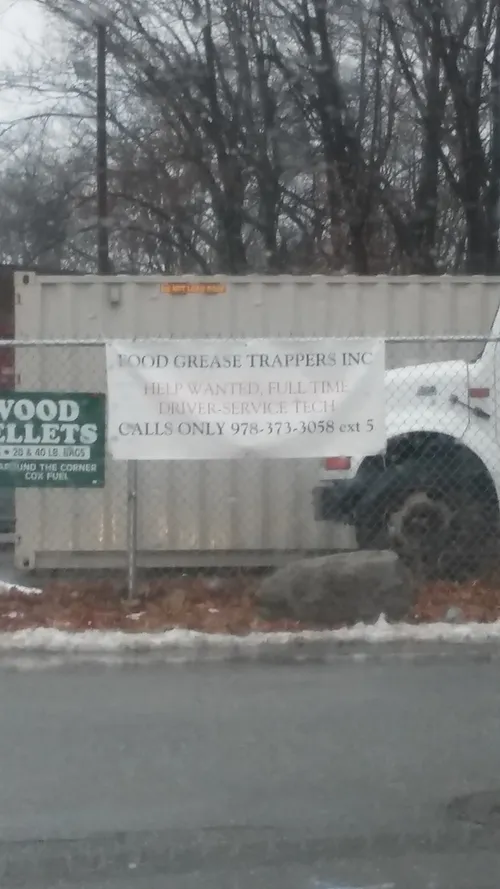
Food Grease Trappers Inc.
111 Quebec St, Lowell, MA 01852
Food Grease Trappers Inc. is a grease trap cleaning and used cooking oil collection company based in Lowell, MA. They serve the food service industry across New England, providing grease trap maintenance and waste vegetable oil collection. The company has over 20 years of experience and focuses on environmentally responsible disposal methods, working with local partners to benefit the community. Food Grease Trappers emphasizes proper scheduling to accommodate clients' reopening plans amid easing restrictions.
Understanding Brookline's Regulations for Oil and Grease
Navigating local waste rules is the first step to compliant and hassle-free operations. In Brookline, as in much of Massachusetts, used cooking oil is classified separately from regular solid waste and requires special handling.
Prohibition on Drain Disposal It is illegal to pour fats, oils, and grease (FOG) down any drain. This practice is a leading cause of sewer blockages, which can lead to costly backups, environmental contamination, and significant fines for your business 1. Grease solidifies in pipes, creating stubborn clogs that affect not only your plumbing but also the municipal sewer system.
Mandatory Grease Trap Maintenance Commercial kitchens are required to have properly sized and functioning grease traps or interceptors. These devices capture FOG before wastewater enters the sewer system. Regular professional cleaning of these traps is not just a recommendation-it's essential for preventing odors, clogs, and potential business interruptions due to non-compliance.
Hazardous Waste Designation Used cooking oil is not accepted in Brookline's curbside municipal trash or recycling programs. It must be collected by a licensed and certified private hauler who specializes in this material stream. Attempting to dispose of it with general waste violates local solid waste regulations.
Best Practices for On-Site Oil Management
Before collection even occurs, how you handle oil in your kitchen directly impacts safety, efficiency, and the quality of the recycled product.
Cooling and Filtering Always allow oil to cool completely in the fryer, ideally below 120°F, before transferring it to avoid serious burn risks. Prior to storage, scrape out solid fats and filter the oil to remove food particles. This simple step prevents clogs in your storage container and yields a cleaner product for recycling.
Secure Storage Solutions Once cooled and filtered, oil should be transferred to a dedicated, sealable container. Most professional collection services will provide a secure storage tank or barrel. These containers should have tight-fitting lids and be stored in a designated area, either indoors or in a secured outdoor location. Proper storage prevents spills, deters pests, and secures your oil from theft, which has become an issue for its commodity value.
The Professional Collection Process
Engaging a professional service simplifies compliance and logistics. Here's what a typical service entails:
Scheduled Pickups Service providers like Mahoney Environmental, Baker Commodities, and Grand Natural Inc. work with you to establish a pickup schedule that matches your oil production volume-whether it's weekly, bi-weekly, or monthly. On the scheduled day, a trained technician will arrive with a specialized collection vehicle.
Transfer and Documentation The technician will pump the oil from your storage tank directly into their truck. Reputable companies provide documentation or electronic tracking for each pickup, which is crucial for your records and demonstrates environmental compliance. This hands-off process minimizes labor for your staff and ensures safe, contained transfer.
Find the perfect used cooking oil collection companies for your needs
Get personalized recommendations and expert advice
The Recycling Journey: From Waste to Resource
The used cooking oil collected from Brookline restaurants doesn't go to a landfill. It enters a sophisticated recycling chain that creates new, sustainable products.
Conversion to Biofuel The primary destination for recycled UCO is biofuel production. Through a refining process, the oil is converted into renewable diesel or sustainable aviation fuel (SAF) 2. These drop-in fuels significantly reduce greenhouse gas emissions compared to their petroleum-based counterparts and represent a growing market for waste-derived energy.
Other Product Streams In some cases, properly processed UCO can be used as a component in animal feed supplements or in the production of oleochemicals for soaps and lubricants 3. The collection service you choose handles the entire downstream recycling process, ensuring the oil is processed at certified facilities.
Understanding Costs and Potential Revenue
The financial model for used cooking oil collection can vary, but services are often designed to be low-cost or even revenue-generating for the restaurant.
Free Collection Services Many providers offer free collection tanks, free scheduled pickups, and free recycling for businesses that generate a consistent volume of oil. The service is "free" because the company generates revenue from the sale of the recycled commodity 4 5. This is a very common model for medium to high-volume producers.
Fee-Based and Revenue-Share Models For smaller establishments or those with irregular output, some companies may charge a per-gallon collection fee, which can range depending on volume and location 6. Conversely, businesses producing very large volumes (often hundreds of gallons per week) may qualify for a small revenue share, where the hauler pays the business a fluctuating market rate for the oil 6. It's important to discuss the specific pricing structure with any potential provider.
The Cost of Non-Compliance It's critical to view any service fee in the context of potential avoidance costs. Fines for improper grease trap maintenance or illegal drain disposal can be substantial 7 8. The value of a reliable service includes risk mitigation, regulatory compliance, and the saved labor of managing the waste yourself.
Choosing a Service Provider in Brookline
When selecting a used cooking oil collection partner, consider more than just price.
Key Service Features to Look For:
- Certification & Compliance: Ensure the hauler is fully licensed and insured to operate in Massachusetts and Brookline.
- Equipment Provision: They should supply and maintain the outdoor storage tank or indoor containers.
- Reliable Scheduling: Look for a company known for punctual, consistent pickups to avoid overflows.
- Environmental Stewardship: Inquire about their recycling partners and the end products made from your oil.
- Customer Support: Choose a provider that offers clear documentation and responsive communication.
By implementing proper on-site practices and partnering with a reputable collector, Brookline restaurants can efficiently manage their used cooking oil, stay in full compliance with local regulations, and contribute positively to regional sustainability efforts.
Frequently asked questions
Sources
Footnotes
-
Used Cooking Oil Disposal: Complete Guide to Grease Pickups - https://greaseconnections.com/used-cooking-oil-disposal-guide-grease-pickups/ ↩
-
Used Cooking Oil Pickup vs Drop-Off - GreasePros Recycling - https://www.greaseprosrecycling.com/used-cooking-oil-pickup-vs-drop-off/ ↩
-
Restaurant Grease Collection in Boston - Baker Commodities - https://bakercommodities.com/our-locations/boston-ma/ ↩
-
Used Cooking Oil Pickup and Recycling Services in Boston MA - https://www.mahoneyes.com/waste-oil-pickup-recycling-boston-ma/ ↩
-
Used Cooking Oil Collection Boston | Grand Natural Inc - https://www.grandnaturalinc.com/locations/used-cooking-oil-recycling-in-boston.html ↩
-
Restaurant Used Cooking Oil Recycling & Disposal Guide - https://greaseconnections.com/restaurant-used-cooking-oil-disposal-recycling-revenue-guide/ ↩ ↩2
-
Restaurant Grease Pick Up & Disposal Services in Boston MA - https://www.mahoneyes.com/fryer-oil-disposal-recycling-boston-ma/ ↩
-
SOLID WASTE REGULATIONS - Brookline, MA - https://www.brooklinema.gov/DocumentCenter/View/44559/SOLID-WASTE-REGULATIONS-CURRENT ↩