Find the Best Used Cooking Oil Collection Companies for Your Business
No obligation • Fast responses • Nationwide coverage

Why you can trust Restaurant Waste Disposal
Restaurant Waste Disposal is a leading U.S. resource for comparing restaurant composting, food-waste recycling, grease trap cleaning, and used cooking oil collection services. Our editorial team researches providers, checks credentials, and organizes unbiased information so operators can make informed decisions. Companies cannot pay to change ratings or placement.
Search providers near you
Top Used Cooking Oil Collection Companies in Boston, Massachusetts Ranked
For Boston's bustling restaurant industry, managing used cooking oil (UCO) is a critical operational and environmental responsibility. Proper waste oil collection is not just about cleanliness; it's a mandated process governed by state and local regulations designed to protect the city's infrastructure and promote sustainability. By partnering with licensed haulers, food service establishments can ensure compliance, improve safety, and contribute to a circular economy where this waste product is transformed into renewable biofuels. This guide outlines the essential steps, rules, and benefits of establishing a reliable UCO management system in Boston.
Lifecycle Renewables Inc
75 Industrial Ave, Tewksbury, MA 01876
Lifecycle Renewables Inc is a used cooking oil collection company based in Lowell, MA. They specialize in collecting used cooking oil from food service businesses, providing clean and respectful removal services. The company is known for its reliable pick-up service and high-quality containers, ensuring efficient oil collection.
Food Grease Trappers Inc.
111 Quebec St, Lowell, MA 01852
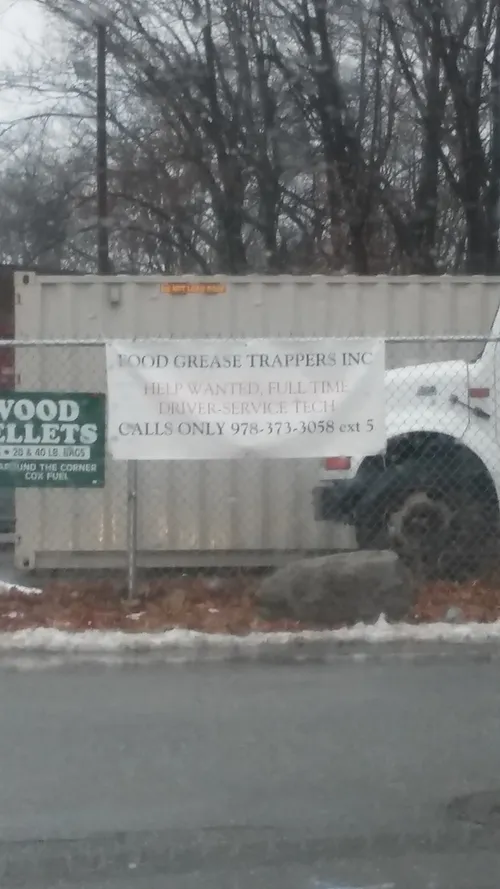
Food Grease Trappers Inc. is a grease trap cleaning and used cooking oil collection company based in Lowell, MA. They serve the food service industry across New England, providing grease trap maintenance and waste vegetable oil collection. The company has over 20 years of experience and focuses on environmentally responsible disposal methods, working with local partners to benefit the community. Food Grease Trappers emphasizes proper scheduling to accommodate clients' reopening plans amid easing restrictions.
Understanding Boston's Waste Oil Regulations
Navigating the regulatory landscape is the first step to compliant used cooking oil management. In Massachusetts, used cooking oil is regulated as a waste oil, and its handling falls under the Massachusetts Department of Environmental Protection (MassDEP) guidelines. Boston restaurants are required to use licensed haulers for UCO collection and disposal. Critically, fats, oils, and grease (FOG) must never be poured down drains, as they are a leading cause of sewer blockages and can lead to significant fines from the Boston Water and Sewer Commission (BWSC).
Furthermore, the state's Commercial Organics Ban mandates that businesses disposing of more than half a ton of organic material per week must divert it from landfills. This includes food waste and used cooking oil, making proper collection and recycling a legal requirement for many larger establishments 1. Storage is also regulated; UCO must be kept in designated, clearly labeled containers (e.g., "Waste Oil") that are separate from other hazardous wastes to prevent contamination and facilitate safe pickup 2 3.
The Step-by-Step Process for Oil Collection
A well-organized UCO management process protects your business and streamlines operations.
1. Secure Proper Storage Containers The process begins with safe, compliant storage. Most professional collection companies provide dedicated containers, such as barrels or secure outdoor tanks, often at no upfront cost as part of their service agreement. These containers should be placed in a designated area, clearly marked, and designed to prevent spills, leaks, and unauthorized access or theft.
2. Schedule Regular Pickups with a Licensed Hauler Consistency is key. Reputable providers like Baker Commodities, Mahoney Environmental, and Grand Natural Inc. work with Boston restaurants to establish a regular pickup schedule-whether weekly, bi-weekly, or monthly-based on your oil production volume. This scheduled service ensures your containers never overflow and helps maintain a clean, safe kitchen environment.
3. Handoff and Documentation On pickup day, the hauler's representative will safely transfer the oil from your storage container to their specialized truck. It is crucial to maintain records of these transactions. Documentation, often provided as a service ticket or log, is your proof of compliant disposal for any regulatory audits or compliance checks 4.
Find the perfect used cooking oil collection companies for your needs
Get personalized recommendations and expert advice
From Waste to Resource: The Recycling Journey
Once collected, your used fryer oil embarks on a transformative journey. It is not re-refined for food use. Instead, it is transported to regional recycling facilities where it is processed into valuable raw materials. The primary end product is biodiesel or renewable diesel, which are cleaner-burning alternatives to petroleum-based fuels 5. This recycling process turns a waste liability into a resource, powering vehicles and heating systems while reducing reliance on fossil fuels. By participating in this cycle, Boston restaurants directly support regional sustainability initiatives and the green energy economy.
Key Benefits of Professional UCO Management
Partnering with a professional used cooking oil collection service offers tangible advantages beyond mere compliance.
- Regulatory Compliance and Risk Mitigation: Professional services handle the complexities of licensing and disposal regulations, significantly reducing your risk of incurring hefty fines for improper disposal or sewer discharges.
- Enhanced Safety and Cleanliness: Proper containers and regular pickups minimize the risk of slippery spills in the kitchen or storage area, protecting staff and customers. It also eliminates odors and pests associated with stored waste oil.
- Operational Efficiency: Outsourcing this logistical task frees up your staff's time and eliminates the hassle of managing waste disposal internally. Many services also include maintenance of their provided equipment.
- Strengthened Sustainability Profile: Demonstrating a commitment to proper recycling enhances your restaurant's brand image among environmentally conscious consumers. It's a concrete action that supports your green business claims.
- Potential Revenue or Cost Offset: While costs vary, some market-based programs may offer compensation for high volumes of quality UCO. More commonly, the service cost is offset by avoiding disposal fees and fines, making it a financially prudent choice 6.
Choosing a Service Provider in Boston
Selecting the right partner is crucial. Look for a provider that is fully licensed and insured to operate in Boston and Massachusetts. Experience with local regulations is a must. Consider the range of services: do they offer flexible scheduling, reliable equipment (like locking tanks to prevent theft), and clear documentation? Established companies serving the Boston area include Baker Commodities, which emphasizes comprehensive compliance and logistics support 7; Mahoney Environmental, which offers regular pickup and recycling services throughout New England 8 9; and Grand Natural Inc., which provides equipment and collection 10. Always request a clear service agreement detailing costs, pickup frequency, and equipment responsibilities.
Implementing Best Practices On-Site
Even with a great hauler, success depends on daily best practices in your kitchen.
- Designate a Single Pour-Off Point: Train all kitchen staff to pour cooled UCO only into the designated collection container-never into sinks, floor drains, or trash bins.
- Maintain Container Integrity: Keep the storage container's lid securely closed and the area around it clean. Report any leaks or damage to your service provider immediately.
- Communicate with Your Hauler: Keep an open line of communication. If your oil volume changes significantly (e.g., during a seasonal rush), inform your provider to adjust the pickup schedule as needed.
- Leverage Local Resources: The Boston Water and Sewer Commission (BWSC) offers resources, and has previously provided free grease can lids to encourage proper FOG management 11. Staying informed about such local programs can aid your efforts.
Frequently asked questions
Sources
Footnotes
-
Restaurants - https://recyclingworksma.com/how-to/business-sector-guidance/restaurants/ ↩
-
Waste Oil Management - Mass.gov - https://www.mass.gov/info-details/waste-oil-management ↩
-
Grease Trap Regulations - Millis MA | - https://www.millisma.gov/board-health/files/grease-trap-regulations ↩
-
Boston Commercial Waste Disposal: Essential Guide For Facilities ... - https://www.myshyft.com/blog/commercial-waste-disposal-services-boston-massachusetts/ ↩
-
What happens with the used oil from restaurants and fast-food ... - https://www.quora.com/What-happens-with-the-used-oil-from-restaurants-and-fast-food-chains-Is-there-any-sort-of-recycling ↩
-
Used Oil Collection Sites | Department of Environmental Protection - https://www.pa.gov/agencies/dep/programs-and-services/waste-programs/solid-waste-programs/residual-waste-program/waste-oil-program/used-oil-collection-sites ↩
-
Restaurant Grease Collection in Boston - Baker Commodities - https://bakercommodities.com/our-locations/boston-ma/ ↩
-
Used Cooking Oil Pickup and Recycling Services in Boston MA - https://www.mahoneyes.com/waste-oil-pickup-recycling-boston-ma/ ↩
-
Used Cooking Oil Pick Up & Recycling Service in New England - https://www.mahoneyes.com/waste-oil-pickup-recycling-new-england/ ↩
-
Used Cooking Oil Collection Boston - https://www.grandnaturalinc.com/locations/used-cooking-oil-recycling-in-boston.html ↩
-
Proper Disposal of Fats, Oils, and Grease - https://www.bwsc.org/sites/default/files/2019-01/currents_2016_6_nov_dec.pdf ↩