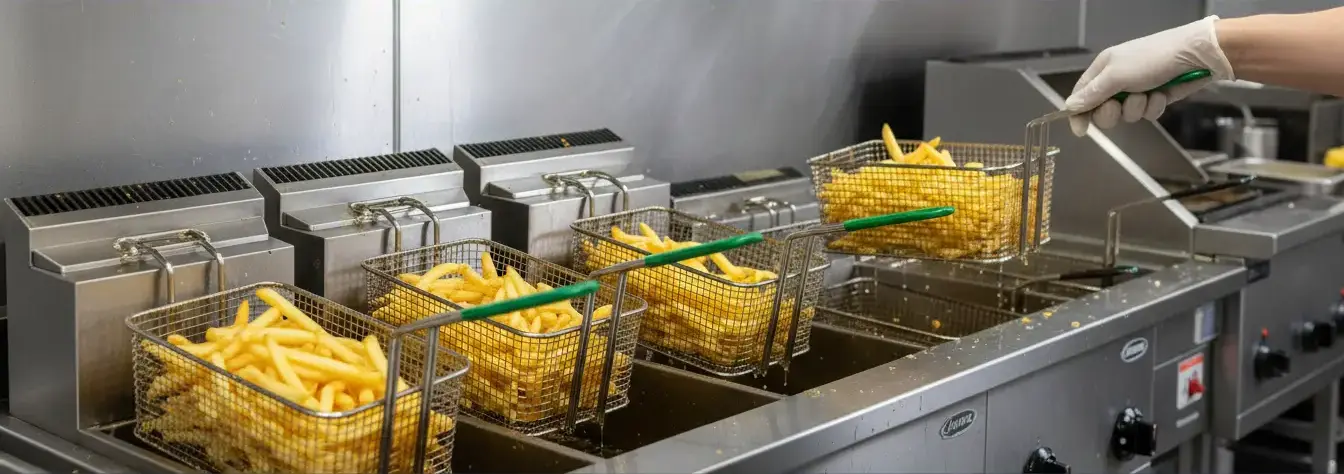
Find the Best Used Cooking Oil Collection Companies for Your Business
No obligation • Fast responses • Nationwide coverage

Why you can trust Restaurant Waste Disposal
Restaurant Waste Disposal is a leading U.S. resource for comparing restaurant composting, food-waste recycling, grease trap cleaning, and used cooking oil collection services. Our editorial team researches providers, checks credentials, and organizes unbiased information so operators can make informed decisions. Companies cannot pay to change ratings or placement.
Search providers near you
Top Used Cooking Oil Collection Companies in Skokie, Illinois Ranked
For restaurants and food service establishments in Skokie, managing used cooking oil (UCO) is a critical operational and environmental responsibility. Proper disposal of this waste product isn't just about cleanliness; it's a regulated process that protects local plumbing, supports sustainability, and helps businesses avoid significant fines. By partnering with a licensed hauler for professional grease collection, Skokie businesses ensure their oil is safely transported and recycled into valuable resources like biodiesel, contributing to a circular economy right here in Illinois. This guide outlines the local rules, best practices, and service options for effective UCO management.

Aurora Tallow, Inc.
440 Main St, Warrenville, IL 60555
Aurora Tallow, Inc. provides used cooking oil collection services in Chicago, IL. The company specializes in recycling restaurant grease and oil, helping businesses manage their waste responsibly. Aurora Tallow, Inc. serves clients in the local area with a focus on environmentally conscious disposal methods.
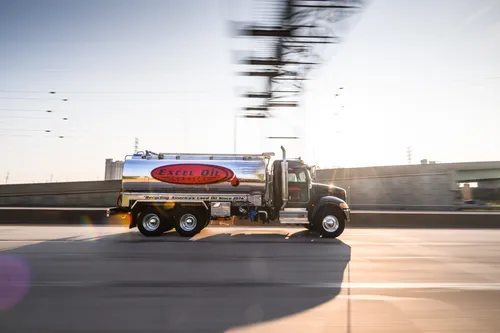
Excel Oil Service
4301 S Knox Ave, Chicago, IL 60632
Excel Oil Service is a used cooking oil collection company based in Chicago, IL. The company specializes in collecting used cooking oil from various businesses in the area, helping to manage waste and support recycling efforts. Excel Oil Service focuses on efficient and responsible oil collection to serve the needs of local clients.
Understanding Local Regulations for Oil Disposal
Navigating the regulatory landscape is the first step to compliant and responsible oil disposal. Skokie businesses must adhere to both local ordinances and Illinois state environmental laws.
The Illegality of Drain Dumping It is illegal to pour used fryer oil or grease down any drain, including sinks, floor drains, or toilets 1. This practice, known as "grease dumping," is a primary cause of sewer blockages and sanitary sewer overflows. Violations can lead to substantial fines from municipal authorities and even forced business closures 2. The cost of these penalties far exceeds the price of a proper recycling service 3.
State Licensing and Documentation Requirements The Illinois Environmental Protection Agency (IEPA) classifies used cooking oil as a waste that requires careful tracking. Businesses must use an IEPA-licensed hauler for transportation 4. Each shipment of collected oil must be accompanied by a manifest document, which provides a legal "cradle-to-grave" tracking system from your establishment to the recycling facility 5. Furthermore, if you store more than 55 gallons of used oil on-site for longer than 35 days, you may need to obtain a storage permit from the IEPA 5.
Best Practices for On-Site Storage and Handling
Safe and efficient handling begins in your kitchen. Implementing proper procedures protects your staff, secures your oil asset, and makes the hauler's job easier.
Cooling and Initial Transfer Always allow oil to cool below 120°F (approximately 49°C) before handling to prevent burns and fire hazards 6. Use a dedicated, sealable oil caddy or transfer container to move cooled oil from fryers to your main storage unit. This minimizes spills and mess in the kitchen.
Secure Storage Solutions Your main storage container is key. Licensed collectors often provide these containers for free as part of their service. Options include:
- Indoor Drums: Fire-rated safety drums for smaller volumes or limited space.
- Outdoor Tanks: Larger, often heated, containers placed near your back door or loading dock for easy access.
Regardless of type, containers must have tight-fitting lids to prevent rainwater contamination and should be equipped with locks 7. Locking containers prevent unauthorized dumping of other wastes into your oil (which can ruin its value) and deter theft, as used oil has a market value for recyclers.
Optimizing Pickup Logistics Place your storage container in a clear, accessible area near your back entrance. Ensure the path is free of obstacles for the hauler's truck. Many businesses find it efficient to schedule their UCO pickup to coincide with regular grease trap cleaning services, creating a comprehensive fats, oils, and grease (FOG) management routine.
Find the perfect used cooking oil collection companies for your needs
Get personalized recommendations and expert advice
The Collection and Recycling Process: From Fryer to Fuel
Understanding what happens after pickup highlights the environmental and economic benefits of proper UCO recycling.
Step 1: Professional Collection On a scheduled pickup day, a licensed hauler arrives with a specialized vacuum truck. They will connect to your storage container, pump out the used oil, and provide you with or note a service ticket. The hauler is responsible for completing the required state manifest for the load.
Step 2: Transportation and Processing The collected oil is transported to a processing facility. There, it undergoes filtration to remove food particles and water. This purification process prepares the oil for its next life.
Step 3: Transformation into Biofuel The cleaned used cooking oil is a primary feedstock for biodiesel production 8 9. Through a chemical process called transesterification, the oil is converted into biodiesel, a renewable, cleaner-burning fuel that can power diesel vehicles and equipment. This recycling loop turns a waste product into a valuable energy resource, reducing reliance on fossil fuels.
Navigating Service Options and Associated Costs
Choosing a reliable service provider is crucial. Costs can vary, but they are an investment in compliance, safety, and sustainability.
Understanding Service Structures Many providers in the Skokie area, such as Grand Natural and Mahoney Environmental, offer free collection containers as part of their service agreement 10 11. The service fee itself is typically based on factors like pickup frequency, volume of oil generated, and the specific services bundled (e.g., if grease trap cleaning is included). In some cases, the value of the recycled oil may help offset a portion of the service cost, though businesses generally pay for the pickup and handling service 12.
The Real Cost of Non-Compliance When evaluating costs, it's essential to consider the alternative. The expense of a routine pickup service is minimal compared to the potential costs of:
- Municipal fines for illegal dumping.
- Plumbing bills to clear grease-clogged lines on your property.
- Increased sewer charges if FOG impacts municipal systems.
- Lost business during a forced closure for environmental violations.
Selecting a Provider Look for an IEPA-licensed hauler with a strong local reputation. Key providers serving Skokie include Mahoney Environmental, which offers comprehensive UCO pickup and grease trap services for the Chicago area, and Grand Natural, which provides collection and free container services specifically in Skokie. Ensure they provide proper documentation, including manifests, for your records.
Integrating UCO Management into Your Operations
Making used oil collection a seamless part of your daily routine ensures consistency and safety.
Staff Training and Responsibility Designate specific staff members responsible for oil cooling, transfer, and storage area cleanliness. Train all kitchen staff on the importance of never pouring oil down drains and the correct procedures for handling hot oil.
Record-Keeping and Scheduling Maintain a log of pickup dates, volumes collected, and hauler information. File all service receipts and manifest copies. Work with your provider to establish an optimal pickup schedule that prevents overfilling your container and avoids any potential need for a state storage permit.
The Bigger Picture: Sustainability Promote your restaurant's commitment to sustainability by sharing your UCO recycling efforts with customers. This responsible practice not only meets legal obligations but also aligns with growing consumer preference for environmentally conscious businesses, turning a waste management task into a positive brand story.
Frequently asked questions
Sources
Footnotes
-
Restaurant Grease Pick Up & Disposal Services in Chicago, IL - https://www.mahoneyes.com/fryer-oil-disposal-recycling-chicago-il/ ↩
-
Used Cooking Oil Recycling - Glenbard Wastewater Authority - https://www.gbww.org/blog/used-cooking-oil-recycling/ ↩
-
Restaurant Oil Disposal: Explained - https://eazygrease.com/how-do-restaurants-get-rid-of-their-oil/ ↩
-
Used Oil - Illinois Environmental Protection Agency - https://epa.illinois.gov/topics/waste-management/waste-disposal/used-oil.html ↩
-
Used Oil A Summary of Regulatory Requirements - https://epa.illinois.gov/content/dam/soi/en/web/epa/topics/waste-management/waste-disposal/used-oil/documents/used-oil-regulatory-requirements.pdf ↩ ↩2
-
Used Cooking Oil Disposal: Complete Guide to Grease Pickups - https://greaseconnections.com/used-cooking-oil-disposal-guide-grease-pickups/ ↩
-
Restaurant Used Cooking Oil Recycling & Disposal Guide - https://greaseconnections.com/restaurant-used-cooking-oil-disposal-recycling-revenue-guide/ ↩
-
Used Cooking Oil Pickup vs Drop-Off - GreasePros Recycling - https://www.greaseprosrecycling.com/used-cooking-oil-pickup-vs-drop-off/ ↩
-
Used Cooking Oil (UCO) Collection Service For Restaurants - https://thegreasecompany.com/blog/restaurant-used-cooking-oil-collection/ ↩
-
Used Cooking Oil Pickup & Recycling Services in Chicago, IL - https://www.mahoneyes.com/restaurant-oil-recycling-chicago-il/ ↩
-
Used Cooking Oil Pickup and Recycling Services in Skokie - https://www.grandnatural.com/locations/used-cooking-oil-recycling-in-skokie.html ↩
-
Fryer Oil Recycling | Chicagoland - https://www.apgreasetrappers.com/fryer-oil-recycling-and-buy-back ↩