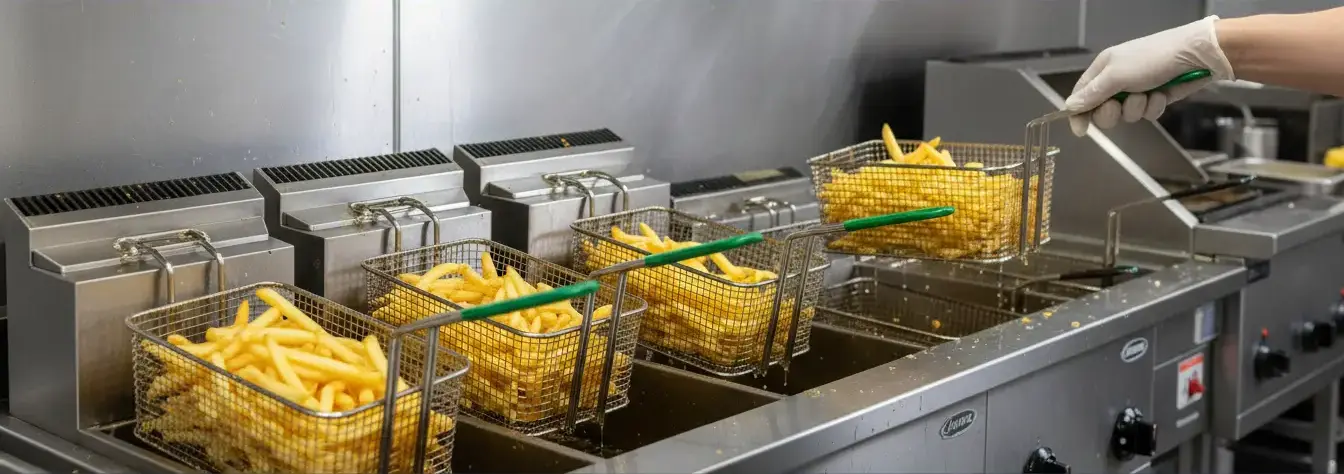
Find the Best Used Cooking Oil Collection Companies for Your Business
No obligation • Fast responses • Nationwide coverage

Why you can trust Restaurant Waste Disposal
Restaurant Waste Disposal is a leading U.S. resource for comparing restaurant composting, food-waste recycling, grease trap cleaning, and used cooking oil collection services. Our editorial team researches providers, checks credentials, and organizes unbiased information so operators can make informed decisions. Companies cannot pay to change ratings or placement.
Search providers near you
Best Used Cooking Oil Collection Companies in Illinois Ranked
For Illinois restaurants, managing used cooking oil (UCO) is a regulated operational necessity with significant environmental and financial implications. Proper collection and recycling are not just about cleanliness; they are governed by state environmental rules designed to protect infrastructure and promote sustainability. By partnering with a licensed service, food service establishments can transform a waste product into valuable biofuels, ensure regulatory compliance, and avoid the substantial fines associated with improper disposal. This guide outlines the key regulations, benefits, and practical steps for effective used cooking oil management in Illinois.

Aurora Tallow, Inc.
440 Main St, Warrenville, IL 60555
Aurora Tallow, Inc. provides used cooking oil collection services in Chicago, IL. The company specializes in recycling restaurant grease and oil, helping businesses manage their waste responsibly. Aurora Tallow, Inc. serves clients in the local area with a focus on environmentally conscious disposal methods.

A&P Grease Trappers, Inc
801 N Raddant Rd, Batavia, IL 60510
A&P Grease Trappers, Inc is a family-owned business serving Aurora, IL, and the Chicagoland area since 2006. They specialize in grease trap cleaning, fryer oil recycling and buy-back, drain and sewer cleaning, septic tank pumping, and RPZ testing. Their licensed professionals use modern equipment to maintain compliance and ensure efficient operations for restaurants, businesses, and municipalities. The company offers 24-hour emergency services with a commitment to respond within one hour for urgent needs.
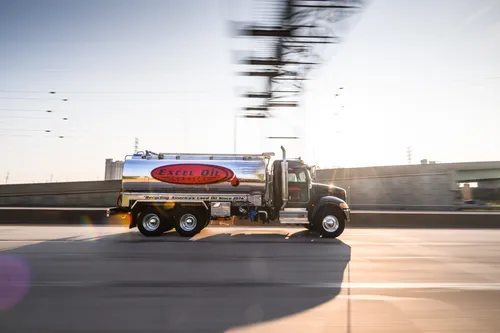
Excel Oil Service
4301 S Knox Ave, Chicago, IL 60632
Excel Oil Service is a used cooking oil collection company based in Chicago, IL. The company specializes in collecting used cooking oil from various businesses in the area, helping to manage waste and support recycling efforts. Excel Oil Service focuses on efficient and responsible oil collection to serve the needs of local clients.
Kaluzny Brothers Inc
1528 Mound Rd, Rockdale, IL 60436
Kaluzny Brothers Inc is a third-generation family-owned rendering company located in Joliet, IL. They specialize in the sustainable recycling of animal by-products, including oils, bones, and fats, to create essential ingredients used in everyday products. Their services focus on reducing food waste through complete rendering solutions. Kaluzny Brothers Inc has been serving clients for over 20 years and is known for thorough grease trap cleaning and used cooking oil collection.
Understanding Illinois Regulations for Used Cooking Oil
In Illinois, used cooking oil is regulated as a "special waste" under the Illinois Environmental Protection Agency's (IEPA) Part 739 rules 1 2. These regulations establish a clear framework for how businesses must handle, store, and transport UCO to prevent environmental harm. The primary goal is to keep fats, oils, and grease (FOG) out of the sewer system, where they can cause costly blockages and sanitary sewer overflows. Compliance is not optional; it's a legal requirement for restaurants and other food service operations.
The rules distinguish between different levels of handling. For instance, if a restaurant generates less than 55 gallons of used oil per month and transports it to a site they own or operate for aggregation, they may not need to use a licensed hauler 3. However, for the vast majority of establishments using a professional collection service-which is the most common and recommended practice-specific requirements for transporters and record-keeping come into play.
Key Regulatory Requirements
- Storage: UCO must be stored in secure, clearly labeled containers that are in good condition. These containers should be kept in a cool, dry location, away from public access and extreme temperatures to minimize fire risks and prevent spills 4. The Illinois State Fire Marshal provides guidance on classifying and storing waste oil, which falls under Class IIIB combustible liquid rules 5.
- Transport: Commercial transportation of UCO typically requires a licensed Illinois Special Waste Hauler. These haulers must have EPA/IEPA identification numbers and use manifests to track shipments, ensuring a documented chain of custody from your restaurant to the recycling facility 6.
- Prohibitions: It is illegal to pour used cooking oil down any drain, including floor drains, sinks, or toilets. Disposing of UCO in the regular trash is also prohibited. These actions can lead to severe plumbing issues, environmental contamination, and significant penalties from local municipalities and the IEPA 7.
The Environmental and Economic Benefits of Recycling
Recycling used cooking oil is a cornerstone of a modern restaurant's sustainability program. When collected properly, UCO is not waste but a valuable feedstock for the circular economy.
The primary end product for recycled UCO is biofuel. It is processed into renewable diesel and sustainable aviation fuel (SAF), which burn cleaner than their petroleum-based counterparts, reducing greenhouse gas emissions 8 9. By choosing to recycle, your restaurant directly contributes to lowering the carbon footprint of the transportation sector. Furthermore, proper recycling eliminates the risk of UCO contaminating local waterways and soil, protecting Illinois's natural resources.
From a business perspective, recycling offers predictable cost management. Instead of facing unpredictable and often high fines for sewer backups or illegal dumping violations, restaurants can work with a collection service for a known monthly fee. Many services provide the collection containers and regular pickup at no upfront cost, building the service fee into their model. This turns a potential liability into a streamlined, responsible operational process.
Cost Considerations for Professional Pickup Services
While costs can vary based on your location within Illinois, the volume of oil you generate, and the frequency of pickup, typical pricing structures provide a useful benchmark. Most services charge a monthly fee for scheduled collection.
- Small Volume (10-20 gallons per week): Monthly fees often range from approximately $60 to $120.
- Medium Volume (30-50 gallons per week): Expect costs in the range of $150 to $300 per month.
- Large Volume (75+ gallons per week): For high-volume establishments, monthly fees can be $300 to $600 or more 10.
It's important to obtain quotes from several licensed providers. When comparing services, look beyond just price. Consider the reliability of their pickup schedule, the quality and condition of the containers they provide, their safety record, and their commitment to environmentally sound recycling practices.
Find the perfect used cooking oil collection companies for your needs
Get personalized recommendations and expert advice
Choosing a Compliant Collection Service in Illinois
Selecting the right partner for used cooking oil collection is critical for both compliance and operational efficiency. The first and most important step is to verify that any service provider is a licensed Illinois Special Waste Hauler registered with the IEPA. A legitimate hauler will be able to provide their identification numbers and explain the manifest process for tracking your oil.
Look for a service with a strong reputation for reliability and customer service. Consistent, on-time pickups prevent overflow and storage issues at your facility. The provider should supply sturdy, leak-proof containers that are appropriately sized for your needs and clearly labeled. Inquire about their final recycling destination and process to ensure your oil is being converted into biofuel or other legitimate products, not simply disposed of.
Finally, a good provider will act as a resource, helping you understand your responsibilities under Illinois law and offering best practices for on-site handling to keep your staff safe and your facility clean.
Best Practices for On-Site Management
Even with a professional collection service, proper on-site handling is essential. Implement these best practices to maintain safety and compliance:
- Designate a Storage Area: Establish a specific, well-ventilated area for UCO containers, away from food prep zones and customer areas. The area should be paved or have secondary containment to manage any potential spills.
- Train Your Staff: Ensure all kitchen staff know that used cooking oil must be cooled before being transferred to a storage container and that it must never be poured down a drain. Post clear signage as a reminder.
- Maintain Equipment: Regularly inspect collection containers for cracks, leaks, or damage. Keep lids securely fastened to prevent odors, pests, and spills.
- Keep Records: While not always mandatory for the generator, maintaining your own simple log of pickup dates, volumes collected, and hauler information is a wise practice. This documentation can be invaluable in the event of a regulatory inquiry or if you need to switch providers.
By integrating these practices, you create a system that supports your collection service, minimizes risks, and reinforces your establishment's commitment to environmental responsibility.
Frequently asked questions
Sources
Footnotes
-
Used Oil - Illinois Environmental Protection Agency - https://epa.illinois.gov/topics/waste-management/waste-disposal/used-oil.html ↩
-
Section 739.100 Definitions - Illinois General Assembly - https://www.ilga.gov/agencies/JCAR/EntirePart?titlepart=03500739 ↩
-
Collection Centers - Illinois Environmental Protection Agency - https://epa.illinois.gov/topics/waste-management/waste-disposal/used-oil/collection-centers.html ↩
-
STORAGE, USE AND HANDLING INSTRUCTIONS FOR OIL - Technilub - https://www.technilub.com/en/content/10-storage-use-and-handling-instructions-for-oil ↩
-
Classifying Waste Oil Storage - Office of the Illinois State Fire Marshal - https://sfm.illinois.gov/content/dam/soi/en/web/sfm/sfmdocuments/documents/policystatement-classifying-waste-oil-storage.pdf ↩
-
Used Oil A Summary of Regulatory Requirements - https://epa.illinois.gov/content/dam/soi/en/web/epa/topics/waste-management/waste-disposal/used-oil/documents/used-oil-regulatory-requirements.pdf ↩
-
Hazardous Waste - Illinois Environmental Protection Agency - https://epa.illinois.gov/topics/waste-management/waste-disposal/hazardous-waste.html ↩
-
Used Cooking Oil Recycling - Glenbard Wastewater Authority - https://www.gbww.org/blog/used-cooking-oil-recycling/ ↩
-
Used Cooking Oil Pickup & Recycling Services in Chicago, IL - https://www.mahoneyes.com/restaurant-oil-recycling-chicago-il/ ↩
-
Used Cooking Oil Pickup vs Drop-Off-What's Best for Restaurants? - https://www.greaseprosrecycling.com/used-cooking-oil-pickup-vs-drop-off/ ↩