Find the Best Used Cooking Oil Collection Companies for Your Business
No obligation • Fast responses • Nationwide coverage

Why you can trust Restaurant Waste Disposal
Restaurant Waste Disposal is a leading U.S. resource for comparing restaurant composting, food-waste recycling, grease trap cleaning, and used cooking oil collection services. Our editorial team researches providers, checks credentials, and organizes unbiased information so operators can make informed decisions. Companies cannot pay to change ratings or placement.
Search providers near you
Top Used Cooking Oil Collection Companies in Chicago, Illinois Ranked
For Chicago's bustling restaurant industry, managing used cooking oil is more than just a kitchen task-it's a critical component of operational efficiency, regulatory compliance, and environmental stewardship. Proper collection and recycling of this waste stream prevent costly sewer clogs, support the city's sustainability goals, and can even create a potential revenue stream. This guide outlines the essential steps, local regulations, and service options for handling waste vegetable oil and grease in the Windy City, ensuring your establishment operates smoothly and responsibly.

Aurora Tallow, Inc.
440 Main St, Warrenville, IL 60555
Aurora Tallow, Inc. provides used cooking oil collection services in Chicago, IL. The company specializes in recycling restaurant grease and oil, helping businesses manage their waste responsibly. Aurora Tallow, Inc. serves clients in the local area with a focus on environmentally conscious disposal methods.
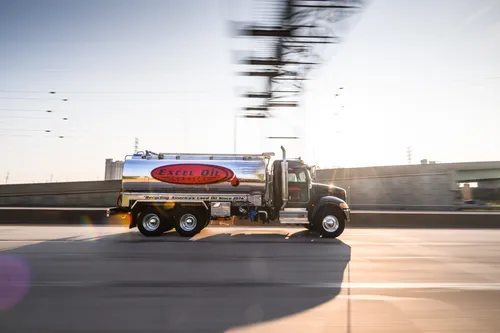
Excel Oil Service
4301 S Knox Ave, Chicago, IL 60632
Excel Oil Service is a used cooking oil collection company based in Chicago, IL. The company specializes in collecting used cooking oil from various businesses in the area, helping to manage waste and support recycling efforts. Excel Oil Service focuses on efficient and responsible oil collection to serve the needs of local clients.
Understanding Chicago's Grease and Oil Regulations
Chicago has specific ordinances designed to protect its sewer infrastructure and water quality from fats, oils, and grease (FOG). A key regulation requires food establishments that produce a significant amount of grease-specifically over 1,500 pounds per month-to store it in sealed, rodent-resistant containers 1. This rule helps prevent sanitary sewer overflows, which can lead to environmental contamination and hefty fines for businesses. Proper on-site storage is the first and most critical step in the disposal chain.
Transporting this material off-site is also tightly controlled. In Illinois, any hauler moving used cooking oil or other special waste must be licensed by the Illinois Environmental Protection Agency (IEPA) 2 3. These licensed haulers are required to carry specific identification numbers, ensuring that the waste is tracked from your establishment to a certified processing facility. Partnering with a licensed provider is not just a best practice; it's a legal necessity that shields your business from liability.
The Professional Collection and Recycling Process
Engaging a professional service provider streamlines the entire waste oil management process. Companies like Mahoney Environmental, Grand Natural, and A&P Grease Trappers offer scheduled pickups, directly from the storage tanks or containers at your location. The frequency of these collections is typically based on your volume of oil usage, with busy restaurants often requiring service every one to two weeks to prevent overflow and maintain cleanliness.
Once collected, the used oil embarks on a transformative journey. It is not simply discarded. At processing facilities, the oil is filtered to remove food particles and water. The purified oil then becomes a valuable feedstock for producing biodiesel, a renewable fuel, as well as industrial lubricants and animal feed supplements 4. This circular economy model means the oil from your deep fryer can help power vehicles or create new products, contributing directly to regional sustainability efforts.
Cost Structure and Potential Revenue
The financial model for waste oil collection can vary. For many restaurants, the service is offered at no direct cost. Haulers often provide free pickup because the recycled oil itself holds value 5. In some cases, especially for establishments generating larger volumes, this can even turn into a small revenue stream.
Many service providers offer rebate programs based on the volume of oil you recycle. Rates can fluctuate with market conditions but have been reported in the range of $0.10 to $0.65 per gallon for volumes exceeding 100 gallons 6. It's important to discuss pricing and rebate structures directly with potential haulers, as terms can differ. For smaller operations or those with minimal output, free collection remains the standard, ensuring proper disposal is accessible to all.
Find the perfect used cooking oil collection companies for your needs
Get personalized recommendations and expert advice
Options for Disposal and Recycling in Chicago
Your primary option for handling significant quantities of used fryer oil is to contract with a licensed hauler. These professional services handle everything from supplying containers to scheduling regular pickups, offering a hands-off solution for restaurant managers. Major providers in the Chicago area include the nationally recognized Mahoney Environmental, as well as local operators like Grand Natural and A&P Grease Trappers 7 8.
For very small quantities, such as those from a residential kitchen or a very small commercial operation, drop-off options exist but are limited. One known location is the Loyola University Chicago Institute of Environmental Sustainability, though it is crucial to contact them directly for current acceptance policies, hours, and quantity limits 9. For most food service businesses, however, the scale of waste makes a scheduled professional pickup the only practical and compliant choice.
Benefits of Proper Oil Management
Beyond regulatory compliance, a robust used cooking oil program offers tangible benefits. Environmentally, it diverts waste from landfills and contributes to the production of renewable biofuels, reducing reliance on fossil fuels 10 11. Operationally, it minimizes pests and odors associated with improperly stored grease, maintaining a safer and more pleasant workspace for your staff.
Furthermore, it protects your business from the severe risks of sewer line blockages. FOG poured down drains solidifies in pipes, leading to backups that can cause property damage, interrupt business, and result in significant remediation costs and fines from the city. Proactive management through professional collection is a straightforward investment in risk mitigation.
Choosing a Service Provider in Chicago
When selecting a partner for your grease trap cleaning and oil collection needs, verification is key. Always confirm that the hauler holds a current IEPA license for transporting special waste. Ask for references from other local restaurants and inquire about their service reliability, container maintenance, and billing transparency.
Discuss the specifics of their program: Do they provide locked, durable collection containers? What is their typical service schedule and response time for emergency pickups? How do they handle documentation and tracking for environmental compliance? Understanding these details will help you form a partnership that keeps your kitchen running cleanly and efficiently, while fulfilling your environmental responsibilities.
Frequently asked questions
Sources
Footnotes
-
7-28-300 Removal of restaurant garbage. - American Legal Publishing - https://codelibrary.amlegal.com/codes/chicago/latest/chicago_il/0-0-0-2641353 ↩
-
Used Oil - Illinois Environmental Protection Agency - https://epa.illinois.gov/topics/waste-management/waste-disposal/used-oil.html ↩
-
Used Oil A Summary of Regulatory Requirements - https://epa.illinois.gov/content/dam/soi/en/web/epa/topics/waste-management/waste-disposal/used-oil/documents/used-oil-regulatory-requirements.pdf ↩
-
What happens with the used oil from restaurants and fast-food ... - https://www.quora.com/What-happens-with-the-used-oil-from-restaurants-and-fast-food-chains-Is-there-any-sort-of-recycling ↩
-
Fryer Oil Recycling | Chicagoland - A&P Grease Trappers - https://www.apgreasetrappers.com/fryer-oil-recycling-and-buy-back ↩
-
Restaurant Used Cooking Oil: Disposal, Recycling & Revenue Guide - https://greaseconnections.com/restaurant-used-cooking-oil-disposal-recycling-revenue-guide/ ↩
-
Restaurant Grease Pick Up & Disposal Services in Chicago, IL - https://www.mahoneyes.com/fryer-oil-disposal-recycling-chicago-il/ ↩
-
Used Cooking Oil Pickup and Recycling Chicago - Grand Natural - https://www.grandnatural.com/locations/used-cooking-oil-recycling-in-chicago.html ↩
-
Does Chicago offer cooking-oil recycling? - https://www.recyclebycity.com/chicago/notebook/does-chicago-offer-cooking-oil-recycling ↩
-
Used Cooking Oil Pickup & Recycling Services in Chicago, IL - https://www.mahoneyes.com/restaurant-oil-recycling-chicago-il/ ↩
-
Recycling Used Cooking Oil With Green Grease Environmental - https://www.youtube.com/watch?v=KP05Yx-GkHk ↩