Find the Best Used Cooking Oil Collection Companies for Your Business
No obligation • Fast responses • Nationwide coverage

Why you can trust Restaurant Waste Disposal
Restaurant Waste Disposal is a leading U.S. resource for comparing restaurant composting, food-waste recycling, grease trap cleaning, and used cooking oil collection services. Our editorial team researches providers, checks credentials, and organizes unbiased information so operators can make informed decisions. Companies cannot pay to change ratings or placement.
Search providers near you
Top Used Cooking Oil Collection Companies in Schaumburg, Illinois Ranked
For restaurants and food service establishments in Schaumburg, managing used cooking oil (UCO) is a critical operational and environmental responsibility. Proper disposal of this waste stream is not just about cleanliness; it's a regulated process that ensures community health, prevents sewer blockages, and contributes to a circular economy by transforming waste into valuable resources like biodiesel. Navigating the local requirements for grease trap maintenance and oil recycling is essential for compliance and can even become a source of ancillary revenue. This guide outlines the key steps, rules, and benefits of establishing a reliable used cooking oil collection program in Schaumburg.

Aurora Tallow, Inc.
440 Main St, Warrenville, IL 60555
Aurora Tallow, Inc. provides used cooking oil collection services in Chicago, IL. The company specializes in recycling restaurant grease and oil, helping businesses manage their waste responsibly. Aurora Tallow, Inc. serves clients in the local area with a focus on environmentally conscious disposal methods.

A&P Grease Trappers, Inc
801 N Raddant Rd, Batavia, IL 60510
A&P Grease Trappers, Inc is a family-owned business serving Aurora, IL, and the Chicagoland area since 2006. They specialize in grease trap cleaning, fryer oil recycling and buy-back, drain and sewer cleaning, septic tank pumping, and RPZ testing. Their licensed professionals use modern equipment to maintain compliance and ensure efficient operations for restaurants, businesses, and municipalities. The company offers 24-hour emergency services with a commitment to respond within one hour for urgent needs.
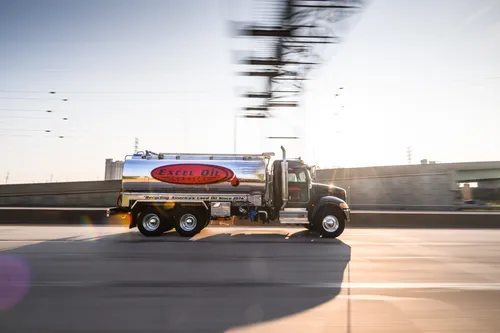
Excel Oil Service
4301 S Knox Ave, Chicago, IL 60632
Excel Oil Service is a used cooking oil collection company based in Chicago, IL. The company specializes in collecting used cooking oil from various businesses in the area, helping to manage waste and support recycling efforts. Excel Oil Service focuses on efficient and responsible oil collection to serve the needs of local clients.
Understanding Local FOG Regulations
In Schaumburg, the management of Fats, Oils, and Grease (FOG) is taken seriously to protect the municipal sewer system. The Village's Environmental Health Division enforces rules that align with Illinois Environmental Protection Agency (IEPA) standards. A fundamental requirement is that all food establishments must contract with a State of Illinois licensed grease hauler for the removal of grease interceptor waste and used cooking oil. This isn't a suggestion-it's a mandate for compliance.
Key regulatory steps include:
- Grease Trap Maintenance: Routine cleaning of grease traps and interceptors is required to prevent FOG from entering drains.
- Documentation via Manifests: Every service visit for grease trap cleaning or oil collection must be documented on an official manifest. These records must be submitted online through the Village of Schaumburg's portal to the Environmental Health Division 1.
- IEPA Transport Permits: Haulers transporting used oil must hold the proper IEPA permits, especially if a facility stores more than 55 gallons of used oil or its storage containers have been in place for over 35 days.
Adhering to these protocols helps restaurants avoid significant fines and contributes to the village's broader environmental protection efforts.
The Grease Collection and Recycling Process
Partnering with a licensed service provider streamlines the entire used oil management process. A professional grease collection service typically follows a structured cycle, from drop-off to recycling.
Step 1: Equipment Provision Your chosen hauler will supply dedicated, leak-proof storage containers or bins. These are designed to be secure, often featuring locking lids to prevent theft or tampering, and are placed in an accessible yet safe location on your property 2.
Step 2: Proper On-Site Storage Before oil reaches the collection bin, best practices on your end are crucial. Allowing oil to cool before transfer and filtering out food solids extends the oil's life for cooking and increases its value for recycling. The stored oil should be kept in a designated area, away from heat sources and heavy traffic, to ensure safety and container integrity 3.
Step 3: Scheduled Pickup Based on your establishment's volume of oil production, the service provider will establish a regular pickup schedule. This ensures your containers never overflow. On collection day, a technician will service your containers, transporting the contents to a processing facility 4 5.
Step 4: Recycling into New Products The end goal of collection is recycling. The used vegetable oil is cleaned and processed. A primary end product is biodiesel, a renewable fuel. It can also be refined into ingredients for animal feed, industrial lubricants, or even cosmetics, ensuring nothing goes to waste 6 7.
Find the perfect used cooking oil collection companies for your needs
Get personalized recommendations and expert advice
Cost Structure and Potential Revenue
A common misconception is that used cooking oil disposal is purely a cost center. In reality, the financial model often includes free services or even rebates, turning waste into an asset.
The economics depend heavily on the volume and quality of oil you generate monthly:
- Low Volume (Under 100 gallons/month): Many providers offer free pickup and recycling services for smaller quantities, as the cost of service is offset by the value of the recycled material. A monetary rebate may not apply at this tier.
- Medium Volume (100-300 gallons/month): At this level, restaurants often begin to qualify for a small rebate, which can range from $0.10 to $0.25 per gallon collected 8.
- High Volume (Over 300 gallons/month): Establishments with high fryer usage can negotiate better rates. Rebates can range from $0.25 to over $0.65 per gallon. For very high-volume locations, this rebate can potentially cover the entire cost of related grease trap services or generate a modest profit stream 9.
Quality is Key: The cleaner the oil (i.e., the less water, food sediment, and other contaminants), the higher its value to recyclers. Implementing simple filtering practices can directly increase your rebate earnings.
Selecting a Service Provider in Schaumburg
Choosing the right partner is critical for seamless operations and compliance. Look for a provider that is fully licensed by the State of Illinois and has a strong reputation for reliability in the Chicagoland area.
Essential Provider Qualifications:
- Valid IEPA and Local Licenses: Confirm the hauler is permitted to transport used oil and grease waste in Illinois 10 11.
- Comprehensive Service Offerings: Many companies offer bundled services, including used cooking oil collection, grease trap cleaning, and used oil fryer maintenance. This can simplify logistics and billing.
- Transparent Rebate Programs: A reputable company will clearly explain their rebate structure based on your volume and oil quality.
- Proof of Recycling: Providers should be able to verify that your oil is being recycled, not landfilled, often into biodiesel 12.
Establishing a relationship with a dependable provider ensures your waste oil is handled responsibly, keeps you in compliance with Schaumburg's regulations, and maximizes the potential value of your used cooking oil.
Frequently asked questions
Sources
Footnotes
-
Food Establishment Inspection Program | Schaumburg, IL - https://www.villageofschaumburg.com/government/community-development/environmental-health-division/food-establishments ↩
-
Restaurant Oil Disposal: Explained - Eazy Grease - https://eazygrease.com/how-do-restaurants-get-rid-of-their-oil/ ↩
-
How to Store Used Cooking Oil Safely Before Pickup - https://millstadtrendering.com/how-to-store-used-cooking-oil-safely-before-pickup/ ↩
-
How to Dispose of Cooking Oil For STL Restaurants | MRC - https://millstadtrendering.com/how-to-dispose-of-cooking-oil-for-stl-restaurants/ ↩
-
Grease Collection Service: What is it - Grand Natural Inc - https://www.grandnaturalinc.com/blog/what-is-grease-collection-service.html ↩
-
Used Cooking Oil Pickup & Recycling Services in Chicago, IL - https://www.mahoneyes.com/restaurant-oil-recycling-chicago-il/ ↩
-
How to Implement a Used Cooking Oil Recycling Program - FCS, Inc - https://www.fcs-inc.org/implement-a-used-cooking-oil-recycling-program/ ↩
-
Used Cooking Oil Disposal: Complete Guide to Grease Pickups - https://greaseconnections.com/used-cooking-oil-disposal-guide-grease-pickups/ ↩
-
Restaurant Used Cooking Oil Recycling & Disposal Guide - https://greaseconnections.com/restaurant-used-cooking-oil-disposal-recycling-revenue-guide/ ↩
-
Used Oil A Summary of Regulatory Requirements - https://epa.illinois.gov/content/dam/soi/en/web/epa/topics/waste-management/waste-disposal/used-oil/documents/used-oil-regulatory-requirements.pdf ↩
-
Used Oil - Illinois Environmental Protection Agency - https://epa.illinois.gov/topics/waste-management/waste-disposal/used-oil.html ↩
-
Fryer Oil Recycling | Chicagoland - https://www.apgreasetrappers.com/fryer-oil-recycling-and-buy-back ↩