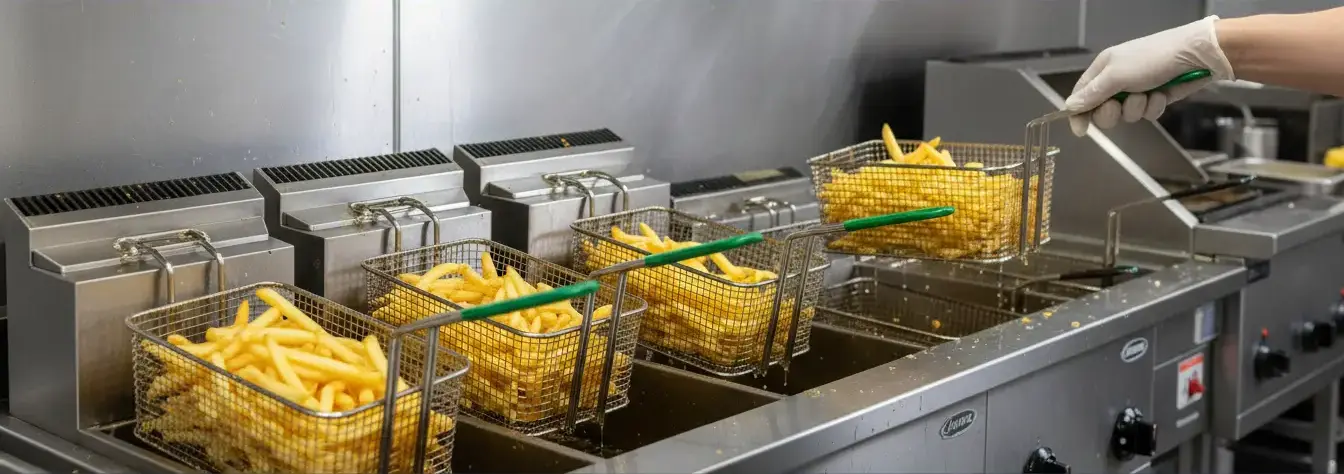
Find the Best Used Cooking Oil Collection Companies for Your Business
No obligation • Fast responses • Nationwide coverage

Why you can trust Restaurant Waste Disposal
Restaurant Waste Disposal is a leading U.S. resource for comparing restaurant composting, food-waste recycling, grease trap cleaning, and used cooking oil collection services. Our editorial team researches providers, checks credentials, and organizes unbiased information so operators can make informed decisions. Companies cannot pay to change ratings or placement.
Search providers near you
Top Used Cooking Oil Collection Companies in Naperville, Illinois Ranked
For restaurants and food service establishments in Naperville, managing used cooking oil (UCO) is a critical operational and environmental responsibility. Properly handling this waste stream involves partnering with licensed haulers who provide secure containers, regular pickups, and ensure the oil is recycled into valuable products like biodiesel. This process not only keeps your kitchen compliant with local regulations but also contributes to a circular economy, turning a waste product into renewable energy. Navigating the options for grease collection and recycling services is essential for efficient and sustainable operations.

Aurora Tallow, Inc.
440 Main St, Warrenville, IL 60555
Aurora Tallow, Inc. provides used cooking oil collection services in Chicago, IL. The company specializes in recycling restaurant grease and oil, helping businesses manage their waste responsibly. Aurora Tallow, Inc. serves clients in the local area with a focus on environmentally conscious disposal methods.

A&P Grease Trappers, Inc
801 N Raddant Rd, Batavia, IL 60510
A&P Grease Trappers, Inc is a family-owned business serving Aurora, IL, and the Chicagoland area since 2006. They specialize in grease trap cleaning, fryer oil recycling and buy-back, drain and sewer cleaning, septic tank pumping, and RPZ testing. Their licensed professionals use modern equipment to maintain compliance and ensure efficient operations for restaurants, businesses, and municipalities. The company offers 24-hour emergency services with a commitment to respond within one hour for urgent needs.
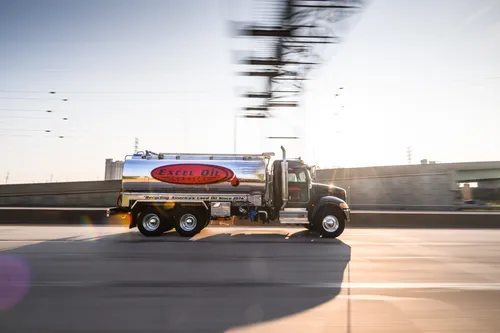
Excel Oil Service
4301 S Knox Ave, Chicago, IL 60632
Excel Oil Service is a used cooking oil collection company based in Chicago, IL. The company specializes in collecting used cooking oil from various businesses in the area, helping to manage waste and support recycling efforts. Excel Oil Service focuses on efficient and responsible oil collection to serve the needs of local clients.
Kaluzny Brothers Inc
1528 Mound Rd, Rockdale, IL 60436
Kaluzny Brothers Inc is a third-generation family-owned rendering company located in Joliet, IL. They specialize in the sustainable recycling of animal by-products, including oils, bones, and fats, to create essential ingredients used in everyday products. Their services focus on reducing food waste through complete rendering solutions. Kaluzny Brothers Inc has been serving clients for over 20 years and is known for thorough grease trap cleaning and used cooking oil collection.
Understanding Local Requirements and Best Practices
The City of Naperville has specific guidelines for commercial grease collection to protect the municipal sewer system 1. Restaurants are typically required to ensure proper containment and may need to register their waste oil management practices with the city. The cardinal rule is to never pour used fryer oil or grease down drains, as this leads to severe blockages and costly sewer backups 2. Instead, oil should be cooled and transferred to designated, leak-proof containers. Many haulers recommend a "dry wipe" method for pots and pans before washing to minimize grease entering the wastewater stream. Compliance isn't just about avoiding fines; it's about being a responsible part of Naperville's infrastructure.
Secure Storage Solutions Before Pickup
Safe and secure storage of used cooking oil on your premises is a key step. Providers typically supply durable, locking containers designed to prevent leaks and deter theft, which has become a concern for valuable waste oil 3. These containers should be placed in a designated area, ideally indoors or in a secured outdoor location away from high foot traffic, heat sources, and inclement weather 4. Proper storage minimizes slip hazards, prevents pest attraction, and ensures the oil remains in good condition for recycling, which can impact the rebate value you receive. A clean, organized storage area also simplifies the hauler's collection process during scheduled pickups.
The Collection and Recycling Process
The service cycle begins when you contract with a licensed hauler operating in the Naperville area. Companies such as Aurora Tallow, Mahoney Environmental, and Grand Natural Inc. are examples of providers serving the region 5. They will assess your volume needs and establish a pickup schedule-often weekly, bi-weekly, or monthly-that matches your kitchen's output. On collection day, a specialized truck with vacuum pumps will efficiently transfer the oil from your storage containers.
The true value of this service is revealed after pickup. The collected oil is not dumped; it is transported to processing facilities where it is cleaned and converted. The primary end product is biodiesel, a renewable fuel that powers vehicles and equipment. Increasingly, this stream also contributes to the production of Sustainable Aviation Fuel (SAF), helping to decarbonize the transportation sector 6. By participating in a used cooking oil program, Naperville restaurants directly support these innovative recycling methods.
Find the perfect used cooking oil collection companies for your needs
Get personalized recommendations and expert advice
Financial Considerations: Costs, Rebates, and Credits
One of the most common questions from restaurant managers is about the cost structure. The model for used cooking oil collection is often inverted compared to other waste services. Many providers offer free pickup as a baseline service 7. Furthermore, restaurants can frequently earn rebates or payments based on the volume and quality of oil they provide. This is because the recycled oil is a feedstock with market value.
Rebate rates are not fixed; they can fluctuate with commodity markets. Payments may range from a few cents per gallon to higher amounts for large, consistent volumes of clean, well-maintained oil. Some companies structure this as a credit on your account rather than a direct check. It's important to discuss the specific payment terms with your service provider, as factors like the presence of excessive food particles or water can lower the oil's quality and value 8. For high-volume establishments, this rebate can become a meaningful secondary revenue stream.
Choosing a Service Provider in Naperville
Selecting the right grease collection partner involves more than just comparing potential rebates. Key factors to consider include reliability and scheduling-will they pick up on time, every time? Evaluate the quality of equipment they provide; sturdy, locking containers are a must. Assess their customer service responsiveness for any issues that arise. Finally, inquire about their sustainability credentials and where they send the oil for recycling. Providers like A&P Grease Trappers and Eazy Grease, which operate in Chicagoland, emphasize transparent recycling pathways and customer education 9 10. A good partner acts as an extension of your operational team, ensuring compliance and efficiency.
Environmental and Community Impact
Beyond compliance and rebates, responsible used cooking oil management has a profound positive impact. Diverting this oil from landfills and sewers reduces environmental harm and municipal treatment costs. When converted to biodiesel, it burns cleaner than fossil diesel, reducing greenhouse gas emissions and particulate matter 11. For a community-focused city like Naperville, participating in this circular economy is a tangible demonstration of environmental stewardship. It allows local businesses to showcase their commitment to sustainability, which resonates positively with customers who increasingly value eco-friendly practices. Your kitchen's waste oil literally fuels a greener future.
Frequently asked questions
Sources
Footnotes
-
Commercial Grease Collection Information - https://www.naperville.il.us/globalassets/media/permits-and-licenses/energov/permits/other---cco/scavenger_-_commercial_grease_collection_information.pdf ↩
-
Used Cooking Oil Recycling - Glenbard Wastewater Authority - https://www.gbww.org/blog/used-cooking-oil-recycling/ ↩
-
Used Cooking Oil Collection Naperville - https://www.grandnaturalinc.com/locations/used-cooking-oil-recycling-in-naperville.html ↩
-
How to Store Used Cooking Oil Safely Before Pickup - https://millstadtrendering.com/how-to-store-used-cooking-oil-safely-before-pickup/ ↩
-
Used Cooking Oil Pickup & Recycling Services in Chicago, IL - https://www.mahoneyes.com/restaurant-oil-recycling-chicago-il/ ↩
-
Used Cooking Oil Recycling | Naperville | Grease Collection | Aurora Tallow - https://www.auroratallow.com/used-cooking-oil-recycling-methods-naperville/ ↩
-
Used Cooking Oil Disposal: Complete Guide to Grease Pickups - https://greaseconnections.com/used-cooking-oil-disposal-guide-grease-pickups/ ↩
-
Waste Oil Recycling in Naperville | Grease Disposal - Aurora Tallow - https://www.auroratallow.com/waste-oil-recycling-service-in-naperville/ ↩
-
Restaurant Oil Disposal: Explained - Eazy Grease - https://eazygrease.com/how-do-restaurants-get-rid-of-their-oil/ ↩
-
Fryer Oil Recycling | Chicagoland - A&P Grease Trappers - https://www.apgreasetrappers.com/fryer-oil-recycling-and-buy-back ↩
-
Used Cooking Oil (UCO) Collection Service For Restaurants - https://thegreasecompany.com/blog/restaurant-used-cooking-oil-collection/ ↩