Find the Best Used Cooking Oil Collection Companies for Your Business
No obligation • Fast responses • Nationwide coverage

Why you can trust Restaurant Waste Disposal
Restaurant Waste Disposal is a leading U.S. resource for comparing restaurant composting, food-waste recycling, grease trap cleaning, and used cooking oil collection services. Our editorial team researches providers, checks credentials, and organizes unbiased information so operators can make informed decisions. Companies cannot pay to change ratings or placement.
Search providers near you
Top Used Cooking Oil Collection Companies in Mount Prospect, Illinois Ranked
For restaurants and commercial kitchens in Mount Prospect, managing used cooking oil (UCO) is a critical operational and environmental responsibility. Proper collection and recycling of this waste stream not only helps protect the local sewer system from harmful fats, oils, and grease (FOG) but also transforms a waste product into valuable resources like biodiesel. By partnering with a licensed hauler, food service establishments can ensure compliance with local guidelines, often turning a disposal challenge into a potential revenue stream. This guide outlines the essential steps for effective UCO management, from secure storage to selecting a recycling partner.

Aurora Tallow, Inc.
440 Main St, Warrenville, IL 60555
Aurora Tallow, Inc. provides used cooking oil collection services in Chicago, IL. The company specializes in recycling restaurant grease and oil, helping businesses manage their waste responsibly. Aurora Tallow, Inc. serves clients in the local area with a focus on environmentally conscious disposal methods.

A&P Grease Trappers, Inc
801 N Raddant Rd, Batavia, IL 60510
A&P Grease Trappers, Inc is a family-owned business serving Aurora, IL, and the Chicagoland area since 2006. They specialize in grease trap cleaning, fryer oil recycling and buy-back, drain and sewer cleaning, septic tank pumping, and RPZ testing. Their licensed professionals use modern equipment to maintain compliance and ensure efficient operations for restaurants, businesses, and municipalities. The company offers 24-hour emergency services with a commitment to respond within one hour for urgent needs.
Excel Oil Service
4301 S Knox Ave, Chicago, IL 60632
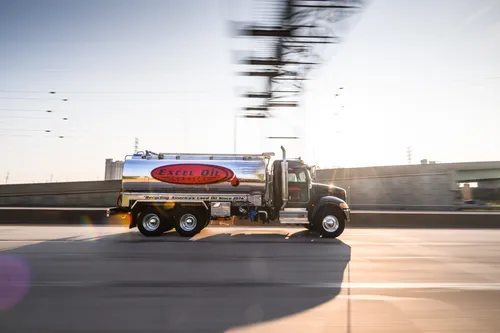
Excel Oil Service is a used cooking oil collection company based in Chicago, IL. The company specializes in collecting used cooking oil from various businesses in the area, helping to manage waste and support recycling efforts. Excel Oil Service focuses on efficient and responsible oil collection to serve the needs of local clients.
Understanding Local Guidelines for FOG Management
While specific ordinances can vary, the Village of Mount Prospect, like many municipalities, has a vested interest in preventing FOG from entering the public sewer system. When poured down drains, cooking oil and grease cool, solidify, and create blockages that can lead to costly backups and sanitary sewer overflows. The general best practice, and often a codified requirement, is that commercial kitchens must never dispose of used oil or grease down sinks or drains 1. It is highly recommended to contact the Village of Mount Prospect Public Works or Health Department directly to confirm any local permitting, reporting, or specific container requirements for your business. Proactive management helps avoid potential fines and supports community infrastructure.
Best Practices for On-Site Storage and Handling
Safe and compliant storage is the first line of defense in a proper used cooking oil management program. Following these steps minimizes risks and prepares your oil for efficient collection:
- Cool and Strain: Always allow oil to cool completely after use. Before transferring it to storage, strain out food solids to improve the quality of the oil, which can be important for recycling value and to prevent container odors.
- Use Secure Containers: Store cooled oil in dedicated, sealable, and leak-proof containers, such as drums or specially designed collection bins provided by your hauler. These containers prevent spills, pests, and contamination.
- Maintain a Designated Area: Place storage containers in a secure, accessible location for pickup, ideally on a paved surface and away from storm drains, loading docks, or areas where leaks could cause environmental or safety issues.
The Collection and Recycling Process
Once you have a system in place, the collection process is straightforward. After contracting with a licensed used cooking oil collector, they will typically provide a scheduled service-whether weekly, bi-weekly, or monthly-based on your volume. On service day, a technician will pump the oil from your storage container directly into their specialized truck. The oil is then transported to a processing facility where it undergoes filtering and purification to remove remaining water and solids. The end product is a clean feedstock primarily used in the production of biodiesel, a renewable fuel, or sometimes repurposed for animal feed ingredients. This circular process ensures your kitchen waste is diverted from landfills and given a productive second life.
Evaluating Service Providers and Cost Structures
Selecting the right partner for your grease trap and used oil collection is crucial. Many established waste management and environmental services companies operate in the region. When seeking quotes, it's important to understand the common pricing models:
- Revenue-Generating Programs: If your establishment generates a significant, consistent volume of used cooking oil, many haulers will pay you for it. The price fluctuates with commodity markets but can provide a helpful offset to other operational costs 2.
- Fee-Based Services: For locations with lower oil output or those requiring very frequent pickups, a service fee for collection may apply. This fee covers the cost of transportation, labor, and recycling processing.
- Service Considerations: Inquire about the provision of locked, durable collection containers, the reliability of pickup schedules, and the company's environmental certifications. A reputable provider will be transparent about where your oil goes and how it is recycled.
Find the perfect used cooking oil collection companies for your needs
Get personalized recommendations and expert advice
Common Mistakes to Avoid in Oil Disposal
Even with good intentions, simple errors can lead to big problems. Being aware of these common pitfalls can save your business from expensive plumbing emergencies or regulatory non-compliance:
- Dumping in Drains or Trash: This is the most critical mistake. Pouring oil down any drain is illegal for commercial entities and harmful, while disposing of it in the regular trash creates mess and attracts pests.
- Improper Container Management: Using makeshift, unsealed, or damaged containers invites leaks and spills. Always use the professional-grade containers supplied or recommended by your hauler.
- Mixing Contaminants: Avoid mixing used cooking oil with water, chemicals, or other liquids, as this complicates the recycling process and can reduce its value or render it unrecyclable 3.
- Neglecting the Grease Trap: Your used cooking oil collection program should work in tandem with a regular grease trap cleaning schedule. They are separate but complementary systems for comprehensive FOG management.
The Environmental and Economic Benefits of Recycling
Participating in a used cooking oil recycling program offers tangible benefits beyond mere compliance. Environmentally, it is a direct contribution to the circular economy. Recycling one gallon of used cooking oil can produce approximately one gallon of biodiesel, a cleaner-burning alternative to petroleum diesel that reduces greenhouse gas emissions 4. Economically, it can change a cost center (waste disposal) into a modest revenue stream or a cost-neutral service. Furthermore, it demonstrates a commitment to sustainability that can resonate positively with the community and customers. Proper management protects your business from the high costs associated with sewer line repairs, spill cleanup, and potential regulatory penalties 5.
Getting Started with a Collection Program
Implementing or optimizing a used cooking oil collection system in Mount Prospect involves a few key actions:
- Audit Your Output: Estimate how much used oil you generate weekly to discuss accurate service frequency with providers.
- Research Licensed Haulers: Contact several licensed used cooking oil collection companies that service the Mount Prospect area. Compare their service agreements, container offerings, and pricing models.
- Clarify Local Rules: Confirm specific storage and handling requirements with the Village of Mount Prospect to ensure your setup is fully compliant.
- Train Your Staff: Educate kitchen staff on the proper cooling, straining, and transfer procedures to maintain a safe and efficient system.
By taking these steps, you establish a responsible, hassle-free process for managing used cooking oil, contributing to a cleaner local environment while potentially benefiting your bottom line.
Frequently asked questions
Sources
Footnotes
-
6 Things You Need to Know About Disposing Cooking Oil - https://www.mahoneyes.com/how-to-dispose-of-cooking-oil-environmentally/ ↩
-
Proper Used Cooking Oil Disposal Practices | Hulsey Environmental (a Blue Flow Company) - https://hulseyenvironmental.com/the-dos-and-donts-of-used-cooking-oil-disposal-practices/ ↩
-
Common Mistakes to Avoid in Commercial Cooking Oil Disposal - https://safewayusedoil.com/2024/02/common-mistakes-to-avoid-in-commercial-cooking-oil-disposal/ ↩
-
Used Cooking Oil Recycling for Commercial Businesses - Rubicon - https://www.rubicon.com/blog/used-cooking-oil-recycling/ ↩
-
Restaurant Used Cooking Oil Recycling & Disposal Guide - https://greaseconnections.com/restaurant-used-cooking-oil-disposal-recycling-revenue-guide/ ↩