
Find the Best Used Cooking Oil Collection Companies for Your Business
No obligation • Fast responses • Nationwide coverage

Why you can trust Restaurant Waste Disposal
Restaurant Waste Disposal is a leading U.S. resource for comparing restaurant composting, food-waste recycling, grease trap cleaning, and used cooking oil collection services. Our editorial team researches providers, checks credentials, and organizes unbiased information so operators can make informed decisions. Companies cannot pay to change ratings or placement.
Search providers near you
Top Used Cooking Oil Collection Companies in Hoffman Estates, Illinois Ranked
For restaurants and food service establishments in Hoffman Estates, managing used cooking oil (UCO) is more than just a kitchen cleanup task-it's a regulated component of operations with significant environmental and economic implications. Proper grease recycling is mandated by both state and local regulations, requiring partnership with licensed haulers to ensure safe pickup and transformative recycling into products like biodiesel and sustainable aviation fuel. This process not only keeps your facility compliant with health and safety codes but also contributes to a circular economy, turning a waste product into a valuable resource. Navigating the requirements and options for oil collection services is essential for efficient, cost-effective, and responsible waste management in the Chicagoland area.

Aurora Tallow, Inc.
440 Main St, Warrenville, IL 60555
Aurora Tallow, Inc. provides used cooking oil collection services in Chicago, IL. The company specializes in recycling restaurant grease and oil, helping businesses manage their waste responsibly. Aurora Tallow, Inc. serves clients in the local area with a focus on environmentally conscious disposal methods.

A&P Grease Trappers, Inc
801 N Raddant Rd, Batavia, IL 60510
A&P Grease Trappers, Inc is a family-owned business serving Aurora, IL, and the Chicagoland area since 2006. They specialize in grease trap cleaning, fryer oil recycling and buy-back, drain and sewer cleaning, septic tank pumping, and RPZ testing. Their licensed professionals use modern equipment to maintain compliance and ensure efficient operations for restaurants, businesses, and municipalities. The company offers 24-hour emergency services with a commitment to respond within one hour for urgent needs.
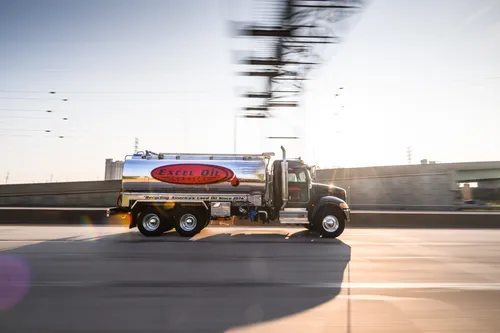
Excel Oil Service
4301 S Knox Ave, Chicago, IL 60632
Excel Oil Service is a used cooking oil collection company based in Chicago, IL. The company specializes in collecting used cooking oil from various businesses in the area, helping to manage waste and support recycling efforts. Excel Oil Service focuses on efficient and responsible oil collection to serve the needs of local clients.
Understanding Local and State Regulations
Compliance is the cornerstone of any used cooking oil program in Illinois. The Illinois Environmental Protection Agency (IEPA) sets forth clear rules that directly impact how Hoffman Estates restaurants must handle their UCO. Operating outside these guidelines can lead to significant fines and operational disruptions.
Mandatory Use of Licensed Haulers: Illinois law requires that used cooking oil be transported only by IEPA-licensed haulers. This is not a mere suggestion but a legal requirement designed to ensure that grease is tracked from your establishment to its final recycling destination. You cannot legally have an unlicensed person or company cart away your oil. When you contract with a licensed service provider, they assume liability for the proper handling and recycling of the material, protecting your business.
The Critical Role of Manifests: Every time a pickup occurs, your hauler should provide you with a manifest-a legal document that details the quantity of oil collected and its destination 1. This paperwork serves as your proof of proper disposal and is crucial during health department or IEPA inspections. Maintaining an organized file of these manifests is a best practice for demonstrating ongoing compliance.
Storage and Container Standards: To prevent spills, contamination, and theft, licensed providers typically supply locked, secure containers (ranging from 35 to 240 gallons) for on-site oil storage. These containers meet local health code requirements and are specifically designed for grease collection. Keeping your oil "clean" by avoiding the introduction of water, food debris, or other contaminants is also vital, as pure oil often qualifies for better recycling rates and is easier for processors to handle.
The Grease Collection and Recycling Process
The journey of your used fryer oil from the kitchen to becoming renewable fuel is a streamlined process managed by your collection service. Understanding each step can help you optimize your side of the operation.
- Service Assessment and Setup: A reputable provider will begin with an assessment of your kitchen's oil usage. They will determine the appropriate container size and pickup frequency (commonly every 1 to 2 weeks) based on your volume to prevent overflows and maintain kitchen efficiency 2.
- On-Site Storage: Kitchen staff safely transfer cooled UCO from fryers into the provided collection container. It's important to use only the designated container and keep the area around it clean and accessible for the driver.
- Scheduled Pickup: On the scheduled service day, a driver from the licensed hauler will arrive, unlock your container, pump out the oil, clean up any minor drips, and secure the empty bin for reuse. The driver will typically leave a service ticket or manifest for your records.
- Transportation and Recycling: The collected oil is transported to a processing facility. Here, it is cleaned and purified. The end product is no longer waste but a feedstock for valuable commodities. It is primarily converted into biodiesel, a cleaner-burning alternative to petroleum diesel, or refined into sustainable aviation fuel (SAF). It can also be used in the production of animal feed, cosmetics, and other industrial products.
Evaluating Costs and Potential Revenue
The financial model for used cooking oil collection is not one-size-fits-all; it varies significantly based on your monthly output and the quality of the oil you produce. Market prices for recycled UCO fluctuate, but providers generally structure their services along the following lines:
- Low Volume Producers (Under 100 gallons/month): For smaller restaurants or those that fry infrequently, collection is often provided as a free service. The hauler profits from the recycled commodity, and you benefit from compliant, hassle-free disposal without a direct charge.
- Medium Volume Producers (100-300 gallons/month): At this scale, you may begin to see small payments or rebates. Rates can range from $0.10 to $0.25 per gallon, depending on the current market and your contract terms 3. This turns a waste stream into a minor revenue line.
- High Volume Producers (Over 300 gallons/month): Large establishments, institutional kitchens, or food processors can command more significant payments. Rates for high-quality, clean UCO can range from $0.25 to over $0.65 per gallon 4. Consistency and volume make you a valuable supplier to the recycler.
It's critical to get detailed quotes from providers and understand all terms. Some contracts may include service fees that offset rebates, while others offer purely free pickup. Always clarify who is responsible for container maintenance or replacement.
Find the perfect used cooking oil collection companies for your needs
Get personalized recommendations and expert advice
Selecting a Service Provider in the Chicagoland Area
Choosing the right partner for your grease collection needs is a business decision that affects your operations, compliance, and bottom line. Several established providers serve Hoffman Estates and the greater Chicago region.
Key Local and Regional Providers:
- Mahoney Environmental: A national leader with a strong local presence, offering comprehensive UCO pickup and recycling services, along with grease trap cleaning 5 6.
- Grand Natural: Provides used cooking oil recycling services specifically highlighted for Hoffman Estates, emphasizing the conversion of grease into renewable energy 7 8.
- The Grease Company: Focuses on cooking oil collection and recycling, detailing the process from pickup to end products like biodiesel 9 10.
- A&P Grease Trappers: A Chicagoland service offering fryer oil recycling and buy-back programs for restaurants 11.
When evaluating providers, ask pointed questions: Are they fully licensed by the IEPA? What is their service area and reliability record? How do they structure pricing or rebates? What is their process for handling manifests? Do they offer additional services, like grease trap cleaning, that could streamline your vendor relationships? Checking references from other local restaurants can provide invaluable insight.
Best Practices for Restaurant Managers
Maximizing the benefits of your oil collection service involves proactive management.
- Maintain Oil Quality: Filter oil during use to extend its life and pour only cooled, spent oil into the collection container. Never mix in water, detergent, or other liquids.
- Secure Your Asset: Ensure your collection container is always locked when not in use. UCO theft (known as "grease piracy") can occur, and stolen oil represents lost potential revenue 12.
- Keep Impeccable Records: File every service manifest and invoice. A well-organized compliance folder simplifies audits and inspections.
- Communicate with Your Hauler: If your oil volume suddenly changes (due to a menu change or seasonal business), inform your provider. They can adjust pickup frequency to prevent overflows or inefficient collections.
- Train Your Staff: Ensure every kitchen employee knows the proper procedure for disposing of cooking oil and understands the importance of keeping contaminants out of the collection bin.
By implementing a professional, compliant used cooking oil collection program, Hoffman Estates restaurants do more than just clean their kitchens. They participate in a sustainable loop that reduces environmental impact, supports renewable energy innovation, and can provide a modest financial return. It's a clear example of how responsible business practices align with ecological and economic benefits.
Frequently asked questions
Sources
Footnotes
-
Used Oil - Illinois Environmental Protection Agency - https://epa.illinois.gov/topics/waste-management/waste-disposal/used-oil.html ↩
-
Hoffman Estates Residential Recycling Programs - https://www.hoffmanestates.org/services/garbage_recycling/recycling/index.php ↩
-
Used Cooking Oil Disposal: Complete Guide to Grease Pickups - https://greaseconnections.com/used-cooking-oil-disposal-guide-grease-pickups/ ↩
-
Restaurant Used Cooking Oil Recycling & Disposal Guide - https://greaseconnections.com/restaurant-used-cooking-oil-disposal-recycling-revenue-guide/ ↩
-
Used Cooking Oil Pickup & Recycling Services in Chicago, IL - https://www.mahoneyes.com/restaurant-oil-recycling-chicago-il/ ↩
-
Restaurant Grease Pick Up & Disposal Services in Chicago, IL - https://www.mahoneyes.com/fryer-oil-disposal-recycling-chicago-il/ ↩
-
Used Cooking Oil Pickup and Recycling Services in Hoffman Estates - https://www.grandnatural.com/locations/used-cooking-oil-recycling-in-hoffman-estates.html ↩
-
Grease Collection Service: What is it - Grand Natural Inc - https://www.grandnaturalinc.com/blog/what-is-grease-collection-service.html ↩
-
Cooking Oil Collection & Grease Recycling Service - https://thegreasecompany.com/oilcollection.html ↩
-
Used Cooking Oil (UCO) Collection Service For Restaurants - https://thegreasecompany.com/blog/restaurant-used-cooking-oil-collection/ ↩
-
Fryer Oil Recycling | Chicagoland - https://www.apgreasetrappers.com/fryer-oil-recycling-and-buy-back ↩
-
Used Cooking Oil Pickup vs Drop-Off-What's Best for Restaurants? - https://www.greaseprosrecycling.com/used-cooking-oil-pickup-vs-drop-off/ ↩