
Find the Best Used Cooking Oil Collection Companies for Your Business
No obligation • Fast responses • Nationwide coverage

Why you can trust Restaurant Waste Disposal
Restaurant Waste Disposal is a leading U.S. resource for comparing restaurant composting, food-waste recycling, grease trap cleaning, and used cooking oil collection services. Our editorial team researches providers, checks credentials, and organizes unbiased information so operators can make informed decisions. Companies cannot pay to change ratings or placement.
Search providers near you
Top Used Cooking Oil Collection Companies in Glenview, Illinois Ranked
For restaurants and food service establishments in Glenview, managing used cooking oil (UCO) is a critical operational and environmental responsibility. Properly handling this waste stream involves secure storage, regular pickup by licensed haulers, and responsible recycling into products like biodiesel. The Village of Glenview has specific regulations to ensure this process is sanitary and environmentally sound, helping local businesses avoid fines while potentially turning a waste product into a revenue source. By partnering with a certified grease collection service, Glenview kitchens can streamline their waste management, contribute to a circular economy, and maintain compliance with state and local codes.

Aurora Tallow, Inc.
440 Main St, Warrenville, IL 60555
Aurora Tallow, Inc. provides used cooking oil collection services in Chicago, IL. The company specializes in recycling restaurant grease and oil, helping businesses manage their waste responsibly. Aurora Tallow, Inc. serves clients in the local area with a focus on environmentally conscious disposal methods.

A&P Grease Trappers, Inc
801 N Raddant Rd, Batavia, IL 60510
A&P Grease Trappers, Inc is a family-owned business serving Aurora, IL, and the Chicagoland area since 2006. They specialize in grease trap cleaning, fryer oil recycling and buy-back, drain and sewer cleaning, septic tank pumping, and RPZ testing. Their licensed professionals use modern equipment to maintain compliance and ensure efficient operations for restaurants, businesses, and municipalities. The company offers 24-hour emergency services with a commitment to respond within one hour for urgent needs.
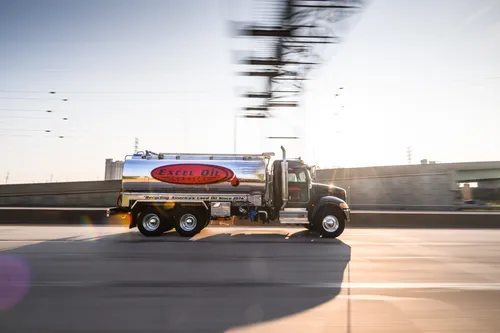
Excel Oil Service
4301 S Knox Ave, Chicago, IL 60632
Excel Oil Service is a used cooking oil collection company based in Chicago, IL. The company specializes in collecting used cooking oil from various businesses in the area, helping to manage waste and support recycling efforts. Excel Oil Service focuses on efficient and responsible oil collection to serve the needs of local clients.
Understanding Local Regulations for Grease Disposal
Navigating the rules for used cooking oil disposal is the first step for any Glenview food service operator. The Village's code mandates that all solid waste, including UCO, be collected at least weekly-or more frequently if necessary-to prevent unsanitary conditions 1. This isn't just a suggestion; it's a requirement to maintain public health and safety. Furthermore, Illinois state law classifies used cooking oil as a special waste, meaning it cannot be disposed of in drains, dumpsters, or landfills. Its transport and recycling must be handled by a licensed special waste hauler registered with the Illinois Environmental Protection Agency (IEPA).
Compliance protects your business from significant penalties and environmental harm. Improper disposal, such as pouring oil down drains, leads to sewer blockages, costly municipal repairs, and potential fines for the responsible business. By adhering to the structured collection system, you ensure your operations are both legal and sustainable.
The Step-by-Step Process for Oil Recycling
A well-managed fryer oil recycling program follows a clear, efficient cycle from your kitchen to its next life as a renewable product.
1. Safe On-Site Storage The process begins immediately after oil is cooled. Staff should transfer oil from fryers using dedicated containers or "caddies" to a primary storage bin. These bins, often provided by your collection company, are typically lockable tanks ranging from 40 to 300 gallons in capacity. They are designed to be stored securely either indoors or outdoors to prevent spills, contamination, and theft. Using a designated, sealed container is crucial for maintaining oil quality, which can impact its resale value.
2. Scheduled Professional Pickup On a pre-arranged schedule-weekly, bi-weekly, or as needed-a licensed grease collection service will visit your location. Their specialized trucks are equipped to pump the oil directly from your storage bin into their holding tanks. This direct transfer is clean and efficient, minimizing mess and disruption to your daily operations. The frequency of these pickups is tailored to your volume of oil production, ensuring your storage never overflows.
3. Recycling and Transformation Once collected, the oil is transported to a processing facility. Here, it is cleaned and refined. The primary end product is biodiesel, a cleaner-burning renewable fuel. Alternatively, the oil can be used in the production of animal feed, soaps, and other industrial products. This process completes the loop, ensuring that what was once a waste product is diverted from landfills and given a valuable second life.
Equipment and Storage Solutions
Having the right equipment is foundational to an effective oil management system. Most professional grease collection services will provide the necessary storage containers as part of their service agreement. These include:
- Locking Collection Bins: Secure, durable tanks (e.g., 40, 65, 100, or 300-gallon capacities) that prevent unauthorized access and animal interference.
- Indoor/Outdoor Options: Containers designed to withstand the local climate if stored outside, or compact models for tight kitchen spaces.
- Transfer Equipment: Smaller containers or caddies for safely moving hot oil from the fryer to the main storage tank.
Your service provider will help you determine the optimal size and placement for your bin based on your oil output and kitchen layout. Proper equipment not only ensures compliance and safety but also makes the process easier for your staff.
Potential Revenue from Used Cooking Oil
A significant advantage of professional used cooking oil collection is the potential to generate revenue, effectively offsetting disposal costs. Many haulers offer buy-back programs where they pay for the oil they collect. The amount you earn depends on several factors:
- Volume: Higher monthly volumes (e.g., over 100 gallons) typically command better per-gallon rates. Some companies may offer free pickup services for establishments generating substantial amounts, such as 40+ gallons per month 2 3.
- Quality: Oil that is kept free of food debris and water is more valuable. Clean oil requires less processing at the recycling facility. Maintaining your storage bin with a tight lid is key to preserving quality.
- Market Rates: Commodity prices for recycled oils fluctuate. Reputable companies will be transparent about their current rate structure.
While prices vary, restaurants can generally expect to earn anywhere from $0.10 to over $0.65 per gallon, depending on the above conditions 4 5. This revenue can be received as a direct check, a credit against service fees, or applied toward other maintenance services.
Find the perfect used cooking oil collection companies for your needs
Get personalized recommendations and expert advice
Choosing a Service Provider in Glenview
Selecting the right partner for your grease trap and used oil needs is crucial. You should look for a licensed, insured, and IEPA-compliant hauler with a strong local reputation. Key considerations include:
- Licensing & Compliance: Verify the company holds all necessary Illinois EPA IDs and permits for transporting special waste 6 7.
- Service Flexibility: Do they offer pickup schedules that match your needs? Can they provide emergency service if required?
- Equipment Provision: Will they supply and maintain secure, appropriate storage containers at no extra cost?
- Transparent Pricing & Buy-Back: Is their fee structure clear? Do they offer a fair buy-back program or revenue-sharing model?
- Full-Service Offerings: Many companies provide related services like grease trap cleaning, which can simplify your vendor management.
Local and national providers like Mahoney Environmental and A&P Grease Trappers are known to service the Glenview and greater Chicagoland area, offering comprehensive recycling and buy-back programs 8 9 10. It's advisable to get quotes and service details from multiple licensed "used cooking oil recyclers" to find the best fit for your specific operation 11.
Environmental and Business Benefits
Implementing a professional used cooking oil recycling program extends benefits far beyond simple regulatory compliance.
- Environmental Stewardship: Recycling UCO into biodiesel reduces reliance on fossil fuels and lowers greenhouse gas emissions. It also prevents oil from contaminating soil and water sources.
- Operational Safety & Cleanliness: Regular, professional pickups eliminate the hazards of storing large quantities of oil, such as slips, spills, and pest attraction. Secure bins also deter theft, which has become a common issue due to the value of UCO.
- Positive Brand Image: Consumers increasingly support businesses with demonstrated environmental responsibility. Promoting your recycling efforts can enhance your community reputation.
- Cost Management: The potential revenue from oil sales and the avoidance of fines for improper disposal make recycling a financially prudent choice.
Frequently asked questions
Sources
Footnotes
-
Chapter 58 - SOLID WASTE | Code of Ordinances | Glenview, IL - https://librarystage.municode.com/il/glenview/codes/code_of_ordinances?nodeId=MUCO_CH58SOWA ↩
-
Grease Collection Service: What is it - https://www.grandnaturalinc.com/blog/what-is-grease-collection-service.html ↩
-
Used Cooking Oil Disposal: Complete Guide to Grease Pickups - https://greaseconnections.com/used-cooking-oil-disposal-guide-grease-pickups/ ↩
-
Restaurant Used Cooking Oil: Disposal, Recycling & Revenue Guide - https://greaseconnections.com/restaurant-used-cooking-oil-disposal-recycling-revenue-guide/ ↩
-
Cooking Oil Recycling in Florida: Your #1 Choice - https://eazygrease.com/cooking-oil-recycling-florida/ ↩
-
Used Oil - Illinois Environmental Protection Agency - https://epa.illinois.gov/topics/waste-management/waste-disposal/used-oil.html ↩
-
Used Oil A Summary of Regulatory Requirements - https://epa.illinois.gov/content/dam/soi/en/web/epa/topics/waste-management/waste-disposal/used-oil/documents/used-oil-regulatory-requirements.pdf ↩
-
Restaurant Grease Pick Up & Disposal Services in Chicago, IL - https://www.mahoneyes.com/fryer-oil-disposal-recycling-chicago-il/ ↩
-
Fryer Oil Recycling | Chicagoland - https://www.apgreasetrappers.com/fryer-oil-recycling-and-buy-back ↩
-
Restaurant Oil Recycling | Glencoe, IL - A&P Grease Trappers - https://www.apgreasetrappers.com/contact/restaurant-oil-recycling-service-area/glencoe-il ↩
-
Used Cooking Oil Pickup & Recycling Services in Chicago, IL - https://www.mahoneyes.com/restaurant-oil-recycling-chicago-il/ ↩