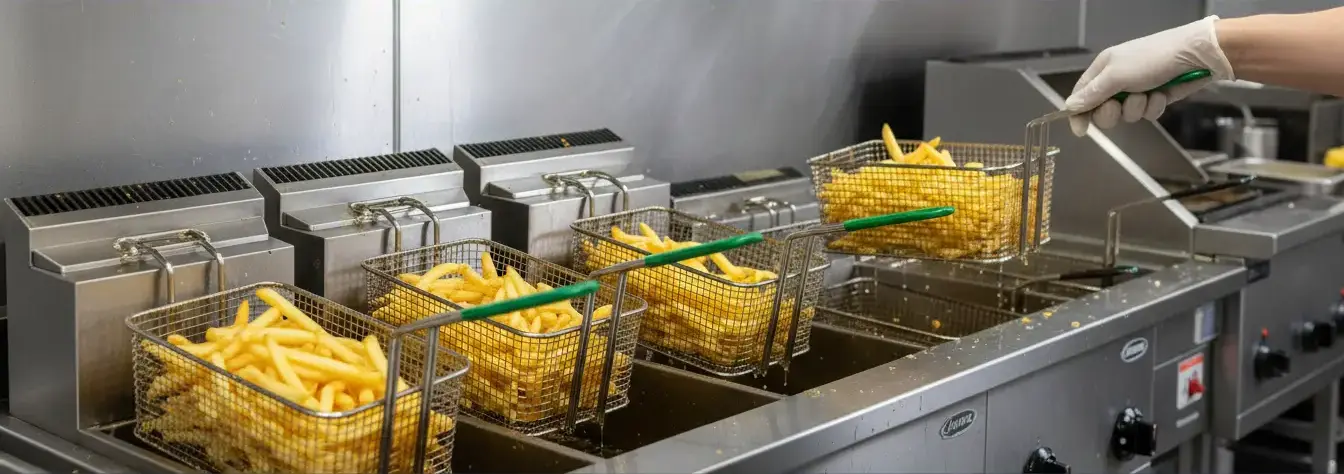
Find the Best Used Cooking Oil Collection Companies for Your Business
No obligation • Fast responses • Nationwide coverage

Why you can trust Restaurant Waste Disposal
Restaurant Waste Disposal is a leading U.S. resource for comparing restaurant composting, food-waste recycling, grease trap cleaning, and used cooking oil collection services. Our editorial team researches providers, checks credentials, and organizes unbiased information so operators can make informed decisions. Companies cannot pay to change ratings or placement.
Search providers near you
Top Used Cooking Oil Collection Companies in Evanston, Illinois Ranked
For restaurants and food service establishments in Evanston, managing used cooking oil (UCO) is a critical operational and environmental responsibility. Proper collection and recycling of this material are not only mandated by local and state regulations but also present an opportunity to contribute to a circular economy by transforming waste into valuable biofuels. Navigating the requirements for secure storage, licensed haulers, and compliant disposal is essential for avoiding significant fines and protecting Evanston's sewer infrastructure. This guide outlines the key processes, benefits, and regulatory framework for effective used cooking oil management in the city.

Aurora Tallow, Inc.
440 Main St, Warrenville, IL 60555
Aurora Tallow, Inc. provides used cooking oil collection services in Chicago, IL. The company specializes in recycling restaurant grease and oil, helping businesses manage their waste responsibly. Aurora Tallow, Inc. serves clients in the local area with a focus on environmentally conscious disposal methods.
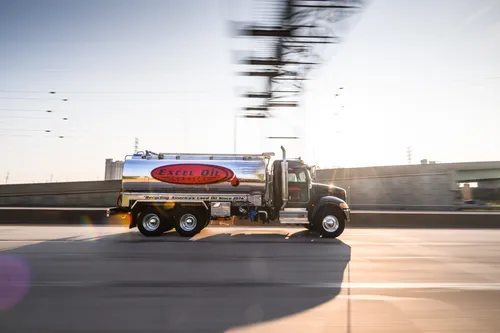
Excel Oil Service
4301 S Knox Ave, Chicago, IL 60632
Excel Oil Service is a used cooking oil collection company based in Chicago, IL. The company specializes in collecting used cooking oil from various businesses in the area, helping to manage waste and support recycling efforts. Excel Oil Service focuses on efficient and responsible oil collection to serve the needs of local clients.
Understanding Local Regulations and Compliance
Evanston, like many municipalities in Illinois, enforces specific rules governing the handling of used cooking oil and grease to protect public utilities and the environment. Compliance is not optional; it's a legal requirement with financial implications for non-compliance.
Key Regulatory Pillars:
- Licensed Haulers are Mandatory: Illinois law requires that all used cooking oil be transported by a hauler licensed by the Illinois Environmental Protection Agency (IEPA) 1. These licensed providers, such as Mahoney Environmental or A&P Grease Trappers, handle the necessary paperwork, including waste manifests, ensuring your business remains in compliance from pickup to final recycling.
- FOG Program Enforcement: Evanston and the broader metropolitan area actively manage Food Waste, Oil, and Grease (FOG) to prevent sewer blockages and overflows 2. Proper UCO collection is a cornerstone of this effort. Illegal disposal, such as pouring oil down drains or into regular trash, is a violation that can lead to severe penalties and costly cleanup fees for your business 3.
- Secure Storage Requirements: Regulations emphasize proper containment. Oil must be stored in dedicated, leak-proof containers or tanks, often provided by your collection service, in a secure and accessible location away from storm drains and high-traffic areas.
The Step-by-Step Collection and Recycling Process
Partnering with a professional used cooking oil collection service streamlines what can be a messy and complex task. The process is designed for efficiency and safety.
- Secure On-Site Storage: After use, oil is safely transferred from fryers and cooking equipment into a dedicated storage container. This is typically a locked, outdoor tank or a series of sealed drums provided by your hauler to prevent theft, spills, and contamination 4.
- Scheduled or On-Demand Pickup: Your licensed collection company will establish a regular pickup schedule based on your volume, or you can request service as needed. A service technician will pump the oil directly from your secure storage tank into their specialized collection vehicle.
- Transportation and Recycling: The hauler transports the collected oil to a processing facility. There, it is cleaned and refined to be reborn as a valuable commodity-most commonly as biodiesel, a renewable fuel, or as an ingredient in animal feed and other industrial products. This process ensures the oil is diverted from landfills and wastewater systems, closing the loop on a waste stream.
Financial Considerations: Costs and Potential Rebates
The economics of used cooking oil collection can vary. Many services operate on a model where the value of the recycled commodity offsets the cost of collection, and sometimes even provides revenue back to your restaurant.
- Low-Volume Generators: Establishments producing smaller amounts (often under 100 gallons per month) may have free pickup services available, as the value of the oil covers the cost of collection and transportation.
- Medium to High-Volume Generators: Restaurants with consistent, high-quality oil output can often earn a rebate. Payment rates fluctuate with the market but can range from $0.10 to $0.65 per gallon, depending on volume and the purity of the oil 5 6 7.
- The Importance of Oil Quality: The highest rebates are paid for clean, uncontaminated oil. Water, food particles, and other impurities reduce the value. Proper filtering and storage practices directly impact your potential revenue or cost savings.
- Equipment: Many collection companies offer to install and maintain storage tanks and equipment at no upfront cost as part of their service agreement, reducing your operational burden 8.
Find the perfect used cooking oil collection companies for your needs
Get personalized recommendations and expert advice
Best Practices for Safe and Efficient Oil Handling
Adopting proper handling procedures protects your staff, your premises, and the environment while maximizing the value of your used oil.
- Never Pour Down Drains: This is the cardinal rule. Used cooking oil and grease solidify in pipes, causing major blockages, sewer backups, and violations 9.
- Cool Before Transferring: Always allow oil to cool completely before moving it from cooking equipment to storage containers to prevent burns and fires.
- Use Designated, Sealed Containers: Store oil only in containers designed for that purpose. Keep lids tightly sealed to prevent spills, odors, and pests.
- Maintain a Clean Storage Area: Keep the area around your storage tank clean and clear of debris and tripping hazards. Ensure it is accessible for collection drivers.
- Partner with a Reputable Service: Choose an IEPA-licensed hauler with a strong local reputation. Verify their recycling endpoints to ensure your oil is being processed responsibly into biofuels or other products 10.
Environmental and Community Benefits
Choosing professional used cooking oil recycling extends benefits far beyond your kitchen. It's a direct contribution to local and global sustainability goals.
- Renewable Energy Production: The primary end-product, biodiesel, is a cleaner-burning alternative to petroleum diesel, reducing greenhouse gas emissions and reliance on fossil fuels 11.
- Protecting Infrastructure: By keeping grease out of the sewers, you help Evanston maintain its wastewater treatment systems, preventing sanitary sewer overflows that can contaminate local waterways like Lake Michigan.
- Waste Diversion: Recycling ensures this resource is not wasted in a landfill. It exemplifies a successful circular economy model right here in the community.
- Supporting Local Regulations: Your compliance supports the city's FOG management programs, making Evanston a cleaner, more resilient city for all residents and businesses.
Frequently asked questions
Sources
Footnotes
-
Used Oil A Summary of Regulatory Requirements - https://epa.illinois.gov/content/dam/soi/en/web/epa/topics/waste-management/waste-disposal/used-oil/documents/used-oil-regulatory-requirements.pdf ↩
-
Used Cooking Oil Recycling - Glenbard Wastewater Authority - https://www.gbww.org/blog/used-cooking-oil-recycling/ ↩
-
Special Pick-Ups and Bulk Collection - City of Evanston - https://www.cityofevanston.org/government/departments/public-works/services/trash-recycling-and-yard-waste-services/special-pick-ups-and-bulk-collection ↩
-
How to Store Used Cooking Oil Safely Before Pickup - https://millstadtrendering.com/how-to-store-used-cooking-oil-safely-before-pickup/ ↩
-
Restaurant Grease Pick Up & Disposal Services in Chicago, IL - https://www.mahoneyes.com/fryer-oil-disposal-recycling-chicago-il/ ↩
-
Restaurant Used Cooking Oil Recycling & Disposal Guide - https://greaseconnections.com/restaurant-used-cooking-oil-disposal-recycling-revenue-guide/ ↩
-
Fryer Oil Recycling | Chicagoland - https://www.apgreasetrappers.com/fryer-oil-recycling-and-buy-back ↩
-
Used Cooking Oil Pickup & Recycling Services in Chicago, IL - https://www.mahoneyes.com/restaurant-oil-recycling-chicago-il/ ↩
-
How to Dispose of Cooking Grease as a Restaurant - Webstaurant Store - https://www.webstaurantstore.com/blog/4746/grease-removal-for-restaurants.html ↩
-
Used Oil - Illinois Environmental Protection Agency - https://epa.illinois.gov/topics/waste-management/waste-disposal/used-oil.html ↩
-
Recycling Used Cooking Oil With Green Grease Environmental - https://www.youtube.com/watch?v=KP05Yx-GkHk ↩