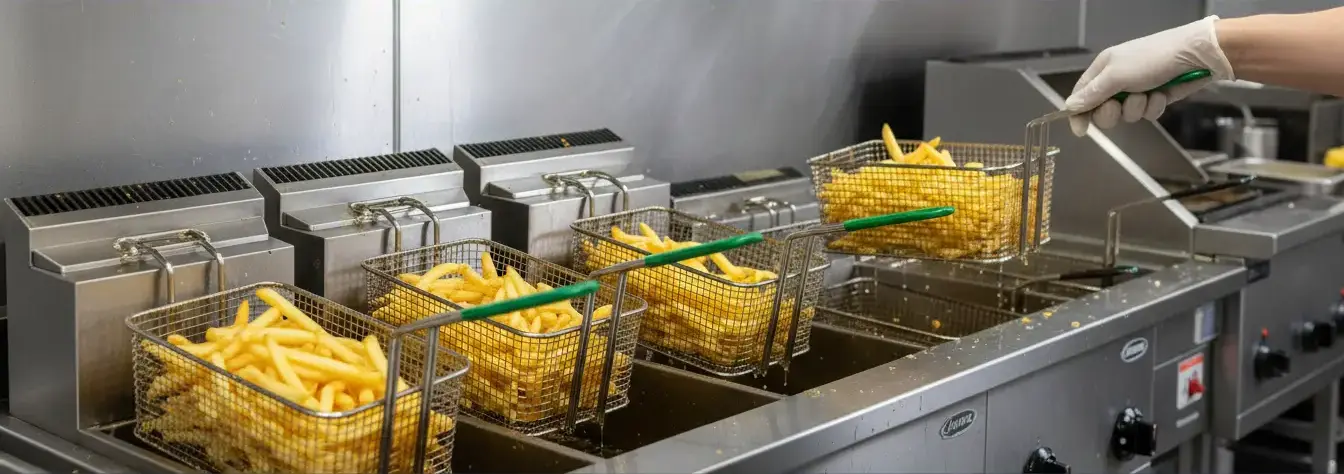
Find the Best Used Cooking Oil Collection Companies for Your Business
No obligation • Fast responses • Nationwide coverage

Why you can trust Restaurant Waste Disposal
Restaurant Waste Disposal is a leading U.S. resource for comparing restaurant composting, food-waste recycling, grease trap cleaning, and used cooking oil collection services. Our editorial team researches providers, checks credentials, and organizes unbiased information so operators can make informed decisions. Companies cannot pay to change ratings or placement.
Search providers near you
Top Used Cooking Oil Collection Companies in Elgin, Illinois Ranked
For restaurants and food service establishments in Elgin, managing used cooking oil (UCO) is a critical operational and environmental responsibility. Proper collection and recycling of this waste stream not only ensures compliance with local and state regulations but also transforms a potential disposal headache into a resource for renewable energy. The process involves partnering with licensed haulers who provide secure storage containers and scheduled pickups, ensuring the oil is safely transported to facilities where it is primarily converted into biodiesel. This guide outlines the essential steps, rules, and potential benefits of establishing a reliable UCO management system in Elgin.

Aurora Tallow, Inc.
440 Main St, Warrenville, IL 60555
Aurora Tallow, Inc. provides used cooking oil collection services in Chicago, IL. The company specializes in recycling restaurant grease and oil, helping businesses manage their waste responsibly. Aurora Tallow, Inc. serves clients in the local area with a focus on environmentally conscious disposal methods.

A&P Grease Trappers, Inc
801 N Raddant Rd, Batavia, IL 60510
A&P Grease Trappers, Inc is a family-owned business serving Aurora, IL, and the Chicagoland area since 2006. They specialize in grease trap cleaning, fryer oil recycling and buy-back, drain and sewer cleaning, septic tank pumping, and RPZ testing. Their licensed professionals use modern equipment to maintain compliance and ensure efficient operations for restaurants, businesses, and municipalities. The company offers 24-hour emergency services with a commitment to respond within one hour for urgent needs.
Understanding Local Rules and Best Practices
Navigating the regulations for used cooking oil disposal in Illinois is the first step toward a compliant and efficient operation. The key is to prevent fats, oils, and grease (FOG) from entering the municipal sewer system, which can cause costly blockages and environmental damage. In Elgin, as throughout the state, transporting more than 55 gallons of used oil at a time requires using a licensed special waste hauler registered with the Illinois Environmental Protection Agency (IEPA)1. This ensures that the material is tracked and handled responsibly from your kitchen to its recycling destination.
Proper on-site storage is equally important. Providers typically supply collection bins ranging from 40 to over 300 gallons. For smaller volumes or indoor storage, 40 or 55-gallon drums are common, while larger outdoor containers (110 to 300+ gallons) are used by high-volume establishments. These bins must have secure, locking lids to prevent contamination from rainwater and debris, deter pests, and avoid theft 2. Some restaurants opt for more advanced systems, such as direct fryer-to-tank pumps or heated outdoor containers, which can make the transfer process cleaner and reduce labor.
The Collection and Recycling Process
A typical used cooking oil collection service in Elgin follows a straightforward cycle. First, your kitchen staff stores cooled UCO in the designated, provider-supplied container. Your hauler then schedules regular pickups-weekly, bi-weekly, or monthly-based on your oil production volume. During a pickup, a service technician will collect the full container, often leaving a clean, empty one in its place, ensuring no interruption to your routine.
Once collected, the oil is transported to a processing facility. There, it undergoes filtering to remove food particles and is heated to separate out any water3. This purification process is crucial for producing high-quality feedstock. The primary end product for recycled UCO is biodiesel, a cleaner-burning alternative to petroleum diesel. However, the recycled oil can also be used in the production of soaps, animal feed supplements, lubricants, and even cosmetics, making it a versatile raw material. By participating in this cycle, Elgin restaurants directly contribute to a circular economy and reduce reliance on fossil fuels.
Financial Considerations: Costs, Rebates, and Value
The financial model for used cooking oil collection is often designed to incentivize proper disposal. For many restaurants, the service can be cost-neutral or even generate a small revenue stream, depending on volume and oil quality.
- Low Volume (Under 100 gallons/month): Establishments producing smaller amounts of UCO can often arrange for free pickup services. While a monetary rebate may not apply at this level, avoiding landfill or improper disposal fees represents significant savings.
- Medium Volume (100-300 gallons/month): At this tier, rebate programs frequently become available. Prices can range from $0.10 to $0.25 per gallon collected. This rebate often fully offsets the cost of the collection service, effectively making it free for the restaurant.
- High Volume (Over 300 gallons/month): High-volume producers, like large restaurants or institutional kitchens, are in the best position to benefit. Rebates can range from $0.25 to over $0.65 per gallon4 5. At these rates, the rebate can not only cover disposal costs but also provide a modest additional income. It's important to note that the quality of the oil-specifically, how little water and food sediment it contains-directly impacts the rebate value offered5.
Find the perfect used cooking oil collection companies for your needs
Get personalized recommendations and expert advice
Choosing a Service Provider in Elgin
Selecting the right partner for your grease trap and used oil needs is essential. Reputable providers in the Chicagoland area offer comprehensive services that include equipment supply, regular maintenance, and reliable recycling.
- Grand Natural: This provider offers used cooking oil collection services specifically in Elgin. They provide both indoor and outdoor storage solutions and emphasize preventative maintenance to keep your system running smoothly 6.
- Mahoney Environmental: A national service provider with a strong presence in Chicago and the surrounding suburbs, Mahoney offers full-service fryer oil disposal and recycling. Their services include container provision, scheduled pickups, and certified recycling7 8.
- A&P Grease Trappers: Serving the Chicagoland area, A&P provides fryer oil recycling with a buy-back program. They handle the entire process from collection to processing, focusing on converting UCO into biodiesel9.
When evaluating providers, consider their service reliability, compliance certifications, the flexibility of pickup schedules, and the transparency of their rebate or pricing structure.
Environmental and Community Impact
Beyond compliance and cost, responsible used cooking oil management has a profound positive impact. Diverting UCO from landfills and sewers protects Elgin's local infrastructure and waterways. When FOG is poured down drains, it solidifies in pipes, leading to sanitary sewer overflows (SSOs) that can contaminate rivers and streams, including the Fox River10. By ensuring proper collection, restaurants play a direct role in preventing these pollution events.
Furthermore, the conversion of used cooking oil into biodiesel significantly reduces greenhouse gas emissions compared to conventional diesel fuel. It represents a sustainable, renewable energy source that supports energy independence. For an Elgin restaurant, a robust UCO recycling program is not just a operational task-it's a demonstrable commitment to sustainability that can resonate positively with environmentally conscious customers and the community at large.
Frequently asked questions
Sources
Footnotes
-
Used Oil - Illinois Environmental Protection Agency - https://epa.illinois.gov/topics/waste-management/waste-disposal/used-oil.html ↩
-
Used cooking oil woes? WasteFreeSD.org has you covered! - https://www.cleansd.org/used-cooking-oil-woes-wastefreesd-org-has-you-covered/ ↩
-
Used Cooking Oil Pickup vs Drop-Off-What's Best for Restaurants? - https://www.greaseprosrecycling.com/used-cooking-oil-pickup-vs-drop-off/ ↩
-
Used Cooking Oil Disposal: Complete Guide to Grease Pickups - https://greaseconnections.com/used-cooking-oil-disposal-guide-grease-pickups/ ↩
-
Restaurant Used Cooking Oil Recycling & Disposal Guide - https://greaseconnections.com/restaurant-used-cooking-oil-disposal-recycling-revenue-guide/ ↩ ↩2
-
Used Cooking Oil Pickup and Recycling Services in Elgin - https://www.grandnatural.com/locations/used-cooking-oil-recycling-in-elgin.html ↩
-
Restaurant Grease Pick Up & Disposal Services in Chicago, IL - https://www.mahoneyes.com/fryer-oil-disposal-recycling-chicago-il/ ↩
-
Used Cooking Oil Pickup & Recycling Services in Chicago, IL - https://www.mahoneyes.com/restaurant-oil-recycling-chicago-il/ ↩
-
Fryer Oil Recycling | Chicagoland - https://www.apgreasetrappers.com/fryer-oil-recycling-and-buy-back ↩
-
Grease Collection Service: What is it - https://www.grandnaturalinc.com/blog/what-is-grease-collection-service.html ↩