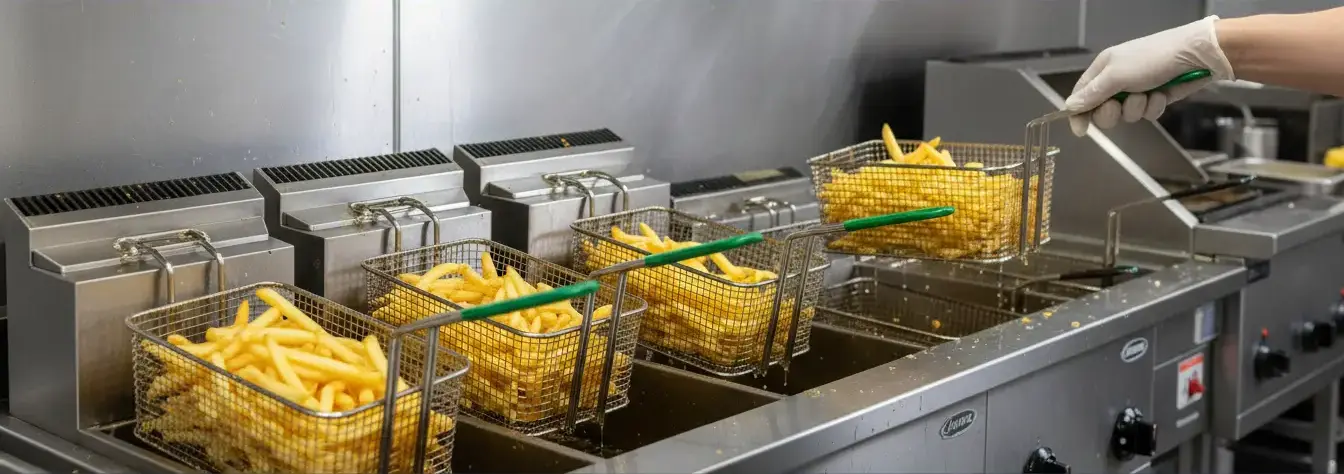
Find the Best Used Cooking Oil Collection Companies for Your Business
No obligation • Fast responses • Nationwide coverage

Why you can trust Restaurant Waste Disposal
Restaurant Waste Disposal is a leading U.S. resource for comparing restaurant composting, food-waste recycling, grease trap cleaning, and used cooking oil collection services. Our editorial team researches providers, checks credentials, and organizes unbiased information so operators can make informed decisions. Companies cannot pay to change ratings or placement.
Search providers near you
Top Used Cooking Oil Collection Companies in Buffalo Grove, Illinois Ranked
For restaurants and food service businesses in Buffalo Grove, managing used cooking oil (UCO) is a critical operational and environmental responsibility. Properly handling this waste stream isn't just about compliance; it's an opportunity to contribute to a circular economy by transforming a byproduct into valuable resources like biodiesel. Illinois and local regulations mandate specific protocols for storage, handling, and collection, requiring partnerships with licensed haulers. By understanding the rules and optimizing oil quality, Buffalo Grove establishments can ensure safe, legal disposal and potentially offset costs through rebate programs.

Aurora Tallow, Inc.
440 Main St, Warrenville, IL 60555
Aurora Tallow, Inc. provides used cooking oil collection services in Chicago, IL. The company specializes in recycling restaurant grease and oil, helping businesses manage their waste responsibly. Aurora Tallow, Inc. serves clients in the local area with a focus on environmentally conscious disposal methods.

A&P Grease Trappers, Inc
801 N Raddant Rd, Batavia, IL 60510
A&P Grease Trappers, Inc is a family-owned business serving Aurora, IL, and the Chicagoland area since 2006. They specialize in grease trap cleaning, fryer oil recycling and buy-back, drain and sewer cleaning, septic tank pumping, and RPZ testing. Their licensed professionals use modern equipment to maintain compliance and ensure efficient operations for restaurants, businesses, and municipalities. The company offers 24-hour emergency services with a commitment to respond within one hour for urgent needs.
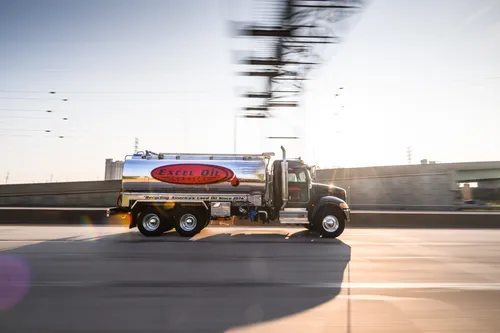
Excel Oil Service
4301 S Knox Ave, Chicago, IL 60632
Excel Oil Service is a used cooking oil collection company based in Chicago, IL. The company specializes in collecting used cooking oil from various businesses in the area, helping to manage waste and support recycling efforts. Excel Oil Service focuses on efficient and responsible oil collection to serve the needs of local clients.
Understanding Local Regulations and Compliance
Navigating the regulatory landscape is the first step for any Buffalo Grove restaurant managing fryer oil and grease. The Illinois Environmental Protection Agency (IEPA) sets forth clear rules to prevent environmental contamination and ensure public safety.
- Licensed Haulers are Mandatory: It is illegal to transport used cooking oil commercially without a valid Illinois waste hauling permit. This means restaurants must contract with a licensed grease collection service for pickup and recycling. These companies are registered to handle the material from your back door to the recycling facility.
- Storage Time Limits: A key IEPA rule involves how long you can store oil on-site. If you accumulate and hold used cooking oil for more than 35 days, your facility may require a formal storage permit from the IEPA 1. Working with a reliable hauler on a regular pickup schedule is the simplest way to avoid this permitting hurdle.
- Strict Disposal Prohibitions: Pouring used fryer oil down the drain is strictly prohibited. This practice leads to severe plumbing blockages, contributes to damaging sewer overflows, and violates local sewer use ordinances 2 3. Proper collection is the only legal and responsible path.
Best Practices for On-Site Oil Storage & Handling
Safe and compliant storage protects your staff, your property, and the environment while also maximizing the value of your used oil. Following these guidelines is essential.
Use the Right Containers: Always store used cooking oil in dedicated, leak-proof containers or tanks. Many recycling providers supply these containers as part of their service. They should be clearly labeled as "Used Cooking Oil" to prevent accidental misuse or contamination with fresh oil.
Secure the Storage Area: Containers should be kept in a secure, accessible location, such as a locked enclosure or a fenced area behind the restaurant. This deters theft and vandalism. The area should be away from high traffic and heat sources to minimize spill risks and fire hazards.
Prevent Contamination: The quality of your used oil directly impacts its recyclability and value. Keep lids tightly closed to prevent rainwater or debris from entering. Avoid mixing different types of fats or introducing large amounts of food solids and water, as contamination can significantly reduce potential rebates 4.
The Collection and Recycling Process
Once your oil is properly stored, the collection process is straightforward. A typical service includes scheduled pickups by your licensed hauler.
- Scheduled Pickup: Your service provider will establish a regular collection schedule-weekly, bi-weekly, or monthly-based on your oil production volume. The hauler arrives with a specialized truck to pump the oil from your storage tank.
- Transportation: The collected oil is transported in certified vehicles to a processing facility. Licensed haulers ensure all transportation complies with state regulations.
- Recycling Transformation: At the facility, the used cooking oil is cleaned and processed. The primary end product is biodiesel, a renewable fuel that powers vehicles and heating systems. It can also be refined into ingredients for animal feed, soaps, and industrial lubricants, ensuring nothing goes to waste.
Evaluating Costs and Potential Rebates
The financial model for used cooking oil collection is unique. Instead of always being a cost center, it can become cost-neutral or even generate a small revenue stream, depending on your volume and oil quality.
How Rebates Work: Recycling companies purchase used cooking oil as a feedstock for biodiesel production. The payment or rebate you receive is based on the market value of the oil and its quality. Cleaner oil with minimal contamination commands a higher price.
- Low Volume Operations: Restaurants generating less than 100 gallons per month often qualify for free pickup and disposal services. The hauler covers the cost of service through the value of the aggregated oil.
- Medium to High Volume Operations: Establishments with greater output can earn direct rebates. For volumes between 100-300 gallons monthly, rebates may range from $0.10 to $0.25 per gallon. High-volume producers (over 300 gallons monthly) can see rebates from $0.25 to over $0.65 per gallon5 6. These payments can effectively offset the cost of grease trap cleaning or other waste services.
Find the perfect used cooking oil collection companies for your needs
Get personalized recommendations and expert advice
Choosing a Service Provider in Buffalo Grove
Selecting the right partner is crucial for reliable, compliant service. Look for a provider with a valid Illinois waste hauling permit and a strong reputation for reliability. Key national and regional providers serving the Chicagoland area, including Buffalo Grove, include companies like Mahoney Environmental, Hopkins Grease Company, and Baker Commodities 7 8 9. When evaluating providers, consider their pickup schedule flexibility, the quality of storage equipment they supply, their transparency regarding rebate calculations, and their knowledge of local Illinois EPA regulations.
Environmental and Community Benefits
Participating in a formal used cooking oil recycling program extends benefits far beyond your kitchen. By diverting oil from landfills and sewers, you are directly contributing to environmental protection in Buffalo Grove. Recycling UCO into biodiesel reduces reliance on fossil fuels and lowers greenhouse gas emissions. Furthermore, responsible disposal prevents costly and unsanitary sewer backups, protecting municipal infrastructure and local waterways like the Des Plaines River watershed. It's a practical step toward sustainable business operations that resonates with environmentally conscious customers.
Common Pitfalls to Avoid
Even with good intentions, mistakes can happen. Be vigilant to avoid these common errors:
- Using Unlicensed Collectors: "Cowboy" collectors may offer quick cash but likely operate without proper insurance or permits, leaving you liable for any transportation or disposal violations 10.
- Neglecting Storage Security: An unsecured tank is a target for theft, which is not just a loss of potential rebate but can also lead to messy, hazardous spills on your property.
- Ignoring Quality: Treating your storage tank as a general waste bin for liquids degrades the oil quality, turning a potential asset into a liability that may incur higher handling fees.
Frequently asked questions
Sources
Footnotes
-
Used Oil - Illinois Environmental Protection Agency - https://epa.illinois.gov/topics/waste-management/waste-disposal/used-oil.html ↩
-
Restaurant Oil Disposal: Explained - Eazy Grease - https://eazygrease.com/how-do-restaurants-get-rid-of-their-oil/ ↩
-
Used Cooking Oil Recycling - Glenbard Wastewater Authority - https://www.gbww.org/blog/used-cooking-oil-recycling/ ↩
-
How to Store Used Cooking Oil Safely Before Pickup - https://millstadtrendering.com/how-to-store-used-cooking-oil-safely-before-pickup/ ↩
-
Used Cooking Oil Disposal: Complete Guide to Grease Pickups - https://greaseconnections.com/used-cooking-oil-disposal-guide-grease-pickups/ ↩
-
Restaurant Used Cooking Oil Recycling & Disposal Guide - https://greaseconnections.com/restaurant-used-cooking-oil-disposal-recycling-revenue-guide/ ↩
-
Restaurant Grease Pick Up & Disposal Services in Chicago, IL - https://www.mahoneyes.com/fryer-oil-disposal-recycling-chicago-il/ ↩
-
Cooking Oil Recycling - Hopkins Grease Company - https://www.hopkinsgrease.com/cooking-oil-recycling/ ↩
-
Used Cooking Oil Regulations for Food Service Businesses - https://bakercommodities.com/blog/2024/02/08/legal-requirement-used-cooking-grease/ ↩
-
Used Oil A Summary of Regulatory Requirements - https://epa.illinois.gov/content/dam/soi/en/web/epa/topics/waste-management/waste-disposal/used-oil/documents/used-oil-regulatory-requirements.pdf ↩