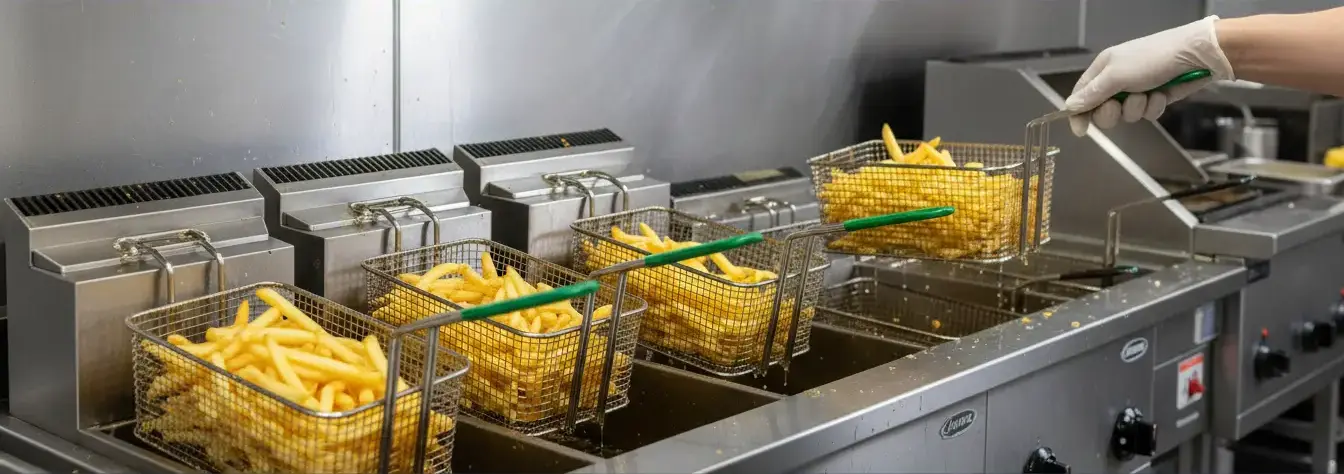
Find the Best Used Cooking Oil Collection Companies for Your Business
No obligation • Fast responses • Nationwide coverage

Why you can trust Restaurant Waste Disposal
Restaurant Waste Disposal is a leading U.S. resource for comparing restaurant composting, food-waste recycling, grease trap cleaning, and used cooking oil collection services. Our editorial team researches providers, checks credentials, and organizes unbiased information so operators can make informed decisions. Companies cannot pay to change ratings or placement.
Search providers near you
Top Used Cooking Oil Collection Companies in Berwyn, Illinois Ranked
For restaurants in Berwyn, managing used cooking oil (UCO) is a critical operational task that intersects with environmental responsibility, regulatory compliance, and potential cost recovery. Properly handling this byproduct involves more than just disposal; it's about integrating a systematic collection and recycling process. Licensed grease haulers provide essential services, from supplying secure storage containers to scheduling regular pickups, ensuring the oil is diverted from landfills and wastewater systems to be transformed into valuable resources like biodiesel and animal feed. Navigating Illinois and local regulations is key, as improper disposal can lead to significant fines and plumbing disasters. This guide outlines the systems, rules, and economic considerations for effective used fryer oil management in Berwyn.

Aurora Tallow, Inc.
440 Main St, Warrenville, IL 60555
Aurora Tallow, Inc. provides used cooking oil collection services in Chicago, IL. The company specializes in recycling restaurant grease and oil, helping businesses manage their waste responsibly. Aurora Tallow, Inc. serves clients in the local area with a focus on environmentally conscious disposal methods.

A&P Grease Trappers, Inc
801 N Raddant Rd, Batavia, IL 60510
A&P Grease Trappers, Inc is a family-owned business serving Aurora, IL, and the Chicagoland area since 2006. They specialize in grease trap cleaning, fryer oil recycling and buy-back, drain and sewer cleaning, septic tank pumping, and RPZ testing. Their licensed professionals use modern equipment to maintain compliance and ensure efficient operations for restaurants, businesses, and municipalities. The company offers 24-hour emergency services with a commitment to respond within one hour for urgent needs.
Excel Oil Service
4301 S Knox Ave, Chicago, IL 60632
Excel Oil Service is a used cooking oil collection company based in Chicago, IL. The company specializes in collecting used cooking oil from various businesses in the area, helping to manage waste and support recycling efforts. Excel Oil Service focuses on efficient and responsible oil collection to serve the needs of local clients.
Kaluzny Brothers Inc
1528 Mound Rd, Rockdale, IL 60436
Kaluzny Brothers Inc is a third-generation family-owned rendering company located in Joliet, IL. They specialize in the sustainable recycling of animal by-products, including oils, bones, and fats, to create essential ingredients used in everyday products. Their services focus on reducing food waste through complete rendering solutions. Kaluzny Brothers Inc has been serving clients for over 20 years and is known for thorough grease trap cleaning and used cooking oil collection.
Understanding Local Regulations for Oil Disposal
Compliance starts with knowing the rules. In Illinois, used cooking oil is regulated as a waste product, and specific laws govern its storage, transportation, and final disposition to protect public infrastructure and the environment.
- Strict Drain Disposal Ban: It is illegal to pour used cooking oil or grease down any drain, including sinks, floor drains, or toilets 1 2. Doing so contributes to sewer blockages (fatbergs), can cause costly backups in your own establishment, and leads to environmental contamination. Grease interceptors or traps are legally required for most food service establishments to capture fats, oils, and grease (FOG) before wastewater enters the public sewer system 3.
- Secure Storage Requirements: Oil must be stored in dedicated, leak-proof containers that are clearly labeled. These containers should be kept in a secure area to prevent accidental spills, contamination, and theft. Proper storage also maintains oil quality, which can impact its recyclable value.
- Hauler Licensing: Any company transporting used cooking oil from your Berwyn restaurant must hold a valid Illinois Environmental Protection Agency (IEPA) waste hauling permit 4. Always verify a provider's licensing status before contracting their services.
- Potential Permit Needs: If you store large volumes of oil on-site for extended periods (typically over 35 days), you may need a storage permit from the IEPA. Your licensed hauler can often advise on these requirements.
Setting Up Your On-Site Collection and Storage System
An efficient on-site system simplifies daily operations for your kitchen staff and ensures oil is kept in optimal condition for recycling. Modern solutions go beyond simple drums.
- Direct Pump-Out Systems: Many providers install indoor storage tanks that connect directly to your fryers via a pipe or hose. This allows staff to transfer oil safely with the flip of a lever, minimizing spills and labor. These closed systems also reduce exposure to hot oil and improve kitchen cleanliness.
- Portable Filtration & Indoor Tanks: For kitchens with less space, portable filter units can be used to clean oil before it's poured into sealed indoor collection barrels. This method is common but requires more manual handling.
- Heated Outdoor Storage Tanks: For high-volume establishments, large, insulated outdoor tanks are a popular solution. These tanks are often heated to prevent oil from solidifying in cold Berwyn winters and come equipped with locking mechanisms for security and level sensors that automatically notify your hauler when a pickup is needed.
- Grease Trap Maintenance: Remember that your grease trap is a separate but related component. It captures greasy wastewater and solids. Regular professional cleaning of your grease trap is a non-negotiable part of compliance and preventing drain line clogs 5.
The Recycling Journey: From Your Kitchen to New Products
Once collected, your used cooking oil begins a transformative journey. Partnering with a reputable recycler ensures this material is processed responsibly and put to beneficial use.
- Scheduled Collection: A licensed hauler, such as a local provider like A&P Grease Trappers, will arrive on a regular schedule (weekly, bi-weekly, or monthly) to pump out the contents of your storage tank.
- Transportation & Processing: The oil is transported in specialized trucks to a processing facility. There, it undergoes rigorous filtration to remove food particles and water. Further purification processes prepare the oil for its next life.
- Creation of End Products: The cleaned oil is a valuable feedstock. The primary product is biodiesel, a renewable, cleaner-burning fuel for diesel engines 6. Other common end uses include ingredients for animal feed, soaps, lubricants, and industrial chemicals 7.
Find the perfect used cooking oil collection companies for your needs
Get personalized recommendations and expert advice
Cost Structure and Potential Revenue
The financial model for used cooking oil collection is not one-size-fits-all. It typically operates on a spectrum from cost-free service to generating a small revenue stream, depending on two main factors: the volume you produce and the quality of the oil.
- Quality and Volume Matter: High-volume restaurants that generate a steady stream of well-filtered, uncontaminated oil are in the best position. For this premium material, recyclers often provide the collection service for free and may even pay a rebate based on the market price for feedstock 8. This rebate can range from a few cents to over fifty cents per gallon.
- Service-Fee Model: Lower-volume establishments or those whose oil is heavily contaminated with water or food solids may incur a service fee for pickup and disposal 9 10. This fee covers the hauler's costs for transportation and the extra processing required.
- Understanding Your Agreement: Contracts can vary. Some providers offer a "buy-back" program where they purchase your oil outright. Others offer a free pickup service and keep the revenue from the recycled product. It's crucial to clarify the terms, including pickup frequency, tank maintenance responsibilities, and payment structures, before signing an agreement.
Choosing a Service Provider in Berwyn
Selecting the right partner is essential for reliable, compliant service. Look for providers with a strong local presence and a full suite of services.
- Local Expertise: Companies familiar with Berwyn and Cook County regulations can provide invaluable guidance. For example, A&P Grease Trappers notes service availability in Berwyn for both oil recycling and buy-back programs 11.
- Comprehensive Service Offering: The most convenient providers handle everything: supplying and maintaining the storage tank, scheduling automatic pickups, and managing all transportation and recycling logistics. Some may also offer related services like grease trap cleaning.
- Transparency and Reliability: Choose a licensed hauler with a reputation for consistent, on-time pickups. They should provide clear documentation (manifests) for each oil pickup, which is important for your regulatory records 12.
Proper management of used cooking oil is a clear win for Berwyn restaurants. It ensures regulatory compliance, protects your plumbing, supports environmental sustainability, and can even offset operational costs. By implementing a modern storage system and partnering with a trusted, licensed recycler, you turn a waste product into a community and economic resource.
Frequently asked questions
Sources
Footnotes
-
Restaurant Grease Pick Up & Disposal Services in Chicago, IL - https://www.mahoneyes.com/fryer-oil-disposal-recycling-chicago-il/ ↩
-
Used Cooking Oil Recycling - Glenbard Wastewater Authority - https://www.gbww.org/blog/used-cooking-oil-recycling/ ↩
-
Restaurant Oil Disposal: Explained - Eazy Grease - https://eazygrease.com/how-do-restaurants-get-rid-of-their-oil/ ↩
-
Used Oil - Illinois Environmental Protection Agency - https://epa.illinois.gov/topics/waste-management/waste-disposal/used-oil.html ↩
-
Used Cooking Oil Pickup & Recycling Services in Chicago, IL - https://www.mahoneyes.com/restaurant-oil-recycling-chicago-il/ ↩
-
How to Dispose of Cooking Grease as a Restaurant - Webstaurant Store - https://www.webstaurantstore.com/blog/4746/grease-removal-for-restaurants.html ↩
-
What Happens To The Used Cooking Oil Once It Leaves Your Restaurant? - https://www.grandnatural.com/blog/what-happens-to-the-used-cooking-oil-once-it-leaves-your-restaurant.html ↩
-
Restaurant Oil Recycling | Berwyn, IL - https://www.apgreasetrappers.com/contact/restaurant-oil-recycling-service-area/berwyn-il ↩
-
Used Cooking Oil Pickup vs Drop-Off - GreasePros Recycling - https://www.greaseprosrecycling.com/used-cooking-oil-pickup-vs-drop-off/ ↩
-
Restaurant Used Cooking Oil Recycling & Disposal Guide - https://greaseconnections.com/restaurant-used-cooking-oil-disposal-recycling-revenue-guide/ ↩
-
We Buy Used Cooking Oil | Berwyn, IL - A&P Grease Trappers - https://www.apgreasetrappers.com/contact/we-buy-used-cooking-oil-service-area/berwyn-il ↩
-
Used Oil A Summary of Regulatory Requirements - https://epa.illinois.gov/content/dam/soi/en/web/epa/topics/waste-management/waste-disposal/used-oil/documents/used-oil-regulatory-requirements.pdf ↩