Find the Best Used Cooking Oil Collection Companies for Your Business
No obligation • Fast responses • Nationwide coverage

Why you can trust Restaurant Waste Disposal
Restaurant Waste Disposal is a leading U.S. resource for comparing restaurant composting, food-waste recycling, grease trap cleaning, and used cooking oil collection services. Our editorial team researches providers, checks credentials, and organizes unbiased information so operators can make informed decisions. Companies cannot pay to change ratings or placement.
Search providers near you
Top Used Cooking Oil Collection Companies in Warner Robins, Georgia Ranked
For restaurants and food service businesses in Warner Robins, managing used cooking oil (UCO) is a critical operational task that, when handled professionally, can turn a waste product into a valuable resource. Proper grease collection and recycling not only ensure compliance with local and state environmental regulations but also support the circular economy by transforming waste into biodiesel, animal feed, and other products. Partnering with a reliable used oil collection service simplifies this process, providing scheduled pickups, secure containers, and often creating a cost-neutral or even revenue-generating stream for your business. This guide outlines the essentials of establishing and maintaining an effective UCO management system tailored for Warner Robins establishments.
Understanding Fats, Oils, and Grease (FOG) Compliance
Navigating the regulatory landscape for FOG is the first step in responsible kitchen management. In Georgia, the primary rule stems from the International Plumbing Code (IPC), which mandates that grease interceptors (or grease traps) be pumped and cleaned at a minimum of every 90 days or when the grease accumulation reaches 25% of the container's capacity. While this is a state baseline, local authorities in Houston County may have additional requirements, such as specific permits or surcharges for commercial grease handling. The consequences for non-compliance, such as pouring oil down drains, can be severe, including hefty environmental fines and damage to the municipal sewer system1. Maintaining detailed service manifests-records of every pickup-is crucial for demonstrating compliance during potential audits.
The Environmental and Economic Imperative
Recycling used fryer oil is far more than a regulatory checkbox. When UCO is collected professionally, it is diverted from landfills and wastewater systems, preventing pipe blockages and environmental contamination. Instead, it becomes a feedstock for renewable biodiesel production, a key component in sustainable fuel alternatives2 3. For a business, this translates into participating in a green initiative that enhances your brand's sustainability profile. Economically, high-quality, well-managed used cooking oil has tangible value on the commodities market, allowing service providers to offer rebates or free collection services to their partners.
Setting Up Your Used Cooking Oil Recycling Service
Initiating a grease collection program in Warner Robins is a straightforward process designed to integrate seamlessly with your kitchen operations.
Initial Assessment and Container Delivery: The process begins by contacting a local service provider, such as Liquid Recovery Solutions, Clean Energy Biofuels, or Eazy Grease. A representative will typically conduct a free assessment of your volume output and space constraints. They will then deliver durable, spill-proof collection containers, often ranging from 40 to 300 gallons, sized to meet your needs. These bins are designed for both indoor and outdoor use with secure lids to prevent leaks and odors.
Proper Oil Storage and Handling: Before transferring oil to the collection bin, it must be cooled to a safe temperature, generally below 120°F4. Kitchen staff should filter out large food solids, scraping them into solid waste bins, before pouring the liquid oil into the provided container. This step is vital for maintaining oil quality, which can affect rebate potential, and for preventing clogs in the container's pump system. Keeping the area around the storage bin clean and accessible ensures a smooth pickup process.
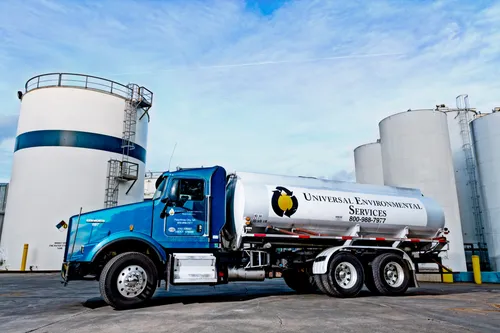
Scheduled Pickup and Hauling: Based on your production volume, you and the service provider will establish a pickup schedule-commonly weekly, bi-weekly, or monthly. On the scheduled day, a trained technician will arrive, pump the oil from your container into a dedicated truck, and provide a fresh, clean container if needed. They will also issue a service manifest detailing the quantity collected, which serves as your proof of proper disposal.
Find the perfect used cooking oil collection companies for your needs
Get personalized recommendations and expert advice
The Recycling Journey: From Your Kitchen to New Products
Once collected from your Warner Robins restaurant, the used cooking oil embarks on a transformation. The hauling company transports it to a processing facility where it undergoes filtration and purification. The primary end product is biodiesel, a renewable, cleaner-burning diesel alternative that powers vehicles and equipment. Beyond fuel, the refined oil can also be used in the production of soaps, cosmetics, and industrial lubricants. Another common pathway is conversion into ingredients for animal feed, ensuring that this resource is fully utilized within a circular economy model 5. By choosing a recycler, your business directly contributes to reducing fossil fuel dependence and promoting sustainable manufacturing.
Cost Structure and Potential Revenue
The financial model for used cooking oil collection is unique, as it can shift from a cost center to a minor revenue stream. Many providers offer their core collection service for free to establishments that generate a consistent, high volume of quality oil6. Revenue is generated through rebates paid to the restaurant based on the market value of the oil; for example, prices can range around $0.65 per gallon, though this fluctuates with commodity markets7. For smaller-volume generators, there may be a nominal service fee to cover transportation and handling costs. It's also important to factor in potential local permit fees, which can vary. An analysis of similar markets in Georgia, like Atlanta, shows annual permit costs ranging from $300 to $2,400, though these are typically managed or outlined by the collection service8 9. The key takeaway is that a professional service should provide a transparent cost-benefit analysis, aiming for a solution that is at least cost-neutral for your operation.
Choosing a Service Provider in Warner Robins
Selecting the right partner is crucial. Look for companies with a strong local presence and reliable track record. Key players serving the Warner Robins area include Liquid Recovery Solutions, Clean Energy Biofuels, and Eazy Grease10 11. When evaluating providers, inquire about their container options, pickup scheduling flexibility, safety record, and final recycling destinations. A reputable hauler will be fully licensed and insured, provide clear documentation, and help you navigate any local Houston County regulatory requirements.
Best Practices for On-Site Grease Management
To maximize efficiency and safety, adhere to these operational guidelines:
- Cool Before Transferring: Always allow oil to cool completely before moving it to the storage container to prevent burns and fire hazards.
- Filter and Scrape: Remove food particulates to maintain oil quality and prevent bin malfunctions.
- Secure the Lid: Always keep the collection container securely latched to prevent spills, pests, and rainwater contamination.
- Maintain Accessibility: Ensure the pickup location is always clear and accessible for the service truck.
- Document Everything: File every service manifest and receipt in an organized manner for compliance records.
- Never Pour Down Drains: This is the cardinal rule to avoid costly plumbing issues and regulatory fines 12.
Implementing a systematic approach to used cooking oil management protects your business, supports environmental sustainability, and can improve your bottom line.
Frequently asked questions
Sources
Footnotes
-
Restaurant Grease Recycling Glossary & FAQ | Atlanta GA - https://greaseconnections.com/atlanta-grease-recycling-glossary-faq/ ↩
-
Warner Robbins GA Used Cooking Oil Collector - https://cleanenergybiofuels.com/georgia/warner-robbins-ga-used-cooking-oil-collector/ ↩
-
Georgia's Premier Used Cooking Oil Recycling Service - https://eazygrease.com/used-cooking-oil-recycling-service-georgia/ ↩
-
Used Cooking Oil Disposal: Complete Guide to Grease Pickups - https://greaseconnections.com/used-cooking-oil-disposal-guide-grease-pickups/ ↩
-
Used Cooking Oil Collection & Rebates - Grease Connections - https://greaseconnections.com/services/ ↩
-
Grease Collection Service: What is it - https://www.grandnaturalinc.com/blog/what-is-grease-collection-service.html ↩
-
Grease & Used Cooking Oil Disposal & Pickup | Buckhead, GA - https://liquidrecover.com/grease-used-cooking-oil-disposal-pickup-buckhead-ga/ ↩
-
Restaurant Used Cooking Oil: Disposal, Recycling & Revenue Guide - https://greaseconnections.com/restaurant-used-cooking-oil-disposal-recycling-revenue-guide/ ↩
-
Georgia FOG & Used Oil Rules: Permits, Fines, 90-Day Limit - https://greaseconnections.com/resources/compliance/ga/ ↩
-
Used Cooking Oil Recycling Company & Grease Trap Services - https://liquidrecover.com/ ↩
-
Grease & Used Cooking Oil Disposal | Pickup Warner Robins ... - https://liquidrecover.com/grease-used-cooking-oil-disposal-pickup-warner-robins/ ↩
-
How to Dispose of Cooking Oil in Georgia: Protecting Our Peach State - https://liquidrecover.com/how-dispose-cooking-oil-georgia/ ↩