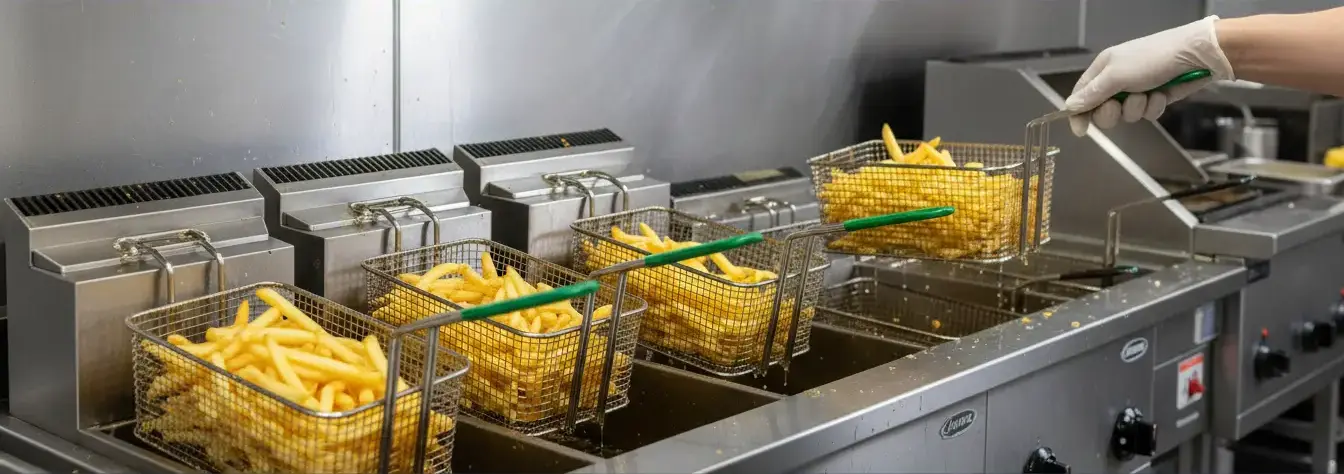
Find the Best Used Cooking Oil Collection Companies for Your Business
No obligation • Fast responses • Nationwide coverage

Why you can trust Restaurant Waste Disposal
Restaurant Waste Disposal is a leading U.S. resource for comparing restaurant composting, food-waste recycling, grease trap cleaning, and used cooking oil collection services. Our editorial team researches providers, checks credentials, and organizes unbiased information so operators can make informed decisions. Companies cannot pay to change ratings or placement.
Search providers near you
Top Used Cooking Oil Collection Companies in Atlanta, Georgia Ranked
For Atlanta's bustling restaurant scene, managing used cooking oil (UCO) is a critical operational and environmental responsibility. Professional grease collection services provide a seamless solution, ensuring compliance with strict city ordinances while transforming a waste product into valuable resources like biodiesel and sustainable aviation fuel. Partnering with a reliable hauler helps protect your plumbing, avoids significant fines, and supports Atlanta's sustainability goals by keeping fats, oils, and grease (FOG) out of the sewer system.
AGA Hood Cleaning
South Fulton, GA
AGA Hood Cleaning provides comprehensive kitchen exhaust, grease trap, and used cooking oil collection services in South Fulton, GA. They serve commercial kitchens including restaurants, schools, hospitals, and government facilities, ensuring compliance with city codes and NFPA standards. Their services include grease filter exchange, kitchen equipment cleaning, kitchen exhaust cleaning, grease trap cleaning, and used cooking oil recycling. AGA Hood Cleaning offers thorough inspections and preventative maintenance to help extend equipment life and maintain kitchen safety. Their licensed and certified team is trained to handle all aspects of kitchen exhaust system cleaning and maintenance.
Premier Grease
Atlanta, GA
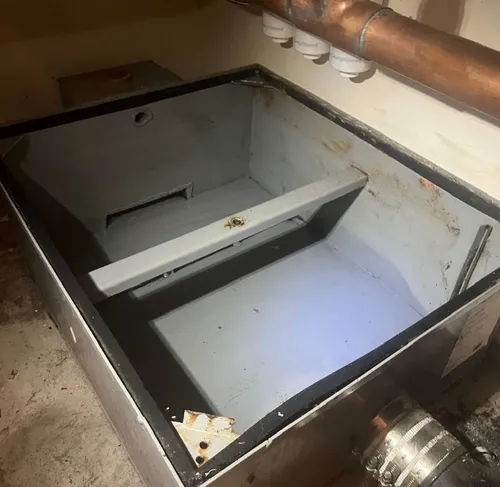
Premier Grease is a company based in Atlanta, GA, offering comprehensive grease management services including kitchen exhaust system cleaning, grease trap cleaning, used cooking oil collection, and a filter exchange program. Their services help maintain compliance with safety standards such as NFPA 96 and support environmental efforts by recycling cooking oil into biodiesel. Premier Grease also provides roof cleaning to prevent damage from grease buildup and vent cleaning to reduce fire risks. The company emphasizes local ownership, digital service documentation, and GPS tracking for accountability.
Grease Connections
5255 Fulton Industrial Blvd SW, Atlanta, GA 30336
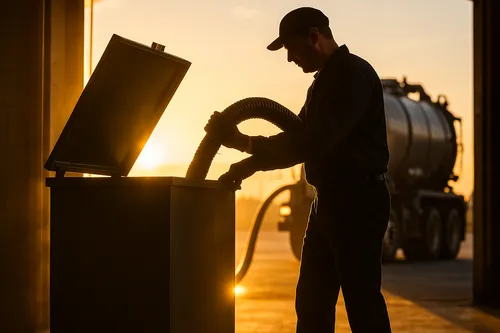
Grease Connections is a used cooking oil collection company serving Atlanta, GA, as well as Florida and New Jersey. They collect used cooking oil from restaurants and industrial facilities, then filter and refine it for use in biodiesel and renewable aviation fuel production. The company operates with licensed drivers who ensure safe, spill-free pickups and provide detailed EPA-compliant manifests for each collection. Grease Connections supports sustainability by helping clients reduce emissions and avoid fines related to improper oil disposal. Their service includes options for real-time tracking with RFID-enabled containers and automated payments. The company emphasizes compliance with regional regulations and offers transparent documentation to assist with audits and inspections.
Universal Environmental Services
411 Dividend Dr, Peachtree City, GA 30269
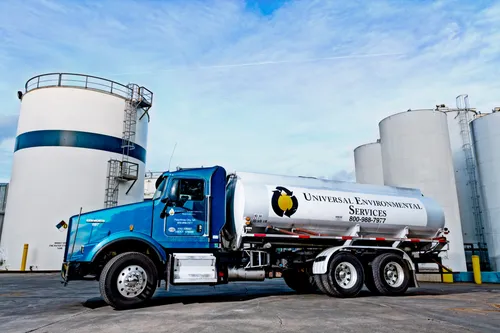
Universal Environmental Services is a used cooking oil collection company based in South Fulton, GA. They provide reliable collection services for used cooking oil, serving customers in the area with a focus on regular and dependable pickups. The company has a long-standing history of customer satisfaction, with some clients noting relationships spanning 15 to 20 years. Their drivers are recognized for their punctuality and attentiveness, often checking and collecting filters as part of their service.
GreaseBandit
3873 Roswell Rd NE, Atlanta, GA 30342
GreaseBandit is a used cooking oil collection company based in Atlanta, GA. The company specializes in collecting used cooking oil from commercial kitchens and food service establishments in the Atlanta area. GreaseBandit focuses on environmentally responsible disposal and recycling of cooking oil to support sustainability efforts.
Understanding Atlanta's FOG Regulations
The City of Atlanta Department of Watershed Management enforces a comprehensive Fats, Oils, and Grease (FOG) Control Program to protect the municipal sewer system. For restaurant operators, this means adhering to specific rules for grease trap maintenance and used cooking oil management.
Key compliance requirements include:
- Proper Storage: Used oil must be stored in designated, leak-proof, and clearly labeled containers (like steel drums or dedicated storage tanks). These containers must be placed on an impermeable surface with secondary containment and kept away from storm drains.
- Cooling Before Transfer: Oil must be cooled to below 120°F before being moved to storage containers to prevent accidents and container damage.
- No Drain Disposal: It is illegal to pour used cooking oil or grease down any drain. Using enzyme or bacterial "grease eaters" is not an acceptable substitute for proper grease trap cleaning and oil collection.
- Documentation & Recordkeeping: You are required to keep detailed pump-out and collection manifests from your hauler for a minimum of three years. Haulers must be registered with the state, and failure to provide this paperwork during an inspection can result in substantial fines.
How Professional Grease Collection and Recycling Works
Engaging a professional service streamlines the entire process from your kitchen to the recycling facility. It begins with an assessment of your establishment's volume and layout.
The typical service cycle includes:
- Assessment & Equipment Setup: A provider will evaluate your weekly oil usage and kitchen setup. They often supply and install compliant storage tanks or containers at no upfront cost 1.
- Scheduled Pickups: Based on your volume, a regular collection schedule (at a minimum of every 90 days) is established. Technicians pump the used oil from your storage unit into their specialized collection vehicle.
- Recycling & Repurposing: The collected UCO is transported to a processing facility where it is cleaned and converted into renewable products. This most commonly includes biodiesel for vehicles and Sustainable Aviation Fuel (SAF), creating a circular economy.
- Compliance Support: Reputable services handle the necessary reporting and provide you with the manifests and documentation required to prove compliance with Atlanta and Georgia regulations.
Benefits and Cost Considerations for Restaurants
Implementing a professional used cooking oil management program offers tangible benefits beyond mere regulatory compliance.
Primary advantages include:
- Preventing Costly Plumbing Issues: Proper disposal prevents grease buildup in drains and sewer lines, avoiding expensive emergency plumbing repairs and sewer backup incidents 2.
- Avoiding Fines and Shutdowns: Maintaining a clear paper trail and using certified haulers minimizes the risk of violations during health or watershed inspections, which can carry heavy fines or even operational shutdowns.
- Enhancing Safety and Cleanliness: Secure, professionally maintained storage reduces slip-and-fall hazards and pest attraction in your kitchen and dumpster areas.
- Supporting Sustainability Goals: Recycling UCO into biofuel significantly reduces your operation's carbon footprint, a positive point for eco-conscious customers and corporate sustainability reporting.
Regarding costs, the structure often depends on your oil volume. For high-volume producers, the pickup service is frequently free, as the value of the recycled oil offsets the collection cost3 4. For smaller-volume establishments, a monthly or per-service fee may apply, which can range significantly based on frequency and hauler. This cost is typically offset by the avoided plumbing expenses and risk mitigation5 6.
Find the perfect used cooking oil collection companies for your needs
Get personalized recommendations and expert advice
Choosing a Service Provider in Atlanta
Several established providers offer used cooking oil collection in the Atlanta metro area. When researching, look for companies that emphasize compliance, reliability, and transparent recycling practices.
Important selection criteria include:
- Local Compliance Expertise: Ensure the provider is thoroughly familiar with Atlanta and Georgia's specific FOG regulations and can guide you through them.
- Transparent Recycling Stream: Ask where your oil goes. Reputable companies will detail their partnerships with biofuel refiners and can often provide data on the environmental impact of your recycled oil.
- Service Reliability: Look for providers with a track record of on-time pickups and responsive customer service to ensure your storage never overflows 7.
- Comprehensive Documentation: The provider should supply detailed service reports and manifests after every collection to fortify your compliance records8.
Examples of providers serving the Atlanta market include companies like Mahoney Environmental, Clean Energy Biofuels, and specialized local operators who focus on the restaurant industry's unique needs.
Managing Grease Traps and Low-Volume Disposal
It's crucial to understand that used cooking oil collection is separate from, yet complementary to, grease trap maintenance. Grease traps and interceptors capture FOG from dishwater and floor drains, while UCO collection handles oil directly from fryers and cooking equipment. Both require professional servicing 9.
For very small businesses or those with minimal fryer use, managing small quantities of oil can be challenging. Some providers offer tailored solutions for low-volume generators, which may include shared collection points or different container options. Never resort to dumping oil in trash bags, as it creates messes and violates waste ordinances. The safest and most compliant path is always to contract with a professional service, even for modest amounts.
The Environmental Impact of UCO Recycling
The recycling journey of your restaurant's used fryer oil has a significant positive environmental conclusion. Instead of clogging landfills or sewers, the oil is refined.
The end products include:
- Biodiesel: A clean-burning, renewable diesel replacement that can power trucks and equipment.
- Sustainable Aviation Fuel (SAF): An increasingly important biofuel that helps reduce the aviation industry's carbon emissions 10.
- Animal Feed Supplements and Oleochemicals: Processed oil can also be used in other industrial and agricultural applications11.
By choosing a certified collector, your restaurant directly contributes to reducing fossil fuel dependence and greenhouse gas emissions, turning a kitchen byproduct into a force for environmental good.
Frequently asked questions
Sources
Footnotes
-
Used Cooking Oil Pickup and Recycling Services in Atlanta, GA - https://www.mahoneyes.com/waste-oil-pickup-recycling-atlanta-ga/ ↩
-
Used Cooking Oil Recycling & Collection Company - Premier Grease - https://premiergrease.atlantagrease.com/used-cooking-oil-recycling/ ↩
-
Used cooking oil collection Atlanta - Eazygrease - https://eazygrease.com/used-cooking-oil-collection-atlanta/ ↩
-
Grease & Used Cooking Oil Disposal & Pickup | Buckhead, GA - https://liquidrecover.com/grease-used-cooking-oil-disposal-pickup-buckhead-ga/ ↩
-
Small Business Grease Disposal in Atlanta | Low Volume Guide - https://greaseconnections.com/small-business-grease-disposal-in-atlanta/ ↩
-
Used Cooking Oil Recycling & Grease Pick Up | Atlanta GA - https://greaseconnections.com/locations/georgia/fulton/atlanta/ ↩
-
Grease & Used Cooking Oil Disposal and Pickup | Atlanta, GA - https://liquidrecover.com/grease-used-cooking-oil-disposal-pickup-atlanta/ ↩
-
Atlanta Used Cooking Oil Regulations: A Practical Guide - https://greaseconnections.com/used-cooking-oil-regulations-atlanta/ ↩
-
Restaurant Grease Pick Up & Disposal Services in Atlanta, GA - https://www.mahoneyes.com/fryer-oil-disposal-recycling-atlanta-ga/ ↩
-
Atlanta GA Used Cooking Oil Collector - Clean Energy Biofuels - https://cleanenergybiofuels.com/georgia/atlanta-ga-used-cooking-oil-collector/ ↩
-
Used Cooking Oil (UCO) Collection Service For Restaurants - https://thegreasecompany.com/blog/restaurant-used-cooking-oil-collection/ ↩