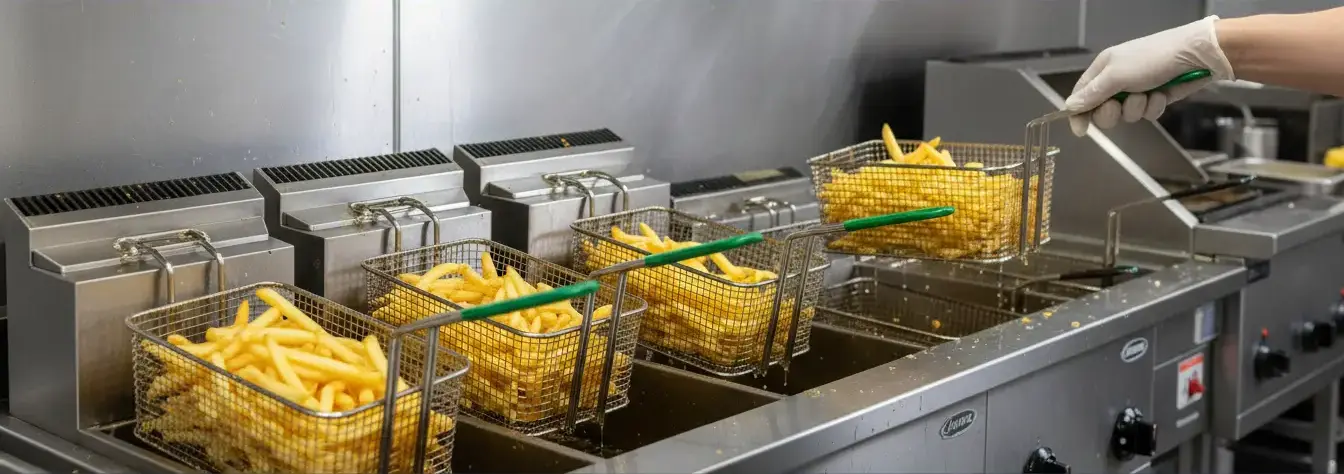
Find the Best Used Cooking Oil Collection Companies for Your Business
No obligation • Fast responses • Nationwide coverage

Why you can trust Restaurant Waste Disposal
Restaurant Waste Disposal is a leading U.S. resource for comparing restaurant composting, food-waste recycling, grease trap cleaning, and used cooking oil collection services. Our editorial team researches providers, checks credentials, and organizes unbiased information so operators can make informed decisions. Companies cannot pay to change ratings or placement.
Search providers near you
Top Used Cooking Oil Collection Companies in Smyrna, Georgia Ranked
For restaurants and food service establishments in Smyrna, managing used cooking oil (UCO) is more than just a routine cleanup task-it's a critical component of regulatory compliance and environmental responsibility. Local FOG (Fats, Oils, and Grease) management policies mandate proper disposal to prevent costly sewer blockages and fines. Partnering with a professional grease collection service transforms this potential liability into a streamlined, often cost-neutral operation, ensuring your kitchen runs smoothly while contributing to the production of renewable fuels like biodiesel and sustainable aviation fuel. This guide outlines everything you need to know about establishing a compliant and efficient oil recycling system in Smyrna.
AGA Hood Cleaning
South Fulton, GA
AGA Hood Cleaning provides comprehensive kitchen exhaust, grease trap, and used cooking oil collection services in South Fulton, GA. They serve commercial kitchens including restaurants, schools, hospitals, and government facilities, ensuring compliance with city codes and NFPA standards. Their services include grease filter exchange, kitchen equipment cleaning, kitchen exhaust cleaning, grease trap cleaning, and used cooking oil recycling. AGA Hood Cleaning offers thorough inspections and preventative maintenance to help extend equipment life and maintain kitchen safety. Their licensed and certified team is trained to handle all aspects of kitchen exhaust system cleaning and maintenance.
Premier Grease
Atlanta, GA
Premier Grease is a company based in Atlanta, GA, offering comprehensive grease management services including kitchen exhaust system cleaning, grease trap cleaning, used cooking oil collection, and a filter exchange program. Their services help maintain compliance with safety standards such as NFPA 96 and support environmental efforts by recycling cooking oil into biodiesel. Premier Grease also provides roof cleaning to prevent damage from grease buildup and vent cleaning to reduce fire risks. The company emphasizes local ownership, digital service documentation, and GPS tracking for accountability.
Grease Connections
5255 Fulton Industrial Blvd SW, Atlanta, GA 30336
Grease Connections is a used cooking oil collection company serving Atlanta, GA, as well as Florida and New Jersey. They collect used cooking oil from restaurants and industrial facilities, then filter and refine it for use in biodiesel and renewable aviation fuel production. The company operates with licensed drivers who ensure safe, spill-free pickups and provide detailed EPA-compliant manifests for each collection. Grease Connections supports sustainability by helping clients reduce emissions and avoid fines related to improper oil disposal. Their service includes options for real-time tracking with RFID-enabled containers and automated payments. The company emphasizes compliance with regional regulations and offers transparent documentation to assist with audits and inspections.
GreaseBandit
3873 Roswell Rd NE, Atlanta, GA 30342
GreaseBandit is a used cooking oil collection company based in Atlanta, GA. The company specializes in collecting used cooking oil from commercial kitchens and food service establishments in the Atlanta area. GreaseBandit focuses on environmentally responsible disposal and recycling of cooking oil to support sustainability efforts.
Georgia Grease
475 E Main St #330, Cartersville, GA 30121
Georgia Grease is a used cooking oil collection company based in South Fulton, GA. The company specializes in collecting and recycling used cooking oil from various commercial sources in the area. Georgia Grease focuses on environmentally responsible disposal and recycling of cooking oil to support sustainable practices.
Understanding Smyrna's FOG Management Policy
Smyrna's local ordinances are designed to protect the municipal sewer system from blockages caused by fats, oils, and grease. The Town Council has explicitly added food service establishments to its FOG management policy, making compliance not just a best practice but a legal requirement. Pouring used fryer oil down the drain is a direct violation that can lead to significant fines and severe plumbing issues for both your business and the community infrastructure.
The policy emphasizes containment at the source. This means all used vegetable oil, animal fats, and greasy waste must be intercepted before they enter the wastewater stream. Professional used cooking oil collection services are the primary solution for achieving this, as they provide the equipment and regular pickups necessary to keep grease out of the drains.
Best Practices for On-Site Oil Handling & Storage
Proper handling begins in your kitchen. Following these steps ensures safety, maintains oil quality for recycling, and keeps your establishment in compliance.
- Cool Before Handling: Always allow oil to cool to a safe temperature, ideally below 120°F, before filtering or transferring it. This minimizes burn risks and prevents damage to storage containers.
- Filter for Quality: Strain out food particulates after each use. Cleaner oil has a higher value for recyclers and can lead to better service terms or rebates. It also prevents clogs in your on-site storage tank.
- Use Designated Containers: Store cooled, filtered oil only in the secure, leak-proof containers or tanks provided by your licensed hauler. Never use makeshift containers that can spill or degrade.
- Choose an Accessible Location: Place your collection tank in a well-ventilated area that is easily accessible for service trucks, such as near a back door or loading dock. Ensure the path is clear for pickup days.
- Never Mix or Improvise: Do not mix used cooking oil with other liquids, chemicals, or solid waste. Most importantly, never dispose of it in dumpsters, trash compactors, or down any drain.
How Professional Grease Collection and Recycling Works
Establishing a service with a reputable provider is a straightforward process that automates your oil disposal.
- Service Setup: You partner with a licensed used cooking oil hauler (e.g., Mahoney Environmental, Liquid Recovery Solutions, Eazy Grease). They will assess your volume and provide a dedicated, properly labeled collection tank, often at no upfront cost1 2 3.
- Regular Storage: Your staff filters and pours cooled UCO into the provided tank between service visits.
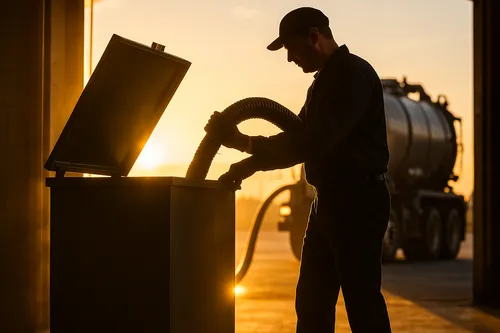
- Scheduled Pickup: On a pre-arranged schedule (weekly, bi-weekly, or monthly), the service provider sends a truck to your location. A technician will empty the contents of your tank directly into their truck, clean up any minor spills, and provide documentation of the collection.
- Transport & Recycling: The collected oil is transported to a processing facility. There, it is cleaned and refined to become a valuable feedstock for renewable diesel, sustainable aviation fuel (SAF), animal feed supplements, or other bio-based products4 5.
This closed-loop system ensures your waste product is responsibly diverted from landfills and sewers and given a new life as sustainable energy.
Cost Structure and Potential Value
The financial model for used cooking oil collection is unique. Unlike paying for trash removal, UCO can sometimes generate revenue or be a cost-neutral service.
- Free Pickup for Lower Volumes: Some providers offer free collection services for businesses that generate smaller amounts, typically under 100 gallons per month, as the value of the recycled commodity covers their operational costs.
- Fees and Rebates for Higher Volumes: For larger producers, pricing is variable. You may pay a small per-gallon collection fee. However, if your oil is well-maintained (clean and free of excess water), you may qualify for a rebate program where the hauler shares the commodity value with you. This can offset the fee or even turn your oil into a minor revenue stream6.
- Key Cost Factors: The final arrangement depends on your monthly volume, the consistency and quality of your oil, your location, and the specific service provider. It's always advisable to get detailed quotes from several licensed haulers in the Smyrna area.
Find the perfect used cooking oil collection companies for your needs
Get personalized recommendations and expert advice
Top Benefits of Professional Oil Recycling
Implementing a professional used cooking oil collection program delivers significant advantages beyond mere compliance.
- Regulatory Compliance & Risk Mitigation: This is the foremost benefit. A reliable service ensures you meet all Smyrna FOG ordinance requirements, shielding your business from potential fines and legal complications7 8.
- Environmental Stewardship: You directly contribute to a circular economy. Recycling UCO into renewable fuels reduces dependence on fossil fuels and prevents grease from contaminating local waterways and soil 9.
- Operational Safety & Cleanliness: Proper, dedicated storage tanks reduce the risk of slips, falls, and burns associated with handling hot oil in makeshift containers. It also keeps your kitchen and storage areas cleaner and more organized.
- Cost Management: By potentially eliminating disposal fees or generating rebates, you turn a waste product into an asset. You also avoid the massive cleanup costs associated with grease-related sewer backups on your property10.
- Convenience and Reliability: Scheduled pickups provide a predictable, hands-off solution for your staff. You don't have to manage ad-hoc disposal or worry about storage capacity.
Choosing a Service Provider in Smyrna
When selecting a used cooking oil collection partner, consider the following:
- Licensing & Insurance: Verify the hauler is fully licensed to operate in Tennessee and carries adequate insurance.
- Service Reliability: Look for companies with a strong reputation for on-time pickups and customer service.
- Container Provision & Maintenance: Ensure they provide robust, secure collection tanks and are responsible for any repairs or replacements.
- Transparent Contract Terms: Understand the fee or rebate structure, pickup frequency, and contract length. Be wary of long-term lock-in clauses.
- Environmental Commitment: Choose a provider that is transparent about where and how your oil is recycled, preferably into high-value end products like renewable fuel.
Frequently asked questions
Sources
Footnotes
-
Used Cooking Oil Pickup and Recycling Services in Nashville ... - https://www.mahoneyes.com/waste-oil-pickup-recycling-nashville-tn/ ↩
-
Cooking Oil Recycling in Tennessee - Eazy Grease - https://eazygrease.com/cooking-oil-recycling-tennessee/ ↩
-
Tennessee - Liquid Recovery Solutions - https://liquidrecover.com/tennessee/ ↩
-
Grease & Used Cooking Oil Disposal & Pickup | Smyrna, GA - https://liquidrecover.com/grease-used-cooking-oil-disposal-and-pickup-in-smyrna-ga/ ↩
-
Restaurant Oil Disposal: Explained - Eazy Grease - https://eazygrease.com/how-do-restaurants-get-rid-of-their-oil/ ↩
-
Restaurant Used Cooking Oil Recycling & Disposal Guide - https://greaseconnections.com/restaurant-used-cooking-oil-disposal-recycling-revenue-guide/ ↩
-
Smyrna adds restaurants to grease disposal policy - https://mainstreetmediatn.com/articles/community-murfreesboropost/smyrna-adds-restaurants-to-grease-disposal-policy/ ↩
-
Used Cooking Oil Disposal: Complete Guide to Grease Pickups - https://greaseconnections.com/used-cooking-oil-disposal-guide-grease-pickups/ ↩
-
How Should Businesses Dispose of Used Cooking Oil? | Allied Renewal - https://www.allied-renewal.com/insights/how-should-businesses-dispose-of-used-cooking-oil ↩
-
Cooking Oil Delivery, Pickup, and Recycling in Tennessee - https://www.mahoneyes.com/cooking-oil-delivery-recycling-tennessee/ ↩