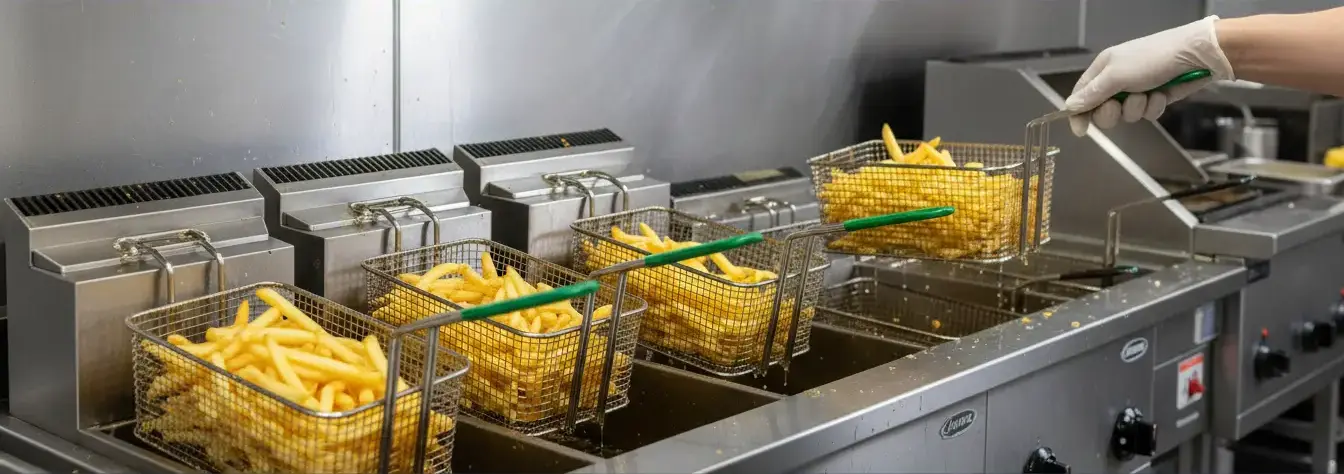
Find the Best Used Cooking Oil Collection Companies for Your Business
No obligation • Fast responses • Nationwide coverage

Why you can trust Restaurant Waste Disposal
Restaurant Waste Disposal is a leading U.S. resource for comparing restaurant composting, food-waste recycling, grease trap cleaning, and used cooking oil collection services. Our editorial team researches providers, checks credentials, and organizes unbiased information so operators can make informed decisions. Companies cannot pay to change ratings or placement.
Search providers near you
Top Used Cooking Oil Collection Companies in Sandy Springs, Georgia Ranked
For any restaurant, cafeteria, or food service establishment in Sandy Springs, managing used cooking oil and grease isn't just a messy chore-it's a critical component of operational compliance and environmental responsibility. Proper disposal of fats, oils, and grease (FOG) is mandated by local codes to prevent costly sewer blockages and surcharges. Fortunately, a structured system exists where specialized providers handle the entire process, from supplying secure containers to scheduling regular pickups, often at little to no direct cost while turning waste into valuable resources like biodiesel. This guide outlines everything Sandy Springs food service operators need to know about navigating grease trap and used oil collection services, ensuring compliance, saving money, and contributing to a sustainable local economy.
AGA Hood Cleaning
South Fulton, GA
AGA Hood Cleaning provides comprehensive kitchen exhaust, grease trap, and used cooking oil collection services in South Fulton, GA. They serve commercial kitchens including restaurants, schools, hospitals, and government facilities, ensuring compliance with city codes and NFPA standards. Their services include grease filter exchange, kitchen equipment cleaning, kitchen exhaust cleaning, grease trap cleaning, and used cooking oil recycling. AGA Hood Cleaning offers thorough inspections and preventative maintenance to help extend equipment life and maintain kitchen safety. Their licensed and certified team is trained to handle all aspects of kitchen exhaust system cleaning and maintenance.
Premier Grease
Atlanta, GA
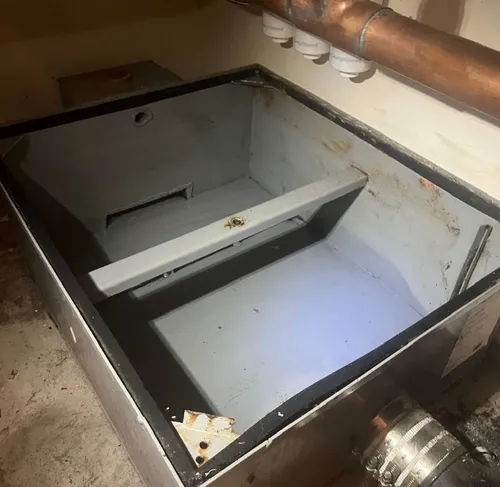
Premier Grease is a company based in Atlanta, GA, offering comprehensive grease management services including kitchen exhaust system cleaning, grease trap cleaning, used cooking oil collection, and a filter exchange program. Their services help maintain compliance with safety standards such as NFPA 96 and support environmental efforts by recycling cooking oil into biodiesel. Premier Grease also provides roof cleaning to prevent damage from grease buildup and vent cleaning to reduce fire risks. The company emphasizes local ownership, digital service documentation, and GPS tracking for accountability.
Grease Connections
5255 Fulton Industrial Blvd SW, Atlanta, GA 30336
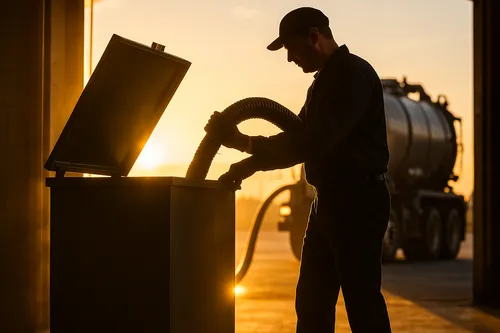
Grease Connections is a used cooking oil collection company serving Atlanta, GA, as well as Florida and New Jersey. They collect used cooking oil from restaurants and industrial facilities, then filter and refine it for use in biodiesel and renewable aviation fuel production. The company operates with licensed drivers who ensure safe, spill-free pickups and provide detailed EPA-compliant manifests for each collection. Grease Connections supports sustainability by helping clients reduce emissions and avoid fines related to improper oil disposal. Their service includes options for real-time tracking with RFID-enabled containers and automated payments. The company emphasizes compliance with regional regulations and offers transparent documentation to assist with audits and inspections.
GreaseBandit
3873 Roswell Rd NE, Atlanta, GA 30342
GreaseBandit is a used cooking oil collection company based in Atlanta, GA. The company specializes in collecting used cooking oil from commercial kitchens and food service establishments in the Atlanta area. GreaseBandit focuses on environmentally responsible disposal and recycling of cooking oil to support sustainability efforts.
Georgia Grease
475 E Main St #330, Cartersville, GA 30121
Georgia Grease is a used cooking oil collection company based in South Fulton, GA. The company specializes in collecting and recycling used cooking oil from various commercial sources in the area. Georgia Grease focuses on environmentally responsible disposal and recycling of cooking oil to support sustainable practices.
Understanding Local FOG Regulations
Operating a food service business in Sandy Springs and Fulton County comes with specific legal obligations for FOG management. Non-compliance isn't merely a best practice issue; it can lead to significant fines and operational disruptions.
- Mandatory Compliance: All establishments generating grease must implement a management plan to prevent discharges into the sanitary sewer system. This is a cornerstone of Fulton County's sewer use ordinance.
- Grease Management Permit: Many jurisdictions, including Fulton County, require food service establishments to obtain a Grease Management Permit. Fees for this permit can vary based on the number of grease traps/interceptors your facility operates 1.
- Required Documentation: Maintaining detailed records is crucial. You are typically required to keep manifests or service logs from your licensed hauler for a minimum of three years as proof of compliant disposal.
The Collection Process: From Your Fryer to Recycling
Engaging a professional used cooking oil (UCO) collection service streamlines a complex logistical task into a simple routine. Here's how the typical process works from start to finish:
- Initial Assessment & Setup: A reputable service provider will begin with an evaluation of your kitchen's volume and needs. They then supply the necessary equipment-usually heavy-duty, lockable containers or tanks ranging from 55 to 240 gallons-at no upfront cost 2. A collection schedule (weekly, bi-weekly, monthly) is established based on your usage.
- On-Site Storage & Handling: Your kitchen staff pours cooled used oil from fryers and grease from traps into the provided containers. These containers are designed with tight-sealing lids to prevent spills, odors, pests, and contamination. Secure locking mechanisms also help prevent theft, as used oil has market value.
- Scheduled Pickup: On the agreed-upon day, a licensed hauler arrives to service your location. They pump out or swap full containers, leaving clean, empty ones in their place. Many providers offer combined services, handling both grease trap cleaning and used oil collection in one visit for efficiency.
- Transportation & Recycling: The collected oil is transported to a processing facility. Here, it is filtered and purified to become a feedstock for renewable products. The primary end product is biodiesel, a cleaner-burning alternative to petroleum diesel 3. This process ensures the oil is diverted from landfills and wastewater systems, completing a true recycling loop.
Key Benefits Beyond Compliance
While adhering to the law is the primary driver, partnering with a professional UCO collection service offers tangible financial and operational advantages.
- Cost Avoidance and Potential Revenue: Proper management helps you avoid severe penalties for sewer violations and expensive emergency plumbing repairs caused by grease blockages. Some restaurants report saving thousands annually on avoided plumbing costs 4. Furthermore, high-quality, well-maintained used cooking oil has value. Many services offer rebate programs, paying restaurants a fluctuating market rate (often cited in a range of $0.10 to $0.50 per gallon) for their oil 5 6. This rebate can offset or even cover the cost of the collection service itself.
- Operational Safety and Cleanliness: Professional containers and regular pickups minimize the risk of slippery, hazardous spills in your storage area. It also reduces odors and deters pests like rodents and insects, contributing to a safer and more sanitary work environment.
- Enhanced Sustainability Profile: Participating in a certified recycling program allows your business to promote its green initiatives. You can market your commitment to customers by highlighting that your kitchen's waste is being converted into renewable energy, which resonates with environmentally conscious patrons 7.
Find the perfect used cooking oil collection companies for your needs
Get personalized recommendations and expert advice
Choosing a Service Provider in Sandy Springs
Several licensed and reputable providers operate in the Sandy Springs and greater Atlanta area. When selecting a partner, consider the following:
- Licensing and Insurance: Always verify that the hauler is fully licensed and insured to operate in Fulton County. This protects your business from liability 8.
- Service Transparency: Choose a provider that is clear about schedules, container provision, and the rebate structure for your used oil. They should provide detailed service manifests for your records 9.
- Range of Services: Some companies, like Liquid Recovery Solutions, Grease Connections, and Eazy Grease, offer comprehensive FOG management, including grease trap cleaning, used oil collection, and even used oil fryer filter services, which can simplify vendor management.
- Reliability and Reputation: Look for established providers with a track record of dependable, on-time service. Read reviews or ask for local references from similar types of food service establishments.
Best Practices for On-Site Management
To maximize efficiency, safety, and the value of your used oil, adhere to these internal guidelines:
- Never Pour Grease Down the Drain: This is the cardinal rule. Even with a grease trap, pouring fats and oils down sinks is the leading cause of blockages 10.
- Use Designated Containers Only: Ensure all staff are trained to deposit used oil and grease only into the provider's containers. Avoid cross-contamination with other liquids or solid waste, as this can degrade the oil's quality and value.
- Secure Storage Location: Place collection containers on a level, paved surface, preferably in a secured area behind your establishment. This facilitates easy pickup and deters unauthorized access 11.
- Maintain Your Grease Trap: Even with oil collection, your grease interceptor must be pumped and cleaned regularly-typically at least every 90 days or when it is 25% full-by a licensed professional 12 13. Keep detailed records of this service as well.
Implementing a professional used cooking oil collection system is a smart business decision for Sandy Springs restaurants. It transforms a regulatory obligation into an operational advantage, promoting safety, sustainability, and potential cost recovery. By understanding the local requirements and choosing a reliable partner, you can ensure your kitchen runs smoothly while contributing positively to the community's environmental goals.
Frequently asked questions
Sources
Footnotes
-
Grease & Used Cooking Oil Pickup | Clayton County, GA - https://liquidrecover.com/grease-used-cooking-oil-disposal-and-pickup-services-in-clayton-county-ga/ ↩
-
Georgia's Premier Used Cooking Oil Recycling Service - https://eazygrease.com/used-cooking-oil-recycling-service-georgia/ ↩
-
Used Cooking Oil Pickup and Recycling Services in Atlanta, GA - https://www.mahoneyes.com/waste-oil-pickup-recycling-atlanta-ga/ ↩
-
Grease & Used Cooking Oil Disposal & Pickup | Buckhead, GA - https://liquidrecover.com/grease-used-cooking-oil-disposal-pickup-buckhead-ga/ ↩
-
Restaurant Grease Recycling Glossary & FAQ | Atlanta GA - https://greaseconnections.com/atlanta-grease-recycling-glossary-faq/ ↩
-
Georgia Cooking Oil Recycling and Pick Up at NO COST - https://marionri.com/cooking-oil-recycling-georgia/ ↩
-
Grease & Used Cooking Oil Disposal & Pickup | Dunwoody, GA - https://liquidrecover.com/grease-used-cooking-oil-disposal-and-pickup-in-dunwoody-ga/ ↩
-
Used Cooking Oil Recycling in North Carolina - https://liquidrecover.com/our-locations/north-carolina/ ↩
-
Restaurant Grease Pick Up & Disposal Services in Atlanta, GA - https://www.mahoneyes.com/fryer-oil-disposal-recycling-atlanta-ga/ ↩
-
Grease Collection Service: What is it - Grand Natural Inc - https://www.grandnaturalinc.com/blog/what-is-grease-collection-service.html ↩
-
Used Cooking Oil (UCO) Collection Service For Restaurants - https://thegreasecompany.com/blog/restaurant-used-cooking-oil-collection/ ↩
-
Used Cooking Oil Collection Sandy Springs | North Atlanta - https://greaseconnections.com/locations/georgia/fulton/sandy-springs/ ↩
-
Grease & Used Cooking Oil Disposal & Pickup | Sandy Springs - https://liquidrecover.com/grease-used-cooking-oil-disposal-and-pickup-in-sandy-springs-ga/ ↩