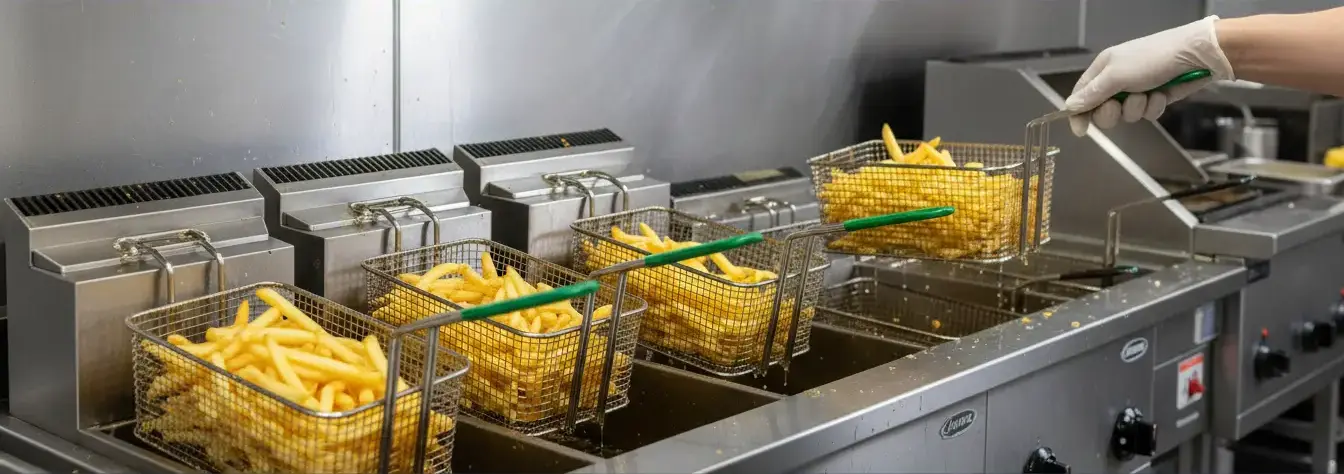
Find the Best Used Cooking Oil Collection Companies for Your Business
No obligation • Fast responses • Nationwide coverage

Why you can trust Restaurant Waste Disposal
Restaurant Waste Disposal is a leading U.S. resource for comparing restaurant composting, food-waste recycling, grease trap cleaning, and used cooking oil collection services. Our editorial team researches providers, checks credentials, and organizes unbiased information so operators can make informed decisions. Companies cannot pay to change ratings or placement.
Search providers near you
Top Used Cooking Oil Collection Companies in Dunwoody, Georgia Ranked
For any restaurant or food service establishment in Dunwoody, managing fats, oils, and grease (FOG) is a critical operational and environmental responsibility. Professional used cooking oil collection is not just about waste removal; it's a key component of compliance with local sewer ordinances, a step toward sustainability, and a way to potentially offset operational costs. By partnering with a reliable grease collection service, Dunwoody businesses can ensure their oil is handled safely, recycled into valuable products like biodiesel, and kept out of the municipal wastewater system, preventing costly blockages and fines.
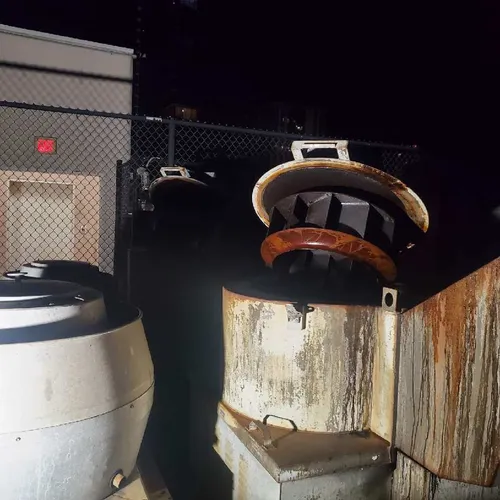
AGA Hood Cleaning
South Fulton, GA
AGA Hood Cleaning provides comprehensive kitchen exhaust, grease trap, and used cooking oil collection services in South Fulton, GA. They serve commercial kitchens including restaurants, schools, hospitals, and government facilities, ensuring compliance with city codes and NFPA standards. Their services include grease filter exchange, kitchen equipment cleaning, kitchen exhaust cleaning, grease trap cleaning, and used cooking oil recycling. AGA Hood Cleaning offers thorough inspections and preventative maintenance to help extend equipment life and maintain kitchen safety. Their licensed and certified team is trained to handle all aspects of kitchen exhaust system cleaning and maintenance.
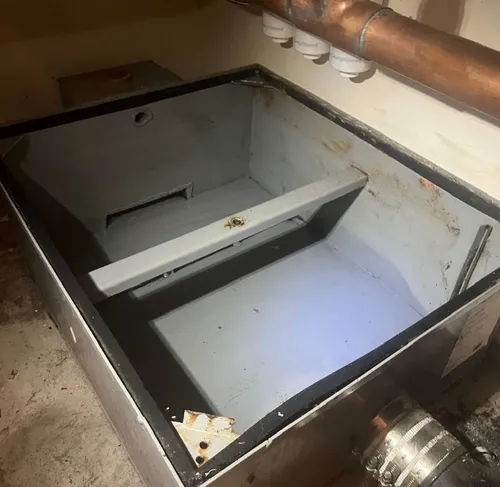
Premier Grease
Atlanta, GA
Premier Grease is a company based in Atlanta, GA, offering comprehensive grease management services including kitchen exhaust system cleaning, grease trap cleaning, used cooking oil collection, and a filter exchange program. Their services help maintain compliance with safety standards such as NFPA 96 and support environmental efforts by recycling cooking oil into biodiesel. Premier Grease also provides roof cleaning to prevent damage from grease buildup and vent cleaning to reduce fire risks. The company emphasizes local ownership, digital service documentation, and GPS tracking for accountability.
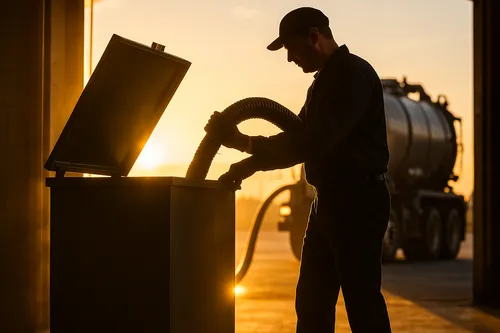
Grease Connections
5255 Fulton Industrial Blvd SW, Atlanta, GA 30336
Grease Connections is a used cooking oil collection company serving Atlanta, GA, as well as Florida and New Jersey. They collect used cooking oil from restaurants and industrial facilities, then filter and refine it for use in biodiesel and renewable aviation fuel production. The company operates with licensed drivers who ensure safe, spill-free pickups and provide detailed EPA-compliant manifests for each collection. Grease Connections supports sustainability by helping clients reduce emissions and avoid fines related to improper oil disposal. Their service includes options for real-time tracking with RFID-enabled containers and automated payments. The company emphasizes compliance with regional regulations and offers transparent documentation to assist with audits and inspections.
GreaseBandit
3873 Roswell Rd NE, Atlanta, GA 30342
GreaseBandit is a used cooking oil collection company based in Atlanta, GA. The company specializes in collecting used cooking oil from commercial kitchens and food service establishments in the Atlanta area. GreaseBandit focuses on environmentally responsible disposal and recycling of cooking oil to support sustainability efforts.
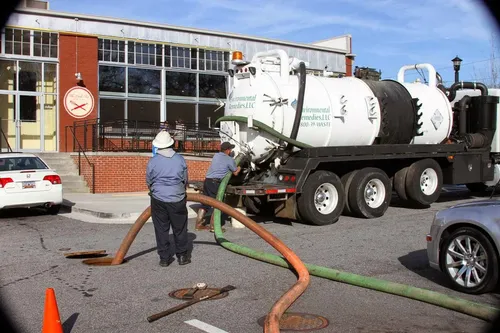
Southern Green Industries
4565 Frederick Dr SW, Atlanta, GA 30336
Southern Green Industries is an Atlanta-based company providing grease trap cleaning and used cooking oil recycling services throughout Atlanta, GA, and the state of Georgia. They serve a wide range of clients including restaurants, franchises, sports facilities, universities, and industrial clients. The company operates its own environmentally responsible oil recycling facility and wastewater processing plant, allowing them to manage the entire grease trap and fryer oil recycling process in-house. Established in 2007, Southern Green Industries offers flexible service options including no-contract guarantees and automatic recurring service, and they handle all regulatory paperwork on behalf of their clients.
Understanding Local FOG Regulations
Dunwoody operates under DeKalb County's Fats, Oils, and Grease (FOG) regulations, which are designed to protect the public sewer infrastructure from blockages that can lead to sanitary sewer overflows. These rules mandate that food service establishments implement proper grease management practices. Non-compliance can result in significant penalties, making understanding and adhering to these guidelines essential for every restaurant manager or owner.
Key requirements include using approved, leak-proof storage containers such as steel drums or dedicated outdoor tanks. These containers must be clearly labeled as "USED COOKING OIL-FOOD GRADE"1 2. Furthermore, storage areas require secondary containment-a basin or structure that can hold 110% of the container's volume-to catch any potential leaks or spills, and they must be situated at least five feet away from any storm drain3 4. Perhaps most importantly for scheduling, collections must occur at least every 30 days or when the container is 25% full, whichever comes first5 1.
The Professional Collection and Recycling Process
Engaging a professional service streamlines the entire waste oil management process. It typically begins with an assessment where the provider will determine your establishment's volume output and recommend appropriate equipment, such as a 40 to 300-gallon storage tank.
Storage: After cooking oil has cooled to a safe temperature (generally below 120°F), staff transfers it into the provided container. Reputable services supply sturdy, purpose-built tanks designed for both indoor and outdoor use.
Scheduled Pickup: Your provider will establish a regular collection schedule-weekly, bi-weekly, or monthly-based on your volume to ensure you never exceed storage capacity and remain in compliance. On pickup day, a trained technician will safely pump out the used oil, perform a basic cleaning of the collection area, and often provide documentation of the haul.
Recycling & Repurposing: The collected oil is not dumped. It is transported to a processing facility where it begins a new life. The primary end product is biodiesel, a renewable fuel. Used cooking oil can also be refined into ingredients for animal feed, soaps, cosmetics, and industrial lubricants, contributing to a circular economy.
Find the perfect used cooking oil collection companies for your needs
Get personalized recommendations and expert advice
Benefits Beyond Compliance
While adhering to DeKalb County's FOG ordinance is the primary driver for many, the advantages of professional used cooking oil pickup extend further.
- Environmental Stewardship: Diverting used oil from landfills and sewers is a significant green initiative. Recycling it into biodiesel reduces reliance on fossil fuels and lowers overall carbon emissions 6.
- Operational Safety and Cleanliness: Proper, sealed storage tanks minimize odors and prevent spills and pest attraction that can occur with improper disposal methods like pouring oil into trash bags or dumpsters.
- Protection of Plumbing: Consistent, professional removal of grease and oil greatly reduces the risk of costly clogs in your own drain lines and grease traps, saving on potential plumbing emergencies7.
- Potential for Cost Offset: While services for very low-volume producers may be free, establishments generating significant quantities of used oil may qualify for rebate or revenue-sharing programs. The value of the recycled commodity can sometimes offset service fees or even generate a small income stream.
Cost Structures and Service Providers in Dunwoody
Several established providers service the Dunwoody and greater Atlanta area, including companies like Liquid Recovery Solutions, Mahoney Environmental, and Eazy Grease 8. Cost models can vary:
- Low-Volume Generators: Some collectors offer free pickup services for restaurants producing smaller amounts (often under 100 gallons per month), as the value of the recycled oil covers their operational costs9.
- Fee-Based Services: For larger volumes, a per-gallon hauling fee may apply. Industry estimates suggest fees can range from $0.10 to $0.65 per gallon, depending on the volume, frequency, and specific service agreement10 11.
- Rebate Programs: High-volume generators should inquire about rebate programs where the service provider shares a portion of the revenue earned from selling the recycled oil back with the restaurant.
It's important to get a detailed quote that includes all equipment rental, pickup frequency, and any potential revenue terms.
Getting Started with a Collection Service
Initiating a professional used cooking oil collection program in Dunwoody is straightforward. Begin by contacting a few local specialists for consultations. A representative will typically visit your site to assess your kitchen's output, discuss local compliance needs, and recommend an appropriately sized storage container. They will then establish a pickup schedule that meets or exceeds the county's 30-day requirement and ensures your operation runs smoothly. The right provider will handle the logistics, documentation, and recycling, turning a regulatory obligation into a simple, sustainable part of your business routine.
Frequently asked questions
Sources
Footnotes
-
Atlanta Used Cooking Oil Regulations: A Practical Guide - https://greaseconnections.com/used-cooking-oil-regulations-atlanta/ ↩ ↩2
-
FOG Disposal: How to Get Rid of Fat, Oil, and Grease - https://www.aps-hoods.com/fog-disposal-how-to-get-rid-of-fat-oil-and-grease/ ↩
-
What to do about Fats, Oils, and Grease | DeKalb County GA - https://www.dekalbcountyga.gov/watershed-management/what-do-about-fats-oils-and-grease ↩
-
Used Cooking Oil Recycling DeKalb | Free Pickup & Rebates - https://greaseconnections.com/locations/georgia/dekalb/ ↩
-
Grease & Used Cooking Oil Disposal & Pickup | Dunwoody, GA - https://liquidrecover.com/grease-used-cooking-oil-disposal-and-pickup-in-dunwoody-ga/ ↩
-
Grease Collection Service: What is it - https://www.grandnaturalinc.com/blog/what-is-grease-collection-service.html ↩
-
Grease & Used Cooking Oil Disposal and Pickup | Atlanta, GA - https://liquidrecover.com/grease-used-cooking-oil-disposal-pickup-atlanta/ ↩
-
Used Cooking Oil Pickup and Recycling Services in Atlanta, GA - https://www.mahoneyes.com/waste-oil-pickup-recycling-atlanta-ga/ ↩
-
Georgia's Premier Used Cooking Oil Recycling Service - Eazy Grease - https://eazygrease.com/used-cooking-oil-recycling-service-georgia/ ↩
-
Grease & Used Cooking Oil Pickup | Clayton County, GA - https://liquidrecover.com/grease-used-cooking-oil-disposal-and-pickup-services-in-clayton-county-ga/ ↩
-
Restaurant Used Cooking Oil: Disposal, Recycling & Revenue Guide - https://greaseconnections.com/restaurant-used-cooking-oil-disposal-recycling-revenue-guide/ ↩