Find the Best Used Cooking Oil Collection Companies for Your Business
No obligation • Fast responses • Nationwide coverage

Why you can trust Restaurant Waste Disposal
Restaurant Waste Disposal is a leading U.S. resource for comparing restaurant composting, food-waste recycling, grease trap cleaning, and used cooking oil collection services. Our editorial team researches providers, checks credentials, and organizes unbiased information so operators can make informed decisions. Companies cannot pay to change ratings or placement.
Search providers near you
Top Used Cooking Oil Collection Companies in Brookhaven, Georgia Ranked
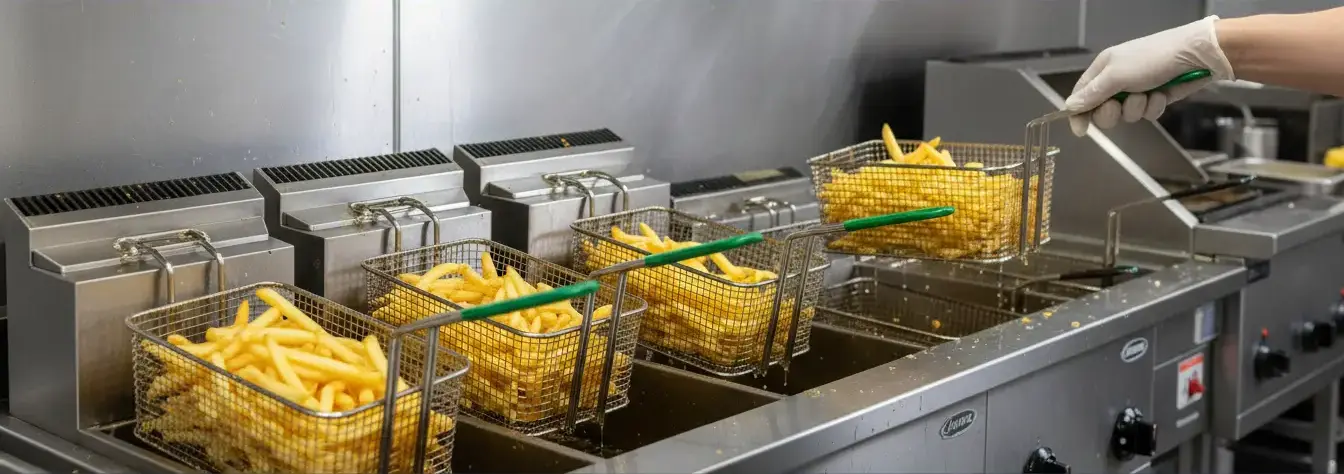
For restaurants in Brookhaven, managing used cooking oil (UCO) is a critical operational and environmental responsibility. Proper disposal isn't just about cleanliness; it's a legal requirement under local ordinances designed to protect the city's sewer infrastructure from harmful blockages. By partnering with a licensed collection service, your establishment can transform a waste product into valuable biofuel, ensure compliance, and potentially generate rebates, all while contributing to a more sustainable local community.
AGA Hood Cleaning
South Fulton, GA
AGA Hood Cleaning provides comprehensive kitchen exhaust, grease trap, and used cooking oil collection services in South Fulton, GA. They serve commercial kitchens including restaurants, schools, hospitals, and government facilities, ensuring compliance with city codes and NFPA standards. Their services include grease filter exchange, kitchen equipment cleaning, kitchen exhaust cleaning, grease trap cleaning, and used cooking oil recycling. AGA Hood Cleaning offers thorough inspections and preventative maintenance to help extend equipment life and maintain kitchen safety. Their licensed and certified team is trained to handle all aspects of kitchen exhaust system cleaning and maintenance.
Premier Grease
Atlanta, GA
Premier Grease is a company based in Atlanta, GA, offering comprehensive grease management services including kitchen exhaust system cleaning, grease trap cleaning, used cooking oil collection, and a filter exchange program. Their services help maintain compliance with safety standards such as NFPA 96 and support environmental efforts by recycling cooking oil into biodiesel. Premier Grease also provides roof cleaning to prevent damage from grease buildup and vent cleaning to reduce fire risks. The company emphasizes local ownership, digital service documentation, and GPS tracking for accountability.
Grease Connections
5255 Fulton Industrial Blvd SW, Atlanta, GA 30336
Grease Connections is a used cooking oil collection company serving Atlanta, GA, as well as Florida and New Jersey. They collect used cooking oil from restaurants and industrial facilities, then filter and refine it for use in biodiesel and renewable aviation fuel production. The company operates with licensed drivers who ensure safe, spill-free pickups and provide detailed EPA-compliant manifests for each collection. Grease Connections supports sustainability by helping clients reduce emissions and avoid fines related to improper oil disposal. Their service includes options for real-time tracking with RFID-enabled containers and automated payments. The company emphasizes compliance with regional regulations and offers transparent documentation to assist with audits and inspections.
GreaseBandit
3873 Roswell Rd NE, Atlanta, GA 30342
GreaseBandit is a used cooking oil collection company based in Atlanta, GA. The company specializes in collecting used cooking oil from commercial kitchens and food service establishments in the Atlanta area. GreaseBandit focuses on environmentally responsible disposal and recycling of cooking oil to support sustainability efforts.
Southern Green Industries
4565 Frederick Dr SW, Atlanta, GA 30336
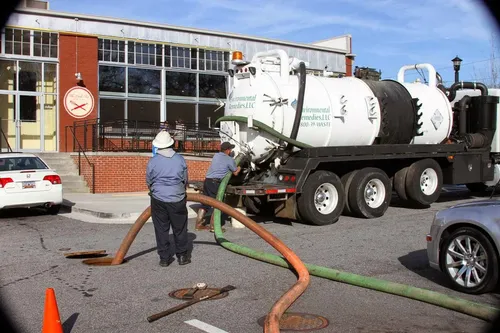
Southern Green Industries is an Atlanta-based company providing grease trap cleaning and used cooking oil recycling services throughout Atlanta, GA, and the state of Georgia. They serve a wide range of clients including restaurants, franchises, sports facilities, universities, and industrial clients. The company operates its own environmentally responsible oil recycling facility and wastewater processing plant, allowing them to manage the entire grease trap and fryer oil recycling process in-house. Established in 2007, Southern Green Industries offers flexible service options including no-contract guarantees and automatic recurring service, and they handle all regulatory paperwork on behalf of their clients.
Why Proper Fats, Oils, and Grease (FOG) Management is Essential
In the food service industry, FOG-comprising fats, oils, and grease-is an inevitable byproduct. When improperly handled, it poses significant risks. Pouring used fryer oil or greasy wastewater down sinks is a primary cause of sewer backups, which can lead to costly repairs for your business and municipal infrastructure, not to mention potential fines from the City of Brookhaven or DeKalb County 1 2. Effective FOG management starts with two key components: proper used cooking oil collection and the maintenance of grease traps or interceptors. These systems work in tandem to keep FOG out of the drains, safeguarding your plumbing and the public sewer system.
Understanding Local Brookhaven Ordinances
Brookhaven restaurants must adhere to specific regulations governing the storage and disposal of used cooking oil and grease. These rules typically mandate that UCO be stored in secure, closed, and clearly labeled containers or tanks to prevent spills, odors, and theft. Furthermore, disposal must be handled by licensed professionals who can provide documentation proving the oil was recycled appropriately. This documentation is crucial for passing health and environmental inspections. Non-compliance isn't just an operational hiccup; it can result in substantial penalties. Staying ahead of these requirements by implementing a professional collection program is the most reliable way to maintain compliance.
How Professional Used Cooking Oil Recycling Works
Engaging a professional service simplifies the entire process into a reliable, hands-off system for your kitchen staff.
- Container Placement: The collection company provides a dedicated, secure storage container-often a drum or larger tank-designed to be animal-proof and leak-resistant. This container is placed in a convenient, agreed-upon location at your restaurant.
- Daily Pouring: Your staff simply pours cooled, used cooking oil from fryers and other equipment into the provided container. It's vital to ensure no water or other liquids are mixed in, as this contaminates the oil and reduces its recycling value 3.
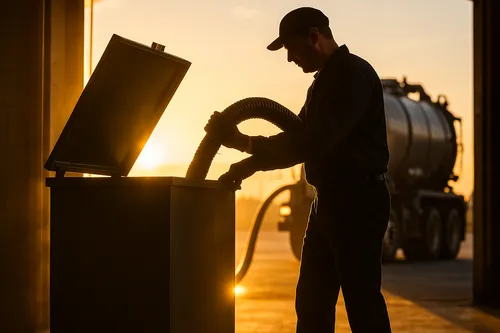
- Scheduled Pickup: On a pre-arranged schedule (commonly weekly, bi-weekly, or based on your volume), the collection service arrives to pump out or swap the full container for a clean, empty one. Companies like Mahoney Environmental and Grease Connections operate on reliable timetables to prevent overflow.
- Transport & Recycling: The collected oil is transported to a processing facility where it is cleaned and converted into renewable resources. This most commonly includes biodiesel, which powers vehicles, and sustainable aviation fuel.
- Documentation & Proof: You receive a receipt or certificate of recycling. This serves as your official record for compliance audits and demonstrates your commitment to environmental stewardship.
Financial and Operational Benefits for Your Restaurant
Implementing a professional UCO collection program offers tangible advantages beyond mere compliance.
- Free Pickup and Potential Revenue: Many services offer free collection for restaurants, particularly when consistent volumes of oil are generated. In some cases, depending on market prices and volume, services may even pay a rebate for your used oil, turning a waste cost into a minor revenue stream 4 5.
- Cost Avoidance: The most significant financial benefit is avoiding the steep costs associated with plumbing emergencies, sewer line repairs, and municipal fines resulting from FOG-related blockages 6. Professional management is a proactive investment in your facility's operational integrity.
- Enhanced Safety and Cleanliness: Secure, lidded containers prevent spills that can create slip hazards in your storage area. They also deter pests and eliminate odors, contributing to a safer and more sanitary work environment.
- Sustainability Leadership: By ensuring your used oil is recycled into biofuel, you directly reduce fossil fuel demand and greenhouse gas emissions. This is a powerful point for marketing your restaurant's commitment to sustainability to environmentally conscious customers in the Brookhaven community.
Find the perfect used cooking oil collection companies for your needs
Get personalized recommendations and expert advice
Choosing a Collection Service in Brookhaven
Selecting the right partner is key. Look for a provider that is fully licensed and insured, with a clear understanding of Brookhaven and DeKalb County regulations. Reliability is paramount; ensure they offer a pickup schedule that matches your kitchen's output to prevent container overfill. Transparency in service agreements, including any potential fees or rebate structures, is also essential. Finally, inquire about their recycling partners to confirm the oil is being converted into bona fide biofuels, completing the sustainability loop.
Spotlight on Local Service Providers
Several reputable companies serve the Brookhaven area, each with specific strengths:
- Grease Connections: A local specialist focusing on Georgia, they emphasize compliance, provide secure containers, and ensure the oil is converted into biofuel. They highlight free pickup and potential rebates for Brookhaven restaurants 7 8.
- Mahoney Environmental: A national provider with local service, they offer comprehensive solutions including equipment provision, regular pickups, and EPA-licensed recycling, ensuring full regulatory compliance 9.
- Clean Energy Biofuels: This provider offers collection bins and pickup services, and notably operates on a model where they may pay restaurants for their used cooking oil based on volume and quality.
Best Practices for On-Site FOG Management
A successful program relies on good daily habits within your restaurant.
- Never Pour FOG Down Drains: This is the cardinal rule. Educate all staff that used fryer oil, greasy pan drippings, and food scraps laden with fat must go into the proper containers, never into sinks, floor drains, or dish pits 10.
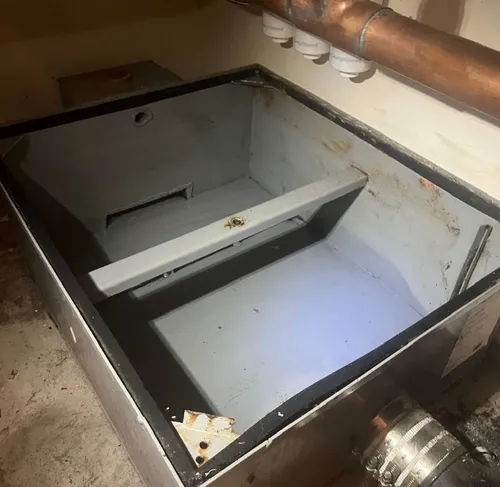
- Maintain Grease Interceptors: Your grease trap or interceptor is your first line of defense. It must be cleaned and pumped out regularly by a licensed service to function correctly. A clogged interceptor will send FOG into the sewer lines, defeating its purpose.
- Secure Your Storage Area: Place your UCO collection container on a stable, level surface. Keep the area clean and the container lid securely closed at all times to prevent accidents, contamination, and unauthorized access 11.
The Environmental Impact of UCO Recycling
When used cooking oil is collected and recycled, its environmental journey is transformative. Instead of clogging landfills or sewers, it is purified and processed. The resulting biodiesel burns cleaner than petroleum diesel, significantly reducing particulate matter and carbon emissions 12. This circular economy model means the oil from Brookhaven's kitchens can help power local delivery trucks, municipal vehicles, or even aircraft, creating a positive local impact from a former waste product.
Frequently asked questions
Sources
Footnotes
-
Food Establishments | Cobb County Georgia - https://www.cobbcounty.gov/water-education/non-residential-industry-specific/food-establishments ↩
-
What to do about Fats, Oils, and Grease | DeKalb County GA - https://www.dekalbcountyga.gov/watershed-management/what-do-about-fats-oils-and-grease ↩
-
Used Cooking Oil (UCO) Collection Service For Restaurants - https://thegreasecompany.com/blog/restaurant-used-cooking-oil-collection/ ↩
-
Clean Energy Biofuels: Used Cooking Oil Collection & Water ... - https://cleanenergybiofuels.com/ ↩
-
Restaurant Used Cooking Oil: Disposal, Recycling & Revenue Guide - https://greaseconnections.com/restaurant-used-cooking-oil-disposal-recycling-revenue-guide/ ↩
-
Grease & Used Cooking Oil Disposal & Pickup | Brookhaven, GA - https://liquidrecover.com/grease-used-cooking-oil-disposal-and-pickup-in-brookhaven-ga/ ↩
-
Used Cooking Oil Recycling Brookhaven | Free Pickup & Rebate - https://greaseconnections.com/locations/georgia/dekalb/brookhaven/ ↩
-
Used Cooking Oil Collection Georgia - Grease Connections - https://greaseconnections.com/locations/georgia/ ↩
-
Used Cooking Oil Pickup and Recycling Services in Atlanta, GA - https://www.mahoneyes.com/waste-oil-pickup-recycling-atlanta-ga/ ↩
-
How to Dispose of Cooking Oil in Georgia - https://liquidrecover.com/how-dispose-cooking-oil-georgia/ ↩
-
Restaurant Grease Pick Up & Disposal Services in Atlanta, GA - https://www.mahoneyes.com/fryer-oil-disposal-recycling-atlanta-ga/ ↩
-
Used Cooking Oil Collection & Rebates - Grease Connections - https://greaseconnections.com/services/ ↩