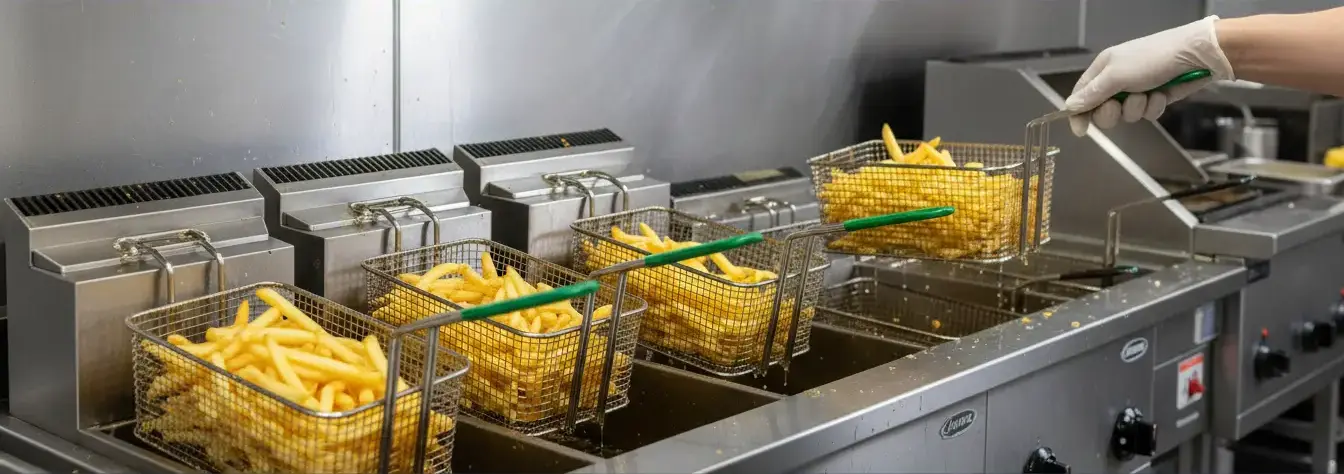
Find the Best Used Cooking Oil Collection Companies for Your Business
No obligation • Fast responses • Nationwide coverage

Why you can trust Restaurant Waste Disposal
Restaurant Waste Disposal is a leading U.S. resource for comparing restaurant composting, food-waste recycling, grease trap cleaning, and used cooking oil collection services. Our editorial team researches providers, checks credentials, and organizes unbiased information so operators can make informed decisions. Companies cannot pay to change ratings or placement.
Search providers near you
Top Used Cooking Oil Collection Companies in Alpharetta, Georgia Ranked
For Alpharetta restaurants, managing used cooking oil (UCO) is more than just a kitchen chore-it's a critical component of operational compliance, safety, and environmental responsibility. Proper grease and oil disposal is strictly regulated in Fulton County, requiring partnerships with licensed haulers who provide secure containers and regular pickups. This service transforms a potential waste liability into a valuable resource, as collected oil is refined locally into sustainable biofuels like biodiesel. Establishing a reliable collection program helps kitchens avoid costly fines, prevent plumbing disasters, and contribute to Georgia's growing green energy sector.
AGA Hood Cleaning
South Fulton, GA
AGA Hood Cleaning provides comprehensive kitchen exhaust, grease trap, and used cooking oil collection services in South Fulton, GA. They serve commercial kitchens including restaurants, schools, hospitals, and government facilities, ensuring compliance with city codes and NFPA standards. Their services include grease filter exchange, kitchen equipment cleaning, kitchen exhaust cleaning, grease trap cleaning, and used cooking oil recycling. AGA Hood Cleaning offers thorough inspections and preventative maintenance to help extend equipment life and maintain kitchen safety. Their licensed and certified team is trained to handle all aspects of kitchen exhaust system cleaning and maintenance.
Premier Grease
Atlanta, GA
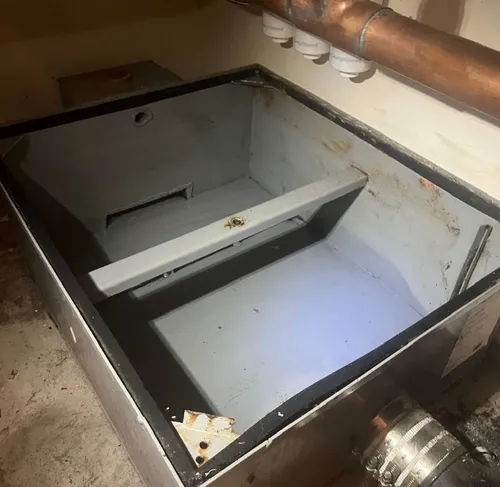
Premier Grease is a company based in Atlanta, GA, offering comprehensive grease management services including kitchen exhaust system cleaning, grease trap cleaning, used cooking oil collection, and a filter exchange program. Their services help maintain compliance with safety standards such as NFPA 96 and support environmental efforts by recycling cooking oil into biodiesel. Premier Grease also provides roof cleaning to prevent damage from grease buildup and vent cleaning to reduce fire risks. The company emphasizes local ownership, digital service documentation, and GPS tracking for accountability.
Grease Connections
5255 Fulton Industrial Blvd SW, Atlanta, GA 30336
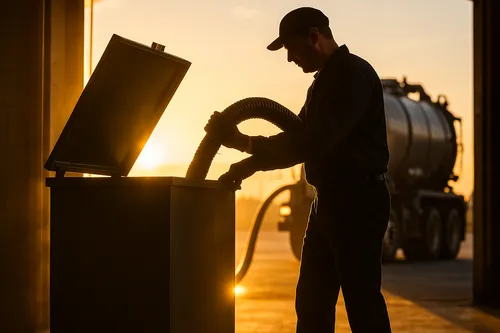
Grease Connections is a used cooking oil collection company serving Atlanta, GA, as well as Florida and New Jersey. They collect used cooking oil from restaurants and industrial facilities, then filter and refine it for use in biodiesel and renewable aviation fuel production. The company operates with licensed drivers who ensure safe, spill-free pickups and provide detailed EPA-compliant manifests for each collection. Grease Connections supports sustainability by helping clients reduce emissions and avoid fines related to improper oil disposal. Their service includes options for real-time tracking with RFID-enabled containers and automated payments. The company emphasizes compliance with regional regulations and offers transparent documentation to assist with audits and inspections.
GreaseBandit
3873 Roswell Rd NE, Atlanta, GA 30342
GreaseBandit is a used cooking oil collection company based in Atlanta, GA. The company specializes in collecting used cooking oil from commercial kitchens and food service establishments in the Atlanta area. GreaseBandit focuses on environmentally responsible disposal and recycling of cooking oil to support sustainability efforts.
Southern Green Industries
4565 Frederick Dr SW, Atlanta, GA 30336
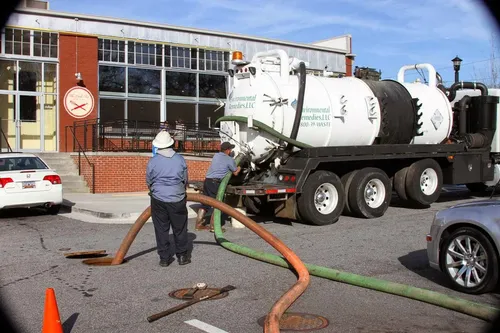
Southern Green Industries is an Atlanta-based company providing grease trap cleaning and used cooking oil recycling services throughout Atlanta, GA, and the state of Georgia. They serve a wide range of clients including restaurants, franchises, sports facilities, universities, and industrial clients. The company operates its own environmentally responsible oil recycling facility and wastewater processing plant, allowing them to manage the entire grease trap and fryer oil recycling process in-house. Established in 2007, Southern Green Industries offers flexible service options including no-contract guarantees and automatic recurring service, and they handle all regulatory paperwork on behalf of their clients.
Local Regulations for Oil and Grease Disposal
Navigating the legal requirements is the first step for any food service establishment in Alpharetta. Fulton County and the Georgia Environmental Protection Division (GA EPD) have clear rules classifying used cooking oil as a recyclable material, not waste 1. This means pouring oil or grease down drains or into regular trash is strictly prohibited. Such actions can lead to severe sewer blockages, environmental contamination, and significant penalties.
Compliance involves more than just proper disposal. Restaurants must maintain accurate records of all collections, including dates and volumes, to demonstrate adherence to regulations. Furthermore, many commercial leases in the Alpharetta area explicitly require tenants to use professional grease trap and used oil collection services. Partnering with a licensed hauler ensures your business meets all these obligations, from local codes to lease agreements, protecting you from legal and financial risks.
Setting Up Your Kitchen for Safe Storage
Effective used oil management begins with proper on-site storage. Licensed providers typically supply the necessary equipment, offering a range of leak-proof, clearly labeled containers sized from 40 to over 300 gallons to fit your kitchen's output and space constraints. These containers are designed for either indoor or outdoor use.
A key safety protocol is allowing oil to cool below 120°F before transferring it to storage bins. This prevents burns to staff and damage to the collection containers. For efficient service, containers should be placed in an accessible, well-ventilated area, often near a back door or loading dock, to facilitate easy and safe pickup by the hauler's team 2. Secure, locked containers also help prevent unauthorized access and theft, which can be a concern for this valuable commodity.
The Collection and Recycling Process
Professional used cooking oil collection is a streamlined, scheduled service. It starts with an assessment where a provider evaluates your kitchen's volume output to determine the right container size and pickup frequency. Once equipment is installed, you simply fill the provided bins with cooled UCO.
On a scheduled basis-whether weekly, bi-weekly, or monthly-a specialized hauler will collect the full containers and replace them with clean, empty ones. The collected oil is then transported to a local processing plant 3. In Georgia, this material is refined and converted into sustainable products, primarily biodiesel and renewable diesel 4. This closed-loop process means the oil from Alpharetta kitchens directly supports regional sustainability goals and the circular economy.
Find the perfect used cooking oil collection companies for your needs
Get personalized recommendations and expert advice
Understanding Service Models and Potential Value
The structure of used oil collection services can vary, often turning a cost center into a source of potential value. A common model for establishments generating significant volume (often cited as 40 gallons or more per pickup) is free collection service 5 6. In these arrangements, the hauler generates revenue by recycling the oil, so they provide pickup at no charge to the restaurant.
In some cases, particularly when demand for feedstock for biodiesel is high, providers may offer rebates or revenue-sharing programs based on the quantity and quality of oil collected 7 8. For smaller volumes or specific service needs, fees may apply. These can sometimes be structured on a per-gallon basis, with examples ranging from $0.10 to $0.65 per gallon, though pricing is highly variable and depends on market conditions, location, and contract terms 9 10. The overarching benefit is a clean, compliant, and hassle-free system that mitigates spill risks and operational downtime.
Choosing a Licensed Hauler in Alpharetta
Selecting the right service provider is crucial. You must ensure the company is fully licensed and permitted to handle used cooking oil and grease in Fulton County 11. Reputable providers, such as those servicing the area, will handle all logistics, from equipment delivery and installation to maintaining a reliable pickup schedule and providing necessary documentation for your records.
When evaluating providers, consider their service reliability, safety record, and final destination for the recycled oil. Supporting a hauler that processes oil within Georgia amplifies the local environmental and economic benefits of your recycling efforts 12. A professional partner turns the complex task of grease and oil management into a simple, routine part of your kitchen's operations.
Frequently asked questions
Sources
Footnotes
-
Used Cooking Oil Recycling | Premier Grease | Atlanta Georgia - https://www.premiergrease.com/used-cooking-oil-recycling.html ↩
-
Navigating the Legal Aspects of Restaurant Waste Management - https://roguegreasetraps.com/2025/06/15/navigating-the-legal-aspects-of-restaurant-waste-management/ ↩
-
Grease & Used Cooking Oil Disposal & Pickup | Roswell - https://liquidrecover.com/grease-used-cooking-oil-disposal-and-pickup-in-roswell-ga/ ↩
-
Grease & Used Cooking Oil Disposal & Pickup | Dunwoody, GA - https://liquidrecover.com/grease-used-cooking-oil-disposal-and-pickup-in-dunwoody-ga/ ↩
-
Grease & Cooking Oil Disposal Services in Alpharetta, GA - https://liquidrecover.com/grease-used-cooking-oil-pickup-disposal-services-in-alpharetta-ga/ ↩
-
Used Cooking Oil Recycling & Grease Pickup | Alpharetta GA - https://greaseconnections.com/locations/georgia/fulton/alpharetta/ ↩
-
Used Cooking Oil Pickup and Recycling Services in Atlanta, GA - https://www.mahoneyes.com/waste-oil-pickup-recycling-atlanta-ga/ ↩
-
Restaurant Used Cooking Oil: Disposal, Recycling & Revenue Guide - https://greaseconnections.com/restaurant-used-cooking-oil-disposal-recycling-revenue-guide/ ↩
-
Grease Collection Service: What is it - https://www.grandnaturalinc.com/blog/what-is-grease-collection-service.html ↩
-
Used Cooking Oil Recycling & Grease Disposal in DeKalb - https://liquidrecover.com/dekalb-county-ga-used-cooking-oil-recycling-and-grease-disposal-service/ ↩
-
Used Cooking Oil Disposal: Complete Guide to Grease Pickups - https://greaseconnections.com/used-cooking-oil-disposal-guide-grease-pickups/ ↩
-
Georgia's Premier Used Cooking Oil Recycling Service - https://eazygrease.com/used-cooking-oil-recycling-service-georgia/ ↩