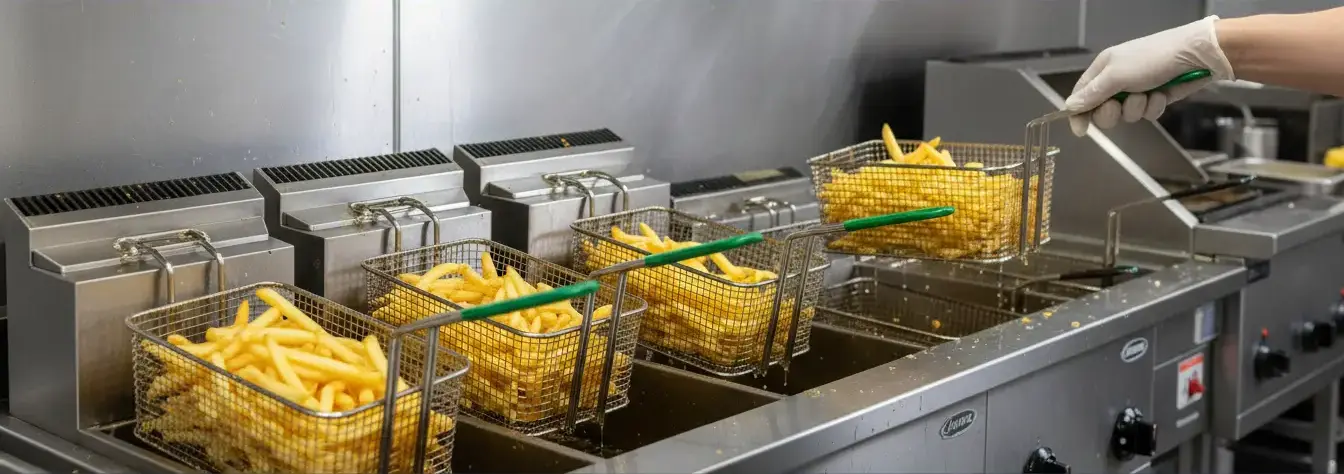
Find the Best Used Cooking Oil Collection Companies for Your Business
No obligation • Fast responses • Nationwide coverage

Why you can trust Restaurant Waste Disposal
Restaurant Waste Disposal is a leading U.S. resource for comparing restaurant composting, food-waste recycling, grease trap cleaning, and used cooking oil collection services. Our editorial team researches providers, checks credentials, and organizes unbiased information so operators can make informed decisions. Companies cannot pay to change ratings or placement.
Search providers near you
Top Used Cooking Oil Collection Companies in Stamford, Connecticut Ranked
For Stamford restaurants, managing used cooking oil is not just a kitchen task-it's a regulated part of operations with significant environmental and financial implications. Connecticut state law mandates that all businesses, including food service establishments, recycle their waste oil and grease. Properly handling this material prevents costly sewer blockages and environmental damage while transforming a waste product into a valuable resource for biodiesel production. By partnering with a licensed collection service, Stamford eateries can ensure compliance, streamline their kitchen operations, and potentially turn a disposal expense into a source of revenue.
Envirogreen Solutions
New York, NY
Envirogreen Solutions provides grease trap cleaning and used cooking oil collection services in New York, NY, including the five boroughs and Nassau County. They help commercial kitchens comply with local environmental regulations by responsibly removing and recycling cooking oil and grease trap waste. Envirogreen is fully licensed and insured, offering compliance paperwork and stickers upon service completion. Their capabilities include grease trap cleaning, cooking oil recycling, and emergency grease trap waste collection. The company is known for maintaining grease traps to keep them flowing properly and offers prompt emergency services when needed.
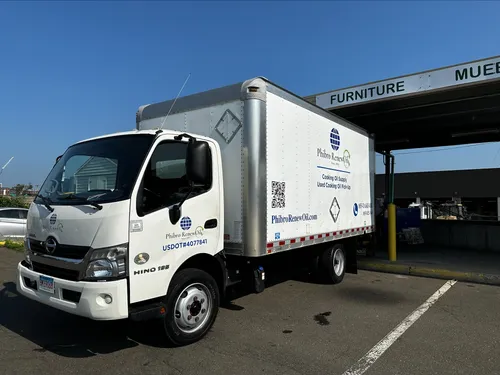
Phibro RenewOil
600 Summer St Suite 205, Stamford, CT 06901
Phibro RenewOil is a used cooking oil collection company serving New York, NY, and surrounding areas in Connecticut and New Jersey. They specialize in collecting, cleaning, and processing waste frying oil from restaurants, commercial kitchens, food trucks, hotels, malls, and municipalities, transforming it into renewable energy products like biodiesel. Their services include secure, anti-theft containers and scheduled pickups, with detailed reporting after each collection. Phibro RenewOil offers transparent quarterly payments and operates with a focus on environmental sustainability.
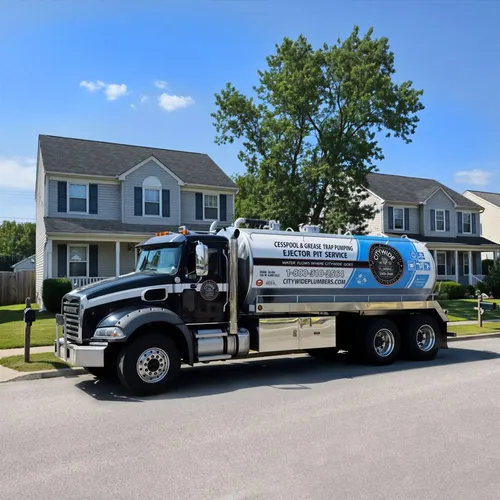
Citywide Grease Trap Maintenance | Cesspool Pumping Service Long Island
110 Voice Rd, Carle Place, NY 11514
Citywide Grease Trap Maintenance | Cesspool Pumping Service Long Island provides comprehensive sewer, drain, cesspool, and grease trap services in New York, NY. Serving both residential and commercial clients in Long Island and the New York Metropolitan area, they offer pumping, cleaning, repairs, and new installations for cesspools and septic systems. Their skilled technicians use state-of-the-art equipment to ensure efficient service. With over 65 years of experience, Citywide also provides 24/7 emergency service to address urgent plumbing needs promptly.
Creative Waste Solutions
New York, NY
Creative Waste Solutions is a waste management company based in New York, NY, offering comprehensive services for businesses. Their offerings include used cooking oil collection, grease trap cleaning, food waste composting, solid waste and recyclables removal, e-waste disposal, and debris removal. They provide a single point of contact for businesses with multiple locations and operate with a network of trusted companies to manage waste efficiently. With decades of experience in the waste industry, Creative Waste Solutions develops tailored waste plans and ensures proper recycling and timely service. They also offer 24/7 availability to support their clients' waste management needs.
Green Machine Enterprises LLC | Waste cooking oil collection
New York, NY
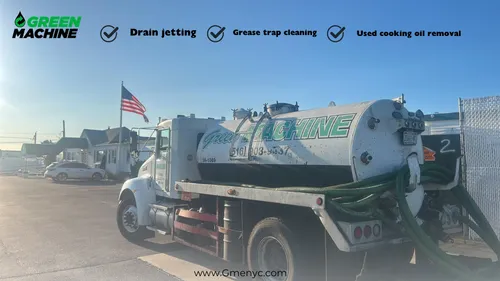
Green Machine Enterprises LLC is a company based in New York, NY, specializing in the collection of used cooking oil. They focus on environmentally responsible waste cooking oil collection services within the city.
Understanding FOG Regulations in Stamford
The City of Stamford's Water Pollution Control Authority (WPCA) enforces a Fats, Oils, and Grease (FOG) Abatement Program to protect the municipal sewer system. This program is critical because improperly disposed grease is a leading cause of sewer overflows and blockages, which can lead to expensive repairs and environmental contamination. Connecticut's Department of Energy and Environmental Protection (DEEP) further mandates that used oil, including vegetable-based cooking oils, must be recycled and cannot be disposed of as solid waste.
Compliance involves several key steps:
- Using Licensed Haulers: Oil must be collected by a state-licensed transporter.
- Secure Storage: Oil must be kept in sealed, labeled containers stored safely away from drains, storm sewers, and dumpster areas.
- Proper Documentation: Maintaining records of oil collection is often required to demonstrate compliance with state and local regulations.
Best Practices for Kitchen Oil Handling
Maximizing safety, compliance, and potential rebates starts with proper procedures in the kitchen. The goal is to deliver clean, high-quality oil to the collector.
Cooling and Initial Straining: Always allow oil to cool completely before handling. An initial straining through a metal sieve or cheesecloth to remove large food particles is the first defense in maintaining oil quality.
Filtration and Transfer: For establishments that filter oil for reuse, the final batch of spent oil should be filtered one more time before being poured into the designated storage container. This removes fine sediment that can degrade the oil's value for recycling 1.
Container Management: Use dedicated, non-reactive containers (like stainless steel drums or specialized plastic barrels) provided by or approved by your collection company. Ensure lids are tightly sealed after each use to prevent spills, odors, and contamination.
The Collection and Recycling Process
Once your oil is properly stored, a scheduled collection process begins. Licensed service providers manage this chain of custody from your back door to the recycling facility.
Scheduled Pickups: Your service provider will establish a regular pickup schedule-weekly, bi-weekly, or monthly-based on your volume. They use specialized trucks and equipment to safely pump or transfer the oil from your container.
Secure Transportation: The collected grease and oil are transported in closed, leak-proof tanker trucks to approved processing facilities. This secure transfer is a key component of the regulatory chain of custody.
Transformation into Biofuel: In Connecticut, much of the collected used cooking oil is processed at facilities like American Green Fuels in New Haven. Here, the oil is refined into biodiesel, a renewable, clean-burning fuel that can power vehicles, heat buildings, and reduce reliance on fossil fuels. This circular economy model is a core benefit of proper oil recycling.
Find the perfect used cooking oil collection companies for your needs
Get personalized recommendations and expert advice
Equipment and Service Options from Providers
Many used cooking oil collection companies offer equipment and service plans designed to make the process hassle-free for restaurants.
Container Provision: Most providers supply the outdoor storage container (often called a grease tote or barrel) at no upfront cost. These are typically lockable to prevent theft and vandalism 2.
Pump Systems: For high-volume producers, some companies can install integrated pump systems that allow kitchen staff to drain fryers directly into the outdoor storage container, minimizing manual handling and spill risk indoors.
Flexible Scheduling: Reputable providers work with you to create a pickup schedule that matches your production volume, preventing overflows and ensuring consistent service. They also handle emergency pickups if needed 3 4.
Financial Considerations: Cost vs. Revenue
The economics of used cooking oil collection in Stamford can vary widely. While there is a cost for disposal if you generate very little, many restaurants find the service is free or even profitable.
Low-Volume Generators: Restaurants producing less than 100 gallons per month often utilize free pickup services. The collector's revenue comes entirely from the processed biodiesel, so they offer the service to secure the feedstock.
Mid- to High-Volume Generators: This is where potential payments or rebates come into play. The exact rate depends on market conditions for biodiesel, the quality of your oil, and your monthly volume.
- Medium Volume (100-300 gal/month): May receive small payments, typically in the range of $0.10-$0.25 per gallon.
- High Volume (300+ gal/month): Can earn more significant rebates, potentially ranging from $0.25 to over $0.65 per gallon 5 6. For a busy establishment, this can offset other operational costs or become a modest revenue stream.
The Quality Premium: The cleaner your oil-free of water, food debris, and other contaminants-the more valuable it is to recyclers. Investing in good kitchen filtration practices directly impacts the rebate you may qualify for.
Avoiding Common Pitfalls and Ensuring Compliance
Mismanagement of cooking oil can lead to fines, plumbing disasters, and lost revenue.
Never Pour Down the Drain: This is the cardinal sin of kitchen oil management. It causes immediate plumbing issues and violates Stamford WPCA regulations, leading to potential fines 7.
Prevent Outdoor Spills and Theft: Store collection containers on a level, paved surface. Ensure lids are locked. Oil theft ("grease piracy") can occur; using a reputable provider with locked, company-owned containers mitigates this risk.
Maintain Records: Keep logs or files of your collection receipts. These documents are proof of compliance with state recycling laws and are essential if your facility is ever inspected 8 9.
Partner with a Reputable Service: Choose a licensed, insured, and locally experienced provider. They will understand Stamford's specific regulations and help you navigate the requirements efficiently.
The Environmental Impact of Proper Recycling
Choosing professional used cooking oil collection is a direct environmental action for Stamford businesses. When oil is recycled into biodiesel, it creates a fuel that burns cleaner than petroleum diesel, reducing greenhouse gas emissions and particulate matter 10. Furthermore, by ensuring oil doesn't enter the sewer system, restaurants help protect local waterways like the Long Island Sound from pollution related to sewer overflows 11. This sustainable loop turns a potential pollutant into a renewable energy source, contributing to Connecticut's broader environmental goals.
Frequently asked questions
Sources
Footnotes
-
Restaurant Oil Disposal: Explained - Eazy Grease - https://eazygrease.com/how-do-restaurants-get-rid-of-their-oil/ ↩
-
Used Cooking Oil Recycling Service in Connecticut - https://eazygrease.com/used-cooking-oil-recycling-service-connecticut/ ↩
-
Restaurant Grease & Cooking Oil Recycling Services - https://eazygrease.com/restaurant-grease-cooking-oil-recycling/ ↩
-
Beyond Restaurants - Serving Your Community's Events - https://www.phibrorenewoil.com/post/phibro-renewoil-beyond-restaurants-serving-your-community-events ↩
-
Used Cooking Oil Disposal: Complete Guide to Grease Pickups - https://greaseconnections.com/used-cooking-oil-disposal-guide-grease-pickups/ ↩
-
Restaurant Used Cooking Oil Recycling & Disposal Guide - https://greaseconnections.com/restaurant-used-cooking-oil-disposal-recycling-revenue-guide/ ↩
-
Fats, Oils & Grease Program for Businesses - The MDC - https://themdc.org/environment-health-safety/fats-oils-grease-program-for-businesses/ ↩
-
Recycling for the Hospitality Industry - CT.gov - https://portal.ct.gov/DEEP/Reduce-Reuse-Recycle/Recycling-for-the-Hospitality-Industry ↩
-
Management of Used Oil - https://portal.ct.gov/deep/waste-management-and-disposal/management-of-used-oil ↩
-
Used Cooking Oil From Connecticut Restaurants, Along With ... - https://www.ctema.com/used-cooking-oil-from-connecticut-restaurants-along-with-other-food-waste-is-being-turned-into-fuel-to-heat-your-home/ ↩
-
Fats, Oils and Grease (FOG) Abatement Program - Stamford, CT - https://www.stamfordct.gov/government/operations/water-pollution-control-authority/fats-oils-and-grease-fog-abatement-program ↩