
Find the Best Used Cooking Oil Collection Companies for Your Business
No obligation • Fast responses • Nationwide coverage

Why you can trust Restaurant Waste Disposal
Restaurant Waste Disposal is a leading U.S. resource for comparing restaurant composting, food-waste recycling, grease trap cleaning, and used cooking oil collection services. Our editorial team researches providers, checks credentials, and organizes unbiased information so operators can make informed decisions. Companies cannot pay to change ratings or placement.
Search providers near you
Best Used Cooking Oil Collection Companies in Connecticut Ranked
For restaurants and food service establishments in Connecticut, managing used cooking oil (UCO) is a critical operational and environmental responsibility. Proper collection and recycling are not just about cleanliness; they are governed by state regulations and offer a pathway to cost savings and sustainability. By partnering with a professional collection service, businesses can ensure compliance, enhance safety, and contribute to the circular economy by turning waste into valuable biofuel. This guide outlines the key regulations, best practices, and service options for effective used cooking oil management in the Nutmeg State.
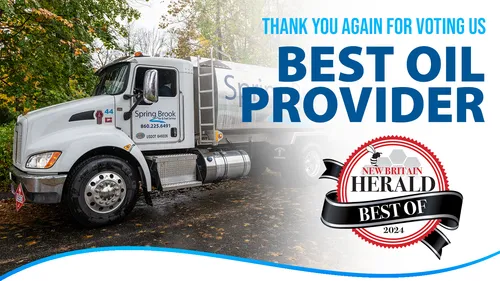
Spring Brook Ice & Fuel Service
19 Woodland St Ste 1, New Britain, CT 06051
Spring Brook Ice & Fuel Service has been serving Hartford, CT, and the surrounding areas for over 100 years. Originally known for harvesting ice from local ponds, the company now delivers packaged ice, fuel oil, and services heating and air conditioning equipment. They also provide Bioheat® fuel, a renewable blend made from ultra-low sulfur heating oil and biodiesel derived from organic materials like used cooking oils, supporting efforts to reduce carbon emissions. Established in 1918, Spring Brook continues to adapt its offerings to meet modern energy needs.
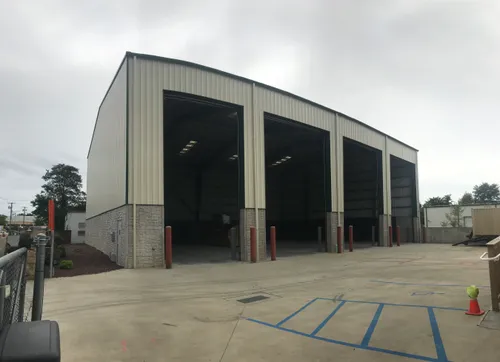
BPM RECYCLING, LLC (BPM)
155 Davenport St, Bridgeport, CT 06607
BPM RECYCLING, LLC (BPM) is a used cooking oil collection company based in Fairfield, CT. The company specializes in collecting used cooking oil for recycling purposes, serving businesses in the Fairfield area. BPM focuses on environmentally responsible disposal and recycling of cooking oil to support sustainability efforts.
Understanding Connecticut's Used Oil Regulations
Connecticut's approach to used oil management is structured to prevent environmental contamination and promote recycling. The primary regulatory framework is established by the Connecticut Department of Energy and Environmental Protection (CT DEEP) under Section 22a-449(c)-119. This regulation covers the proper storage, transportation, and recycling of used oil, which includes used cooking oil from commercial kitchens.
A crucial point for restaurant operators is that used cooking oil is typically not classified as a hazardous waste, provided it is not mixed with solvents, chemicals, or other hazardous materials. 1 However, it must still be managed carefully. The state explicitly prohibits the disposal of used cooking oil down drains, into sanitary sewers, or storm drains. 2 Such actions can lead to severe pipe blockages, increased maintenance costs for municipal systems, and significant environmental penalties. Compliance starts with understanding these rules and implementing a system that adheres to them.
Best Practices for On-Site Storage
Safe and compliant storage is the first step in a responsible used cooking oil program. Proper containers prevent leaks, spills, and pest issues while keeping the oil clean for recycling.
- Container Specifications: Use dedicated, non-reactive containers made of stainless steel or approved plastics. Containers must be structurally sound, in good condition, and equipped with tight-fitting, secure lids to prevent leaks and spills.
- Labeling and Security: All containers should be clearly labeled as "Used Cooking Oil." For safety and to prevent unauthorized tampering or dumping, storage containers should be kept in a secure area, such as a locked enclosure or a fenced compound. 3
- Location and Maintenance: Place storage containers on an impervious surface, like concrete, and away from floor drains or sensitive environmental areas. Regularly inspect containers for damage and ensure the area around them is clean to avoid slip hazards.
Following these guidelines not only meets regulatory expectations but also makes the collection process more efficient for service providers.
The Collection and Recycling Process
Professional collection transforms a waste product into a resource. In Connecticut, used cooking oil is a valuable feedstock for the production of biodiesel and other renewable products.
- Scheduled Pickups: Reputable service providers work with restaurants to establish a customized pickup schedule based on oil volume. This ensures containers never overflow and minimizes operational disruption during service hours.
- Transport by Permitted Haulers: State regulations require that used oil be transported only by haulers permitted by CT DEEP. 4 Professional collection services handle this compliance, using licensed vehicles and drivers trained in proper handling procedures.
- From Waste to Fuel: The collected oil is taken to licensed recycling facilities. There, it is processed, filtered, and converted into biodiesel-a cleaner-burning alternative to petroleum diesel-or other products like animal feed supplements. 5 This process diverts waste from landfills and contributes to local renewable energy goals.
Find the perfect used cooking oil collection companies for your needs
Get personalized recommendations and expert advice
Evaluating Collection Service Providers
Choosing the right partner is essential for a seamless and compliant oil management program. When evaluating providers in Connecticut, consider the following factors:
- Compliance Assurance: Verify that the provider is permitted by CT DEEP for used oil transportation. They should be knowledgeable about state-specific regulations (Section 22a-449(c)-119) and help you maintain compliance. 6
- Service Model and Equipment: Many providers offer a free service model. They install and maintain specialized storage tanks or containers at your location at no cost and collect the oil for free, as the oil itself has value as a recyclable commodity. 7 8 Some may even share revenue based on oil quality and market prices. Inquire about the type of equipment provided and the flexibility of pickup schedules.
- Regional Coverage and Reliability: Look for a provider with a strong service record in your specific area of Connecticut, whether you're in Hartford, Bridgeport, New Haven, or elsewhere. Reliable, on-time pickups are crucial to avoid storage issues.
- Environmental Commitment: Partner with a company that is transparent about where and how your oil is recycled. A commitment to local biodiesel production demonstrates a true circular economy partnership.
Potential Costs and Economic Benefits
A significant advantage of modern used cooking oil collection is the financial model. Unlike many waste streams that incur disposal fees, used cooking oil often involves no direct cost to the restaurant and can even generate minor revenue.
- Free Collection Services: Many providers, such as Restaurant Technologies, Eazy Grease, and Grand Natural, offer their collection services for free. They profit from the sale of the recycled oil to biofuel producers.
- Revenue Sharing: Depending on market conditions and the volume/quality of oil, some providers may offer a revenue-sharing program, providing periodic payments to the restaurant.
- Indirect Savings: Proper management prevents costly plumbing emergencies, sewer surcharges, and potential regulatory fines. It also reduces the labor and safety risks associated with handling hot oil and managing inadequate storage.
Example Service Providers in Connecticut
While many companies operate in the state, here are a few examples that illustrate the range of services available:
- Restaurant Technologies (Hartford): Offers a comprehensive "total oil management" system, including bulk delivery of fresh frying oil and automated removal of used oil, often with integrated tracking technology.
- Eazy Grease: Provides used cooking oil pickup services across Connecticut, focusing on converting the collected oil into biodiesel.
- Grand Natural (Bridgeport): Offers free storage containers and regular scheduled pickup services for restaurants. 9
It is recommended to obtain quotes and service details from multiple providers to find the best fit for your specific operation's size and needs.
Frequently asked questions
Sources
Footnotes
-
Used Oil - CT.gov - https://portal.ct.gov/-/media/DEEP/p2/business_industry/PitStops/PS2014UsedOilpdf/PS2023-UsedOil_11823.pdf ↩
-
Fats, Oils & Grease Program for Businesses - The MDC - https://themdc.org/environment-health-safety/fats-oils-grease-program-for-businesses/ ↩
-
Used Cooking Oil (UCO) Collection Service For Restaurants - https://thegreasecompany.com/blog/restaurant-used-cooking-oil-collection/ ↩
-
Used Oil Management in Connecticut - https://cslib.contentdm.oclc.org/digital/api/collection/p128501coll2/id/147930/download ↩
-
Used Cooking Oil From Connecticut Restaurants, Along With ... - https://www.ctema.com/used-cooking-oil-from-connecticut-restaurants-along-with-other-food-waste-is-being-turned-into-fuel-to-heat-your-home/ ↩
-
Management of Used Oil - https://portal.ct.gov/deep/waste-management-and-disposal/management-of-used-oil ↩
-
Used Cooking Oil Recycling Service in Connecticut - https://eazygrease.com/used-cooking-oil-recycling-service-connecticut/ ↩
-
Cooking Oil Recycling & Disposal Hartford - Restaurant Technologies - https://www.rti-inc.com/hartford/ ↩
-
Used Cooking Oil Pickup and Recycling Bridgeport - Grand Natural - https://www.grandnatural.com/locations/used-cooking-oil-recycling-in-bridgeport.html ↩