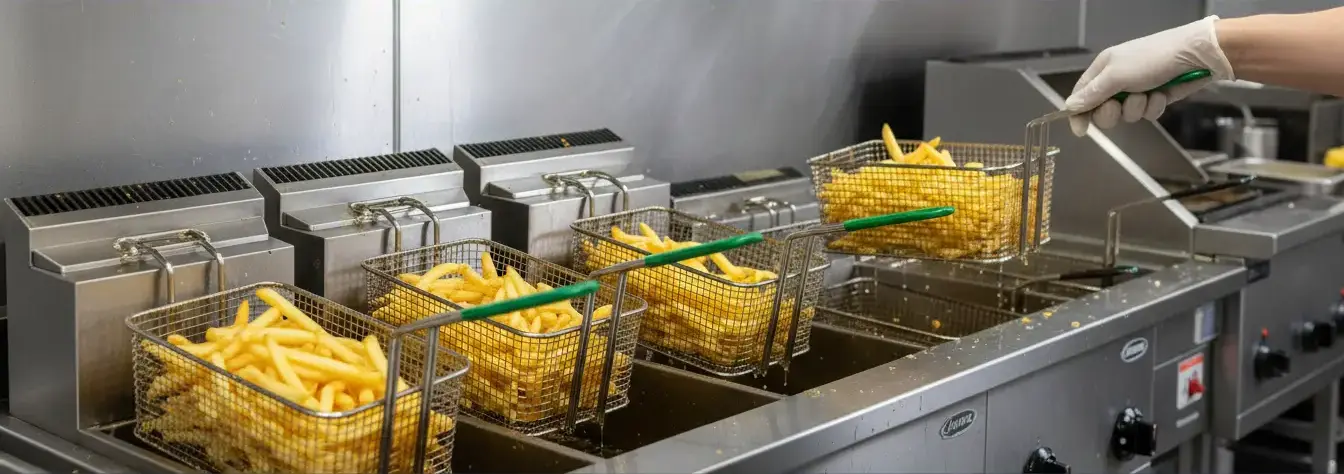
Find the Best Used Cooking Oil Collection Companies for Your Business
No obligation • Fast responses • Nationwide coverage

Why you can trust Restaurant Waste Disposal
Restaurant Waste Disposal is a leading U.S. resource for comparing restaurant composting, food-waste recycling, grease trap cleaning, and used cooking oil collection services. Our editorial team researches providers, checks credentials, and organizes unbiased information so operators can make informed decisions. Companies cannot pay to change ratings or placement.
Search providers near you
Top Used Cooking Oil Collection Companies in Milford, Connecticut Ranked
For restaurants and food service establishments in Milford, managing used cooking oil (UCO) is a critical operational task that intersects with environmental responsibility, regulatory compliance, and potential cost recovery. Proper disposal of this waste stream is not just about cleanliness; it's a regulated process that transforms a byproduct into a valuable resource-biofuel. In Connecticut, this activity is overseen by state and local authorities, requiring businesses to partner with licensed haulers for collection and recycling. This guide outlines the essential steps, rules, and best practices for effective UCO management in Milford, helping you navigate the process smoothly and sustainably.
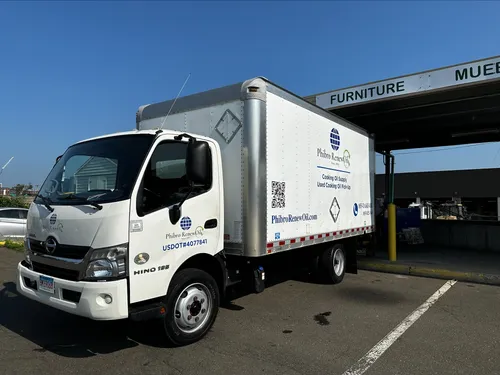
Phibro RenewOil
600 Summer St Suite 205, Stamford, CT 06901
Phibro RenewOil is a used cooking oil collection company serving New York, NY, and surrounding areas in Connecticut and New Jersey. They specialize in collecting, cleaning, and processing waste frying oil from restaurants, commercial kitchens, food trucks, hotels, malls, and municipalities, transforming it into renewable energy products like biodiesel. Their services include secure, anti-theft containers and scheduled pickups, with detailed reporting after each collection. Phibro RenewOil offers transparent quarterly payments and operates with a focus on environmental sustainability.
Creative Waste Solutions
New York, NY
Creative Waste Solutions is a waste management company based in New York, NY, offering comprehensive services for businesses. Their offerings include used cooking oil collection, grease trap cleaning, food waste composting, solid waste and recyclables removal, e-waste disposal, and debris removal. They provide a single point of contact for businesses with multiple locations and operate with a network of trusted companies to manage waste efficiently. With decades of experience in the waste industry, Creative Waste Solutions develops tailored waste plans and ensures proper recycling and timely service. They also offer 24/7 availability to support their clients' waste management needs.
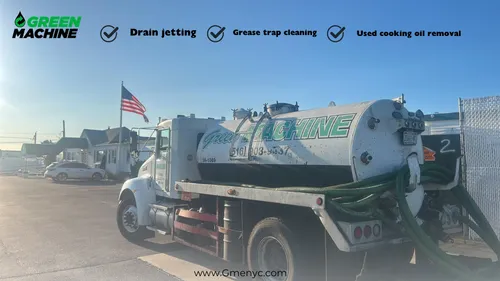
Green Machine Enterprises LLC | Waste cooking oil collection
New York, NY
Green Machine Enterprises LLC is a company based in New York, NY, specializing in the collection of used cooking oil. They focus on environmentally responsible waste cooking oil collection services within the city.
BPM RECYCLING, LLC (BPM)
155 Davenport St, Bridgeport, CT 06607
BPM RECYCLING, LLC (BPM) is a used cooking oil collection company based in Fairfield, CT. The company specializes in collecting used cooking oil for recycling purposes, serving businesses in the Fairfield area. BPM focuses on environmentally responsible disposal and recycling of cooking oil to support sustainability efforts.
Understanding Local and State Regulations
Navigating the regulatory landscape is the first step to compliant used cooking oil management. In Connecticut, the primary authority is the Department of Energy & Environmental Protection (DEEP), which regulates used oil-including UCO-under its hazardous waste rules. This means specific standards apply to how you store, transport, and ultimately recycle your oil 1.
Locally, the City of Milford has its own mandates. The municipal code may require that all collected waste, including used cooking oil, be delivered to the Milford Transfer Station located at 755 Oronoque Road or another designated facility if the station cannot accept it. It is crucial to confirm disposal requirements directly with the City's Department of Public Works to ensure full compliance. Furthermore, businesses are subject to Fats, Oils, and Grease (FOG) control programs. The Metropolitan District Commission (MDC), which handles water and sewer services for the region, enforces rules requiring quarterly inspections of grease traps and interceptors. Waste from these devices must be disposed of at approved sites, separate from your used fryer oil. Understanding these layered regulations helps prevent violations and supports community-wide environmental goals.
The Collection and Recycling Process
The journey of your used cooking oil from fryer to fuel is a streamlined process handled by professional services. It typically begins with secure storage at your facility. Licensed haulers often provide specialized, locked containers designed to prevent leaks, contamination, and theft 2. When your container is full, you schedule a pickup. The hauler will arrive with a specialized truck, pump the oil from your container, and leave you with an empty, clean unit ready for use again 3 4.
The collected oil is then transported to a processing facility. There, it undergoes filtering and purification to remove food particles and water. The end product is primarily biodiesel, a renewable, cleaner-burning fuel used for heating homes and powering vehicles. It's important to distinguish this process from grease trap waste collection. The thick, brown grease from sink and floor drains is a different waste stream with separate handling and disposal requirements, though both are regulated under FOG programs 5 6. By participating in a professional collection service, your restaurant directly contributes to Connecticut's green energy supply chain.
Best Practices for On-Site Storage
Proper on-site storage is the cornerstone of an effective UCO program. It ensures safety, maintains oil quality for recycling, and keeps your facility in compliance. Follow these key practices:
- Use Secure, Designated Containers: Always store oil in sturdy, leak-proof containers provided or approved by your hauler. These should be kept locked to prevent unauthorized access or tampering 7. Designate a specific, covered area for these containers, away from storm drains and customer pathways.
- Minimize Contamination: The value and recyclability of your oil depend on its purity. Use drain screens and paper towels to keep food solids and debris out of the oil. Avoid mixing different types of oils or allowing water to enter the storage container 8.
- Maintain Cleanliness: Regularly inspect your storage area for leaks or spills. Promptly clean any drips to prevent slip hazards and pest attraction. A clean storage zone reflects well on your overall kitchen management.
Implementing these steps not only simplifies the hauler's job but also maximizes the potential economic return from your waste oil.
Find the perfect used cooking oil collection companies for your needs
Get personalized recommendations and expert advice
Cost Structure: Rebates, Fees, and Free Services
The financial aspect of used cooking oil collection can vary significantly based on volume, quality, and your service agreement. It's not a one-size-fits-all model.
- Earning Rebates: High-quality, uncontaminated used cooking oil is a commodity. Many haulers offer rebate programs, where restaurants can earn money back per gallon collected. Rates can vary, often influenced by market prices for biodiesel feedstock 9 10.
- Incurring Fees: Conversely, if your oil volume is very low or heavily contaminated with food solids and water, a hauler may charge a service fee for collection and processing. This compensates for the extra handling required to render the oil usable.
- Free Pickup Services: A common model for restaurants with moderate, consistent output is free pickup. Haulers may provide this service at no direct charge, as their revenue comes from selling the processed oil to biodiesel producers. These agreements often include the loan of storage containers and regular scheduled service.
- Self-Haul Option: Some businesses choose to transport their own oil. If you go this route, you must bring it to an approved facility like the Milford Transfer Station, where weight-based disposal fees will likely apply 11. This option requires your own transportation and adherence to all transport regulations.
Discussing these models with potential service providers will help you find the most cost-effective solution for your specific operation.
Choosing a Service Provider in Milford
Selecting the right partner for your used cooking oil needs is an important decision. Look for a licensed and insured hauler with a strong reputation in Connecticut. They should be knowledgeable about both state DEEP regulations and local Milford requirements. Key questions to ask include their scheduling flexibility, the type of storage containers they provide, their process for handling spills or issues, and their transparency regarding rebate calculations or fee structures. A reliable provider acts as an extension of your team, ensuring compliance and turning a waste product into a positive outcome for your business and the environment.
Environmental Impact and Community Benefits
Participating in a formal used cooking oil recycling program extends benefits far beyond your kitchen. When UCO is recycled into biodiesel, it directly reduces reliance on fossil fuels and lowers greenhouse gas emissions 12. This sustainable practice also prevents oil from being improperly disposed of, which can clog sewers (leading to costly municipal repairs) or contaminate soil and waterways. By managing your UCO responsibly, your restaurant contributes to Milford's and Connecticut's broader sustainability and clean water goals, enhancing the community's quality of life.
Frequently asked questions
Sources
Footnotes
-
Management of Used Oil - https://portal.ct.gov/deep/waste-management-and-disposal/management-of-used-oil ↩
-
Used Cooking Oil Pickup vs Drop-Off - GreasePros Recycling - https://www.greaseprosrecycling.com/used-cooking-oil-pickup-vs-drop-off/ ↩
-
Used Cooking Oil Recycling Service in Connecticut - https://eazygrease.com/used-cooking-oil-recycling-service-connecticut/ ↩
-
Used Cooking Oil Pick Up & Recycling Service in New England - https://www.mahoneyes.com/waste-oil-pickup-recycling-new-england/ ↩
-
Fats, Oils & Grease Program for Businesses - The MDC - https://themdc.org/environment-health-safety/fats-oils-grease-program-for-businesses/ ↩
-
Used Cooking Oil Disposal & Recycling for Restaurants - https://www.rti-inc.com/cooking-oil-disposal/ ↩
-
Waste Oil Collection Agreement - https://jaoct.org/waste-oil-collection-agreement/ ↩
-
Storage and disposal of oil, fat and grease - Bar & Kitchen - https://barandkitchenmagazine.com/magazine/advice/oil-fat-grease-disposal/ ↩
-
Restaurant Used Cooking Oil Recycling & Disposal Guide - https://greaseconnections.com/restaurant-used-cooking-oil-disposal-recycling-revenue-guide/ ↩
-
Used Cooking Oil Disposal: Complete Guide to Grease Pickups - https://greaseconnections.com/used-cooking-oil-disposal-guide-grease-pickups/ ↩
-
City of Milford, CT COLLECTION - eCode360 - https://ecode360.com/14523441 ↩
-
Used Cooking Oil From Connecticut Restaurants, Along With Other ... - https://www.ctema.com/used-cooking-oil-from-connecticut-restaurants-along-with-other-food-waste-is-being-turned-into-fuel-to-heat-your-home/ ↩