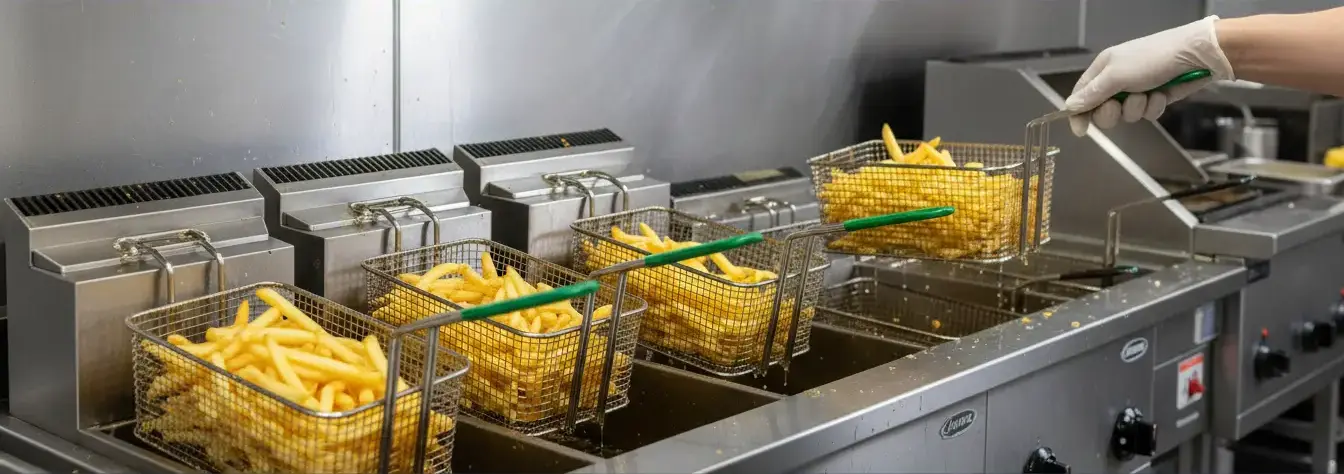
Find the Best Used Cooking Oil Collection Companies for Your Business
No obligation • Fast responses • Nationwide coverage

Why you can trust Restaurant Waste Disposal
Restaurant Waste Disposal is a leading U.S. resource for comparing restaurant composting, food-waste recycling, grease trap cleaning, and used cooking oil collection services. Our editorial team researches providers, checks credentials, and organizes unbiased information so operators can make informed decisions. Companies cannot pay to change ratings or placement.
Search providers near you
Top Used Cooking Oil Collection Companies in Bridgeport, Connecticut Ranked
For Bridgeport restaurants, managing used cooking oil (UCO) is more than just a kitchen task-it's a state-mandated recycling requirement with significant environmental and potential financial implications. Proper waste oil management involves partnering with a licensed hauler to ensure secure collection, correct storage, and compliant reporting. This process transforms a waste product into valuable resources like renewable biofuel, supporting Connecticut's sustainability goals while helping local businesses streamline their operations and potentially offset costs.
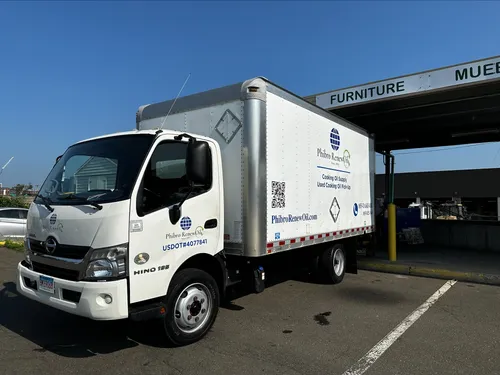
Phibro RenewOil
600 Summer St Suite 205, Stamford, CT 06901
Phibro RenewOil is a used cooking oil collection company serving New York, NY, and surrounding areas in Connecticut and New Jersey. They specialize in collecting, cleaning, and processing waste frying oil from restaurants, commercial kitchens, food trucks, hotels, malls, and municipalities, transforming it into renewable energy products like biodiesel. Their services include secure, anti-theft containers and scheduled pickups, with detailed reporting after each collection. Phibro RenewOil offers transparent quarterly payments and operates with a focus on environmental sustainability.
Creative Waste Solutions
New York, NY
Creative Waste Solutions is a waste management company based in New York, NY, offering comprehensive services for businesses. Their offerings include used cooking oil collection, grease trap cleaning, food waste composting, solid waste and recyclables removal, e-waste disposal, and debris removal. They provide a single point of contact for businesses with multiple locations and operate with a network of trusted companies to manage waste efficiently. With decades of experience in the waste industry, Creative Waste Solutions develops tailored waste plans and ensures proper recycling and timely service. They also offer 24/7 availability to support their clients' waste management needs.
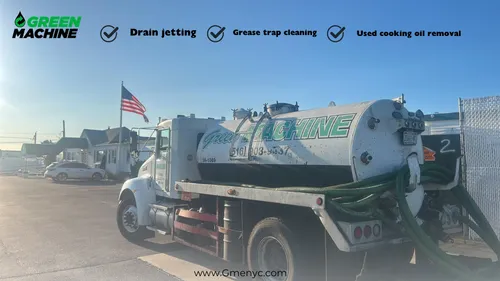
Green Machine Enterprises LLC | Waste cooking oil collection
New York, NY
Green Machine Enterprises LLC is a company based in New York, NY, specializing in the collection of used cooking oil. They focus on environmentally responsible waste cooking oil collection services within the city.
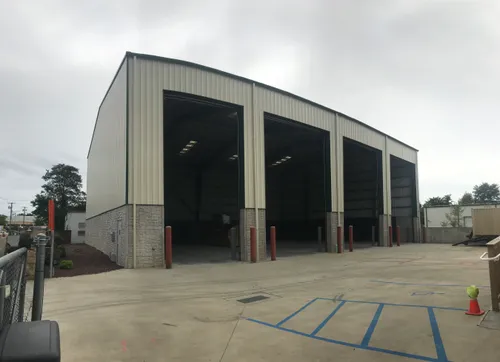
BPM RECYCLING, LLC (BPM)
155 Davenport St, Bridgeport, CT 06607
BPM RECYCLING, LLC (BPM) is a used cooking oil collection company based in Fairfield, CT. The company specializes in collecting used cooking oil for recycling purposes, serving businesses in the Fairfield area. BPM focuses on environmentally responsible disposal and recycling of cooking oil to support sustainability efforts.
Understanding Connecticut's Recycling Mandate
Connecticut state law requires all restaurants and retail food establishments to recycle specific materials, including used cooking oil. This commercial organics recycling law is designed to divert waste from landfills and incinerators. In Bridgeport, while the Department of Public Facilities oversees general municipal recycling programs, the specific regulations for UCO fall under the guidance of the Connecticut Department of Energy and Environmental Protection (DEEP). Compliance isn't optional; businesses must properly manage their waste oil and report their recycling data annually to the state. This framework ensures that grease and oils are processed responsibly, reducing environmental harm and contributing to a circular economy.
The Step-by-Step Collection Process
A systematic approach to grease recycling ensures efficiency, safety, and compliance.
- Separation and Storage: After use, oil should be allowed to cool and then be carefully poured or pumped into a dedicated, secure collection container. It's crucial to filter out large food particles to prevent contamination.
- Scheduled Pickup: Your contracted service provider will establish a regular pickup schedule based on your volume. Many professional services utilize automated systems for timely collections, which can sometimes occur within 24-48 hours of a request.
- Hauling and Processing: The collected oil is transported by the hauler to a rendering or processing facility. There, it is refined and converted into products like renewable diesel, biodiesel, or even components for animal feed.
- Documentation and Reporting: Reputable providers typically supply documentation for each pickup, which restaurants can use for their records and to fulfill state reporting requirements on recycling activities.
Best Practices for On-Site Storage & Handling
Proper on-site handling is the foundation of a successful and safe oil recycling program.
- Use Approved Containers: Always store used oil in the secure, leak-proof, and lidded bins provided by your collection service. These containers are designed to be odor-free and prevent spills or leaks.
- Maintain a Dedicated Area: Designate a specific, secure spot for your full containers, away from high foot traffic and customer areas. This area should be accessible for service trucks but secure enough to prevent unauthorized access or theft1.
- Prioritize Cleanliness: The value of your used oil is directly tied to its purity. Keep water, soap, and food debris out of the collection container. Clean oil is more valuable for recycling and may qualify for better financial terms 2.
- Ensure Security: Unfortunately, used cooking oil has value and can be a target for theft. Using locked containers or storing them in a secured area protects your asset and ensures it is collected by your authorized hauler3.
Find the perfect used cooking oil collection companies for your needs
Get personalized recommendations and expert advice
Potential Costs and Revenue Opportunities
The financial model for used cooking oil collection is typically volume-based and depends on the quality of the oil. Many service providers offer free pickup for establishments generating lower volumes, as their revenue comes from selling the processed oil to biofuel producers4. For restaurants with higher output, the dynamics can shift. High-quality, well-filtered oil is a more valuable commodity. In these cases, services may offer rebates or shared revenue programs, where the restaurant earns a portion of the sale. Rebates can range significantly, potentially turning a disposal cost into a minor revenue stream4. It's important to discuss the specific pricing, fee, or rebate structure directly with service providers, as contracts can vary.
Local Service Providers and Resources
Several companies specialize in grease trap and used cooking oil collection services in the Bridgeport region. Providers like Grand Natural Inc. and Eazy Grease offer comprehensive recycling programs that include providing containers, scheduled pickups, and responsible processing5 6. For guidance and regulatory information, the Connecticut DEEP website is the primary resource for state mandates 7. Additional support and educational materials can sometimes be found through regional entities like the Metropolitan District Commission (MDC) and the Center for EcoTechnology (CET).
Environmental Impact and Community Benefits
Recycling used cooking oil extends benefits far beyond the kitchen door. When processed into biodiesel or renewable diesel, this waste product directly displaces fossil fuels, reducing greenhouse gas emissions and air pollution8. Diverting oil from the waste stream also prevents it from clogging sewer lines, which is a major cause of costly municipal infrastructure problems and environmental contamination9. By participating in a certified recycling program, Bridgeport restaurants contribute to local and state sustainability targets, support the green energy sector, and demonstrate environmental responsibility to their community.
Navigating Compliance and Contracts
When selecting a used cooking oil collector, due diligence is key. Always verify that the hauler is properly licensed to operate in Connecticut. Review service agreements carefully; a standard waste oil collection agreement should clearly outline the pickup schedule, container provision, responsibilities for spills, and the financial terms (whether it's a fee-for-service or a rebate structure)10. Keep detailed records of all pickups, including dates and volumes, as this documentation is essential for demonstrating compliance with Connecticut's annual reporting rules11. Establishing a good relationship with a reliable provider simplifies compliance and ensures your waste is handled responsibly from start to finish.
Frequently asked questions
Sources
Footnotes
-
Sanitation and Recycling Guidelines | City of Bridgeport - https://www.bridgeportct.gov/news/sanitation-and-recycling-guidelines ↩
-
Used Cooking Oil Disposal: Complete Guide to Grease Pickups - https://greaseconnections.com/used-cooking-oil-disposal-guide-grease-pickups/ ↩
-
Used Cooking Oil Pickup and Recycling Services in Bridgeport - Grand Natural - https://www.grandnatural.com/locations/used-cooking-oil-recycling-in-bridgeport.html ↩
-
Restaurant Used Cooking Oil Recycling & Disposal Guide - https://greaseconnections.com/restaurant-used-cooking-oil-disposal-recycling-revenue-guide/ ↩ ↩2
-
Used Cooking Oil Recycling Service in Connecticut - https://eazygrease.com/used-cooking-oil-recycling-service-connecticut/ ↩
-
Used Cooking Oil Collection Bridgeport - https://www.grandnaturalinc.com/locations/used-cooking-oil-recycling-in-bridgeport.html ↩
-
Recycling for the Hospitality Industry - CT.gov - https://portal.ct.gov/DEEP/Reduce-Reuse-Recycle/Recycling-for-the-Hospitality-Industry ↩
-
Used Cooking Oil From Connecticut Restaurants, Along With Other ... - https://www.ctema.com/used-cooking-oil-from-connecticut-restaurants-along-with-other-food-waste-is-being-turned-into-fuel-to-heat-your-home/ ↩
-
Fats, Oils & Grease Program for Residents | The MDC - https://themdc.org/environment-health-safety/fats-oils-grease-program-for-residents/ ↩
-
Waste Oil Collection Agreement - https://jaoct.org/waste-oil-collection-agreement/ ↩
-
Commercial Organics Recycling Law - CT.gov - https://portal.ct.gov/deep/waste-management-and-disposal/organics-recycling/commercial-organics-recycling-law ↩