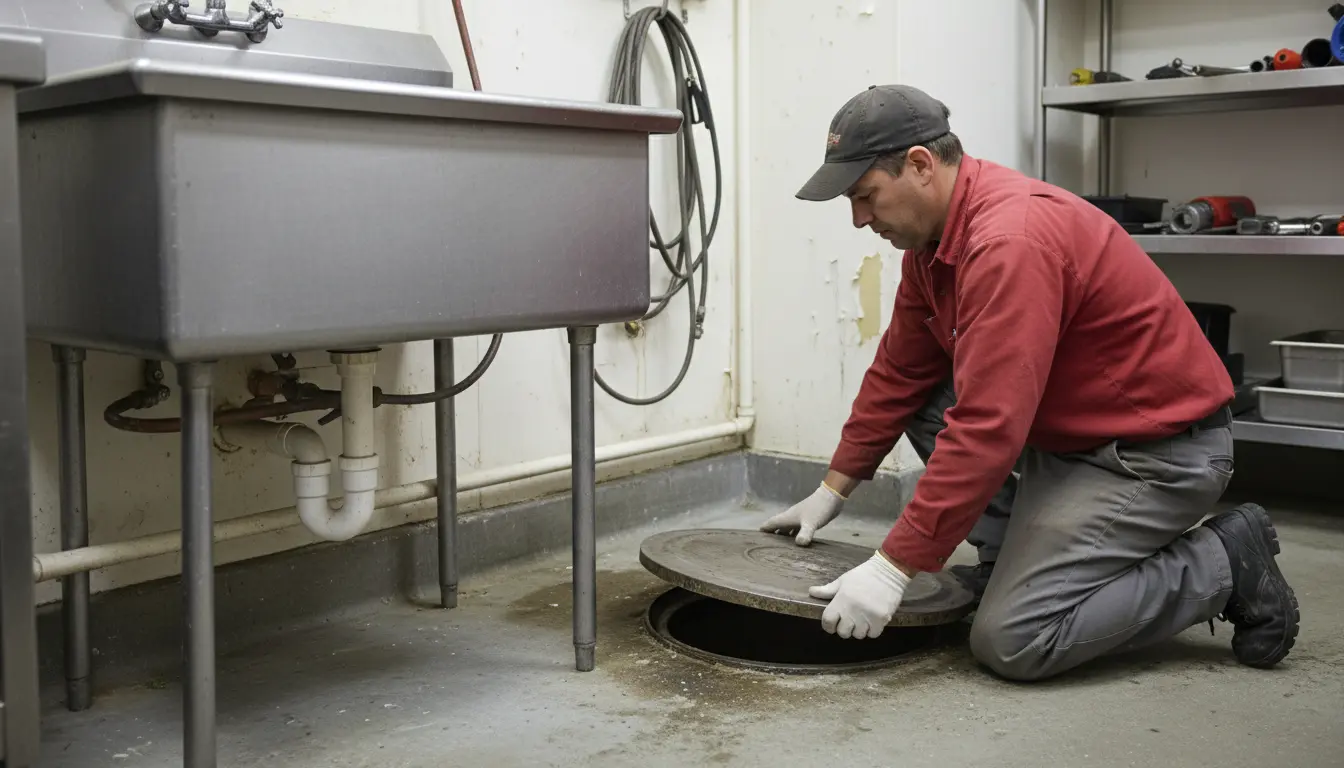
Find the Best Grease Trap Cleaning Companies for Your Business
No obligation • Fast responses • Nationwide coverage

Why you can trust Restaurant Waste Disposal
Restaurant Waste Disposal is a leading U.S. resource for comparing restaurant composting, food-waste recycling, grease trap cleaning, and used cooking oil collection services. Our editorial team researches providers, checks credentials, and organizes unbiased information so operators can make informed decisions. Companies cannot pay to change ratings or placement.
Search providers near you
Top Grease Trap Cleaning Companies in Farmington, New Mexico Ranked
For any restaurant, food truck, or commercial kitchen in Farmington, maintaining a clean and functional grease interceptor is a critical part of daily operations. It's not just about preventing clogs and foul odors in your own establishment; it's a key component of protecting the city's sewer infrastructure and complying with strict local and state health codes. Regular, professional grease trap pumping and maintenance is a non-negotiable aspect of responsible business ownership, helping you avoid significant fines and operational disruptions while ensuring your kitchen runs smoothly.
Proper grease interceptor functionality hinges on several key components working correctly. The system must have properly functioning inlets, outlets, and, most importantly, baffles that separate fats, oils, and grease (FOG) from wastewater1. When these components fail, grease escapes into the sewer lines, leading to costly blockages and environmental issues.
Understanding Farmington's Grease Trap Regulations
Compliance isn't optional for Farmington food service establishments. Local regulations, often aligned with state and water authority guidelines, mandate specific maintenance protocols to prevent sewer system damage. Enforcement is carried out by health department inspectors and local water authorities, who have the power to issue fines or even order a temporary closure for non-compliance.
The cornerstone of these regulations is a mandated pumping frequency. While requirements can vary based on your establishment's volume and trap size, a common standard is pumping at least every six months. However, for busier kitchens, a quarterly schedule (every three months) is frequently necessary to stay within the rules and prevent overfilling 2. A critical rule is to schedule service before the trap reaches 75% of its capacity3.
Beyond the pumping itself, meticulous record-keeping is essential. You are required to maintain a detailed logbook that documents every cleaning service. This log should include the date, the name of the service provider, the volume of waste removed, and the disposal method or location. Having this logbook readily available for health inspectors is your primary proof of compliance and can prevent violations during routine inspections.
The True Cost of Grease Interceptor Maintenance
Understanding the cost structure for grease trap services in Farmington helps in budgeting and highlights the value of preventative care. For a typical small to medium-sized trap (e.g., 1,000-1,500 gallons), a routine pumping service generally ranges from $200 to $4004 5. It's important to note that costs can vary widely, from a few hundred dollars into the thousands, depending on the size of your interceptor, its current condition, and the level of service provided6 7.
This investment in routine maintenance pales in comparison to the cost of neglect. Emergency cleanouts required due to a complete blockage or backup are significantly more expensive. Furthermore, the fines imposed by the city for non-compliance can far exceed the total annual cost of scheduled maintenance. Proactive servicing is ultimately the most cost-effective strategy, protecting both your plumbing and your bottom line.
A Proactive Maintenance Strategy for Your Kitchen
Moving beyond mere compliance to a proactive maintenance philosophy can extend the life of your equipment and improve overall kitchen efficiency. The first step is to establish a regular cleaning schedule-whether quarterly or semi-annually-based on your specific usage and in consultation with your service provider.
A comprehensive service should involve more than just pumping out the contents. A qualified technician should also inspect the critical components of the trap during each visit. This includes checking the condition of the baffles, gaskets, and inlet/outlet pipes for wear or damage that could compromise the system's effectiveness.
Finally, good kitchen habits are your first line of defense. Staff should be trained to scrape all food scraps into trash or compost bins before washing dishes, rather than relying on the grease trap to catch everything. Minimizing the amount of FOG and solids entering the drain reduces the frequency of required pumpings and keeps your system functioning optimally.
Find the perfect grease trap cleaning companies for your needs
Get personalized recommendations and expert advice
Finding a Reliable Service Provider in Farmington
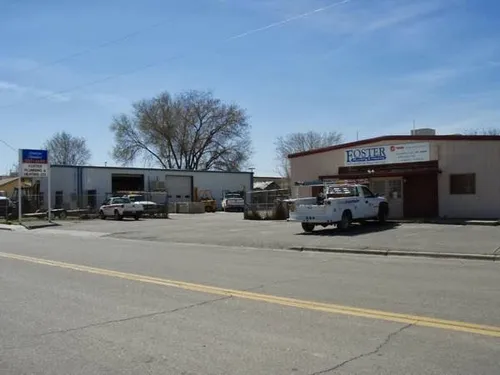
Farmington has several local businesses that specialize in grease trap pumping and septic services. Establishing a relationship with a reputable provider is key to consistent compliance. These companies understand the local codes and can help you navigate the requirements. When selecting a provider, look for one that offers detailed service reports for your logbook and is willing to conduct thorough inspections during each visit.
Consequences of Non-Compliance
Ignoring grease interceptor maintenance carries serious risks. From an operational standpoint, a clogged trap can cause slow drains, backups, and unpleasant odors in your kitchen, disrupting service and creating a negative customer experience. From a regulatory perspective, failure to maintain proper records or adhere to pumping schedules can result in substantial fines during health inspections8. In severe, repeated cases, a business may face temporary closure until the issues are resolved and brought up to code, representing a devastating loss of revenue.
The Environmental Impact of Proper FOG Management
Responsible grease trap maintenance extends its benefits beyond your restaurant's walls. When FOG is improperly disposed of down the drain, it cools and solidifies inside the city's sewer pipes. Over time, this creates massive blockages known as "fatbergs," which can lead to sewer overflows into streets, parks, and local waterways. By ensuring your grease interceptor is regularly cleaned and functioning, you are directly contributing to the health of Farmington's wastewater system and helping to protect the local environment from pollution.
Frequently asked questions
Sources
Footnotes
-
Grease Pumping Service in New Mexico - TLC Plumbing - https://www.tlcplumbing.com/services/plumbing/grease-pumping/ ↩
-
GREASE REMOVAL SYSTEM REQUIREMENTS FOR FOOD ... - https://www.abcwua.org/wp-content/uploads/Sewer_system/FSE.pdf ↩
-
How to Clean a Grease Trap (and How Often You Should) - https://greaseconnections.com/how-to-clean-a-grease-trap-and-how-often-you-should/ ↩
-
Grease Trap Cleaning Prices | Guide on the Industry Average - https://grease-cycle.com/grease-trap-pumping-cost/ ↩
-
Grease Trap Cleaning in Espanola, NM - Costs 12 / 2025 - Homeyou - https://www.homeyou.com/nm/grease-trap-cleaning-espanola-costs ↩
-
Complying with Grease Trap Codes: 5 Essential Tips - https://www.unitedsewerservice.com/complying-with-local-regulations-and-codes-for-grease-trap-maintenance/ ↩
-
Ultimate Grease Trap Pumping Cost Guide: Essential Money ... - https://www.texwaywastewater.com/grease-trap-pumping-cost/ ↩
-
Santa Fe County, NM GREASE INTERCEPTOR FACILITIES - https://ecode360.com/39280183 ↩