Find the Best Grease Trap Cleaning Companies for Your Business
No obligation • Fast responses • Nationwide coverage

Why you can trust Restaurant Waste Disposal
Restaurant Waste Disposal is a leading U.S. resource for comparing restaurant composting, food-waste recycling, grease trap cleaning, and used cooking oil collection services. Our editorial team researches providers, checks credentials, and organizes unbiased information so operators can make informed decisions. Companies cannot pay to change ratings or placement.
Search providers near you
Top Grease Trap Cleaning Companies in Southaven, Mississippi Ranked
For any food service establishment in Southaven, proper grease interceptor maintenance is not just a best practice-it's a legal requirement enforced to protect the city's sewer infrastructure. Local regulations mandate that all restaurants and commercial kitchens have and maintain effective grease traps or interceptors to prevent Fats, Oils, and Grease (FOG) from entering the public sewer system, where they can cause costly and disruptive blockages and overflows. Compliance hinges on a clear understanding of the "25% rule," maintaining meticulous records, and partnering with reliable professional services for regular pumping and cleaning. This guide outlines the essential regulations, practical maintenance steps, and cost considerations for managing your grease control system in Southaven, helping you avoid violations and keep your operations running smoothly.
ABC Plumbing & Septic Service
741 Lee Creek Rd, Byhalia, MS 38611
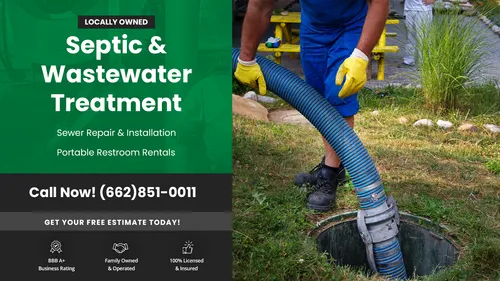
ABC Plumbing & Septic Service has been providing pumping and drain services since 1950. Based near Memphis, TN, they serve residential, commercial, and industrial customers with a wide range of services including grease trap cleaning, hydrojetting, video inspection, and septic tank maintenance. The company offers 24/7 emergency service and is known for its expertise in septic system installation and treatment plant servicing. With over 70 years in the industry, ABC Plumbing & Septic Service operates with a focus on integrity and craftsmanship.
Mid-South Septic and Plumbing
11284 Gulf Stream Rd, Arlington, TN 38002
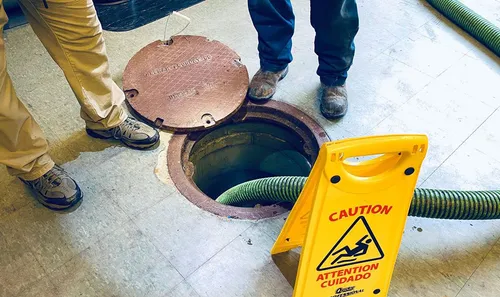
Mid-South Septic and Plumbing is a local provider of septic, grease trap, and drain services based in Memphis, TN. Serving residential, commercial, municipal, and industrial clients, they offer comprehensive septic system care including pumping, inspections, preventative maintenance, and repairs. The company is part of Wind River Environmental's Family of Brands, combining national resources with local expertise to serve the Mid-South area. Established in the early 1999s, Mid-South Septic and Plumbing operates 24/7 to support timely wastewater management and system maintenance.
Ace Grease Service
Transfer Station, 7240 Craft-Goodman Rd, Olive Branch, MS 38654
Ace Grease Service is a family-owned company based in Memphis, TN, specializing in used cooking oil collection and grease trap cleaning. With over 31 years of experience, they serve a variety of clients including restaurants, hotels, hospitals, and food manufacturing plants. The company collects and recycles used cooking oil into products like plastics, soaps, livestock feed, and biodiesel fuel. Ace Grease Service operates a fleet of advanced trucks and equipment, providing service across nine states in the Midwest.
Understanding Southaven's FOG Control Regulations
The City of Southaven, along with county and utility authorities like the Horn Lake Creek Interceptor Sewer District (HLCU A), enforces specific FOG management programs to safeguard wastewater collection systems. These regulations are designed to prevent sewer line obstructions, which can lead to sanitary sewer overflows (SSOs)-a serious public health and environmental concern.
The cornerstone of compliance is the installation and proper upkeep of a grease interceptor, commonly called a grease trap. These devices are legally required for all food service establishments and work by capturing and separating FOG from wastewater before it leaves your property. It's critical to know that simply having a trap isn't enough; you must maintain it according to strict local standards. Authorities conduct periodic inspections to review your maintenance practices and records, and non-compliance can result in mandatory corrective actions, fines, or other penalties.
The Critical "25% Rule" and Cleaning Frequency
A key standard you must follow is often called the "one-quarter rule." This regulation states that a grease interceptor must be cleaned before the combined FOG and solids accumulate to a depth that exceeds 25% of the trap's liquid capacity 1. When this quarter-full threshold is crossed, grease can bypass the trap and flow directly into the sewer lines, putting you in direct violation of local codes.
While the minimum mandated cleaning schedule is typically every three months, the actual required frequency for your Southaven restaurant is dynamic 2. It depends entirely on your volume of FOG production. High-volume kitchens, such as those in busy diners or pizzerias, may need interceptor pumping as often as every month or even bi-weekly to stay under the 25% limit. The local inspecting authority will provide guidance based on your specific operation, but the ultimate responsibility for monitoring and scheduling rests with you.
Essential Record-Keeping for Inspections
When an inspector from the city or county visits, your paperwork is your first line of defense. Detailed and organized records demonstrate proactive compliance and are non-negotiable for passing an inspection. You should maintain a dedicated log that includes:
- Pumping & Service Records: Receipts and reports from every professional grease trap cleaning, noting the date, volume of waste removed, and the service company's information.
- Internal Inspection Logs: Documentation of your own weekly or bi-weekly checks of the trap's FOG and solids level.
- Staff Training Logs: Records showing that your team has been trained on proper FOG disposal practices.
Failure to produce these records during a periodic inspection can be grounds for a citation, as it implies a lack of proper maintenance. Keeping these documents orderly and accessible is as important as the cleaning itself.
Find the perfect grease trap cleaning companies for your needs
Get personalized recommendations and expert advice
Developing a Proactive Maintenance Plan
Reactive cleaning after a problem arises is costly and risky. A preventative maintenance plan is the most effective way to ensure compliance, avoid emergency fees, and extend the life of your interceptor system.
- Schedule Regular Professional Service: The foundation of your plan is a contract with a certified and licensed grease trap cleaning provider. A recurring service schedule ensures cleanings happen before you reach the 25% threshold and often comes at a better rate than one-off calls 3.
- Conduct Weekly Internal Inspections: Assign a staff member to visually check the grease interceptor weekly. This simple step helps you track accumulation rates and informs your professional cleaning schedule.
- Implement Staff Training: Reduce the load on your trap by training kitchen staff on daily FOG reduction practices. Key actions include using drain screens to catch solids, scraping food scraps into the trash (not the sink), and collecting used cooking oil in dedicated containers for recycling, rather than pouring it down the drain 4.
Cost of Grease Interceptor Pumping in Southaven
Understanding the cost factors for grease trap maintenance helps in budgeting and choosing a service plan. In the Southaven area, prices vary based on several key factors:
- Interceptor Size: A small 50-gallon indoor trap will cost significantly less to pump than a large 1,000+ gallon in-ground interceptor.
- Service Frequency: Scheduled, preventative cleanings are far less expensive than emergency calls for a clogged or overflowing trap.
- Service Contract: Many providers offer discounted rates for customers who sign up for regular, scheduled service.
For a standard scheduled cleaning of a typical restaurant grease interceptor, costs in the region generally range from $200 to $400 per service 5 6. Establishing a recurring contract often keeps costs at the lower end of this range. In contrast, emergency or infrequent pumping services can cost between $800 and $1,200 or more per call, due to the immediate response and higher likelihood of related plumbing issues 5 7. Investing in routine maintenance is clearly the most cost-effective strategy.
Choosing a Service Provider
Selecting the right partner for your grease trap pumping is crucial. Look for a provider that is fully licensed and insured to handle grease waste in Mississippi. They should offer detailed service reports that you can use for your inspection records and be willing to help you determine the optimal cleaning schedule for your specific operation. A reputable company will also properly dispose of the collected FOG at a licensed facility, ensuring full environmental compliance from your kitchen to final disposal.
Consequences of Non-Compliance
Ignoring grease interceptor maintenance carries significant risks. Beyond the immediate hassle and high cost of an emergency cleanup, consistent non-compliance can lead to formal citations from the city or HLCU A 8 9. Penalties escalate from mandatory correction orders to substantial fines. Most importantly, allowing FOG to enter the public sewer can cause blockages that may lead to sewer backups into your own establishment or neighboring properties, resulting in severe property damage, business interruption, and potential legal liability.
Frequently asked questions
Sources
Footnotes
-
Restaurant Grease Trap Cleaning FAQs - https://www.mahoneyes.com/restaurant-grease-trap-cleaning-faqs/ ↩
-
How to Clean a Grease Trap (and How Often You Should) - https://greaseconnections.com/how-to-clean-a-grease-trap-and-how-often-you-should/ ↩
-
The Ultimate Guide to Restaurant Grease Trap Cleaning - https://mokherplumbing.com/ultimate-guide-restaurant-grease-trap-cleaning/ ↩
-
Complying with Grease Trap Codes: 5 Essential Tips - https://www.unitedsewerservice.com/complying-with-local-regulations-and-codes-for-grease-trap-maintenance/ ↩
-
The Cost To Clean A Grease Trap For Restaurants - https://thegreasecompany.com/blog/greasetrapcleaningcost/ ↩ ↩2
-
How Much Does a Proper Grease Trap Cleaning Cost? - https://hulseyenvironmental.com/how-much-does-a-proper-grease-trap-cleaning-partner-cost/ ↩
-
Ultimate Grease Trap Pumping Cost Guide: Essential Money-Saving ... - https://www.texwaywastewater.com/grease-trap-pumping-cost/ ↩
-
Mississippi Implements Grease Trap Inspection Program To ... - https://replaceyourgarbagedisposal.com/grease-trap/mississippi-implementing-grease-trap-inspection-program-to-combat-fog/ ↩
-
Grease Trap Waste Disposal Regulations - https://hcua-ms.us/documents/614/G__Grease_Trap_Regulations_12-2021.pdf ↩