Find the Best Grease Trap Cleaning Companies for Your Business
No obligation • Fast responses • Nationwide coverage

Why you can trust Restaurant Waste Disposal
Restaurant Waste Disposal is a leading U.S. resource for comparing restaurant composting, food-waste recycling, grease trap cleaning, and used cooking oil collection services. Our editorial team researches providers, checks credentials, and organizes unbiased information so operators can make informed decisions. Companies cannot pay to change ratings or placement.
Search providers near you
Best Grease Trap Cleaning Companies in Maine Ranked
For restaurant owners and food service operators in Maine, managing fats, oils, and grease (FOG) is a critical operational and regulatory responsibility. Proper grease trap and interceptor maintenance is not just about preventing clogs; it's a legal requirement designed to protect municipal sewer systems and the local environment. Maine's regulations are enforced at both the state and local levels, with specific ordinances that can vary significantly from one municipality to another. Understanding these rules, establishing a reliable cleaning schedule, and working with licensed professionals are essential steps to avoid costly fines, permit issues, and disruptive backups. This guide outlines the key considerations for effective FOG management in the Pine Tree State.
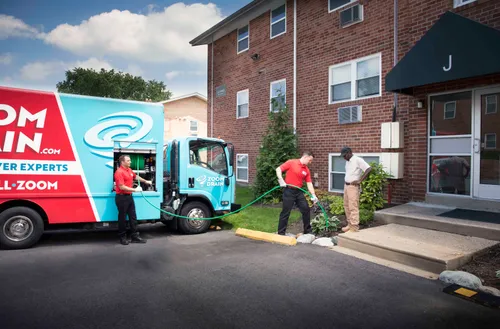
Zoom Drain
39 Immersion Dr Suite 1, Scarborough, ME 04074
Zoom Drain is a drain and sewer repair company serving Portland, ME, and surrounding areas. They provide residential and commercial services including grease trap cleaning, sewer pump repair, sump pump repair, and drain cleaning. The company uses advanced tools like video inspection cameras and high-powered cleaning equipment to diagnose and clear blockages efficiently. Zoom Drain is experienced in handling plumbing challenges specific to Maine's weather and older infrastructure. They offer emergency drain and rooter services with a dedicated crew available to respond promptly to urgent needs.

C&C Construction and Septic Service
1258 Main Rd, Phippsburg, ME 04562
C&C Construction and Septic Service is based in Portland, ME, offering a range of septic and excavation services. They serve Sagadahoc, Lincoln, Cumberland, and Kennebec counties, providing septic pumping, inspections, repairs, installations, grease trap pumping, portable toilet rentals, and excavation work. Their team is equipped to handle commercial grease trap maintenance to help facilities comply with local regulations. C&C Construction and Septic Service focuses on maintaining the long-term health of septic systems and managing excavation projects with care.
Understanding Maine's Regulatory Landscape
Grease trap compliance in Maine is primarily governed by local sewer use ordinances and Fats, Oils, and Grease (FOG) control programs. There is no single statewide frequency mandate; instead, each municipality sets its own requirements based on its infrastructure needs 1 2. For instance, the City of Bangor provides best management practices that suggest weekly inspections and cleaning if a trap is over 50% full, while other towns may reference different benchmarks 2. The common thread is that all food service establishments generating grease must have operational grease control equipment and maintain it properly.
Key regulatory components include:
- Local Ordinances: Always check with your specific city or town's sewer department, public works office, or code enforcement office. Towns like Saco, Old Town, Biddeford, and Hampden all have detailed codes outlining requirements for grease interceptors, record-keeping, and prohibited practices 3.
- Permits and Fees: Many municipalities require food service establishments to obtain a FOG permit or similar approval. This often involves an application fee and subsequent inspection fees. Re-inspection fees may apply if your facility is found to be non-compliant during a check 4.
- The 25% Rule: A widely adopted guideline, often referenced in local standards, is to clean grease traps and interceptors before FOG and solids accumulate to 25% of the unit's volume 5. This is a practical benchmark to prevent overflows and ensure efficient operation.
- Record Keeping: You are typically required to maintain detailed logs of all grease interceptor maintenance. These records should include the date of service, the volume of waste removed, the name of the licensed hauler who performed the service, and the disposal method. Keeping these records on-site and readily available for inspectors is crucial.
Determining Your Cleaning Frequency
While regulations provide a baseline, the optimal cleaning schedule for your Maine restaurant is driven by your actual usage. Relying solely on a calendar can lead to problems; a data-driven approach based on volume and observation is best.
- Assess Your Volume: A high-volume establishment like a steakhouse, diner, or fast-food restaurant will fill its grease trap much faster than a low-volume cafe or coffee shop. Menu items that involve frying, grilling, or using dairy products significantly increase FOG production 6 7.
- Conduct Regular Inspections: Don't wait for a slowdown or a foul odor. Manually check the grease and solid levels in your interior traps frequently-weekly is a good practice for busy kitchens. This allows you to track accumulation rates and schedule service proactively 8.
- Plan for Seasonal Peaks: Maine's tourist seasons and holidays can dramatically increase customer traffic. Proactively schedule a cleaning before these busy periods to ensure your system can handle the increased load and to avoid an emergency service call during your most profitable times 9.
- Watch for Warning Signs: Slow-draining sinks, gurgling sounds from drains, or unpleasant odors are clear indicators that your grease trap needs immediate attention. Addressing these signs quickly can prevent a full blockage or sanitary sewer overflow.
Find the perfect grease trap cleaning companies for your needs
Get personalized recommendations and expert advice
Service Options and Cost Considerations
Grease trap cleaning is a specialized service that must be performed by licensed waste haulers who are permitted to transport and dispose of FOG waste properly. Costs in Maine vary based on the type and size of your equipment, your location, and whether you have a recurring service contract.
- Interior Grease Traps (Under-Sink Units): These smaller units (typically 30-200 gallons) are the most common. Pump-out costs generally range from $125 to $240 per service. One-time or emergency cleanings will be at the higher end of this range, while scheduled, recurring service contracts often offer a lower per-visit rate 10.
- Exterior Grease Interceptors: Larger in-ground or outdoor concrete interceptors (often 500-2,000+ gallons) service higher-volume kitchens. Cleaning these units is more labor-intensive and costs significantly more, typically ranging from $325 to over $1,000 per pump-out depending on size and accessibility 11.
- Additional Fees: Be aware of potential municipal application or inspection fees, which can range from $25 to $50 or more 12. Also, confirm with your service provider what is included in a "cleaning." A full pump-out, scraping of walls, and proper disposal should be standard.
Prohibited Practices and Best Management
To stay compliant and protect your plumbing, it's vital to know what not to do. A common violation is the use of emulsifiers or enzyme-based "grease digesters." Most Maine municipal codes explicitly prohibit pouring these chemicals down the drain 13. While they may temporarily break down grease, they simply move the problem downstream where the grease can re-solidify and cause severe blockages in the public sewer mains, leading to significant fines for your establishment.
Best management practices include:
- Scraping Plates: Dry-wipe pots, pans, and dishes into the trash before washing.
- Using Strainers: Place strainers in all sink drains to catch food solids.
- Collecting Grease: Pour cooled fryer oil and pan grease into a dedicated collection container for recycling, never down the drain.
- Training Staff: Ensure all kitchen staff understand and follow these practices.
Proactive, informed maintenance is the most effective strategy. By understanding your local rules, monitoring your trap's condition, and partnering with a reliable, licensed service provider, you can turn grease trap management from a regulatory headache into a routine part of your successful restaurant operation in Maine 14.
Frequently asked questions
Sources
Footnotes
-
City of Saco, ME Fats, Oils and Grease Program (FOG) - eCode360 - https://ecode360.com/37856301 ↩
-
FATS OIL AND GREASE BEST MANAGEMENT PRACTICES ... - https://www.bangormaine.gov/DocumentCenter/View/1313/FOG-Best-Management-Practices-PDF ↩ ↩2
-
City of Biddeford, ME FACILITIES REQUIREMENTS - eCode360 - https://ecode360.com/29871953 ↩
-
City of Old Town, ME Pretreatment of Wastewater - eCode360 - https://ecode360.com/36377053?noresponsive=true ↩
-
Grease Trap Pumping in Phippsburg, Maine - Septic Services - https://www.ccconstructionservices.com/grease-trap-pumping/ ↩
-
Restaurant Grease Trap Cleaning FAQs - Mahoney Environmental - https://www.mahoneyes.com/restaurant-grease-trap-cleaning-faqs/ ↩
-
How to Clean a Grease Trap (and How Often You Should) - https://greaseconnections.com/how-to-clean-a-grease-trap-and-how-often-you-should/ ↩
-
How Often to Clean a Grease Trap | Wind River Environmental - https://www.wrenvironmental.com/blog/2019/february/how-often-to-clean-a-grease-trap/ ↩
-
The Ultimate Guide to Restaurant Grease Trap Cleaning - https://mokherplumbing.com/ultimate-guide-restaurant-grease-trap-cleaning/ ↩
-
Grease Trap Pumping Cost vs. Grease Trap Maintenance Cost - https://www.stateindustrial.com/video/cost-comparison-pumping-v-chemicals-to-maintain-a-grease-trap/ ↩
-
Grease Trap Cleaning Prices | Guide on the Industry Average - https://grease-cycle.com/grease-trap-pumping-cost/ ↩
-
Grease Trap and Grease Interceptor Standards - https://files.aptuitivcdn.com/GeANpvML19-825/docs/Grease/Grease-Trap-Draft-Standards_11_18_2024.pdf ↩
-
General Requirements #1 - https://www.hampdenmaine.gov/vertical/Sites/%7B1FCAF0C4-5C5E-476D-A92E-1BED5B1F9E05%7D/uploads/General_Requirements_1_Fats_Oils_and_Grease_Best_Management_Practices.pdf ↩
-
How Often Should Restaurants Clean Their Grease Traps? A ... - https://scjetting.com/how-often-should-restaurants-clean-their-grease-traps-a-complete-maintenance-guide/ ↩