Find the Best Grease Trap Cleaning Companies for Your Business
No obligation • Fast responses • Nationwide coverage

Why you can trust Restaurant Waste Disposal
Restaurant Waste Disposal is a leading U.S. resource for comparing restaurant composting, food-waste recycling, grease trap cleaning, and used cooking oil collection services. Our editorial team researches providers, checks credentials, and organizes unbiased information so operators can make informed decisions. Companies cannot pay to change ratings or placement.
Search providers near you
Top Grease Trap Cleaning Companies in Hagerstown, Maryland Ranked
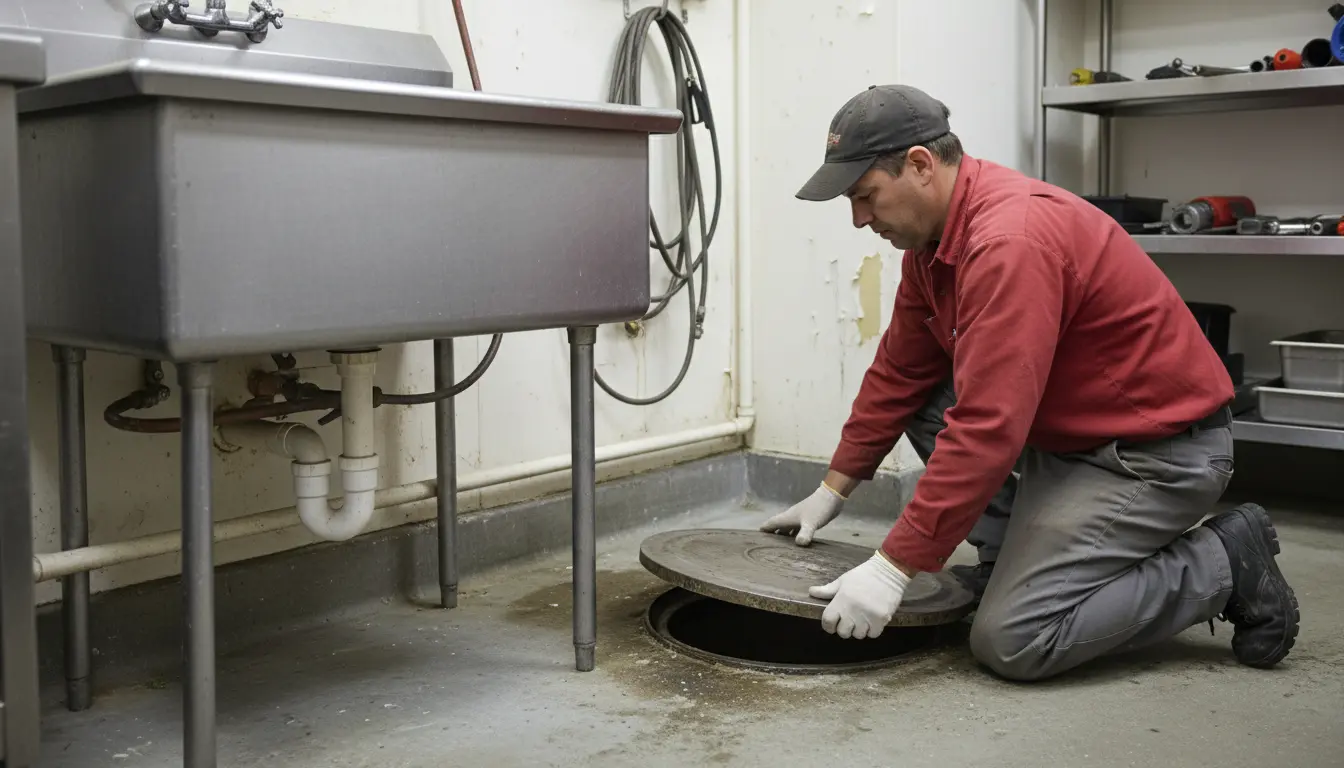
For any restaurant or commercial kitchen in Hagerstown, maintaining a properly functioning grease trap or interceptor is a critical operational and legal requirement. These devices are the first line of defense in preventing fats, oils, and grease (FOG) from entering the public sewer system, where they can cause costly blockages, backups, and environmental damage. Compliance with Maryland and Washington County regulations is not optional; it's enforced through regular inspections and mandatory record-keeping. A proactive maintenance schedule protects your business from severe fines and service interruptions while ensuring your kitchen runs smoothly and responsibly.
Understanding Local FOG Regulations and Compliance
In Hagerstown and Washington County, grease trap maintenance is governed by a combination of state guidelines and local sewer use ordinances. The primary goal is to protect the municipal wastewater infrastructure from FOG-related blockages, which can lead to sanitary sewer overflows (SSOs). Local authorities, such as the Washington County Health Department and water quality divisions, are responsible for enforcement.
Key compliance elements include:
- Mandatory Cleaning Frequency: Most establishments are required to have their grease interceptors pumped and cleaned at a minimum of every three months (quarterly). High-volume kitchens, especially those serving fried foods or with heavy grease production, may be mandated to service their traps monthly.
- Detailed Record-Keeping: Maintaining a logbook is often a legal requirement. This log should document every service date, the company that performed the work, the volume of waste removed, and the disposition of the collected grease (e.g., taken to a licensed rendering facility).
- Proper Sizing and Installation: Grease traps must be appropriately sized for your kitchen's water flow and grease output. An undersized trap will fail prematurely, while an oversized one may not function correctly. Compliance starts with ensuring your equipment meets local standards 1 2.
Non-compliance can result in significant penalties, including hefty fines, mandatory re-inspections, and in severe cases, a suspension of your operating permit until the issue is resolved 3.
Establishing an Effective Maintenance Schedule
A set-it-and-forget-it approach does not work for grease management. The required quarterly cleaning is a baseline; your actual needs depend entirely on your kitchen's operations. Establishing a reliable servicing schedule is the cornerstone of compliance and system longevity.
Factors Influencing Service Frequency:
- Menu and Volume: A pizzeria or burger joint will generate more FOG than a sandwich shop. Kitchens with dishwashers that discharge into the trap also add significant load.
- Trap Size and Type: Smaller, under-sink grease traps fill much faster than large, in-ground grease interceptors.
- Best Practices: How well your staff implements grease-handling protocols (like scraping plates before washing) directly impacts how quickly the trap reaches capacity.
A best practice is to work with your service provider to determine the optimal schedule. They can recommend a frequency-be it monthly, bi-monthly, or quarterly-based on their observations of your trap's fill rate and solids accumulation during each service visit. Sticking to this proactive schedule prevents the trap from becoming overwhelmed, which is when problems like foul odors, slow drains, and compliance failures occur.
What to Expect During Professional Grease Trap Service
Professional grease trap cleaning is a thorough process that goes beyond simply removing liquid. A comprehensive service ensures your system is restored to full capacity and functionality.
A standard service from a licensed provider typically includes:
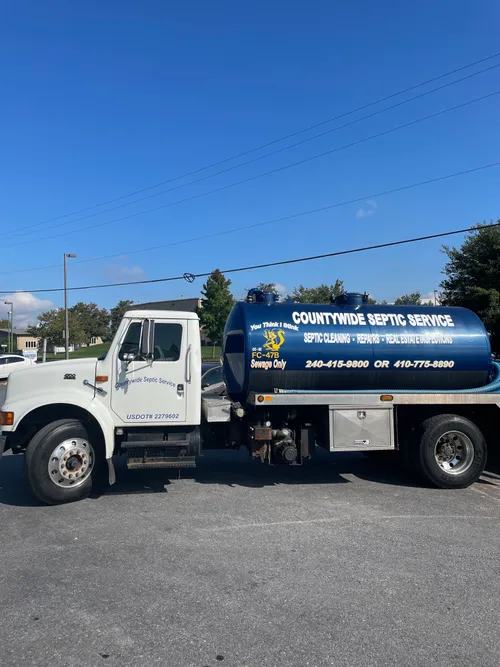
- Pumping: Removing all contents-water, FOG, and solid food waste-from the trap using a vacuum truck.
- Scraping and Cleaning: Manually scraping the walls, baffles, and interior components to remove hardened grease and solids that pumping alone cannot eliminate. This step is crucial for maintaining proper flow and separation.
- Baffle Inspection: Checking the inlet and outlet baffles (which help separate FOG from water) to ensure they are intact and free of blockage.
- System Flushing: Rinsing the interior with hot water or pressure washing to remove residual waste.
- Waste Disposal: Transporting all collected FOG and solids to a licensed facility for proper recycling or disposal, with documentation provided for your records.
- Detailed Report: Supplying a service ticket or report noting the date, gallons removed, and condition of the trap. This document is essential for your compliance logbook 4 5.
Skipping the manual cleaning step is a common pitfall. Pumping only the liquid leaves solids behind, which rapidly decompose and cause odors while reducing the trap's effective volume, leading to more frequent-and avoidable-service calls.
Find the perfect grease trap cleaning companies for your needs
Get personalized recommendations and expert advice
Cost Factors for Grease Interceptor Service in Hagerstown
The cost for professional grease trap pumping and cleaning in the Hagerstown area is not a flat fee; it varies based on several key factors. Understanding these can help you budget accurately and interpret service quotes.
Primary Cost Determinants:
- Trap Size and Location: A small, accessible indoor trap (e.g., 50-gallon under-sink unit) costs significantly less to service than a large, buried concrete interceptor holding 1,500 gallons or more. Accessibility for the service truck also plays a role.
- Condition and Maintenance History: A trap on a regular maintenance schedule is quicker and easier to clean. Neglected traps with heavy solid buildup require extensive manual labor, hydro-jetting, or even emergency service, which increases the price substantially.
- Service Scope: Basic pumping is less expensive than a full service that includes manual scraping, baffle cleaning, and a detailed inspection.
General Price Ranges: Based on industry data for services comparable to the Hagerstown market, you can expect the following ballpark figures 6 7 8:
- Basic Cleaning (Small, Maintained Traps): $175 - $225
- Standard Pumping (Typical Restaurant): $225 - $400 for common sizes (e.g., 1000-1500 gallon)
- Large or Neglected Systems: $500 - $2,500+ for extensive cleaning, emergency service, or very large interceptors.
The most cost-effective strategy is consistent, preventive maintenance, which avoids the premium prices associated with emergency cleanings and potential regulatory fines 9 10.
Proactive Best Practices for Kitchen Staff
The longevity of your grease trap and the frequency of required service are directly within your control through daily kitchen practices. Educating your staff on these protocols reduces strain on the system and lowers maintenance costs.
Essential Do's and Don'ts:
- DO Scrape Thoroughly: Scrape all food scraps, grease, and oil from dishes, pots, and pans into the trash or a compost bin before any rinsing.
- DO Use Sink Strainers: Place strainers in all prep and dish sinks to catch solid food particles.
- DON'T Pour Grease Down the Drain: Never pour used frying oil, melted grease, or gravy down any sink or drain. Collect it in a container for proper recycling or disposal.
- DON'T Use the Garbage Disposal as a Trash Can: Garbage disposals grind food into small particles that easily pass into the grease trap, where they contribute to rapid solids buildup and odors.
- DO Implement Dry Wiping: Use a paper towel to wipe greasy pans and surfaces before washing them.
Implementing a simple kitchen poster outlining these rules can dramatically improve compliance among staff and extend the time between necessary professional pump-outs 11.
Navigating Inspections and Maintaining Compliance
Local health and water quality inspectors may review your grease control measures during routine visits. Being prepared ensures a smooth inspection and demonstrates your commitment to responsible operations.
Be Inspection-Ready:
- Keep Your Logbook Current: Have your service logbook readily available, with all entries filled out completely and matching the service reports from your provider.
- Ensure Easy Access: Make sure the lid to your grease interceptor is clearly marked and not obstructed by equipment or storage.
- Know Your System: Be familiar with the location and size of your trap, as well as your current service schedule.
- Address Minor Issues Promptly: If you notice slow drains, gurgling sounds, or odors near the trap, schedule service immediately. Proactive correction is always viewed more favorably than a violation discovered during an inspection.
For the most accurate and up-to-date information on Hagerstown-specific codes, contacting the Washington County Health Department or the Washington County Water Quality Division is recommended 12 13. They can provide the exact ordinance text and clarify any local requirements.
Frequently asked questions
Sources
Footnotes
-
APPENDIX A Grease Trap and Interceptor Requirements Definitions - https://fcwsd.org/documents/728/Appendix_A_Grease_Trap_Requirements.pdf ↩
-
Grease Trap and Grease Interceptor Standards - https://files.aptuitivcdn.com/GeANpvML19-825/docs/Grease/Grease-Trap-Draft-Standards_11_18_2024.pdf ↩
-
Baltimore Grease Trap Maintenance: Essential Compliance Guide - https://www.myshyft.com/blog/grease-trap-cleaning-baltimore-maryland/ ↩
-
Grease Trap Service Maryland - Hatfield's Septic - https://www.hatfieldsservices.com/commercial-restaurant-grease-trap-cleaning-maryland-md.php ↩
-
Grease Trap Maintenance | Septic System | Forest Hill, MD - https://www.chavissepticservices.com/grease-trap-maintenance ↩
-
Ultimate Grease Trap Pumping Cost Guide: Essential Money ... - https://www.texwaywastewater.com/grease-trap-pumping-cost/ ↩
-
The Cost To Clean A Grease Trap For Restaurants - https://thegreasecompany.com/blog/greasetrapcleaningcost/ ↩
-
How Much Does a Proper Grease Trap Cleaning Cost? - https://hulseyenvironmental.com/how-much-does-a-proper-grease-trap-cleaning-partner-cost/ ↩
-
Grease Trap Cleaning Prices | Guide on the Industry Average - https://grease-cycle.com/grease-trap-pumping-cost/ ↩
-
Ultimate Grease Trap Pumping Cost Guide: Essential Money-Saving Tips - https://www.texwaywastewater.com/grease-trap-pumping-cost/ ↩
-
The Ultimate Guide to Restaurant Grease Trap Cleaning - https://mokherplumbing.com/ultimate-guide-restaurant-grease-trap-cleaning/ ↩
-
Grease Trap Services for Commercial Kitchens in Maryland - https://www.colsonsseptic.com/grease-trap-services-for-commercial-kitchens-in-maryland/ ↩
-
Establishing a Grease Trap Cleaning and Servicing Schedule for ... - https://jpgreasetrap.com/establishing-a-grease-trap-cleaning-and-servicing-schedule-for-your-commercial-kitchen/ ↩