
Find the Best Grease Trap Cleaning Companies for Your Business
No obligation • Fast responses • Nationwide coverage

Why you can trust Restaurant Waste Disposal
Restaurant Waste Disposal is a leading U.S. resource for comparing restaurant composting, food-waste recycling, grease trap cleaning, and used cooking oil collection services. Our editorial team researches providers, checks credentials, and organizes unbiased information so operators can make informed decisions. Companies cannot pay to change ratings or placement.
Search providers near you
Top Grease Trap Cleaning Companies in Overland Park, Kansas Ranked
For any food service establishment in Overland Park, maintaining a clean and compliant grease trap or interceptor is not just a matter of kitchen hygiene-it's a critical legal requirement. The city operates under strict county regulations designed to protect the municipal sewer system from harmful fats, oils, and grease (FOG). Proper grease interceptor maintenance prevents costly blockages, environmental damage, and significant fines, ensuring your restaurant runs smoothly and remains in good standing with local authorities. This guide outlines the essential regulations, best practices, and service considerations for effective FOG management in Overland Park.
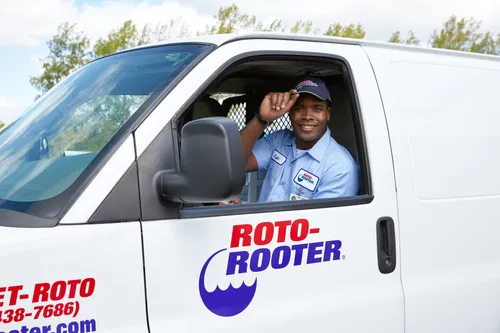
Roto-Rooter Plumbing & Water Cleanup
4600 Kansas Ave Ste A, Kansas City, KS 66106
Roto-Rooter Plumbing & Water Cleanup provides comprehensive plumbing services in Kansas City, MO. They handle a wide range of residential and commercial plumbing needs, including drain cleaning, sewer line repair, water heater maintenance, and grease trap cleaning. Their team is equipped to manage both historic and modern plumbing systems, offering specialized services such as floodwater cleanup, mold remediation, and hydro-jetting. With 24/7 emergency availability, Roto-Rooter ensures assistance is accessible at any time for urgent plumbing issues. The company has a long-standing history in plumbing innovation, originating with the invention of the motorized drain snake in 1935.
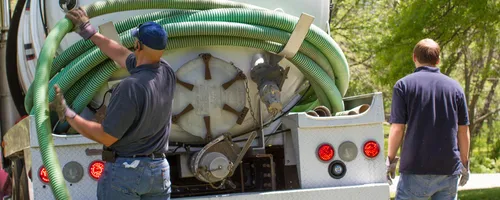
Honey-Wagon Septic And Grease
19546 Metcalf Ave c, Stilwell, KS 66085
Honey-Wagon Septic And Grease is a family-owned company based near Kansas City, MO, specializing in septic tank pumping and grease trap cleaning. With nearly 40 years of experience, they serve residential and commercial customers across Miami, Wyandotte, and Johnson counties in Kansas, as well as Jackson and Cass counties in Missouri. Their certified septic inspectors are available five days a week to assist with inspections and maintenance. The company is fully licensed, bonded, and insured, offering premium commercial-grade maintenance products at their Stilwell office.
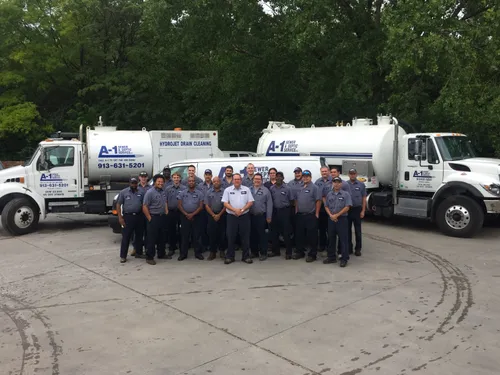
A-1 Sewer & Septic
1891 Merriam Ln, Kansas City, KS 66106
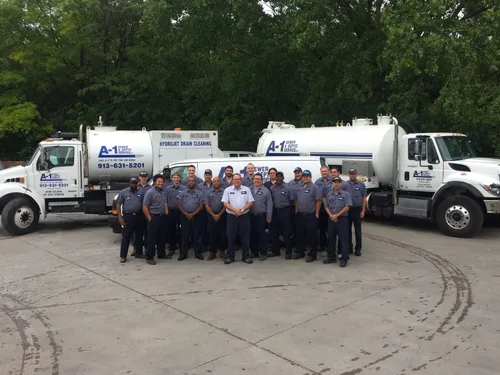
A-1 Sewer & Septic is a family-owned plumbing and septic service provider based in Kansas City, MO. They offer a wide range of services including plumbing repairs, septic tank pumping and repair, grease trap pumping, and expert sewer and drain cleaning using methods like hydro jetting. Serving residential, commercial, and industrial properties, A-1 has been operating since 1968 and provides same-day emergency and weekend services to address urgent plumbing needs.
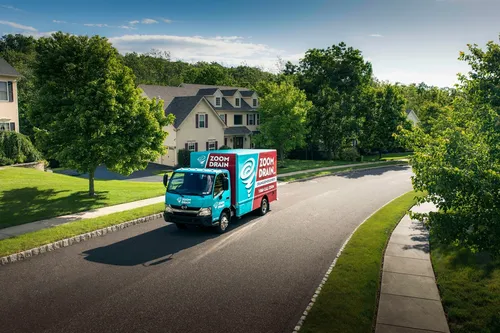
Zoom Drain KC
5600 NE Antioch Rd Suite 106, Kansas City, MO 64119
Zoom Drain KC is a drain and sewer cleaning specialist based in Kansas City, MO. They provide residential and commercial services, including grease trap cleaning, rooter service, high-pressure jetting, and video inspections. With decades of experience, Zoom Drain KC uses advanced tools and eco-friendly products to address drain blockages and maintain plumbing systems. They offer customizable maintenance plans and 24/7 emergency service to support customers in Kansas City and surrounding areas.
H & H Septic Service, Inc
13325 N Silver Ridge Dr, Platte City, MO 64079
H & H Septic Service, Inc is a grease trap cleaning company serving Kansas City, MO. They offer a wide range of septic tank and grease trap services, equipped to handle jobs of any size or difficulty. With many years of experience, they address septic problems efficiently to prevent emergencies.
Understanding Overland Park Grease Trap Regulations
In Overland Park, grease trap compliance is managed by the Johnson County Wastewater Department 1. The cornerstone of local regulation is a mandated pumping frequency: establishments must have their grease interceptors pumped and fully cleaned at a minimum of every 90 days 2 3. However, this is a baseline; if an inspection reveals that grease and solids occupy more than 25% of the trap's volume, more frequent service is required 3. Restaurants can apply for a variance from the 90-day rule, but this requires demonstrating through consistent records that their specific operation does not generate enough FOG to reach the limit within that timeframe 2 3.
The definition of "cleaning" is also specifically regulated. It requires the complete removal of all contents-FOG, food solids, and sludge-from the interceptor. The practice of "decanting," or returning the separated liquid back into the trap, is prohibited. Furthermore, your grease interceptor must be correctly sized for your kitchen's grease production capacity, as outlined in Johnson County's design requirements 4. Non-compliance can lead to enforcement actions, including fines and potential operational shutdowns to prevent sewer overflows.
Key Compliance Responsibilities for Restaurant Managers
- Maintain Detailed Service Records: Keep a log of every grease trap cleaning, including the date, volume of waste removed, and the service company's information. These records must be kept on-site for at least three years and be readily available for county inspectors.
- Pass Routine Inspections: Johnson County inspectors conduct checks to review your records, assess the physical condition of your interceptor, and evaluate your overall FOG management practices.
- Understand Your System: Know whether you have an indoor grease trap (typically smaller, under 200 gallons) or a larger outdoor grease interceptor, as this affects service logistics and cost.
The Real Cost of Grease Interceptor Service
The price for professional grease trap pumping in Overland Park is not a flat fee; it varies based on several factors. For a standard, well-maintained indoor grease trap (generally between 30-200 gallons), a single pumping service typically ranges from $125 to $250 5. Many service providers offer discounted rates for restaurants that commit to a regular quarterly service contract, which is ideal for ensuring compliance.
For larger outdoor grease interceptors, which are common for high-volume restaurants, costs start around $475 and can increase significantly based on size and the amount of accumulated waste 6 7. The single biggest factor affecting price is the condition of the trap. A severely neglected interceptor that is full of hardened grease and solids requires far more labor, time, and equipment to clean, leading to much higher costs-sometimes double or triple the standard rate 8 7. This makes regular maintenance not only a regulatory issue but a clear financial advantage, as emergency clean-outs are exponentially more expensive than scheduled maintenance.
Find the perfect grease trap cleaning companies for your needs
Get personalized recommendations and expert advice
Best Practices for Effective FOG Management
Professional pumping is essential, but daily operational habits are what keep your system functioning between services and extend the time between necessary cleanings.
Train Your Kitchen Staff: The first line of defense is in the sink. Staff should be trained to scrape all food scraps from plates, pots, and pans into the trash or compost before rinsing. Never pour used cooking oil, melted grease, or dairy products down any drain 9.
Implement Daily Skimming: For establishments with indoor traps, assigning a staff member to skim floating grease from the trap's surface daily can dramatically reduce the total load entering the interceptor, improving efficiency and odor control 10.
Choose Your Service Provider Wisely: Not all pumping services are equal. Select a licensed, reputable company that guarantees a complete clean-out (not just pumping liquid) and provides detailed, professional documentation of each service for your compliance records 11. A good partner will help you understand your system and optimize your service schedule.
Consequences of Non-Compliance
Ignoring grease trap maintenance leads to predictable and serious problems. Internally, a clogged interceptor causes slow drains, backups in your kitchen, and foul odors that can affect the dining experience. Externally, FOG that escapes into the sewer system cools and solidifies, creating massive blockages in public sewer lines. These blockages can cause sewage backups into streets, businesses, and homes, leading to environmental contamination and substantial public health costs.
The Johnson County Wastewater Department takes these issues seriously. Violations discovered during inspections can result in substantial fines and mandatory corrective actions. In severe cases of repeat non-compliance or a major FOG release, a restaurant can be forced to cease operations until the issue is resolved and the sewer system is repaired 12. The cost of these penalties and the potential loss of business far outweighs the investment in regular, professional grease trap maintenance.
Frequently asked questions
Sources
Footnotes
-
Food Service Permitting | Johnson County Kansas - https://www.jocogov.org/department/wastewater/developers-engineers-contractors/food-service-permitting ↩
-
Grease Trap Cleaning Kansas City - Honey Wagon - https://www.honey-wagonkc.com/services/grease-trap-cleaning.html ↩ ↩2
-
Article 9. Control of Fats, Oils, and Grease in Food Service ... - https://haysvilleks.citycode.net/artiContOfFatsOilsAndGreaInFoodS.htm ↩ ↩2 ↩3
-
Grease Interceptor Design Requirements - https://www.jocogov.org/department/wastewater/developers-engineers-contractors/regulations/grease-interceptor-design-requirements ↩
-
Grease Trap Cleaning Prices | Guide on the Industry Average - https://grease-cycle.com/grease-trap-pumping-cost/ ↩
-
How Much Does a Proper Grease Trap Cleaning Cost? - https://hulseyenvironmental.com/how-much-does-a-proper-grease-trap-cleaning-partner-cost/ ↩
-
Grease Trap Pumping Cost vs. Grease Trap Maintenance Cost - https://www.stateindustrial.com/video/cost-comparison-pumping-v-chemicals-to-maintain-a-grease-trap/ ↩ ↩2
-
The Cost To Clean A Grease Trap For Restaurants - https://thegreasecompany.com/blog/greasetrapcleaningcost/ ↩
-
Restaurant Grease Trap Cleaning Tips - A-1 Sewer & Septic Service - https://a-1sewerandsepticservice.com/about-restaurant-grease-grease-traps/ ↩
-
How to Clean a Grease Trap (and How Often You Should) - https://greaseconnections.com/how-to-clean-a-grease-trap-and-how-often-you-should/ ↩
-
Choosing the Right Grease Trap Cleaning and Pump Service - https://www.fcs-inc.org/choosing-the-right-grease-trap-cleaning-and-pump-service/ ↩
-
Restaurants Fats, Oils, and Grease - KC Water - https://www.kcwater.us/programs/restuarants-fog/ ↩