
Find the Best Grease Trap Cleaning Companies for Your Business
No obligation • Fast responses • Nationwide coverage

Why you can trust Restaurant Waste Disposal
Restaurant Waste Disposal is a leading U.S. resource for comparing restaurant composting, food-waste recycling, grease trap cleaning, and used cooking oil collection services. Our editorial team researches providers, checks credentials, and organizes unbiased information so operators can make informed decisions. Companies cannot pay to change ratings or placement.
Search providers near you
Best Grease Trap Cleaning Companies in Kansas Ranked
For restaurant owners and food service operators in Kansas, managing fats, oils, and grease (FOG) is a critical operational and regulatory responsibility. Effective grease trap cleaning is not just about preventing clogs in your own kitchen; it's a key component of protecting the state's public sewer systems from costly blockages and environmental damage. Compliance in Kansas is governed by a patchwork of local city and county regulations, each with its own specific permitting, inspection, and maintenance requirements. Understanding these rules and implementing a proactive cleaning schedule is essential for avoiding fines, ensuring smooth operations, and contributing to community wastewater health.
Clutter-Case
1303 West 53rd St N, Wichita, KS 67204
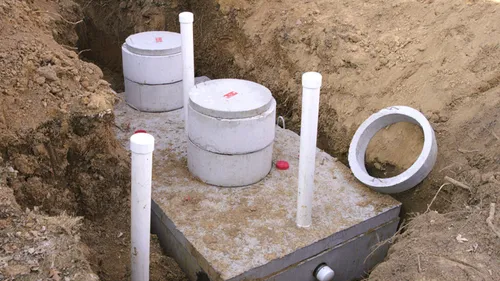
Clutter-Case is a family-owned and operated company based in Wichita, KS, specializing in grease trap cleaning and septic tank services. They offer comprehensive septic system cleaning, maintenance, and inspections, along with manufacturing custom septic tanks to support system reliability. With over 45 years of experience since 1970, Clutter-Case serves customers throughout Kansas, providing tank delivery across the state.
Brooks Grease Service
1401 S Buckner St, Derby, KS 67037
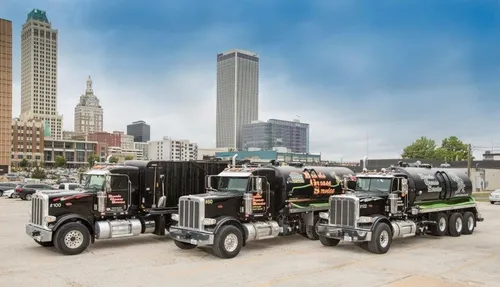
Brooks Grease Service is a family-owned company based in Wichita, KS, specializing in grease trap cleaning and used cooking oil collection. Serving the Central US and Northern Texas, they provide comprehensive grease trap maintenance, emergency cleanouts, and cooking oil recycling to support kitchen efficiency and environmental sustainability. Established in 1957, Brooks Grease Service has over six decades of experience managing grease trap challenges and offers 24/7 emergency services to ensure continuous business operations.
Understanding Local Kansas Regulations
The most important rule for grease trap management in Kansas is that there is no single statewide standard. Authority is delegated to local municipalities and wastewater districts. This means the specific requirements for your establishment in Johnson County will differ from those in Manhattan, Wichita, or Garden City.
- Local Wastewater Authorities: Your first point of contact should always be your local city or county wastewater department. They provide the definitive rules, permit applications, and inspection schedules for your area.
- Permit Requirements: Most jurisdictions require food service establishments to obtain a FOG Management Permit. For example, the City of Manhattan charges an annual fee of approximately $25 per interceptor 1. Operating without the required local permit can result in significant penalties.
- New Construction & Renovations: If you are building a new facility or undertaking a major renovation, you will likely need to install a properly sized, approved gravity grease interceptor. Plans are typically reviewed and approved by the local authority during the permitting process 2.
Key Maintenance Rules and Standards
While local rules vary, several common principles form the backbone of most FOG control programs across Kansas.
The 25% Rule
This is the most prevalent performance standard. It mandates that grease traps and interceptors must be cleaned when the combined volume of FOG and settled solids reaches 25% of the unit's liquid capacity. Waiting until the trap is fuller significantly reduces its effectiveness and increases the risk of FOG escaping into the sewer lines.
Set Cleaning Frequencies
Many localities supplement or replace the 25% rule with a fixed schedule. It is common to find requirements for pumping and cleaning every 30, 60, or 90 days, regardless of the observed fill level 3. Some codes may require cleaning if laboratory tests show FOG concentrations exceed a specific limit in the effluent.
Strict Record-Keeping
You are typically required to maintain detailed service records for a minimum of three years. These logs must be available for review during inspections and should include:
- Date of service
- Name and license number of the service provider
- Volume of waste removed
- Disposal location (manifest number)
- Observations of the interceptor's condition
Prohibited Practices
To protect sewer infrastructure, regulations universally prohibit:
- Using chemical or enzymatic "grease digester" products that emulsify FOG and push it downstream, where it can re-solidify and cause blockages 4 5.
- Disposing of large food solids (generally over 1/2 inch in size) into drains that lead to the interceptor 6.
Find the perfect grease trap cleaning companies for your needs
Get personalized recommendations and expert advice
Costs and Service Considerations
The cost of grease trap maintenance in Kansas varies widely based on several factors, but investing in regular service is far more economical than dealing with an emergency.
- Service Cost Range: A standard pumping for an indoor, under-sink grease trap might cost between $100 and $400. Larger outdoor concrete interceptors can range from $300 to over $1,000 per service, depending on size and accessibility 7 8.
- Preventative vs. Emergency Care: Scheduled, preventative cleanings based on your local code are a predictable operating expense. In contrast, an emergency call-out for a severe sewer backup or a regulatory violation can cost thousands in service fees, fines, and potential business interruption 9.
- Factors Influencing Price: The final cost is affected by your trap's gallon capacity, its location (indoor vs. outdoor), ease of access for service trucks, and prevailing local labor rates.
Practical Steps for Compliance
- Identify Your Local Authority: Contact your city's public works or wastewater department to get the specific ordinance that applies to your business.
- Secure Required Permits: Apply for and maintain an active FOG Management Permit, paying any associated annual fees.
- Schedule Regular Service: Contract with a licensed waste hauler to clean your interceptor on a schedule that meets or exceeds your local code-whether that's a set frequency or adherence to the 25% rule 10.
- Maintain Meticulous Records: Keep a dedicated logbook or digital file for all cleaning manifests and service reports. Have this documentation readily available for any inspector.
- Train Your Staff: Educate kitchen employees on best practices to minimize FOG discharge, such as scraping plates into trash bins and using drain screens to catch solids.
By following these guidelines and partnering with a reputable service provider, you can turn grease trap management from a regulatory headache into a routine part of your successful restaurant operation in Kansas.
Frequently asked questions
Sources
Footnotes
-
Grease Management Permit Program | Manhattan, KS - Official Website - https://www.manhattanks.gov/1765/Grease-Management-Permit-Program ↩
-
Article 9. Control of Fats, Oils, and Grease in Food Service ... - https://haysvilleks.citycode.net/artiContOfFatsOilsAndGreaInFoodS.htm ↩
-
Food Service Permitting | Johnson County Kansas - https://www.jocogov.org/department/wastewater/developers-engineers-contractors/food-service-permitting ↩
-
Rules & Regulations | Garden City, KS - https://www.garden-city.org/265/Rules-Regulations ↩
-
Grease Trap/Interceptor Management - https://lawrenceks.gov/mso/fog-restaurants/interceptor-maintenance-tips-2/ ↩
-
HYDROMECHANICAL GREASE INTERCEPTOR (HGI ... - https://www.spokanecounty.gov/DocumentCenter/View/51138/Hydromechanical-Grease-Interceptor-HGI-Maintenance---English?bidId= ↩
-
Restaurant Grease Trap Cleaning FAQs - https://www.mahoneyes.com/restaurant-grease-trap-cleaning-faqs/ ↩
-
Ultimate Grease Trap Pumping Cost Guide: Essential Money-Saving ... - https://www.texwaywastewater.com/grease-trap-pumping-cost/ ↩
-
Grease Trap Pumping Cost vs. Grease Trap Maintenance Cost - https://www.stateindustrial.com/video/cost-comparison-pumping-v-chemicals-to-maintain-a-grease-trap/ ↩
-
Restaurants Fats, Oils, and Grease - KC Water - https://www.kcwater.us/programs/restuarants-fog/ ↩