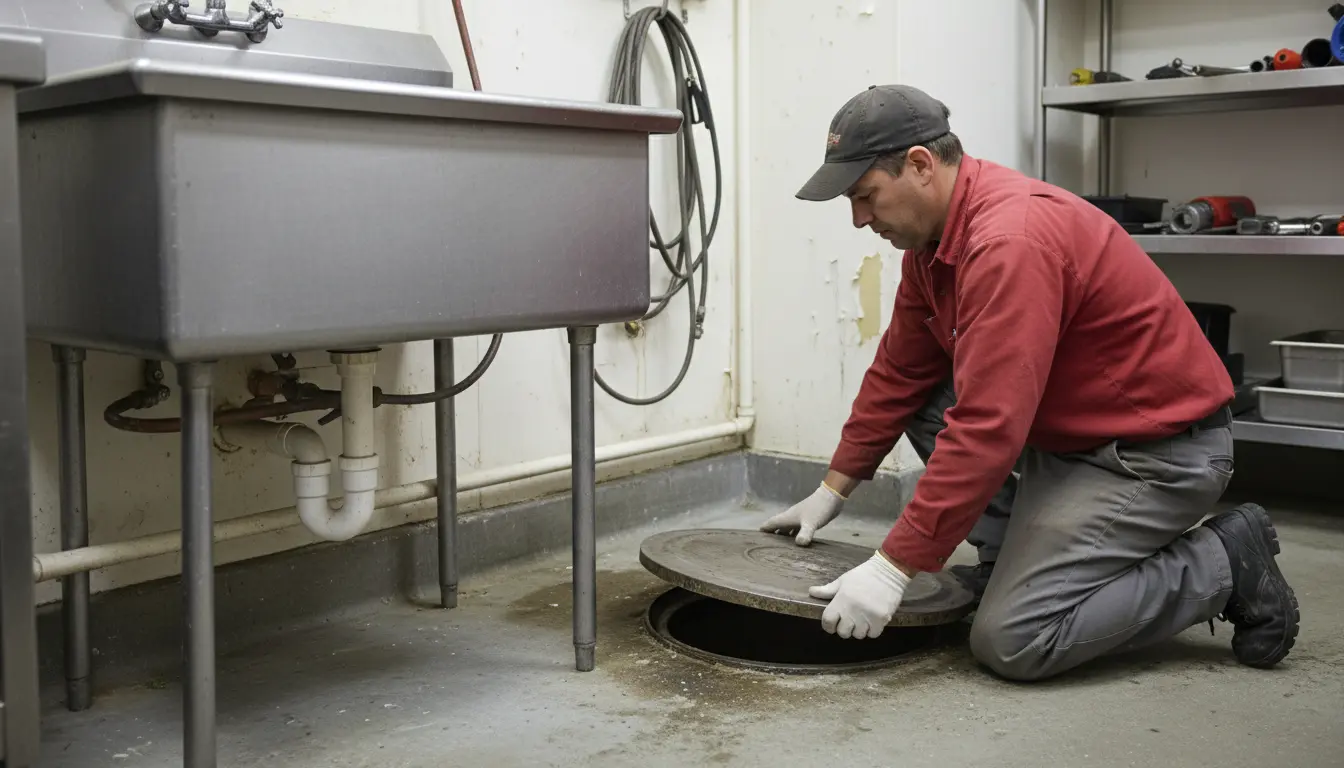
Find the Best Grease Trap Cleaning Companies for Your Business
No obligation • Fast responses • Nationwide coverage

Why you can trust Restaurant Waste Disposal
Restaurant Waste Disposal is a leading U.S. resource for comparing restaurant composting, food-waste recycling, grease trap cleaning, and used cooking oil collection services. Our editorial team researches providers, checks credentials, and organizes unbiased information so operators can make informed decisions. Companies cannot pay to change ratings or placement.
Search providers near you
Top Grease Trap Cleaning Companies in Olathe, Kansas Ranked
For restaurant owners and facility managers in Olathe, maintaining a grease trap or interceptor isn't just a matter of kitchen upkeep-it's a critical legal requirement. The City of Olathe and Johnson County Wastewater (JCW) enforce strict Fats, Oils, and Grease (FOG) regulations to protect the local sewer system from costly blockages and environmental damage. Compliance hinges on using licensed contractors for regular pumping and meticulous record-keeping. This guide outlines the essential rules, best practices, and cost considerations for effective grease interceptor maintenance to keep your business running smoothly and avoid significant penalties.
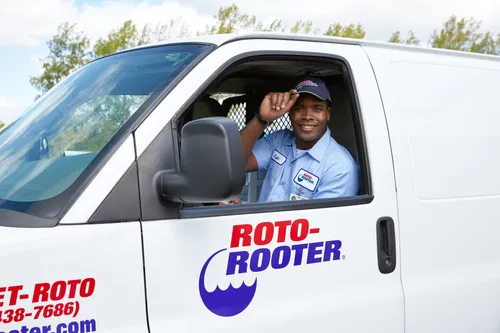
Roto-Rooter Plumbing & Water Cleanup
4600 Kansas Ave Ste A, Kansas City, KS 66106
Roto-Rooter Plumbing & Water Cleanup provides comprehensive plumbing services in Kansas City, MO. They handle a wide range of residential and commercial plumbing needs, including drain cleaning, sewer line repair, water heater maintenance, and grease trap cleaning. Their team is equipped to manage both historic and modern plumbing systems, offering specialized services such as floodwater cleanup, mold remediation, and hydro-jetting. With 24/7 emergency availability, Roto-Rooter ensures assistance is accessible at any time for urgent plumbing issues. The company has a long-standing history in plumbing innovation, originating with the invention of the motorized drain snake in 1935.
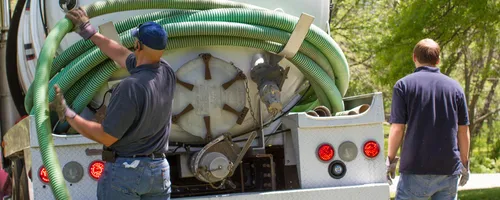
Honey-Wagon Septic And Grease
19546 Metcalf Ave c, Stilwell, KS 66085
Honey-Wagon Septic And Grease is a family-owned company based near Kansas City, MO, specializing in septic tank pumping and grease trap cleaning. With nearly 40 years of experience, they serve residential and commercial customers across Miami, Wyandotte, and Johnson counties in Kansas, as well as Jackson and Cass counties in Missouri. Their certified septic inspectors are available five days a week to assist with inspections and maintenance. The company is fully licensed, bonded, and insured, offering premium commercial-grade maintenance products at their Stilwell office.
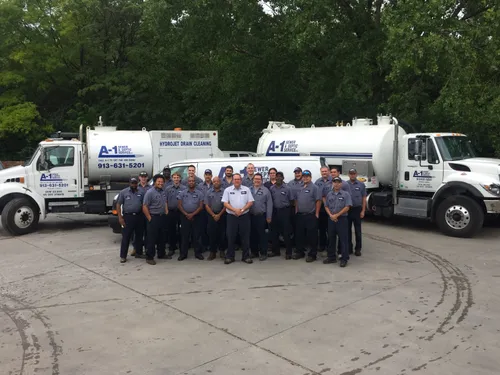
A-1 Sewer & Septic
1891 Merriam Ln, Kansas City, KS 66106
A-1 Sewer & Septic is a family-owned plumbing and septic service provider based in Kansas City, MO. They offer a wide range of services including plumbing repairs, septic tank pumping and repair, grease trap pumping, and expert sewer and drain cleaning using methods like hydro jetting. Serving residential, commercial, and industrial properties, A-1 has been operating since 1968 and provides same-day emergency and weekend services to address urgent plumbing needs.
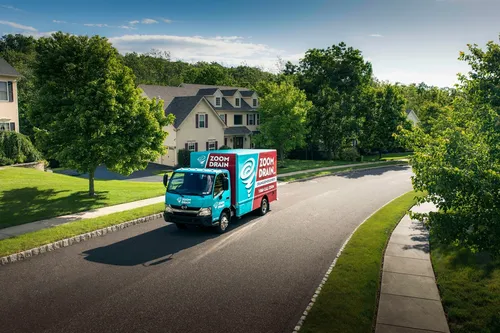
Zoom Drain KC
5600 NE Antioch Rd Suite 106, Kansas City, MO 64119
Zoom Drain KC is a drain and sewer cleaning specialist based in Kansas City, MO. They provide residential and commercial services, including grease trap cleaning, rooter service, high-pressure jetting, and video inspections. With decades of experience, Zoom Drain KC uses advanced tools and eco-friendly products to address drain blockages and maintain plumbing systems. They offer customizable maintenance plans and 24/7 emergency service to support customers in Kansas City and surrounding areas.
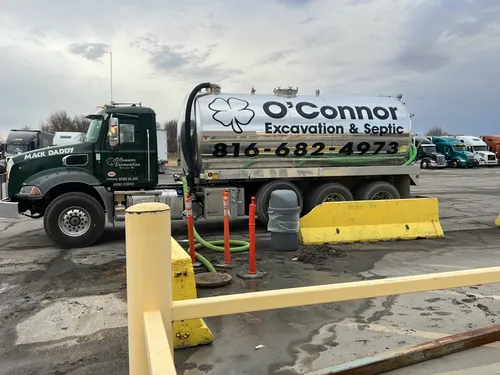
O'Connor Excavation and Septic
Kansas City, MO
O'Connor Excavation and Septic is a service provider based in Kansas City, MO, specializing in excavation, septic system installations, grease trap cleaning, septic and grease pumping, and sewer line services. They focus on delivering clean and professional services. Their capabilities include septic system installs and grease trap cleaning, supporting both residential and commercial needs.
Understanding Olathe's Grease Interceptor Regulations
In Olathe, the rules governing grease management are designed to prevent sewer overflows and infrastructure damage. The primary authority is Johnson County Wastewater (JCW), which administers the FOG program for the city. For any food service establishment, understanding and adhering to these mandates is the first step in compliance.
Key Regulatory Bodies:
- Johnson County Wastewater (JCW): Manages the FOG program, conducts inspections, and enforces compliance.
- City of Olathe Utilities: Provides local ordinances that align with and support JCW's requirements, particularly regarding what can be disposed of in the sewer system.
The cornerstone of the local code is the requirement for large, exterior grease interceptors for new facilities. Interior grease traps are generally prohibited for new installations, emphasizing the need for a more substantial containment system 1. These exterior interceptors are subject to a strict pumping schedule.
Mandatory Pumping and Cleaning Requirements
The most critical operational rule is the mandatory pumping frequency. Licensed contractors must pump and clean your exterior grease interceptor at least every 90 days, or more frequently if the unit is 25% full of fats, oils, grease, and solids 2 3. This is not a suggestion-it's a enforceable standard.
The service must involve the complete removal of all contents: solids (sludge), scum (FOG), and wastewater. The practice of "decanting," or returning the liquid portion back into the interceptor, is strictly prohibited. Proper disposal by the licensed hauler is a key part of the process. Facilities are required to maintain detailed pumping records, including invoices and waste manifests, to prove compliance during a JCW inspection.
Applying for a Pumping Variance
If you believe your establishment generates less FOG and can safely extend the pumping interval beyond 90 days, you may apply for a variance through JCW. However, this process is closely monitored. If a variance is granted, JCW inspectors often require to be present during the next scheduled pumping service to verify the interceptor's condition and validate the extended schedule. It's crucial to have impeccable records before pursuing this option.
Costs of Grease Interceptor Service in Olathe
The cost for grease trap cleaning and pumping services in Olathe varies significantly based on the type and size of the unit. While small interior traps (less common in new Olathe builds) may range from $75 to $150 per cleaning, the focus for most restaurants is on large exterior interceptors 4.
For these large units, service costs typically range from $200 to over $1,000 per cleaning 5 6. The final price depends on several factors:
- Interceptor Size and Accessibility: Larger tanks and harder-to-reach locations cost more.
- Grease and Solid Volume: High-volume kitchens (like busy diners or pizzerias) will fill interceptors faster, potentially requiring more frequent and intensive cleanings.
- Service Complexity: Complete waste removal and proper disposal add to the service cost.
While this is a necessary operational expense, proper maintenance can prevent far more costly problems like sewer backups, fines, and mandatory system upgrades 7.
Find the perfect grease trap cleaning companies for your needs
Get personalized recommendations and expert advice
Best Practices for Kitchen FOG Management
Professional pumping is only one part of an effective FOG control program. What happens in your kitchen daily has a direct impact on your interceptor's health and your maintenance costs.
Proactive Kitchen Habits:
- Scrape and Pre-Clean: Scrape all food scraps from dishes, pots, and pans into the trash or compost before rinsing.
- Use Sink Strainers: Install and maintain strainers in all prep and dishwashing sinks to catch solid debris.
- Never Pour Grease Down Drains: Collect all used cooking oil in dedicated containers for recycling-never pour it down a drain or into a toilet 8 9.
- Staff Training: Educate every kitchen employee on the importance of these practices and how improper disposal can lead to plumbing disasters and regulatory fines.
Implementing these steps reduces the FOG load entering your interceptor, which can extend the time between necessary pumpings, improve system efficiency, and ultimately save you money.
Compliance, Inspection, and Consequences
JCW takes FOG compliance seriously to protect public infrastructure. They have the authority to conduct inspections of your facility, especially if you have requested a variance or if there is a suspected issue 10. During an inspection, they will review your pumping and maintenance records, which you are legally required to keep on-site.
Risks of Non-Compliance: Failure to adhere to the pumping schedule, use unlicensed contractors, or maintain proper records can result in:
- Substantial Fines: Monetary penalties for code violations.
- Operational Disruption: Orders to cease operations until compliance is achieved.
- Sewer Problems: Increased risk of blockages in your own drains or the public sewer main, leading to backups and expensive emergency repairs 11.
Staying proactive with your grease interceptor maintenance is the most reliable way to avoid these negative outcomes and ensure your restaurant operates without interruption.
Frequently asked questions
Sources
Footnotes
-
15.08.190 Subsection 1003.1.1 Added - Grease Interceptors Required - https://olathe.municipal.codes/Code/15.08.190 ↩
-
Food Service Permitting | Johnson County Kansas - https://www.jocogov.org/department/wastewater/developers-engineers-contractors/food-service-permitting ↩
-
Restaurant Grease Trap Cleaning Tips - A-1 Sewer & Septic Service - https://a-1sewerandsepticservice.com/about-restaurant-grease-grease-traps/ ↩
-
How To Clean Restaurant Grease Traps: A Money-Saving Guide For ... - https://westernrooter.com/how-to-clean-restaurant-grease-traps-a-money-saving-guide-for-owners/ ↩
-
Grease Trap Restaurant: The Essential Guide - https://therestaurantwarehouse.com/blogs/restaurant-equipment/grease-trap-restaurant-guide ↩
-
How Much Does It Cost To Clean A Grease Trap? - https://www.greasecollection.com/blog/how-much-does-it-cost-to-clean-a-grease-trap/ ↩
-
Grease Trap Regulations and Compliance: What You Need to Know - https://www.texwaywastewater.com/grease-trap-regulations-and-compliance/ ↩
-
Fats, Rags, Oils & Grease | City of Olathe - https://www.olatheks.gov/government/utilities/sewer/fats-rags-oils-grease ↩
-
Grease Trap Cleaning & Pumping: Your Ultimate Commercial Guide - https://elvisservicecompany.com/news/the-ultimate-guide-to-grease-trap-cleaning-pumping-everything-your-business-needs-to-know/ ↩
-
Article 9. Control of Fats, Oils, and Grease in Food Service ... - https://haysvilleks.citycode.net/artiContOfFatsOilsAndGreaInFoodS.htm ↩
-
Restaurant Grease Trap Maintenance: Best Practices & Step- ... - Boh - https://boh.ai/blog-article/restaurant-grease-trap-maintenance-a-complete-guide-for-kitchen-efficiency ↩