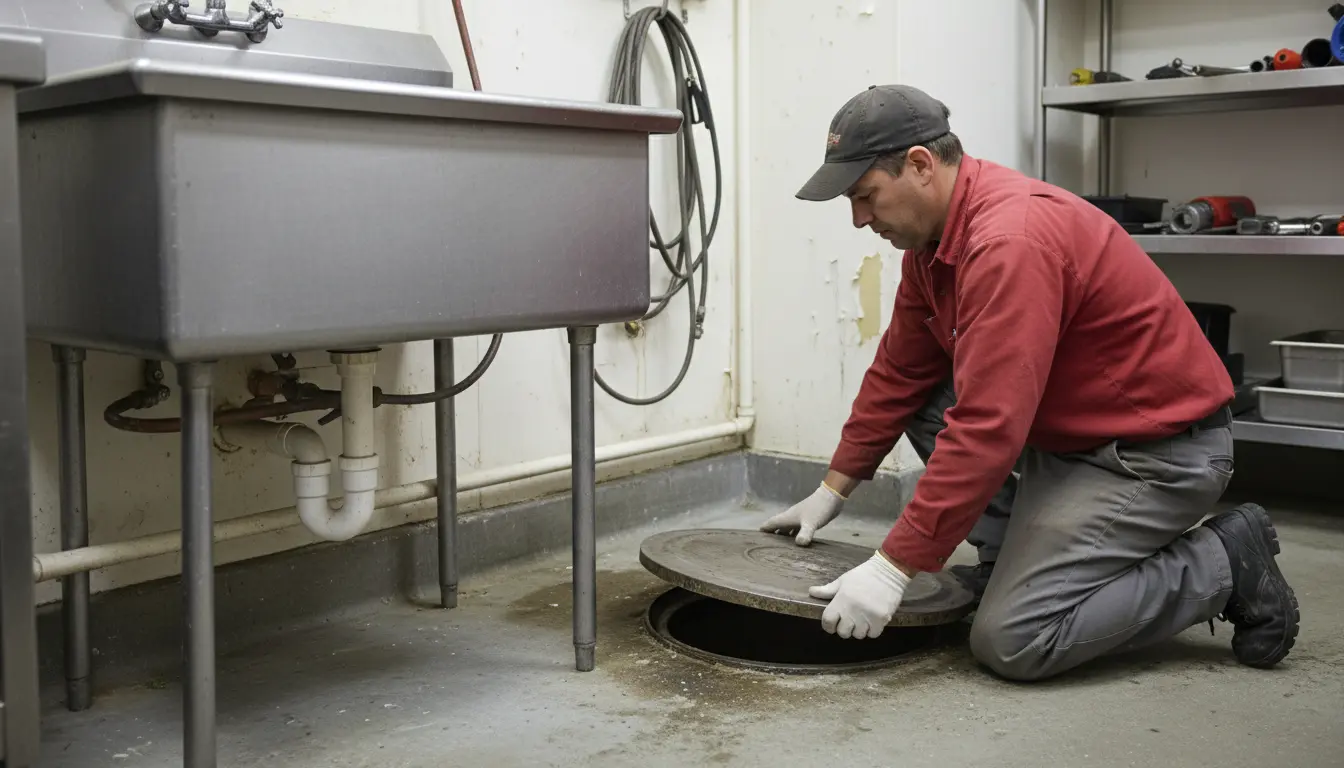
Find the Best Grease Trap Cleaning Companies for Your Business
No obligation • Fast responses • Nationwide coverage

Why you can trust Restaurant Waste Disposal
Restaurant Waste Disposal is a leading U.S. resource for comparing restaurant composting, food-waste recycling, grease trap cleaning, and used cooking oil collection services. Our editorial team researches providers, checks credentials, and organizes unbiased information so operators can make informed decisions. Companies cannot pay to change ratings or placement.
Search providers near you
Top Grease Trap Cleaning Companies in Lenexa, Kansas Ranked
For restaurant owners and managers in Lenexa, effective grease management is a critical operational and legal responsibility. Operating within Johnson County's jurisdiction means adhering to specific Fats, Oils, and Grease (FOG) control regulations designed to protect the local sewer infrastructure. Proper grease interceptor maintenance isn't just about avoiding clogs in your own kitchen; it's a mandated practice to prevent sewer blockages, environmental contamination, and significant fines. This guide outlines the local requirements, best practices, and practical considerations for keeping your establishment compliant and your plumbing flowing smoothly.
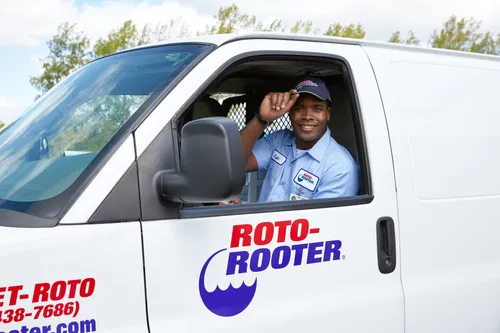
Roto-Rooter Plumbing & Water Cleanup
4600 Kansas Ave Ste A, Kansas City, KS 66106
Roto-Rooter Plumbing & Water Cleanup provides comprehensive plumbing services in Kansas City, MO. They handle a wide range of residential and commercial plumbing needs, including drain cleaning, sewer line repair, water heater maintenance, and grease trap cleaning. Their team is equipped to manage both historic and modern plumbing systems, offering specialized services such as floodwater cleanup, mold remediation, and hydro-jetting. With 24/7 emergency availability, Roto-Rooter ensures assistance is accessible at any time for urgent plumbing issues. The company has a long-standing history in plumbing innovation, originating with the invention of the motorized drain snake in 1935.
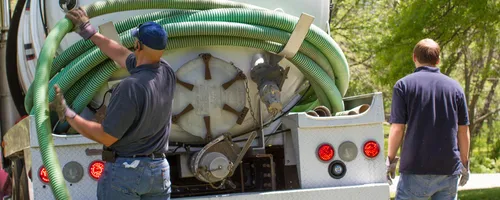
Honey-Wagon Septic And Grease
19546 Metcalf Ave c, Stilwell, KS 66085
Honey-Wagon Septic And Grease is a family-owned company based near Kansas City, MO, specializing in septic tank pumping and grease trap cleaning. With nearly 40 years of experience, they serve residential and commercial customers across Miami, Wyandotte, and Johnson counties in Kansas, as well as Jackson and Cass counties in Missouri. Their certified septic inspectors are available five days a week to assist with inspections and maintenance. The company is fully licensed, bonded, and insured, offering premium commercial-grade maintenance products at their Stilwell office.
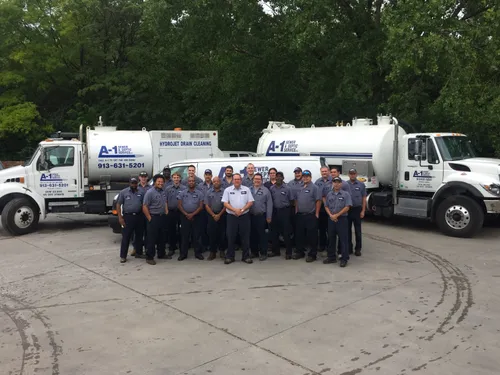
A-1 Sewer & Septic
1891 Merriam Ln, Kansas City, KS 66106
A-1 Sewer & Septic is a family-owned plumbing and septic service provider based in Kansas City, MO. They offer a wide range of services including plumbing repairs, septic tank pumping and repair, grease trap pumping, and expert sewer and drain cleaning using methods like hydro jetting. Serving residential, commercial, and industrial properties, A-1 has been operating since 1968 and provides same-day emergency and weekend services to address urgent plumbing needs.
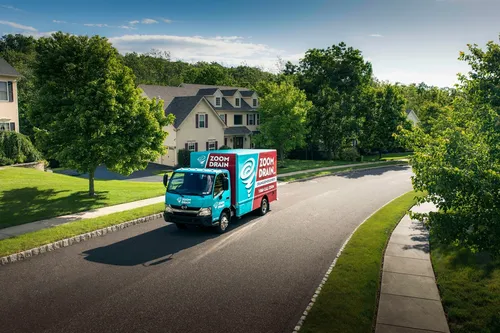
Zoom Drain KC
5600 NE Antioch Rd Suite 106, Kansas City, MO 64119
Zoom Drain KC is a drain and sewer cleaning specialist based in Kansas City, MO. They provide residential and commercial services, including grease trap cleaning, rooter service, high-pressure jetting, and video inspections. With decades of experience, Zoom Drain KC uses advanced tools and eco-friendly products to address drain blockages and maintain plumbing systems. They offer customizable maintenance plans and 24/7 emergency service to support customers in Kansas City and surrounding areas.
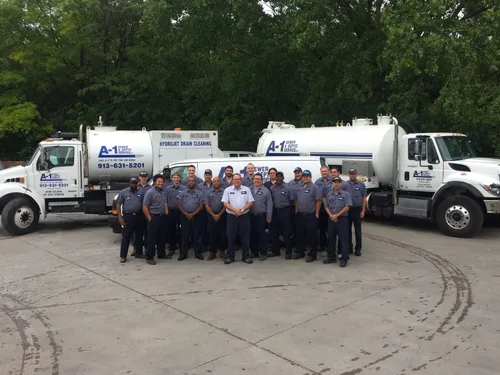
H & H Septic Service, Inc
13325 N Silver Ridge Dr, Platte City, MO 64079
H & H Septic Service, Inc is a grease trap cleaning company serving Kansas City, MO. They offer a wide range of septic tank and grease trap services, equipped to handle jobs of any size or difficulty. With many years of experience, they address septic problems efficiently to prevent emergencies.
Understanding Lenexa's Grease Management Regulations
Restaurants and food service establishments in Lenexa are governed by Johnson County Wastewater's FOG program. The cornerstone of these rules is the prohibition of discharging fats, oils, and grease into the sanitary sewer system. To enforce this, the county has clear design and maintenance mandates.
Key Regulatory Requirements:
- External Interceptors Required: All new food service facilities must install an external grease interceptor that meets specific county criteria. The use of indoor grease traps and garbage disposals is prohibited in this system 1.
- Mandatory Pumping Frequency: Grease interceptors must be pumped and cleaned at least every 90 days (quarterly) 2. However, a variance can be requested for less frequent cleaning if a facility can demonstrate consistently low grease production.
- Strict Documentation: Maintaining detailed service records is not optional. You must keep logs showing the date of service, the company that performed it, and the volume of grease and solids removed. These records are subject to inspection by county officials.
The Importance of Proactive Grease Interceptor Maintenance
Neglecting your grease trap or interceptor is a high-risk gamble. Beyond the immediate hassle of a slow-draining sink, the consequences can be severe and costly.
- Prevent Costly Fines: Johnson County conducts inspections to ensure compliance with FOG management practices 3. Failure to provide proof of regular pumping or having a poorly maintained interceptor can result in violations and significant financial penalties.
- Avoid Plumbing Emergencies: A full or failing interceptor can lead to sewage backups in your kitchen or restaurant floor-a catastrophic event that forces closure, damages property, and creates a major health hazard. Proactive, scheduled cleaning prevents these expensive disasters 4.
- Protect the Community Sewer System: When FOG escapes your establishment, it cools and solidifies in the public sewer lines, creating massive blockages known as "fatbergs." These cause sewer overflows into streets and local waterways, leading to environmental damage and cleanup costs borne by the community 5 6.
Determining Your Service Frequency and Costs
While 90 days is the regulatory baseline in Lenexa, the ideal service interval for your business depends on your actual grease production.
Factors Influencing Service Frequency:
- Menu and Volume: A high-volume restaurant with heavy fryer use may require monthly or bi-monthly grease interceptor pumping. A lower-volume cafe or bakery might be adequately served by the standard quarterly schedule 7 8.
- Interceptor Size: The capacity of your installed interceptor relative to your kitchen's output is crucial. A properly sized unit for your flow rate will function more effectively between cleanings.
Understanding Grease Trap Cleaning Costs: Prices for professional grease interceptor pumping in the Lenexa area are not fixed and vary based on several key factors. Investing in regular preventative maintenance is almost always less expensive than emergency service.
Primary Cost Factors Include:
- Trap/Interceptor Size and Capacity: Larger units that hold more waste require more labor and disposal fees.
- Accessibility: Easily accessible interceptors in a parking lot are simpler to service than those located in tight basements or requiring special equipment to reach.
- Condition and Build-Up: A regularly maintained trap is quicker to clean. Severely neglected interceptors with hardened grease and solids require significantly more time and effort, increasing the cost.
- Service Contract: Many providers offer discounted rates for customers who commit to a scheduled maintenance plan.
General Cost Ranges: For standard, preventative cleaning of a typical commercial grease interceptor, costs often range from $175 to $475+ per service 9 10. For very large interceptors, complex access situations, or severe emergency clean-outs, costs can reach $2,500 or more 9 11.
Find the perfect grease trap cleaning companies for your needs
Get personalized recommendations and expert advice
Best Practices for Restaurant Grease Management
Compliance and cost-control go hand-in-hand with daily operational habits. Here's how to extend the life of your interceptor and stay on the right side of regulations.
Kitchen Staff Training:
- Scrape, Don't Rinse: Ensure all staff scrape food scraps into trash or compost bins before washing dishes. Food particles accelerate grease interceptor filling.
- Dry Wipe Fryers: Wipe down fryer baskets and filtering equipment with paper towels before rinsing to capture excess oil.
- Collect Cooking Oil Separately: Never pour used fryer oil down the drain. It should be collected in dedicated containers for recycling by a licensed used cooking oil collector.
Maintenance and Record-Keeping:
- Schedule Proactively: Don't wait for the 90-day mark if you notice slow drains. Schedule service based on your observed needs.
- Keep Impeccable Records: Maintain a dedicated logbook or digital file for every service receipt. Note the date, service provider, technician name, and volume removed. This is your first line of defense during an inspection.
- Post Service Schedules: Keep a visible maintenance calendar in the kitchen manager's office to ensure no service interval is missed.
Choosing a Service Provider in Lenexa
Selecting the right partner for your grease interceptor pumping is a key business decision. Look for a licensed, insured, and reputable provider familiar with Johnson County's specific codes.
Questions to Ask Potential Providers:
- Are you familiar with Johnson County Wastewater's FOG program and reporting requirements?
- Do you provide detailed service reports that include the gallons of grease and solids pumped, suitable for county inspections?
- What is included in your standard pumping service (e.g., inspection of baffles, cleaning of inlet/outlet tees)?
- Do you offer service contracts or scheduled maintenance plans?
- How do you handle and dispose of the collected FOG waste in accordance with environmental regulations?
Partnering with a knowledgeable provider turns a regulatory obligation into a streamlined part of your operational routine, giving you peace of mind and protecting your business from unnecessary risk and expense.
Frequently asked questions
Sources
Footnotes
-
Grease Interceptor Design Requirements | Johnson County Kansas - https://www.jocogov.org/department/wastewater/developers-engineers-contractors/regulations/grease-interceptor-design-requirements ↩
-
Food Service Permitting | Johnson County Kansas - https://www.jocogov.org/department/wastewater/developers-engineers-contractors/food-service-permitting ↩
-
How to Clean a Grease Trap (and How Often You Should) - https://greaseconnections.com/how-to-clean-a-grease-trap-and-how-often-you-should/ ↩
-
Restaurant Grease Trap Cleaning Tips - A-1 Sewer & Septic Service - https://a-1sewerandsepticservice.com/about-restaurant-grease-grease-traps/ ↩
-
Restaurants Fats, Oils, and Grease - KC Water - https://www.kcwater.us/programs/restuarants-fog/ ↩
-
Grease Trap/Interceptor Management - City of Lawrence, Kansas - https://lawrenceks.gov/mso/fog-restaurants/interceptor-maintenance-tips-2/ ↩
-
Grease Trap Regulations and Compliance: What You Need to ... - https://www.texwaywastewater.com/grease-trap-regulations-and-compliance/ ↩
-
The Ultimate Guide to Restaurant Grease Trap Cleaning - https://mokherplumbing.com/ultimate-guide-restaurant-grease-trap-cleaning/ ↩
-
How Much Does a Proper Grease Trap Cleaning Cost? - https://hulseyenvironmental.com/how-much-does-a-proper-grease-trap-cleaning-partner-cost/ ↩ ↩2
-
The Cost To Clean A Grease Trap For Restaurants - https://thegreasecompany.com/blog/greasetrapcleaningcost/ ↩
-
Ultimate Grease Trap Pumping Cost Guide: Essential Money-Saving ... - https://www.texwaywastewater.com/grease-trap-pumping-cost/ ↩