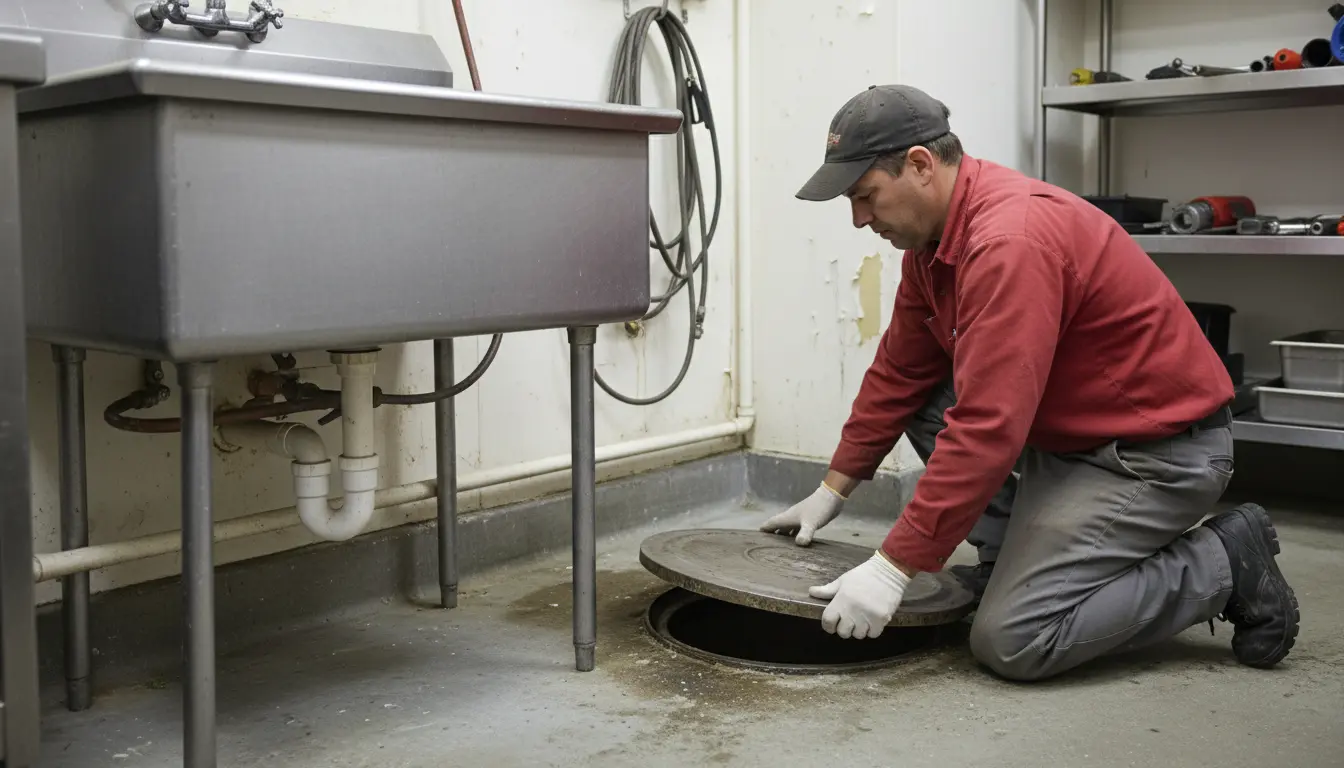
Find the Best Grease Trap Cleaning Companies for Your Business
No obligation • Fast responses • Nationwide coverage

Why you can trust Restaurant Waste Disposal
Restaurant Waste Disposal is a leading U.S. resource for comparing restaurant composting, food-waste recycling, grease trap cleaning, and used cooking oil collection services. Our editorial team researches providers, checks credentials, and organizes unbiased information so operators can make informed decisions. Companies cannot pay to change ratings or placement.
Search providers near you
Top Grease Trap Cleaning Companies in Waipahu, Hawaii Ranked
For restaurant owners and food service operators in Waipahu, managing fats, oils, and grease (FOG) is a critical operational and regulatory responsibility. The City and County of Honolulu enforces strict grease interceptor rules to protect the local sewer system from blockages and costly overflows. Proper grease trap maintenance isn't just about compliance; it's a key practice for preventing disruptive backups, avoiding significant fines, and ensuring the smooth, hygienic operation of your kitchen. This guide outlines the local requirements, best practices, and service landscape for effective FOG management in Waipahu.
Roto-Rooter Plumbing & Water Cleanup
2106 Lauwiliwili St Ste 101j, Kapolei, HI 96707
Roto-Rooter Plumbing & Water Cleanup offers comprehensive residential and commercial plumbing services in Honolulu, HI. Their experienced technicians handle a wide range of plumbing issues, including sewer and drain cleaning, water heater repairs, grease trap maintenance, and emergency floodwater cleanup. They are equipped with specialized tools such as hydro-jetting for effective drain cleaning and provide sewer line repairs using trenchless methods when appropriate. Roto-Rooter is available 24/7, 365 days a year to respond to urgent plumbing needs, ensuring prompt assistance whenever emergencies arise.
Roto-Rooter Plumbing & Water Cleanup
3049 Ualena St Ste 713, Honolulu, HI 96819
Roto-Rooter Plumbing & Water Cleanup provides comprehensive plumbing and water cleanup services in Honolulu, HI. They serve both residential and commercial customers, addressing issues such as drain cleaning, sewer line repairs, water heater installation, and floodwater cleanup. The company is experienced in handling Honolulu's unique plumbing challenges, including aging infrastructure and storm-related damage. Roto-Rooter offers 24/7 emergency plumbing services to quickly respond to urgent problems like burst pipes, sewer backups, and flooding. Their commercial services include grease trap maintenance and high-pressure water jetting. They serve multiple communities across the island of O'ahu.
Understanding Honolulu's Grease Interceptor Regulations
In Waipahu, which falls under the jurisdiction of the City and County of Honolulu, your establishment's grease control program is governed by the Department of Environmental Services (ENV), specifically the Division of Wastewater Management (DWM). The rules are designed to prevent FOG from entering the public sewer lines, where it can solidify and cause major blockages, sanitary sewer overflows, and environmental damage.
The cornerstone of compliance is a well-maintained grease interceptor (often called a grease trap). Key regulatory requirements include:
- Regular Cleaning and Maintenance: Interceptors must be cleaned as often as necessary to maintain efficient operation, typically based on the volume of FOG and solids accumulated 1 2. A common industry guideline is to schedule service when 25% or more of the tank's depth is occupied by FOG and solids 3 4.
- Mandatory Record Keeping: You are required to maintain a detailed, on-site maintenance log for each interceptor for a minimum of three years. This log must include:
- Date of each cleaning
- Volume of grease and solids removed
- Name of the service company or person performing the work
- Disposal facility where the waste was taken
- Accessibility: Grease interceptors must be easily accessible for both routine cleaning and unannounced inspections by city officials.
- Prohibited Connections: Food waste disposers (garbage disposals) and commercial dishwashers are generally prohibited from discharging into a grease interceptor system, as they can overwhelm the unit with solids and emulsify grease, making it less effective 5.
The Inspection Process: What to Expect
The Division of Wastewater Management conducts inspections to ensure compliance 6. Being prepared can make this process straightforward and help you avoid violations.
During an inspection, officials will typically:
- Review Your Maintenance Logs: This is often their first request. Complete, accurate, and up-to-date logs demonstrate a commitment to compliance.
- Inspect the Interceptor: They will check the physical condition of the trap, looking for signs of neglect, improper installation, or damage.
- Verify Proper Disposal: They may ask for documentation, like waste manifests, proving that collected FOG was disposed of at a licensed facility.
The primary goal of enforcement is prevention. However, neglect can lead to notices of violation, substantial fines, and, in severe cases, emergency cleanup orders that come with exponentially higher costs.
Cost Factors for Grease Trap Service in Waipahu
The cost of grease interceptor maintenance varies based on your establishment's specific needs. Proactive, regular service is almost always more affordable than emergency cleanings.
- Routine Pumping & Cleaning: For a standard indoor grease trap, routine service in the Waipahu area can range from approximately $125 to $475 or more per cleaning 7 8. The final price depends on the size (capacity) of your interceptor, the amount of FOG and solids present, and the frequency of service.
- Emergency or Neglect Surcharges: If a trap is severely neglected or has caused a backup, the cleaning becomes far more labor-intensive. Emergency service costs can be three times the price of a routine cleaning or higher due to the need for more equipment, labor, and potential hydro-jetting to clear blocked lines 9 10.
- Long-Term Savings: Investing in regular maintenance is cost-effective. Furthermore, implementing simple kitchen best practices-like scraping food scraps into compost or trash before washing and using sink strainers-can significantly reduce the solid waste entering your trap, potentially extending the time between professional cleanings and lowering your annual service costs 11.
Find the perfect grease trap cleaning companies for your needs
Get personalized recommendations and expert advice
Finding a Qualified Service Provider
Waipahu and the broader O'ahu area are home to several professional grease trap cleaning companies. When selecting a provider, look for a licensed, insured company with experience serving food service establishments in Honolulu County. They should be familiar with local regulations and provide proper waste manifests upon completion of service. Online resources and local business listings can help you identify providers such as Bio-Care of Hawaii, Oahu Jetting and Drains, and other licensed waste haulers 12.
A reliable service partner will do more than just pump out your trap. They can help you interpret your maintenance logs, suggest an optimal cleaning schedule based on your volume, and advise on kitchen practices to improve your FOG management.
Best Practices for In-House FOG Management
While professional cleaning is essential, daily staff actions are the first line of defense.
- Dry Wiping: Train staff to use rubber scrapers or paper towels to wipe grease and food scraps from pots, pans, and dishes before rinsing.
- Use Strainers: Place strainers in all sink drains to catch solid food particles.
- Proper Disposal: Collect used fryer oil and cooking grease in sealed containers for pickup by your grease trap service or a used cooking oil recycler-never pour it down the drain.
- Monitor Your Trap: Visually check your grease interceptor periodically between professional cleanings to gauge the buildup of FOG and solids.
Adhering to these practices supports your compliance efforts, reduces the burden on your interceptor, and contributes to the health of Waipahu's wastewater infrastructure 13.
Frequently asked questions
Sources
Footnotes
-
Grease Interceptor Program Compliance, Chapter 2 [Adopted ... - https://www.honolulu.gov/env/wp-content/uploads/sites/29/2023/10/wwm_RulesRelatingtoGreaseInterceptorProgramCompliance2002.pdf ↩
-
Fats, Oils and Grease (FOG) Management & Control Program - https://www.waterboards.ca.gov/rwqcb7/water_issues/programs/pretreatment/docs/intro_fog_inspections.pdf ↩
-
§ 52.55 GREASE INTERCEPTOR PERMIT AND REQUIREMENTS. - https://codelibrary.amlegal.com/codes/anna/latest/anna_oh/0-0-0-39909 ↩
-
§ 8-3A-9 GREASE, OIL AND SAND TRAPS AND INTERCEPTORS. - https://codelibrary.amlegal.com/codes/enidok/latest/enid_ok/0-0-0-7618 ↩
-
Food Waste Disposers and Dishwashers - UpCodes - https://up.codes/d/food-waste-disposers-and-dishwashers ↩
-
Division of Collection System Maintenance - Honolulu.gov - https://www.honolulu.gov/env/csm/division-of-collection-system-maintenance/ ↩
-
How to Clean a Grease Trap (and How Often You Should) - https://greaseconnections.com/how-to-clean-a-grease-trap-and-how-often-you-should/ ↩
-
How Much Does a Proper Grease Trap Cleaning Cost? - https://hulseyenvironmental.com/how-much-does-a-proper-grease-trap-cleaning-partner-cost/ ↩
-
Grease Trap Pumping Cost vs. Grease Trap Maintenance Cost - https://www.stateindustrial.com/article/grease-trap-pumping-cost-vs-grease-trap-maintenance-cost/ ↩
-
The Cost To Clean A Grease Trap For Restaurants - https://thegreasecompany.com/blog/greasetrapcleaningcost/ ↩
-
Grease Trap Cleaning Prices | Guide on the Industry Average - https://grease-cycle.com/grease-trap-pumping-cost/ ↩
-
TOP 10 BEST Grease Trap Cleaning near Waipahu, HI - Yelp - https://m.yelp.com/search?find_desc=Grease+Trap+Cleaning&find_loc=Waipahu%2C+HI ↩
-
The Insider's Guide to Restaurant Rules and Regulations (2025) - City Food Equipment - https://www.cityfoodequipment.com/blogs/learning-center/restaurant-rules-and-regulations ↩